Table of Contents >> Show >> Hide
- The Intersection of Functionality and Aesthetics
- Eco-Conscious and Sustainable Designs
- The Reign of Virtual Reality and Augmented Reality in Design
- Biophilic Design: Bringing the Outdoors In
- The Art of Minimalism: Less is More
- The Rise of Interactive and Immersive Experiences
- Vital Designs in the Fashion Industry
- Vital Designs: Shaping the Future
- Personal Experience: Vital Designs in Action
Design is no longer just about aesthetics; it’s about telling a story, creating experiences, and shaping the way we interact with the world. From architecture to interior spaces, from fashion to digital interfaces, “vital designs” are those that go beyond mere decoration. They influence behavior, evoke emotions, and, in some cases, can change the trajectory of an entire industry. As we dive into today’s trends, let’s explore the elements of design that have captured attention across the globe, with a focus on why these obsessions are so vital in the modern world.
The Intersection of Functionality and Aesthetics
Gone are the days when design was purely about looks. Today’s consumers demand both beauty and functionality. The integration of technology with design, like in smart homes or app interfaces, represents a major shift in how we view the role of design. It’s not just about creating spaces that look good; it’s about making them work better for us. Consider the rise of minimalist architecture where every element is designed to serve a purpose, from the layout to the material selection. These designs create fluid spaces that cater to modern living and even influence how we interact within our environments. Technology plays a significant part here, enabling us to use fewer materials but achieving more in terms of design impact.
Eco-Conscious and Sustainable Designs
Sustainability in design is no longer a trendit’s a responsibility. As the planet grapples with climate change, there is an ever-growing emphasis on eco-conscious designs. From energy-efficient appliances and sustainable building materials to eco-friendly fashion and product design, the current obsession is clear: less waste, more impact. Think of the booming popularity of eco-friendly furniture made from recycled materials or biodegradable packaging in fashion. Sustainable design is also about embracing renewable energy sources like solar panels integrated seamlessly into residential architecture or buildings constructed with low-carbon materials that support the environment without compromising on style. This obsession aligns perfectly with the modern ethos of a greener, more responsible world.
The Reign of Virtual Reality and Augmented Reality in Design
Incorporating virtual reality (VR) and augmented reality (AR) into design has revolutionized industries from gaming to interior design to retail. Designers now use VR to showcase new designs in 3D before construction begins, allowing clients to immerse themselves in the space, adjusting and personalizing elements in real-time. Augmented reality, on the other hand, has transformed the way we shop, enabling us to “try on” clothes virtually or place furniture in our homes through our phones. This shift isn’t just a tech gimmick; it represents a new frontier in how we experience products and environments before they’re even built or purchased.
Biophilic Design: Bringing the Outdoors In
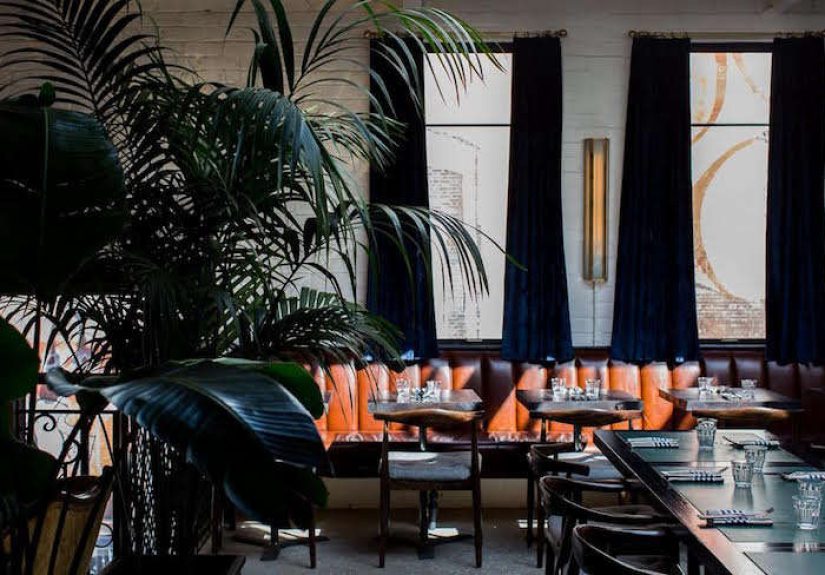
As urbanization continues to grow, the need for nature in our lives has never been more critical. Biophilic designa concept that incorporates elements of nature into built environmentshas become a current obsession. It’s not just about having plants in the office or home anymore. This design philosophy involves using natural light, air flow, and materials like wood and stone to enhance the feeling of being close to nature. The trend is growing especially in corporate offices, as studies show that biophilic design can boost productivity and overall well-being. In a post-pandemic world, bringing natural elements into our homes and workplaces has become a necessary escape, reconnecting us with the healing properties of nature.
The Art of Minimalism: Less is More
Minimalism continues to dominate design in 2025. The mantra “less is more” isn’t just a catchphraseit’s a way of life. From clean lines and simple color palettes to a focus on functionality over frills, minimalist design speaks to the desire for simplicity in a world cluttered with distractions. It is about stripping down to the essentials and eliminating what is unnecessary. This applies to everything from interior spaces to digital design, where websites and apps are becoming cleaner, faster, and easier to navigate. The focus on minimalist design reflects a deeper cultural shift toward intentionalitysimplifying our surroundings to allow more room for mental clarity and calm.
The Rise of Interactive and Immersive Experiences
Interactive and immersive experiences are a key part of current design obsessions, especially in the digital realm. This includes anything from the rise of gamification in apps and websites to the immersive environments found in modern museums and galleries. Design today is about creating experiences that engage the user, make them feel a part of the story, and invite them to explore. Brands are increasingly creating environments that users can interact with, either physically or digitally, providing them with personalized, tailored experiences. For instance, in the retail world, brands like Nike and Apple are integrating interactive elements into their stores, where customers can engage with products in new ways, enhancing the overall experience and building stronger customer loyalty.
Vital Designs in the Fashion Industry
When it comes to fashion, the concept of vital design is closely tied to the growing demand for inclusivity, sustainability, and self-expression. Fashion designers are increasingly creating clothing that caters to all body types and celebrates diversity. From adaptive clothing for people with disabilities to more sustainable lines made from recycled fabrics, the fashion world is evolving rapidly. Additionally, digital fashion is rising, with brands now offering virtual clothing for avatars in online worlds. This trend may seem niche, but it demonstrates how design is transforming not only what we wear but how we present ourselves in virtual spaces.
Vital Designs: Shaping the Future
Design is not just about making things look goodit’s about shaping our future. The current obsession with vital designs speaks to the power of design to influence how we interact with technology, nature, and each other. From eco-conscious buildings to interactive digital interfaces, design is at the heart of nearly every industry. As we move forward, these vital designs will continue to evolve, shaping the world we live in and influencing the next generation of creatives, innovators, and problem solvers. The obsession with functional, eco-friendly, and immersive designs is not just a trendit’s the future of how we live, work, and play.
Conclusion
As the world changes and technology advances, our obsession with vital designs will continue to shape every aspect of our lives. Whether it’s creating spaces that prioritize both beauty and function, or leveraging the power of VR and AR to immerse ourselves in new experiences, the designs of today will define the world of tomorrow. Sustainable, inclusive, and interactive designs are not just fleeting trendsthey represent a future that is thoughtful, intentional, and deeply connected to our values as a society. So, embrace these vital designs; they are here to stay.
Personal Experience: Vital Designs in Action
From personal experience, I’ve seen firsthand how vital designs impact not only aesthetics but also functionality. As someone who loves to create and personalize spaces, the influence of minimalist design in my home has been profound. By incorporating natural light and biophilic elements, such as indoor plants and wooden furniture, my workspace feels much more calming and conducive to focus. I also recently had the opportunity to visit a local retail store that used AR technology to allow customers to “try on” clothes virtually. It was fascinating to see how this immersive experience improved the shopping journey, providing more convenience and fun. The shift toward functional and eco-conscious designs is not just a personal obsessionit’s something I believe will continue to grow, shaping our daily lives in ways we can only begin to imagine.