Table of Contents >> Show >> Hide
- Why algae loves your bird bath (and how to ruin its plans)
- Way #1: Pick the right spot (shade + less debris = less green slime)
- Way #2: Refresh and scrub on a schedule (because algae hates routines)
- Way #3: Use gentle upgrades: moving water + bird-safe algae discouragers
- Troubleshooting: when your bird bath turns green overnight
- Quick FAQ (because algae doesn’t wait for you to Google)
- Conclusion: keep it simple, keep it fresh, keep it bird-safe
- Extra: of real-world “what actually worked” experiences
- Experience #1: “I kept topping it off and the algae got worse.”
- Experience #2: “Shade helped, but putting it under a tree made it gross.”
- Experience #3: “The solar fountain was the ‘why didn’t I do this sooner’ upgrade.”
- Experience #4: “Copper helped… a little… but it wasn’t magic.”
- Experience #5: “My fastest results came from a tiny routine I could actually keep.”
Algae in a bird bath is like that one party guest who shows up early, eats all the chips, and refuses to leave.
One day your bath is sparkling; the next it looks like a science fair project titled “Life Finds a Way.”
The good news: you don’t need harsh chemicals or a full-time algae bouncer. With a few simple habits and one or
two smart upgrades, you can keep the water clearer, safer, and way more inviting for feathered visitors.
This guide focuses on bird-friendly, backyard-practical strategies used by birding and wildlife organizations,
gardening experts, and extension resourcesbecause the goal isn’t just “pretty water.” It’s clean water that birds
can drink and bathe in safely.
Why algae loves your bird bath (and how to ruin its plans)
Algae isn’t evilit’s just extremely enthusiastic about three things: sunlight,
warmth, and nutrients. Add still water and a little
“bonus material” (fallen leaves, pollen, dust, bird droppings), and algae can multiply fastespecially in summer.
So the most effective algae prevention doesn’t rely on one magic trick. It’s a three-part strategy:
reduce algae’s fuel, interrupt its growth, and keep the bath hygienic.
Let’s do exactly that.
Way #1: Pick the right spot (shade + less debris = less green slime)
If your bird bath sits in full sun all day, algae basically has a beachfront condo with free room service.
Moving the bath just a few feet can make a big difference.
Aim for partial shade, not “leaf soup”
- Choose morning sun + afternoon shade if possible. Cooler water slows algae growth and reduces evaporation.
-
Avoid placing the bath directly under trees where leaves, sticky sap, and pollen constantly drop in.
Debris breaks down into nutrients algae can use. -
Keep it near cover, but not jammed into shrubs. Birds like nearby protection, but airflow and visibility
help them feel safeand help you keep the bath clean.
Stop “nutrient delivery” before it happens
A bird bath can get nutrient-loaded without you realizing it. Here are common culprits:
- Seed and hulls falling from feeders overhead (like a salad bar for algae).
- Fertilizer overspray from lawns or flower beds (algae treats nitrogen like espresso).
- Mulch dust + soil splash after watering or rain.
Fixes that don’t require landscaping your entire life:
- Place the bath away from the direct drip line of feeders and messy perches.
- Use gravel, pavers, or a small mat under the bath to reduce splash-in dirt.
- If you fertilize nearby, keep a “no-spray zone” around the bath. (Algae does not need help achieving its dreams.)
Choose an easier-to-clean setup
Algae prevention gets easier if your bird bath is easy to dump, scrub, and refill. Look for:
- A shallow basin with a gentle slope (many birds prefer water around 1–2 inches deep).
- A textured surface for secure footingalso helps you scrub slime more effectively.
- A lightweight or removable bowl so cleaning doesn’t feel like a gym membership.
Way #2: Refresh and scrub on a schedule (because algae hates routines)
The single most reliable way to prevent algae in a bird bath is also the least glamorous:
regular water changes plus quick scrubbing. It’s like brushing your teethno one
wants to do it, but everyone likes the results.
Use the “dump, swish, refill” habit
In warm months, many backyard birders keep things fresh by changing water every day or two. If that sounds intense,
try this realistic version:
- Daily or every-other-day: Dump the water, rinse, and refill. (60 seconds. Truly.)
- Once a week (or when you see film): Scrub the basin to remove algae before it becomes a slip-n-slide.
- After storms or heavy use: Extra rinse. Leaves and dirt can spike algae growth quickly.
Bird-safe cleaning methods that actually work
For routine cleaning, you want something that removes algae and grime without leaving residues that could harm birds.
A stiff brush plus hot water is often enough. If you need extra help, many birding and gardening sources recommend a
diluted white vinegar solution for scrubbing.
Simple vinegar scrub:
- Empty the bird bath completely.
- Mix vinegar + water in a bucket (commonly used ratios include 1:9 for general cleaning).
- Scrub with a brush or non-scratch pad, focusing on the green film line and corners.
- Let it sit a few minutes if needed (don’t wander offbirds can be bold).
- Rinse thoroughly until you can’t smell vinegar.
- Let it air dry briefly if you can, then refill with fresh water.
What to avoid: strong detergents, scented cleaners, and “pond algaecides.” Even small residues can be a
problem because birds bathe (not just drink) and rely on healthy feather oils for insulation and waterproofing.
Make cleaning faster with a “two-tool kit”
- A dedicated scrub brush (used only for the bird bath, not your kitchen sink).
- A hose nozzle or watering can for strong rinse power.
Bonus: Wear gloves if you prefer, and wash your hands after cleaningespecially if there’s droppings or heavy grime.
(Your immune system will also appreciate being invited to the planning meeting.)
Don’t just top offreset
One common mistake is “topping off” the bird bath when water gets low. That keeps the old, nutrient-rich water in
placebasically marinating algae in a spa treatment. Instead, dump and replace. Fresh water is your best anti-algae tool.
Way #3: Use gentle upgrades: moving water + bird-safe algae discouragers
If you’re already changing water regularly and you still get algae fast (hello, summer heat), it’s time to make your
bird bath a slightly less comfortable home for green gunk.
Add movement (algae prefers still water)
Moving water does three helpful things: it discourages algae, improves oxygenation, and attracts birds (many love the sound).
You don’t need a fancy pondjust a small motion source:
- Solar fountain or bubbler: Easy drop-in option for many basins.
- Small recirculating pump: Helpful if you have power nearby and want consistent flow.
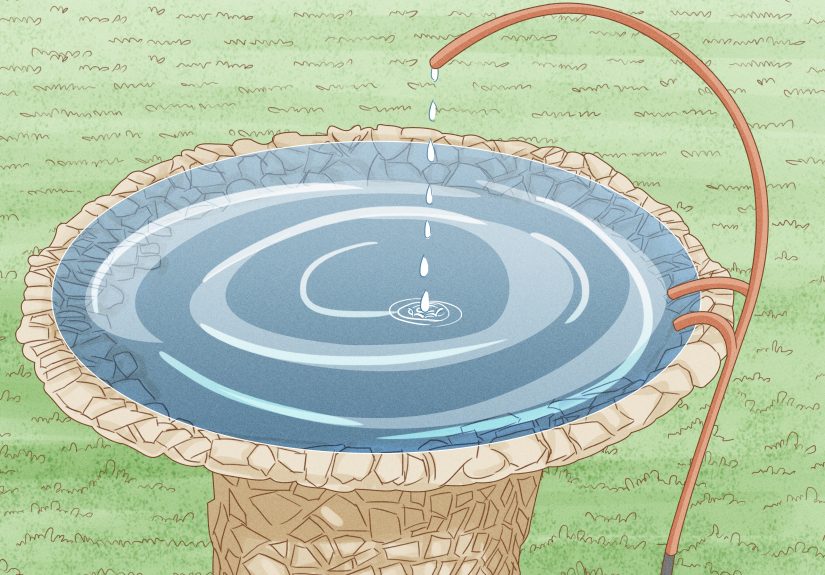
- DIY drip setup: A slow drip can keep water “alive” and less stagnant.
Practical tip: if you add a pump, clean the intake regularly. Algae loves clogging tiny parts like it’s getting paid.
Consider copper (with common-sense cautions)
Copper has long been used in water applications because it can discourage algae growth. Some birders use copper pieces
designed for water features, or a small copper element in the basin. You may also hear the “copper penny” tip.
Here’s the realistic take: copper can help, but it’s not a substitute for cleaning. Also, modern pennies aren’t
solid copper, so results vary. If you go the copper route, choose a birdbath-safe option intended for water use, avoid
powders or chemical algaecides, and continue your normal cleaning schedule.
Reduce organic “algae snacks” with a mini pre-filter mindset
Algae often blooms after a bath gets loaded with tiny debrispollen, seed dust, leaf bits. Small tweaks help:
- Skim floating debris when you notice it (a quick swoop with your hand or a small net).
- Rinse after heavy feeder traffic if your bath is in a busy bird zone.
- Keep surrounding plants trimmed so leaves aren’t constantly falling into the water.
Troubleshooting: when your bird bath turns green overnight
If algae returns within 24–48 hours
- Check sunlight: full sun + warm weather can accelerate growth dramatically.
- Look for nutrient sources: feeder spillover, fertilizer, decaying leaves, muddy splash-in.
- Increase refresh frequency: a quick dump-and-refill daily for a week can “reset” the cycle.
- Add movement: even gentle bubbling can slow slime buildup.
If the basin is stained or rough with buildup
Algae can cling to microscopic texture, especially on porous stone or concrete. A deeper scrub and thorough rinse helps.
Some homeowners use a paste of baking soda and water for spot scrubbing on stubborn stainsthen rinse very well and refill.
If you see heavy slime plus strong odor
That’s your cue for a full reset: dump, scrub, rinse, and let it dry briefly before refilling. Strong odor can signal
bacterial buildup in addition to algae. If your bird bath is in a high-traffic area, increase cleaning frequency.
Quick FAQ (because algae doesn’t wait for you to Google)
How often should I change bird bath water?
In warm weather, many birders refresh every day or two, especially during heat waves or heavy use. In cooler weather,
you may be able to stretch it a bitstill aiming for clean, clear water and prompt dumping after debris accumulates.
Can I use bleach?
Many bird-focused resources prefer vinegar and hot water for routine bird bath cleaning. Some guidance for bird-feeding
equipment discusses dilute bleach solutions for disinfectionbut bird baths are different because birds bathe in
the water and residue risk matters. If you ever choose to disinfect a bird bath with a dilute solution, do it only when
birds are not using it, follow strict dilution guidance, and rinse extremely thoroughly until no smell remainsthen refill
with fresh water. When in doubt, stick to the safer routine: frequent water changes + scrubbing.
Can I add vinegar to the bird bath water to prevent algae?
Don’t add vinegar directly to the bath water that birds will use. Vinegar is best used as a cleaning stepthen fully rinsed away.
Prevention is better handled with shade, fresh water, scrubbing, and movement.
Is algae dangerous to birds?
A little algae in nature isn’t unusual, but a dirty bird bath can become a breeding ground for bacteria and other problems.
Keeping water fresh and the basin clean supports bird health and makes the bath more attractive.
Conclusion: keep it simple, keep it fresh, keep it bird-safe
If you remember just three things, make them these:
- Place smart: partial shade, less debris, away from fertilizer and feeder mess.
- Refresh often: dump and refill every day or two in warm weather; scrub weekly (or sooner if film appears).
- Upgrade gently: moving water and careful, bird-safe discouragers can slow algae between cleanings.
Your reward is a cleaner bird bath, happier birds, and fewer moments where you lean over the basin and whisper,
“How did you turn green again? I was gone for, like, a Tuesday.”
Extra: of real-world “what actually worked” experiences
Backyard bird baths are a little like sourdough starters: they develop personalities, and they’re weirdly sensitive to
the environment. Here are common, real-life patterns birders and gardeners often reportplus the fixes that tend to work
in ordinary yards (not just on perfect Pinterest patios).
Experience #1: “I kept topping it off and the algae got worse.”
This is one of the most common accidental algae strategies: water gets low, so you add more on top, and the bath looks
better for about five minutes. But the old water is still therealong with nutrients, microscopic debris, and algae spores.
The solution that consistently helps is the simplest: dump it completely, give it a fast rinse, and refill.
People who switch from topping off to full refreshes often notice the “green comeback” slows down within a week.
Experience #2: “Shade helped, but putting it under a tree made it gross.”
Partial shade is greatuntil the bath becomes the collection point for falling leaves, pollen, and sticky plant bits.
Many homeowners end up moving the bath to a spot that’s shaded part of the day but not directly under branches. A small
relocationsometimes just a few feetcan reduce debris enough that the bath stays cleaner between scrubs.
A good rule people like: shade the water, not the basin with falling junk.
Experience #3: “The solar fountain was the ‘why didn’t I do this sooner’ upgrade.”
Lots of bird bath owners try motion as a last resort, expecting it to be finicky. Then they add a small bubbler or solar
fountain and suddenly the bath stays clearer, smells fresher, and gets more bird traffic. The movement doesn’t eliminate
cleaningbut it often slows the slimy film and keeps water from feeling stagnant. The lesson many people learn quickly:
motion helps most when paired with regular water changes. (Think of it like deodorant. Great support. Not a substitute for
bathing. You get the idea.)
Experience #4: “Copper helped… a little… but it wasn’t magic.”
Some folks swear a copper element reduced algae film and made scrubbing easier. Others found it helped at first but
didn’t stop algae during peak summer heat. The balanced “real world” takeaway is: copper can be a helpful accessory,
not a replacement for good habits. When copper does seem to help, people still report the biggest improvements from
shade + frequent refreshes + quick scrubs. If you try copper, the “win” is usually less film and easier
cleaningnot a forever-crystal-clear bath.
Experience #5: “My fastest results came from a tiny routine I could actually keep.”
The best algae prevention plan is the one you’ll do when you’re busy. Many birders settle into a low-effort rhythm:
a 60-second dump-and-refill while they water plants, plus a weekly scrub with a dedicated brush. People who build cleaning
into something they already do (morning coffee outside, evening garden check, watering day) are more consistentand their
baths stay noticeably clearer. If you want a practical starting point, try this:
- Every other day: dump and refill.
- Once a week: scrub and rinse thoroughly.
- Any time it looks “off”: quick reset before it becomes a swamp.
In other words: algae isn’t defeated by heroic once-a-month cleaning marathons. It’s defeated by small, boring consistency.
Whichtragically for algaeis exactly what you’re capable of.