Table of Contents >> Show >> Hide
- What Is Muscle Spasticity?
- Common Symptoms of Muscle Spasticity
- What Causes Muscle Spasticity?
- Triggers That Can Make Spasticity Worse
- How Muscle Spasticity Is Diagnosed
- Treatment Goals: It Is Not Always About “Eliminating” Spasticity
- Physical and Occupational Therapy
- Medications for Muscle Spasticity
- Advanced Procedures and Surgery
- Home Care Tips for Managing Spasticity
- When to See a Healthcare Provider
- Living With Muscle Spasticity: Real-World Experiences and Practical Lessons
- Conclusion
Note: This article is for educational purposes only and should not replace medical advice, diagnosis, or treatment from a licensed healthcare professional.
Muscle spasticity is what happens when muscles become unusually tight, stiff, or difficult to control because the brain and spinal cord are not sending smooth “relax and move” messages. In everyday language, it can feel like your muscles have switched into overprotective security-guard mode: everything is locked, tense, and suspicious of movement.
For some people, spasticity is milda calf that feels tight, a hand that curls, or a leg that resists stretching. For others, it can cause painful spasms, abnormal posture, walking problems, sleep disruption, trouble with hygiene, and difficulty doing basic daily tasks. Muscle spasticity is not a disease by itself. It is usually a symptom of an underlying neurological condition such as stroke, multiple sclerosis, cerebral palsy, spinal cord injury, traumatic brain injury, or other disorders affecting the central nervous system.
The good news is that spasticity can often be managed. Treatment may include stretching, physical therapy, occupational therapy, braces, oral medications, botulinum toxin injections, intrathecal baclofen therapy, nerve procedures, or surgery in selected cases. The best plan depends on the cause, severity, affected muscles, personal goals, and whether the tightness is helping or hurting function.
What Is Muscle Spasticity?
Muscle spasticity is an abnormal increase in muscle tone. “Muscle tone” means the natural level of tension in a muscle when it is at rest. Normally, muscles tighten and relax in a coordinated way. When you reach for a cup, one group of muscles contracts while another relaxes. It is a beautifully organized systemlike traffic lights when everyone actually obeys them.
With spasticity, that coordination breaks down. Muscles may contract too strongly, too often, or at the wrong time. They may resist being stretched, jerk suddenly, or stay tight even when the person is trying to relax. The result can be stiffness, spasms, pain, awkward movement, and reduced range of motion.
Spasticity often develops after damage to the parts of the brain or spinal cord that control voluntary movement and reflexes. When those control pathways are disrupted, reflexes may become overactive. The muscle may respond to a stretch or movement with excessive tightening instead of smooth adjustment.
Common Symptoms of Muscle Spasticity
Muscle spasticity can look different from person to person. It may affect one limb, one side of the body, both legs, the arms, the trunk, or even muscles involved in speech and swallowing. Symptoms may be constant or may come and go depending on fatigue, stress, infection, temperature, posture, or activity level.
Muscle Stiffness and Tightness
The most familiar symptom is stiffness. A person may feel as though a muscle is hard, heavy, or difficult to move. The leg may feel “stuck” when walking. The arm may resist straightening. A foot may point downward, making it hard to place the heel on the floor.
Involuntary Muscle Spasms
Spasms are sudden, involuntary contractions. They may feel like a cramp, jerk, kick, or tightening wave. Some spasms are brief and annoying; others are painful enough to stop a person mid-task. Nighttime spasms can interrupt sleep, which is especially rude because sleep was not bothering anyone.
Clonus and Overactive Reflexes
Clonus is a repeated, rhythmic muscle movement, often seen as ankle bouncing or shaking after the foot is stretched. Overactive reflexes may also appear during a neurological exam. These signs help clinicians understand how the nervous system is responding.
Pain and Discomfort
Spasticity may cause aching, pulling, cramping, or sharp pain. Pain may come from the tight muscle itself, from joints being pulled into awkward positions, or from pressure on tissues. Pain can also increase fatigue and make movement feel more intimidating.
Reduced Range of Motion
When muscles stay tight for long periods, joints may become harder to move. Over time, tendons and soft tissues can shorten. This may lead to contractures, meaning a joint becomes fixed or nearly fixed in one position.
Difficulty Walking or Using the Hands
Leg spasticity may cause toe dragging, knee stiffness, scissoring gait, poor balance, or trouble climbing stairs. Arm and hand spasticity may make it hard to open the hand, reach overhead, dress, bathe, type, cook, or hold objects. A simple button can suddenly behave like a tiny engineering exam.
Posture Changes
Spasticity may pull limbs into abnormal positions. A wrist may bend, fingers may curl, the elbow may flex, or the ankle may turn inward. These changes can affect comfort, appearance, mobility, and skin care.
What Causes Muscle Spasticity?
Muscle spasticity usually comes from injury or disease affecting the brain, spinal cord, or motor pathways. These pathways normally help regulate muscle tone and reflexes. When they are damaged, the balance between “contract” and “relax” signals may be disrupted.
Stroke
Spasticity is common after stroke. It often affects the arm, wrist, hand, ankle, or leg on the side of the body impacted by the stroke. After a stroke, signals that help muscles relax may be weakened or blocked, causing muscles to tighten when the person moves or tries to stretch.
Multiple Sclerosis
In multiple sclerosis, damage to the protective covering of nerve fibers can interfere with communication between the brain, spinal cord, and muscles. Spasticity in MS often affects the legs and may cause stiffness, spasms, pain, walking difficulty, or fatigue.
Cerebral Palsy
Spastic cerebral palsy is the most common type of cerebral palsy. It results from early brain injury or abnormal brain development that affects movement and posture. Children with spastic cerebral palsy may develop stiff muscles, awkward movements, toe walking, scissoring of the legs, or difficulty with fine motor skills.
Spinal Cord Injury
Spinal cord injury can interrupt signals between the brain and muscles. Depending on the level and severity of injury, spasticity may affect the legs, trunk, arms, or hands. Some people notice spasticity weeks after injury, while others develop it as their condition changes over time.
Traumatic Brain Injury
Traumatic brain injury can damage areas that regulate movement, tone, and reflexes. Spasticity after brain injury may affect mobility, positioning, hygiene, and rehabilitation progress.
Other Neurological Conditions
Muscle spasticity may also occur with hereditary spastic paraplegia, motor neuron disorders, brain or spinal tumors, infections affecting the nervous system, or other conditions that disrupt upper motor neuron pathways.
Triggers That Can Make Spasticity Worse
Spasticity is not always the same from day to day. Symptoms may worsen when the body is under stress. Common triggers include urinary tract infections, constipation, skin irritation, pressure sores, tight clothing, poorly fitting braces, pain, fatigue, emotional stress, sudden movement, cold temperatures, or lack of regular stretching.
This is why a sudden increase in spasticity deserves attention. Sometimes the muscle is not “being difficult”; it may be waving a red flag that something else is wrong.
How Muscle Spasticity Is Diagnosed
Diagnosis usually begins with a medical history and physical exam. A healthcare provider may ask when symptoms started, which muscles are affected, what makes symptoms better or worse, and how spasticity affects walking, sleep, pain, hygiene, dressing, caregiving, or work.
A neurological exam may assess muscle tone, reflexes, strength, sensation, coordination, range of motion, posture, and walking pattern. Clinicians may use standardized scales to describe severity. In some cases, imaging, nerve tests, or lab work may be used to evaluate the underlying cause or rule out other problems.
It is also important to distinguish spasticity from other movement problems such as muscle cramps, dystonia, rigidity, tremor, or ordinary muscle tightness from overuse. A weekend warrior with sore calves after yard work may feel stiff, but that is not the same thing as neurological spasticity.
Treatment Goals: It Is Not Always About “Eliminating” Spasticity
The goal of spasticity treatment is not always to remove every bit of muscle tone. In some people, a certain amount of tone may help with standing, transferring, or walking. Reducing it too much could cause weakness or instability. Treatment should be individualized.
Common goals include reducing pain, improving range of motion, preventing contractures, making walking safer, improving hand function, easing hygiene, improving sleep, helping braces fit better, improving posture, and reducing caregiver burden.
Physical and Occupational Therapy
Therapy is often the foundation of spasticity management. Physical therapists focus on mobility, stretching, posture, balance, strengthening, transfers, and walking. Occupational therapists focus on daily activities such as dressing, bathing, hand use, positioning, splints, adaptive tools, and energy-saving strategies.
Stretching and Range-of-Motion Exercises
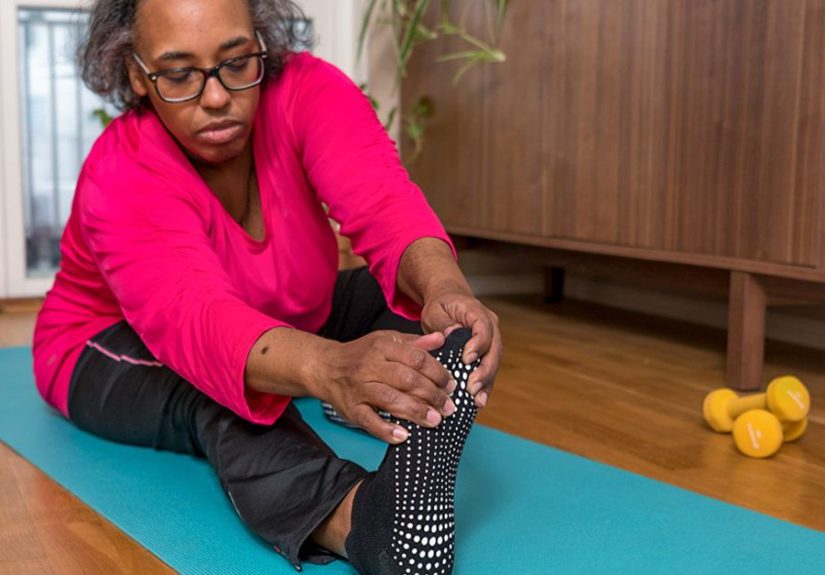
Gentle, consistent stretching can help maintain flexibility and reduce stiffness. Range-of-motion exercises move joints through their available movement to help prevent shortening. The key word is gentle. Aggressive stretching can irritate muscles and make spasticity worse, which is the body’s way of saying, “Absolutely not.”
Strengthening and Functional Training
Weakness often exists alongside spasticity. Strengthening the right muscles can improve control and reduce compensations. Functional training helps people practice real-life movements such as standing, stepping, reaching, grasping, or transferring from a bed to a chair.
Positioning, Splints, and Bracing
Splints and braces may help maintain joint position, support walking, protect skin, reduce contracture risk, or improve hand and foot alignment. An ankle-foot orthosis, for example, may help prevent toe dragging and improve stability during walking.
Medications for Muscle Spasticity
Medication may be used when spasticity causes pain, interferes with function, disrupts sleep, or threatens joint health. Medicines can help relax muscles, but they may also cause side effects such as drowsiness, weakness, dizziness, fatigue, or low blood pressure. The right choice depends on symptoms, medical history, and treatment goals.
Oral Medications
Common oral medications include baclofen, tizanidine, dantrolene, diazepam, and sometimes gabapentin depending on symptoms. Baclofen acts on the spinal cord to reduce spasms and stiffness. Tizanidine may help with spasms, especially when timed around specific activities or nighttime symptoms. Dantrolene acts more directly on muscle. Diazepam may help spasms but can cause sedation and dependence concerns, so it must be used carefully.
Botulinum Toxin Injections
Botulinum toxin injections are often used for focal spasticity, meaning tightness in specific muscles. The medication is injected into overactive muscles to reduce excessive contraction. Effects are temporary, often lasting several months, so repeat injections may be needed. Botulinum toxin can be especially useful for a clenched hand, bent elbow, stiff ankle, or tight calf when only certain muscle groups are causing trouble.
Intrathecal Baclofen Therapy
For severe, widespread spasticity that does not respond well to other treatments, intrathecal baclofen therapy may be considered. This involves a surgically implanted pump that delivers baclofen directly into the spinal fluid. Because the medicine is delivered close to the nervous system, lower doses may be effective compared with oral medication. It is not a cure, but it may reduce severe spasms and make therapy, positioning, or daily care easier.
Advanced Procedures and Surgery
When spasticity is severe, long-lasting, or causing major deformity, specialists may discuss additional procedures. Options may include nerve blocks, phenol injections, tendon lengthening, orthopedic surgery, selective dorsal rhizotomy in selected children with cerebral palsy, or reconstructive procedures for limbs affected by upper motor neuron injury.
Surgery is usually considered after careful evaluation by a rehabilitation specialist, neurologist, orthopedic surgeon, neurosurgeon, or multidisciplinary team. The goal is not simply to “loosen a muscle” but to improve comfort, mobility, positioning, hygiene, or long-term function.
Home Care Tips for Managing Spasticity
Daily habits matter. A person with spasticity may benefit from a regular stretching routine, safe exercise, good hydration, skin checks, comfortable positioning, proper footwear, and consistent follow-up care. Tracking symptoms can help identify patterns. For example, if spasms worsen every evening, treatment timing may need adjustment. If tightness suddenly increases, check for pain, infection, constipation, skin irritation, or equipment problems.
Heat may relax muscles for some people, while cold may calm pain for others. Because responses vary, it is best to ask a clinician what is safe. People with reduced sensation should be especially careful with heat or ice to avoid burns or skin injury.
When to See a Healthcare Provider
Medical evaluation is important if muscle stiffness is new, worsening, painful, affecting walking, interfering with sleep, causing falls, limiting daily activities, or making hygiene difficult. Seek prompt care if spasticity suddenly becomes worse, especially with fever, urinary symptoms, new weakness, severe pain, skin wounds, confusion, or changes after a neurological condition such as stroke or spinal cord injury.
Spasticity can be frustrating, but it is treatable. Early management may help prevent complications such as contractures, pressure injuries, pain cycles, and loss of mobility.
Living With Muscle Spasticity: Real-World Experiences and Practical Lessons
Living with muscle spasticity is not just a medical issue; it is a daily-life issue. The experience can affect how a person gets out of bed, gets dressed, walks across a room, rides in a car, sleeps, exercises, socializes, and plans the day. A calf that tightens unexpectedly may turn a simple walk to the mailbox into a strategic mission. A hand that clenches may make nail care, cooking, or holding a phone surprisingly complicated.
One common experience is unpredictability. A person may feel fairly loose in the morning, then become stiff after sitting too long. Another person may notice that stress, cold weather, lack of sleep, or a minor infection makes spasms worse. This unpredictability can be emotionally tiring. People may feel anxious about going out because they do not know whether their muscles will cooperate. Planning ahead helps: stretching before leaving, wearing supportive shoes, bringing mobility aids, and allowing extra time can reduce pressure.
Another real-world lesson is that treatment usually works best as a combination, not a single magic button. Stretching alone may help mild spasticity, but moderate or severe cases often need several tools working together. A person may use therapy, braces, medication, injections, and home routines. It is a bit like managing a garden: watering once is nice, but weeds do not read memos. Consistency matters.
Communication with the care team is also important. Patients and caregivers should describe what spasticity prevents them from doing. “My leg is tight” is useful, but “my right foot turns in and I trip when I walk to the bathroom at night” gives the clinician a clearer target. Good goals are practical: sleep through the night, open the hand for cleaning, reduce pain during transfers, walk with fewer falls, or fit better into a brace.
Caregivers often experience spasticity toonot in their own muscles, but in the workload it creates. Tight limbs can make dressing, bathing, toileting, and positioning harder. A treatment plan that improves hygiene or reduces painful spasms can improve life for both the patient and caregiver. Caregiver training in safe stretching, transfers, positioning, and skin checks can make home care safer and less stressful.
People living with spasticity often learn to become excellent observers. They notice which chair increases stiffness, which shoes improve walking, which time of day is best for therapy, and which symptoms signal trouble. Keeping a simple symptom diary can help: note spasms, pain, sleep quality, medications, stretching, infections, falls, and triggers. Over time, patterns become easier to spot.
Emotionally, spasticity can be discouraging. It may feel unfair when the body resists basic movement. Support groups, counseling, rehabilitation teams, and patient education can help people feel less alone. Progress may be slow, but small wins count: a hand opens more easily, a transfer becomes safer, a night has fewer spasms, or a walk becomes smoother. In spasticity management, improvement is not always dramatic. Sometimes it is quiet, practical, and deeply meaningful.
Conclusion
Muscle spasticity is a neurological symptom that causes abnormal muscle stiffness, spasms, tightness, and movement difficulty. It can develop after stroke, multiple sclerosis, cerebral palsy, spinal cord injury, traumatic brain injury, and other conditions affecting the brain or spinal cord. While spasticity can be painful and disruptive, it is not something people simply have to “put up with.”
Effective care starts with understanding the cause, identifying triggers, setting realistic goals, and building a treatment plan around the person’s daily life. Physical therapy, occupational therapy, stretching, bracing, medications, botulinum toxin injections, intrathecal baclofen therapy, and surgical options may all play a role. The best treatment is individualized, practical, and regularly adjusted.
If muscle stiffness is affecting comfort, movement, sleep, hygiene, or independence, talk with a healthcare professional. With the right support, many people can reduce symptoms, protect joints, improve function, and make daily life feel less like a wrestling match with their own muscles.