Table of Contents >> Show >> Hide
- Why the Stainless Kettle L – Muji Still Feels So Quietly Brilliant
- What Is the Stainless Kettle L – Muji?
- Design: Minimalism Without Looking Empty
- Capacity: Why the “L” Size Matters
- Material Quality: Why Stainless Steel Makes Sense
- How to Use the Stainless Kettle L – Muji Safely
- Muji Stainless Kettle vs. Electric Kettle
- Cleaning and Maintenance: Keep It Shiny, Not Dramatic
- Who Should Buy the Stainless Kettle L – Muji?
- How It Looks in a Real Kitchen
- Buying Considerations Before You Add to Cart
- of Real-Life Experience: Living With a Muji-Style Stainless Kettle
- Final Verdict: Is the Stainless Kettle L – Muji Worth It?
Note: This article is written for web publishing in standard American English, with SEO-friendly headings, natural keyword usage, and original wording based on verified public product information and reputable kitchen-care references.
Why the Stainless Kettle L – Muji Still Feels So Quietly Brilliant
The Stainless Kettle L – Muji is not the kind of kitchen object that screams for attention. It does not arrive wearing neon silicone, shouting about sixteen “smart” features, or promising to transform your breakfast routine into a lifestyle documentary. Instead, it does something far more Muji: it sits there, clean and calm, looking like it has its taxes filed early.
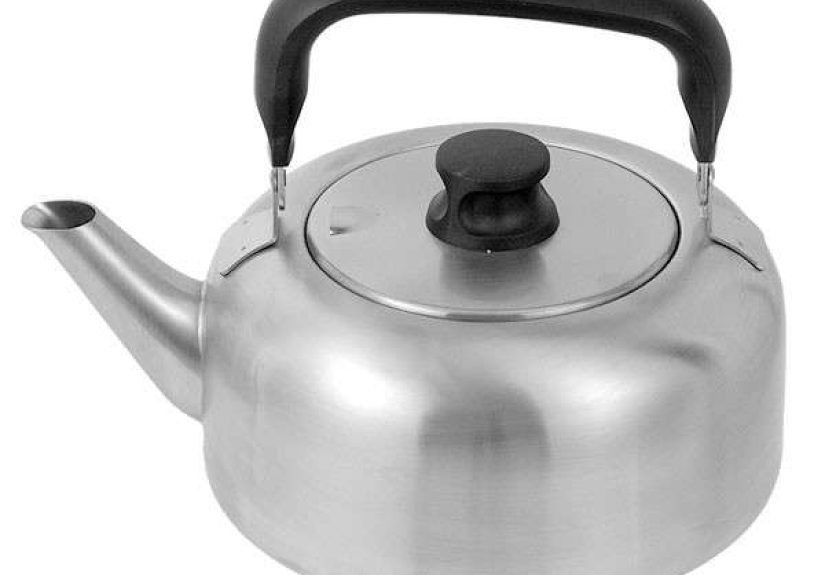
At its heart, the Muji stainless steel kettle is a simple stovetop water kettle designed for people who appreciate useful objects with restraint. It is made primarily from stainless steel, with a phenol resin handle and knob on current related Muji listings, and it follows the brand’s larger design language: minimal shape, practical materials, no unnecessary decoration, and a focus on everyday use. The “L” size has been listed in different markets and design catalogs with large-capacity measurements around 2 liters or more, making it suitable for tea drinkers, pour-over coffee lovers, families, and anyone who believes one cup of hot water is never truly enough.
This is where the kettle earns its place. It is not merely a container that gets hot. It is a daily tool that turns tap water into tea, coffee, oatmeal, instant noodles, lemon water, or a tiny moment of civilization before opening your email inbox. In a kitchen full of gadgets, the Stainless Kettle L – Muji feels refreshingly analog.
What Is the Stainless Kettle L – Muji?
The Stainless Kettle L – Muji is a minimalist stainless steel kettle associated with Muji’s household and kitchenware line. Depending on market availability and listing history, the large version has appeared with capacities around 67.6 fluid ounces, approximately 2 liters, while current Muji USA stainless kettle information lists a large size at 2.7 quarts, or about 2.6 liters. That makes it larger than many compact personal kettles and better suited for households, guests, or repeated refills during a long work session.
The product’s material profile is one of its biggest selling points. Muji’s stainless kettle listings describe a body side plate and lid made with stainless steel containing 18% chromium and 8% nickel, commonly associated with 18/8 stainless steel, while the bottom plate is listed as stainless steel with 18% chromium. The handle and knob are made from phenol resin, a heat-resistant material often used in cookware handles. In plain kitchen language: the kettle is built to look clean, resist corrosion under normal use, and be easier to maintain than more delicate materials like copper, ceramic, or glass.
Key Product Highlights
- Minimalist Muji design with a clean stainless steel finish
- Large capacity suitable for multiple cups of tea or coffee
- Stainless steel body designed for everyday kitchen use
- Phenol resin handle and knob for safer handling
- Simple stovetop format without electronic parts
- Easy to pair with modern, Japanese-inspired, or minimalist kitchens
Design: Minimalism Without Looking Empty
Muji’s design philosophy is often summarized as “no-brand quality goods,” and the Stainless Kettle L is a perfect example of that idea. There is no oversized logo trying to become the star of your countertop. No theatrical curves. No fake vintage styling. It looks like a kettle that went to design school, learned discipline, and decided not to brag about it.
The silhouette is practical. The broad body helps the kettle feel visually grounded, while the stainless steel surface gives it a timeless kitchen presence. It works in a white apartment kitchen, a wood-heavy Japanese-style space, a rental with suspicious cabinets, or a carefully curated shelf where every object seems to whisper, “I was chosen intentionally.”
That quiet versatility is one of the reasons people like Muji kitchenware. The Stainless Kettle L – Muji does not force your kitchen to revolve around it. It blends in, but not in a boring way. It looks considered. In SEO terms, the keyword here is minimalist stainless steel kettle. In human terms, it is simply the kettle that does not ruin the vibe.
Capacity: Why the “L” Size Matters
Capacity is not glamorous, but it matters every single morning. A small kettle is fine if you only make one cup of tea and then float gracefully into your day. But real life often involves two mugs, a French press, a bowl of oats, a guest who says “just a little hot water,” and then somehow needs a full cup. This is where a large kettle earns its counter space.
The large Muji stainless kettle capacity makes it useful for households and frequent hot-water users. It can handle several cups at once, which saves the annoyance of repeated boiling. For tea, that means you can fill a teapot and still have water left for a second mug. For coffee, it can support a pour-over setup, although it is not a dedicated gooseneck kettle. For cooking, it can speed up tasks like preheating water for pasta, blanching vegetables, or making broth-based quick meals.
However, larger is not always automatically better. A bigger kettle can take longer to boil when filled to capacity and may feel heavier when pouring. The smart approach is to fill only what you need. The Stainless Kettle L – Muji gives you flexibility: use a little water for one cup or fill more when the whole household suddenly develops a tea habit.
Material Quality: Why Stainless Steel Makes Sense
Stainless steel is popular in kettles because it is durable, relatively lightweight, easy to clean, and resistant to rust when cared for correctly. Compared with glass, it is less fragile. Compared with copper, it requires less polishing and emotional maintenance. Compared with plastic-heavy kettles, it offers a more traditional and sturdy feel.
The Muji stainless steel kettle uses a simple material combination: stainless steel for the water-contact body and lid, and resin for the handle and knob. This balance is practical. A completely metal handle can become too hot to touch safely, while a resin handle helps improve grip and handling. It is still wise to use care around steam and heat, because boiling water does not care how minimalist your kitchen is.
Stainless steel also fits the visual identity of Muji. It is neutral, long-lasting, and compatible with many interiors. The finish may show fingerprints or water spots, but those are not design failures; they are proof that humans live in the home. A quick wipe usually brings back the clean look.
How to Use the Stainless Kettle L – Muji Safely
Using a stovetop kettle is simple, but simple does not mean careless. Muji’s own care notes for related stainless kettle listings include several important warnings: do not heat the kettle without water, do not fill it to the very edge, avoid sudden cooling after dry heating, and wash and dry it thoroughly after use.
These instructions are not decorative. Heating an empty kettle can damage the metal, affect the finish, and create a safety risk. Overfilling can cause boiling water to spit or overflow. Sudden temperature shock can stress materials. And leaving moisture sitting inside for long periods can encourage mineral buildup or staining, especially in areas with hard water.
Practical Use Tips
- Fill only to a safe level, leaving room for boiling movement.
- Use medium heat rather than blasting the burner like you are launching a rocket.
- Keep the handle away from direct flame when using a gas stove.
- Pour slowly, especially when the kettle is full.
- Empty remaining water after use to reduce mineral deposits.
- Let the kettle cool naturally before cleaning.
Also, check compatibility with your stove before buying. Product details can vary by region and version, and not every stainless kettle works on every heat source. If you use induction, verify the current product listing or packaging before assuming compatibility. The kitchen gods reward people who read labels.
Muji Stainless Kettle vs. Electric Kettle
A natural question is whether you should choose the Stainless Kettle L – Muji or an electric kettle. The honest answer depends on your habits. Electric kettles are convenient, fast, and often include automatic shut-off. Some models offer temperature control for green tea, black tea, or coffee. They are great for desks, dorm-style spaces where allowed, and anyone who wants hot water with minimal stove involvement.
The Muji stainless kettle, however, offers a different kind of satisfaction. It has no cord, no base, no electronics, and fewer parts to fail. It can live on the stovetop or shelf and still look intentional. It is also easier to appreciate as a long-term kitchen object rather than an appliance that may eventually suffer button fatigue.
If you want speed and temperature precision, an electric kettle may win. If you want quiet design, stovetop ritual, larger visual presence, and durable simplicity, the Stainless Kettle L – Muji makes a strong case for itself. It is less “push button, receive boiling water” and more “pause for a minute and participate in your morning.” That may sound romantic for a kettle, but mornings need all the help they can get.
Cleaning and Maintenance: Keep It Shiny, Not Dramatic
One reason stainless steel kitchenware remains popular is that it is generally easy to maintain. Still, stainless steel is not magic. It can develop water spots, limescale, tea stains, discoloration, or mineral rings. None of these automatically mean the kettle is ruined. Usually, it just means your water has minerals and your kettle has been doing its job.
For everyday cleaning, wash the kettle with warm water, mild dish soap, and a soft sponge. Avoid harsh metal scrubbers that can scratch the surface. Dry it thoroughly after washing to help prevent water marks. If fingerprints appear on the outside, a damp cloth followed by a dry towel is often enough.
How to Remove Limescale
If white mineral buildup appears inside, use a gentle descaling method. A common home approach is to simmer or soak a mixture of water and white vinegar, then rinse thoroughly. For lighter buildup, citric acid can also be effective. Always follow the product’s care instructions first, and avoid aggressive cleaners that are not intended for cookware.
The most important habit is consistency. A quick rinse and dry after use can prevent the kind of crusty kettle archaeology that makes future cleaning feel like a weekend project. Your kettle should make tea, not become a mineral museum.
Who Should Buy the Stainless Kettle L – Muji?
The Stainless Kettle L – Muji is best for people who value design restraint, durable materials, and generous capacity. It is especially appealing if your kitchen style leans minimalist, Scandinavian, Japanese-inspired, modern farmhouse, or “I am trying to look organized even though one drawer is full of mystery cables.”
It is also a good match for tea drinkers who make multiple cups, coffee drinkers who need hot water for brewing, and home cooks who like having boiled water ready for recipes. If you frequently host guests, the larger size is helpful. If you live alone and only drink one tiny cup of chamomile every third Wednesday, the large size may be more kettle than you need.
People who want temperature presets, automatic shut-off, or ultra-fast boiling may prefer an electric kettle. People who want a whistle should also check the exact version, because not every minimalist kettle includes a whistle function. Muji’s appeal is simplicity, but simplicity sometimes means fewer features.
How It Looks in a Real Kitchen
On the countertop, the Stainless Kettle L – Muji brings a calm, polished presence. It pairs well with wood cutting boards, ceramic mugs, linen towels, stainless utensils, and white or neutral appliances. It can make even a basic stove area look more deliberate. This is not because the kettle is flashy. It is because good proportions and honest materials have a way of making everything around them behave better.
The stainless finish also reflects light, which can make a small kitchen feel a little brighter. In open shelving, it works as both a tool and a visual anchor. Unlike brightly colored kettles, it does not lock you into a palette. If you change your kitchen towels from beige to blue to “I bought this because it was on sale,” the kettle still matches.
Buying Considerations Before You Add to Cart
Before buying the Stainless Kettle L – Muji, check the current product listing carefully. Muji product availability can vary by country, season, and stock status. The name “Stainless Kettle L – Muji” may appear in design archives, while current Muji USA listings may use slightly different naming such as “Stainless Steel Kettle.” Confirm capacity, dimensions, material details, stove compatibility, return policy, and shipping fees before purchasing.
Also consider your storage space. A large kettle is useful, but it still needs somewhere to live. Measure your cabinet height if you plan to store it away. If you leave it out, make sure the footprint works with your stovetop or counter layout.
Finally, compare it with your actual routine. Do you boil water several times a day? Do you entertain? Do you prefer stovetop tools over electric appliances? Do you like objects that age quietly instead of becoming obsolete? If yes, this kettle belongs on your shortlist.
of Real-Life Experience: Living With a Muji-Style Stainless Kettle
Using a kettle like the Stainless Kettle L – Muji changes the rhythm of a kitchen in a small but noticeable way. It is not dramatic. Nobody walks in and says, “Ah yes, your life is now complete because of this water-boiling vessel.” But after a few days, the kettle becomes part of the choreography. Fill, heat, pour, rinse, repeat. It is the kind of object that slowly becomes invisible because it works.
The first thing you notice is the capacity. With a smaller kettle, you may find yourself refilling constantly, especially if you make tea for more than one person or use hot water for both drinks and cooking. The large Muji kettle feels more relaxed. It gives you enough water for a teapot, a second cup, or a quick kitchen task. That extra capacity is especially useful on weekends, when breakfast somehow expands into coffee, tea, oatmeal, and “Can you make one more cup?”
The second thing is the look. Stainless steel has a way of making a kitchen feel cleaner even when the sink is quietly disagreeing. The Muji design does not compete with your mugs, jars, or cookware. It simply sits there with the confidence of an object that knows it was designed by adults. If your kitchen is small, that matters. Visual clutter makes a small space feel chaotic, while a simple stainless kettle adds function without shouting.
Pouring from a larger kettle takes a little awareness. When it is full, it has weight, so a slow and steady pour feels best. This is not a flaw; it is physics, the ancient enemy of overconfident wrists. The handle design helps, but you still want to respect steam and hot water. After a few uses, the motion becomes natural.
Cleaning is straightforward if you do not ignore it for weeks. Emptying leftover water and letting the inside dry makes a real difference. In hard-water areas, mineral spots can appear quickly, but they are usually easy to manage with routine descaling. A soft sponge, mild soap, and occasional vinegar solution are enough for most homes. The outside may collect fingerprints, but a quick wipe restores the polished look. Stainless steel is forgiving, but it appreciates basic manners.
What makes the Stainless Kettle L – Muji enjoyable is not one spectacular feature. It is the combination of usefulness, quiet beauty, and low maintenance. It feels like the opposite of disposable design. There are no apps, alerts, or unnecessary buttons. It simply helps you make hot water, day after day, while making the kitchen look slightly more composed than it may actually be.
That is the Muji charm. The kettle does not try to turn boiling water into a personality. It just makes a routine feel calmer. For tea, coffee, instant soup, or the sacred late-night mug of “I should probably sleep but here we are,” the Stainless Kettle L – Muji is a dependable companion. It is practical, handsome, and refreshingly free of drama. In modern kitchenware, that is almost a luxury feature.
Final Verdict: Is the Stainless Kettle L – Muji Worth It?
The Stainless Kettle L – Muji is worth considering if you want a minimalist stainless steel kettle with generous capacity, durable everyday materials, and a design that fits effortlessly into modern homes. It is not the most feature-packed option, and it will not replace an electric kettle for people who need automatic shut-off or precise temperature settings. But as a stovetop kettle, it delivers where it matters: clean design, practical volume, easy maintenance, and long-term visual appeal.
For buyers who appreciate Muji’s philosophy of simplicity and usefulness, this kettle feels like a natural extension of the brand. It does not decorate your kitchen so much as refine it. And when an object can boil water, look good, and not demand emotional energy, that object deserves respect.