Table of Contents >> Show >> Hide
- Why “weird jobs” can be a secret acting school
- 1) Brad Pitt Fast-food chicken mascot
- 2) Harrison Ford Carpenter for the rich and (eventually) famous
- 3) Whoopi Goldberg Funeral home makeup artist
- 4) Christopher Walken Lion tamer (yes, really)
- 5) Hugh Jackman Birthday-party clown
- 6) Megan Fox Smoothie shop banana mascot
- 7) Channing Tatum Stripper in Florida
- 8) Danny DeVito Beautician and hairdresser
- 9) Sylvester Stallone Lion cage cleaner
- 10) Steve Martin Disneyland magic shop performer
- What these strange first jobs have in common
- Bottom line
- of Real-World Experiences Inspired by These Before-Fame Jobs
Hollywood loves a “discovered overnight” story. But most careers don’t start with a red-carpet flashthey start with rent due,
a questionable uniform, and a job title that sounds like it was invented during a dare.
Before they were household names, plenty of actors did what the rest of us do: worked whatever gig would keep the lights on.
The difference? Some of these gigs were so strange they sound like deleted scenes from a comedy. And yet, those odd jobs often
taught the exact skills that later made them stars: stamina, timing, people-reading, and the ability to perform under pressure
(sometimes literally while wearing a mascot head).
Why “weird jobs” can be a secret acting school
Acting looks glamorous, but the core skills are surprisingly blue-collar: show up, stay sharp, adapt fast, and connect with humans
you’ve never met. Weird jobs can force those skills to develop quicklybecause the customer is impatient, the boss is watching,
and the costume is… not breathable.
The actors below didn’t just “pay their dues.” They paid them in chicken suits, clown makeup, funeral-home makeup kits, and the kind
of work stories that make your friends say, “Please tell me you’re lying.”
1) Brad Pitt Fast-food chicken mascot
What he did
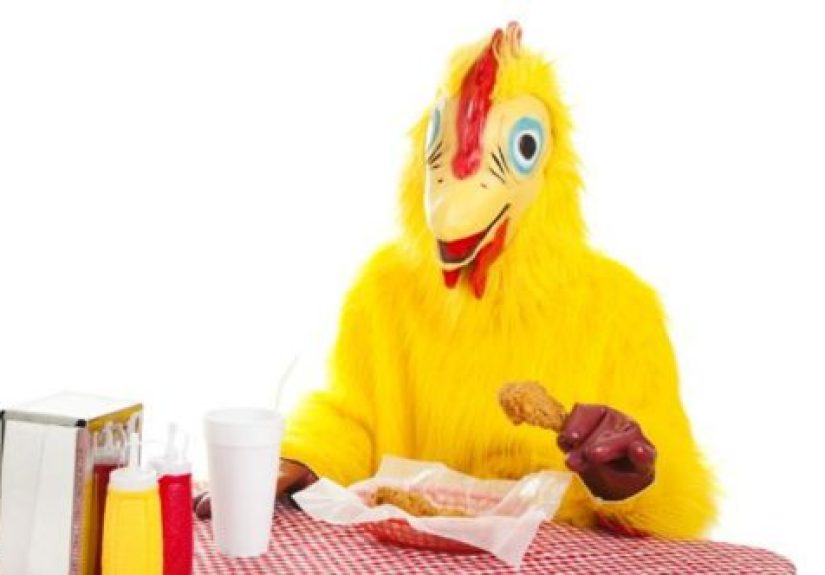
Long before awards-season speeches and leading-man mythos, Brad Pitt took a job promoting a restaurant by dressing as a giant chicken.
Picture it: the sun is out, traffic is crawling, and your professional objective is to flap enthusiastically enough that strangers
decide they suddenly need grilled chicken right now.
Why it’s oddly perfect training
Mascot work is physical comedy with no dialogue. You have to communicate with big gestures, commit to the bit, and keep your energy up
when people honk, laugh, or ignore you completely. It’s basically silent-film actingonly sweatier and with more parking-lot fumes.
If you can sell “delicious chicken” using only body language, you can probably sell “tragic backstory” in a close-up.
2) Harrison Ford Carpenter for the rich and (eventually) famous
What he did
Before he became one of cinema’s most recognizable faces, Harrison Ford worked as a carpenterbuilding and installing woodwork to support
his family. This wasn’t a “weekend hobby” situation. It was real, skilled labor: measurements, tools, deadlines, and clients who definitely
noticed if your door wasn’t perfectly level.
What it taught him
Carpentry rewards patience and precisiontwo traits that matter on film sets where you might shoot the same moment twenty times from different angles.
It also puts you in rooms with people who have connections, whether you planned it or not. Ford’s story is a reminder that “networking”
doesn’t always happen at cocktail parties. Sometimes it happens while you’re literally installing a door.
3) Whoopi Goldberg Funeral home makeup artist
What she did
Before she became a cultural icon, Whoopi Goldberg took a job doing hair and makeup for the deceased at a funeral home. It’s the kind of work
most people can’t imagine doing once, let alone putting on a résumé. It’s quiet, serious, detail-orientedand not exactly the vibe of a stand-up set.
What it taught her
That job demanded calm under pressure and respect for people’s grieftwo skills that translate to powerful performance. It also puts you face-to-face
with life’s biggest emotions: fear, love, loss, and family dynamics. Actors spend careers trying to portray those feelings truthfully; she was observing
them up close in the real world. It’s not “funny,” but it can sharpen empathy like a blade.
4) Christopher Walken Lion tamer (yes, really)
What he did
Christopher Walken has talked about working in a circus as a kid, performing with a lion. If your reaction is “I can’t even keep a houseplant alive,”
you’re not alone. It’s an unforgettable job, and also a pretty strong hint that Walken was never destined for a normal, quiet career in accounting.
What it taught him
Circus work is live performance in its purest form: you’re on, the audience is there, and you cannot “cut” because someone forgot a line.
Add an animal with its own opinions and you learn focus fast. Walken’s on-screen intensity makes more sense when you realize he learned early
how to be fully present, fully committed, and just a little bit unpredictablein the best way.
5) Hugh Jackman Birthday-party clown
What he did
Hugh Jackman once worked as a children’s party clowncomplete with a clown name and the kind of gig that sounds adorable until you remember
children are honest in a way that should be regulated by law.
Why it’s a masterclass in performance
Clowning forces you to read a room instantly. A toddler might love the act; an older kid might stare at you like you’re a glitch in the simulation.
You have to win trust, keep momentum, and recover when something goes wrongbecause something always goes wrong.
If you can hold a chaotic birthday party together, you can handle a film set where the rain machine breaks and the director still wants magic.
6) Megan Fox Smoothie shop banana mascot
What she did
Megan Fox has described working at a smoothie shop where she had to wear a banana costume outside to attract customers.
That’s not “retail,” that’s “human billboard meets tropical fruit.”
What it taught her
Public-facing work teaches you something acting schools can’t: how it feels to be looked at, judged, and reacted to by strangerswhile you’re
trying to stay professional. A costume doesn’t protect you from embarrassment; it sometimes amplifies it. Learning to push through that discomfort
(and keep selling smoothies like your dignity isn’t melting in the sun) is a weird kind of confidence training.
7) Channing Tatum Stripper in Florida
What he did
Channing Tatum has openly talked about working as a stripper when he was youngeran experience that later influenced his work in the
Magic Mike universe. While the job is often sensationalized, he’s described the environment as messy and complicated, not glamorous.
What it taught him
Performance is performance, whether you’re on a soundstage or in a club: confidence, timing, and understanding the audience matter.
But so does the ability to reflect on the experience honestlywhat it was, what it wasn’t, and how it shaped you. Turning a tough, awkward chapter
into art (without pretending it was perfect) is a creative skill all its own.
8) Danny DeVito Beautician and hairdresser
What he did
Danny DeVito’s road to acting ran through beauty school and salon work. He trained as a beautician and worked cutting hairan origin story that
feels wildly on-brand for someone whose career is built on character, confidence, and not caring what anyone thinks.
What it taught him
A salon is theater: people sit down, spill secrets, argue, laugh, and emerge transformed. You learn to talk to anyone, read moods quickly, and keep
the vibe steady even when someone’s having a full emotional spiral because their bangs are “too bang-y.”
That daily practice with human behavior is basically character research with a blow-dryer soundtrack.
9) Sylvester Stallone Lion cage cleaner
What he did
Before Rocky became a symbol of grit, Stallone’s life had its own gritty subplot: he’s spoken about working odd jobs in New York, including
cleaning lion cages at a zoo. It’s not glamorous. It’s physically unpleasant work, and it’s the kind of job that makes you understand exactly why
people dream of doing literally anything else.
What it taught him
Jobs like that don’t just build a “work ethic.” They build urgency. When you’ve done difficult, low-status work and still keep going, you develop a stubborn
resilience that shows up on-screen. Stallone’s brand of determination isn’t just something he actedit’s something he practiced while trying to survive.
10) Steve Martin Disneyland magic shop performer
What he did
Steve Martin worked at Disneyland as a kid/teenselling guidebooks and later doing magic demonstrations in the park’s magic shop.
Imagine learning showmanship in the happiest place on earth while tourists watch you like, “Great trick, kid, now where’s the churro stand?”
Why it’s comedy rocket fuel
Magic and comedy are cousins: both depend on timing, misdirection, and reading an audience. Doing tricks for real people (not a polite classroom)
forces you to develop instinctswhat lands, what doesn’t, and how to recover when a trick fails and your confidence tries to evacuate your body.
Martin’s later styleabsurd, precise, and playfulmakes a lot of sense when you realize he trained in a place built entirely on performance.
What these strange first jobs have in common
Different costumes, different paychecks, same underlying lesson: fame is rarely the first chapter. The “weird job era” teaches:
- Commitment: If you half-commit to a mascot suit, everyone can tell.
- People skills: A salon chair, a party crowd, and a film set all require emotional intelligence.
- Resilience: Rejection hits differently when you’ve also been ignored by drivers while waving a sign in traffic.
- Craft: Whether it’s carpentry or comedy, you get better by doing real work repeatedly.
Bottom line
The next time someone says, “They got lucky,” remember: sometimes “luck” looks like sweating in a banana costume, learning comedy from cranky toddlers,
or building shelves to pay rent while quietly hoping your audition finally sticks.
of Real-World Experiences Inspired by These Before-Fame Jobs
If you’ve ever worked a job that felt “beneath your dream,” you’re basically holding the same ticket a lot of future-famous people heldyou just haven’t
reached the plot twist yet.
Consider the mascot experience. People think it’s silly, but it’s secretly a crash course in confidence. You learn how to exist in public without shrinking.
You learn how to project energy even when you’re tired. You learn that some people will laugh, some will be rude, and some will be unexpectedly kind.
That’s the entertainment industry in miniature: mixed reactions, uncertain outcomes, and the constant need to keep going anyway.
Then there’s “service work theater”restaurants, salons, parties, retail. You start noticing rhythms: who talks to fill silence, who uses humor as armor,
who’s having a bad day and wants the world to pay for it. That observation becomes a toolbox. Later, when you’re building a character, you don’t have to
invent human behavioryou’ve watched it up close while handing over a receipt, fixing a haircut, or keeping a birthday party from turning into a frosting riot.
Some early jobs also teach you how to respect craft. Carpentry, for example, forces you to measure twice and cut once. In creative careers, that becomes
“prepare relentlessly so you can improvise confidently.” When you know your lines and understand the scene, you can take risksbecause your foundation is solid.
And yes, the weirder the job, the better the story. Stories are currency in creative industries. They help you connect with people, stand out in a room,
and remind you that your path is uniquely yours. You don’t have to “sell” your struggle, but you can learn from it: how you handled discomfort,
how you stayed curious, and how you kept your sense of humor.
The most underrated experience, though, is learning to keep your dignity while doing something awkward. That doesn’t mean pretending you love every minute.
It means realizing you’re bigger than the moment. The costume comes off. The shift ends. The résumé grows. And one day, the thing that once felt embarrassing
becomes the evidence that you can do hard thingsconsistently. That’s not just a pre-fame story. That’s a life skill.