Table of Contents >> Show >> Hide
- 1. Swap Wall-to-Wall Carpet for Hard Flooring or Low-Pile Rugs
- 2. Swap Heavy Drapes for Washable Curtains or Roller Shades
- 3. Swap Overstuffed Upholstery for Easy-to-Clean Furniture
- 4. Swap Piles of Throw Pillows for a Few Washable, Hypoallergenic Ones
- 5. Swap Standard Bedding for Allergen-Proof Covers and Lightweight Layers
- 6. Swap Open Shelves and Knickknacks for Closed Storage and Clean Lines
- 7. Swap High-Maintenance Houseplants for Allergy-Friendly Options
- 8. Swap Fragranced Decor for Low-VOC, Unscented Alternatives
- 9. Swap “Invisible” Air Cleaning for Stylish HEPA Purifiers
- 10. Swap Pet-Friendly “Anywhere” Rules for Washable, Designated Pet Zones
- Bonus Tips: Cleaning Habits That Match Your New Decor
- Real-Life Experiences: How Small Decor Swaps Can Change Allergy Season
- Conclusion
If spring, fall, and even random Tuesdays make you sneeze, your home decor might be quietly teaming up with pollen, dust mites, and pet dander. Seasonal allergies aren’t just about what’s blooming outsideyour sofa, curtains, and rugs can act like tiny allergen hotels with very flexible check-out policies.
The good news? You don’t have to strip your house bare or live in a sterile lab. A few smart, allergy-friendly decor swaps can help reduce indoor allergens and make your rooms look better at the same time. Below are 10 small decor changes inspired by recommendations from allergy specialists and indoor air–quality experts that can support your seasonal allergy management at home.
Quick reminder: these are lifestyle and decor ideas, not medical treatment. If your allergies are severe or you’re considering new medications or immunotherapy, talk with a healthcare professional or allergist for personalized guidance.
1. Swap Wall-to-Wall Carpet for Hard Flooring or Low-Pile Rugs
Carpet can feel cozy, but to allergens, it’s basically a luxury resort. Dust mites, pet dander, pollen, and even mold spores can settle deep into fibers and hang out long after allergy season “ends.” That’s why organizations like Mayo Clinic and major allergy groups often recommend hard flooringlike wood, tile, or vinylover wall-to-wall carpet, especially in bedrooms.
If ripping out your carpet isn’t in the budget right now, you can still make an allergy-friendly decor swap:
- Choose low-pile carpets instead of thick, fluffy ones.
- Use washable area rugs that you can toss in the washing machine.
- Pair rugs with a vacuum that has a HEPA filter to help capture tiny particles instead of blowing them back into the room.
You’ll still get that soft-underfoot feel, but with fewer hidden sneeze triggers.
2. Swap Heavy Drapes for Washable Curtains or Roller Shades
Those thick, dramatic drapes might look like something out of a period drama, but they’re also dust magnetsespecially if they’re “dry-clean only,” which realistically means “almost never cleaned.” Allergy experts often suggest ditching heavy fabrics in favor of washable curtains or simple roller shades that you can wipe down.
Allergy-friendly window treatments to consider:
- Plain cotton or tightly woven synthetic curtains you can machine-wash regularly.
- Roller shades or wipeable blinds instead of horizontal blinds with lots of slats.
- Lighter colors that show dust faster (annoying, yesbut a great reminder to clean before your sinuses protest).
Set a reminder to wash or wipe your window treatments every month during peak allergy seasons to keep them from becoming pollen billboards.
3. Swap Overstuffed Upholstery for Easy-to-Clean Furniture
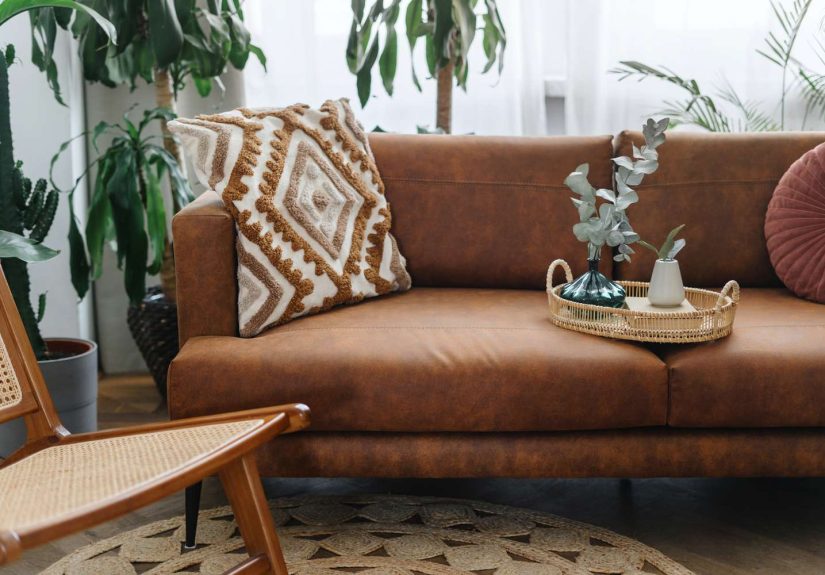
Deep, plush fabric sofas are comfortable, but they also love to hoard dust mites and pet dander. Allergy resources often recommend smooth, wipeable surfaces like leather, faux leather, vinyl, wood, or metal for people with indoor allergies.
Some simple decor-friendly swaps:
- Choose a leather or faux-leather sofa instead of a heavily textured fabric one.
- Use wood or metal side chairs with washable cushions instead of fully upholstered chairs.
- Add style with washable throws and pillow covers instead of fixed, non-removable fabric surfaces.
You can still have a cozy, layered lookjust make most of the “soft stuff” removable and washable.
4. Swap Piles of Throw Pillows for a Few Washable, Hypoallergenic Ones
If your couch has more throw pillows than actual seating space, your decor might be sabotaging your sinuses. Extra pillows collect dust, dander, and pollen, especially if they’re rarely washed.
Instead of a mountain of cushions, try this allergy-conscious approach:
- Keep just a few pillows with removable, washable covers.
- Look for hypoallergenic pillow inserts instead of down/feather if those trigger your symptoms.
- Wash covers and throws in hot water regularlyat least once or twice a month, and weekly if your allergies are severe.
You’ll spend less time fluffing and more time breathing comfortably.
5. Swap Standard Bedding for Allergen-Proof Covers and Lightweight Layers
Your bed is prime real estate for dust mitesthey love warm, humid, skin-cell-rich environments (sorry, but it’s true). That’s why allergy organizations strongly recommend dust-mite-proof covers for pillows, mattresses, and box springs, plus frequent hot-water washing of bedding.
To make your bedding more allergy-friendly without sacrificing style:
- Use zippered allergen-proof encasements on pillows and mattresses.
- Switch to tightly woven cotton or microfiber sheets and duvet covers.
- Choose a simple, washable quilt or duvet instead of a bulky comforter that rarely sees the washer.
- Wash sheets and pillowcases weekly in hot water (around 130°F, if your fabric allows).
Your bedroom can still look luxurious, just with textiles that are actually clean under the surface.
6. Swap Open Shelves and Knickknacks for Closed Storage and Clean Lines
Minimalism isn’t just a decor trendit’s also an allergy strategy. Cluttered surfaces, open bookshelves, and collections of tiny decor objects all trap dust and are harder to clean thoroughly. Indoor allergen guides often recommend keeping surfaces clean and uncluttered to reduce dust accumulation.
Try these small swaps:
- Replace open shelves with closed cabinets or glass-front doors to keep dust off your stuff.
- Group decor items into one or two simple vignettes instead of spreading knickknacks everywhere.
- Use smooth, wipeable surfaces for coffee tables and sideboards so dusting is faster and more effective.
Your home will look calmerand your tissues might finally get a break.
7. Swap High-Maintenance Houseplants for Allergy-Friendly Options
Plants can make a room feel alive, but some plants and potting setups can raise humidity or grow mold in the soil. Allergy resources sometimes suggest rehoming potted plants or covering soil with gravel to help limit mold growth.
Instead of giving up greenery altogether, you can:
- Choose lower-pollen houseplants and avoid strongly fragrant varieties if scents bother you.
- Cover potting soil with aquarium gravel or decorative stones to minimize mold growth.
- Place plants away from beds and seating areas where your face is close to leaves and soil.
- If needed, use high-quality faux plants as decorjust remember to dust them regularly.
You still get the visual “freshness” of greenery without turning your living room into a botanical sneeze lab.
8. Swap Fragranced Decor for Low-VOC, Unscented Alternatives
Seasonal allergies and scent sensitivity sometimes overlap. Strongly fragranced candles, plug-in air fresheners, and certain cleaning products can irritate already-inflamed nasal passages, even if they’re not traditional allergens.
To keep your decor gentle on your airways, try:
- Using unscented or naturally scented candles (like simple beeswax) instead of heavily perfumed ones.
- Choosing low-VOC paints and finishes when you redecorate.
- Freshening rooms with open windows and air purifiers rather than plug-ins or sprays, when outdoor pollen levels are reasonable for you.
The vibe is still cozy and invitingjust less likely to make your nose stage a protest.
9. Swap “Invisible” Air Cleaning for Stylish HEPA Purifiers
Air purifiers used to scream “clinical,” but many newer models double as sleek decor pieces. Allergy and indoor air-quality resources frequently recommend HEPA-filter air purifiers to help capture airborne allergens like pollen, pet dander, and dust mite debris.
Instead of hiding your purifier in the corner, treat it like functional decor:
- Pick a purifier with a design that matches your styleminimalist white cylinder, matte black cube, or even wood-trimmed.
- Place it in high-use rooms like the bedroom and living room, where clean air benefits you most.
- Use its shape to visually balance other elements, like a floor lamp or plant stand.
It’s the rare decor item that actually pulls allergens out of your air instead of adding more surfaces to dust.
10. Swap Pet-Friendly “Anywhere” Rules for Washable, Designated Pet Zones
We love them, but pets bring dander, saliva, and sometimes tracked-in pollen along with the cuddles. Allergy experts note that pet allergens can trigger symptoms even with brief exposure.
Instead of banning your pet from the living room (which feels emotionally illegal), try decor-led changes:
- Use washable pet beds and blankets that match your color scheme so you can launder them frequently.
- Place beds away from air vents to keep dander from circulating as much.
- Make your bedroom a mostly pet-free zone, using decor to reinforce the boundarylike a stylish pet bed just outside the door.
You still get to spoil your furry friend, but with fewer allergy flare-ups every time they share the sofa.
Bonus Tips: Cleaning Habits That Match Your New Decor
Decor swaps work best when they’re paired with sensible cleaning habits. Indoor allergen guidelines consistently emphasize the combo of easier-to-clean surfaces plus regular maintenance: vacuuming with a HEPA filter, damp dusting instead of dry, and washing textiles in hot water help keep allergens in check.
Think of it this way: you’re not just decoratingyou’re designing a home that supports your health.
Real-Life Experiences: How Small Decor Swaps Can Change Allergy Season
It’s one thing to read advice, and another to imagine what it looks like in real life. Here are a few common patterns people often notice when they start making allergy-friendly decor changes (based on shared experiences and what allergy specialists report seeing in practice):
From Fuzzy Rug to “Wow, I Can Breathe”
Imagine someone who wakes up every spring with a stuffy nose, itchy eyes, and a mysterious morning cough. They finally connect the dots: their bedroom has wall-to-wall carpet, a shaggy bedside rug, heavy curtains, and piles of decorative pillows. In other words, peak dust-mite heaven.
They don’t remodel the entire room, but they do make a few key decor swaps:
- They replace the shaggy rug with a low-pile washable runner.
- The heavy, dark drapes become light cotton curtains they can wash every few weeks.
- They pare down to two pillows with allergy-proof encasements.
Is it a cure? No. But they start noticing fewer “I woke up feeling like I slept in a dust cloud” mornings. Their allergy medication still mattersbut the room no longer fights against it.
The “Minimalist by Necessity” Living Room
Another common example: a family that loves cozy decorblankets draped everywhere, baskets full of extra pillows, stacks of books and candles on every surface. When one family member’s allergies escalate, they slowly shift toward a simpler layout.
They keep the cozy feeling but make subtle changes:
- Blankets get folded and stored in a closed cabinet instead of all over the room.
- The coffee table vignette shrinks from ten objects to three: a tray, a vase, and one decorative item.
- A sleek HEPA air purifier joins the decor near the sofa.
Cleaning goes from a half-day event to a quick 15-minute reset, and dust buildup is noticeably lower. The living room still feels like “home”just a version that’s kinder to sensitive sinuses.
Bedroom Boundaries with Pets
Pets are emotionally non-negotiable for many people, even when allergies are involved. A realistic middle ground often looks like this:
- The pet gets a design-forward, washable bed in the living room that actually matches the furniture.
- Owners keep a lint roller and small vacuum handy for upholstery.
- The bedroom becomes a mostly pet-free zone, styled as a calm, low-textile space with smooth surfaces and simple, washable bedding.
Over time, they may notice fewer nighttime symptoms and less waking up with itchy eyes or a stuffy nose. The pet is still part of the family, but the decor helps create healthier boundaries.
What These Experiences Have in Common
Across these scenarios, the theme is the same: the most effective changes are often small, repeatable, and realistic. People don’t usually flip their entire house in one weekend. They pick one roomoften the bedroommake a few strategic decor swaps based on allergy guidance, and then build from there.
If you’re managing seasonal allergies, you don’t have to choose between a beautiful home and breathable air. Start with one or two of the swaps above, see how you feel over a few weeks, and use that as your personal “A/B test” for future changes. And again, if symptoms are severe or persistent, loop in a doctor or allergistthey can help you pair medical treatment with environment tweaks for the best results.
Conclusion
Seasonal allergies can make your own home feel like enemy territorybut thoughtful decor swaps can shift things in your favor. By trading high-maintenance textiles for washable ones, embracing hard flooring and smooth surfaces, simplifying accessories, and treating tools like air purifiers and allergen-proof bedding as part of your design, you can create a space that supports both your style and your sinuses.
Will a new curtain panel magically erase your allergies? No. But a series of small, smart changes can lower the allergen load in your home and make your other treatments work better. That’s a win for your nose, your eyes, and your decor.