Table of Contents >> Show >> Hide
- What Is Melatonin, Exactly?
- 1. Get Bright Morning Sunlight
- 2. Soak Up Natural Daylight (Not Just in the Morning)
- 3. Dim the Lights 1–2 Hours Before Bed
- 4. Put Your Screens on a Melatonin Diet
- 5. Turn Your Bedroom into a Dark “Sleep Cave”
- 6. Keep Your Bedroom Cool and Comfortable
- 7. Eat Melatonin-Rich Foods
- 8. Add Tryptophan and Magnesium to Your Evening Plate
- 9. Move Your Body (But Not Right Before Bed)
- 10. Stick to a Consistent Sleep–Wake Schedule
- 11. Create a Calming Wind-Down Routine
- 12. Cut Back on Evening Caffeine, Heavy Meals, and Alcohol
- 13. Use Melatonin Supplements Wisely (and Talk to Your Doctor)
- 14. Protect Your Circadian Rhythm When Traveling or Working Nights
- Real-Life Experiences: What It’s Like to Work on Your Melatonin
- The Bottom Line
If you’ve ever stared at the ceiling at 2 a.m. wondering why your brain won’t “power down,” you’ve already met melatonin or at least, the awkward silence it leaves when it doesn’t show up. Melatonin is your body’s main sleep hormone, and when you support it, falling asleep feels less like a battle and more like… well, something your body just knows how to do.
The good news: You don’t have to live at the pharmacy to boost melatonin. Many small habits throughout your day and evening can help your body make and release this hormone more effectively. Below are 14 science-backed ways to increase melatonin naturally (plus smart, careful use of supplements), along with practical tips you can start tonight.
What Is Melatonin, Exactly?
Melatonin is a hormone made mostly in the pineal gland in your brain. Its production is tightly linked to light: levels stay low during the day, then rise in the evening as it gets dark, telling your body, “Hey, it’s bedtime soon.” This rhythm helps keep your internal clock your circadian rhythm in sync with the day–night cycle.
When light exposure, diet, stress, or irregular schedules disrupt that rhythm, melatonin production can drop or shift at the wrong times. That’s when falling asleep and staying asleep can start to feel harder than it should.
1. Get Bright Morning Sunlight
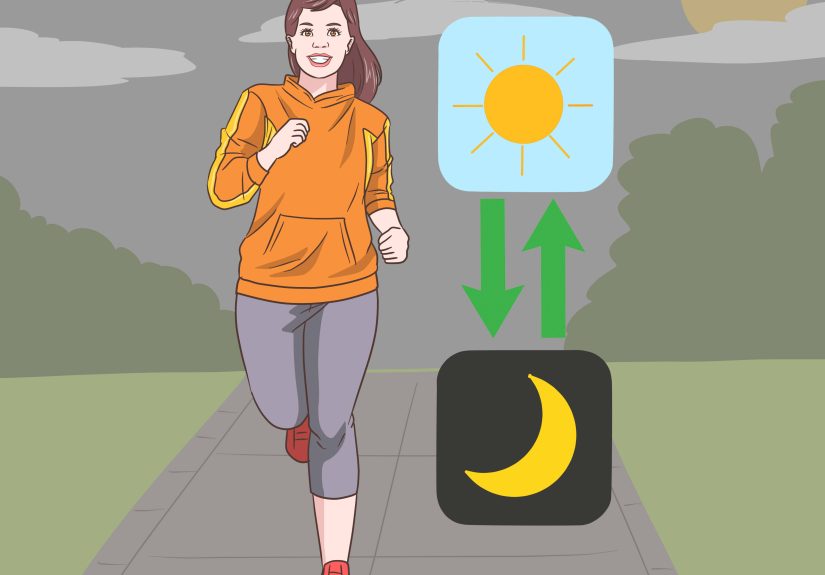
It sounds backwards, but one of the best ways to increase melatonin at night is to get plenty of light in the morning and daytime. Bright light early in the day helps “set” your circadian clock so your brain knows when to start raising melatonin later in the evening.
- Aim for 15–30 minutes of outdoor light within an hour of waking.
- Even on cloudy days, outdoor light is far brighter than indoor lighting.
- If you’re stuck inside, sit near a bright window while you work or eat breakfast.
Think of it like stamping your internal clock: bright light by day, darkness by night. That contrast is what encourages healthy melatonin rhythms later on.
2. Soak Up Natural Daylight (Not Just in the Morning)
Morning light is great, but your melatonin system also pays attention to how much daylight you get overall. Spending most of your day under dim indoor lighting can confuse your body’s sense of time and flatten that day–night contrast your brain relies on.
Whenever possible:
- Take phone calls or short breaks outdoors.
- Open blinds widely and move your workspace closer to a window.
- Eat lunch where you can see daylight instead of in a dark room.
The more your body clearly registers “daytime,” the more clearly it understands “nighttime,” which is when melatonin needs to peak.
3. Dim the Lights 1–2 Hours Before Bed
Just as bright light (especially overhead lighting) tells your brain to stay alert, dim light in the evening tells your brain it’s safe to start releasing melatonin. Many people keep their homes as bright at 9 p.m. as they are at 9 a.m., and then wonder why their brain refuses to get sleepy.
Easy fixes:
- Switch on lamps instead of ceiling lights after dinner.
- Use warmer, low-watt bulbs in bedrooms and living rooms.
- Consider dimmer switches or smart bulbs that shift to a softer glow at night.
Think “cozy cabin,” not “operating room.” Your melatonin will thank you.
4. Put Your Screens on a Melatonin Diet
Phones, tablets, laptops, and TVs give off a lot of blue light the same type of light signal your brain interprets as daytime. In the hour or two before bed, that blue light can significantly suppress melatonin and delay your natural sleep time.
Try this at night:
- Aim to stop scrolling, gaming, or emailing at least 60–90 minutes before bedtime.
- Use “night mode” or blue light filters on devices in the evening.
- If you absolutely must use screens late, consider blue-light–blocking glasses and keep brightness as low as possible.
If “no screens after 9 p.m.” sounds unrealistic, start with 15–20 minutes of tech-free time before bed and gradually expand the window as you see benefits.
5. Turn Your Bedroom into a Dark “Sleep Cave”
Melatonin doesn’t just care about when you fall asleep; it also responds to light while you’re sleeping. Light leaking in from street lamps, hallway lights, or that one bright clock display can signal your brain to dial melatonin down.
To create a melatonin-friendly sleep environment:
- Use blackout curtains or shades if you live in a bright neighborhood.
- Remove or cover glowing electronics and bright alarm clocks.
- Consider a comfortable eye mask if you can’t fully control room light.
- If you need a night light, choose a dim red or amber one instead of bright white or blue.
Darkness doesn’t just feel relaxing it’s a biological cue that tells your brain, “Keep that melatonin coming.”
6. Keep Your Bedroom Cool and Comfortable
Melatonin is tied to your body’s temperature regulation. As melatonin rises at night, your core body temperature naturally drops slightly, helping you feel drowsy. Sleeping in a hot, stuffy room can work against that process and lead to lighter, more fragmented sleep.
Simple tweaks:
- Most adults sleep best in a cool room (often in the mid-60s °F, but your comfort matters most).
- Use breathable bedding and pajamas think cotton or bamboo vs. heavy synthetics.
- Use a fan or adjust the thermostat if possible.
When your environment supports that gentle nighttime temperature drop, your melatonin system can do its job more effectively.
7. Eat Melatonin-Rich Foods
It’s not just about light some foods naturally contain melatonin too. While they won’t knock you out instantly like a sleeping pill, incorporating them into your regular diet, especially in the evening, may support melatonin levels over time.
Melatonin-containing foods include:
- Tart cherries and unsweetened tart cherry juice
- Nuts like pistachios and almonds
- Milk and dairy products
- Eggs and certain types of fish
- Whole grains like oats and rice
Try a small snack such as a handful of pistachios, a glass of warm milk, or a little tart cherry juice in the evening just keep portions modest so your digestion doesn’t interfere with sleep.
8. Add Tryptophan and Magnesium to Your Evening Plate
Melatonin production is influenced by other nutrients, especially the amino acid tryptophan (a building block for serotonin, which in turn helps form melatonin) and the mineral magnesium (which supports relaxation and healthy nerve function).
Evening-friendly sources include:
- Tryptophan: turkey, chicken, fish, tofu, cheese, eggs, pumpkin seeds, peanuts, quinoa.
- Magnesium: leafy greens (like spinach), avocados, bananas, nuts and seeds, whole grains, beans.
A balanced dinner with lean protein, veggies, and whole grains plus a small, light snack later if needed gives your body the raw materials it needs to naturally support melatonin and other sleep-related chemicals.
9. Move Your Body (But Not Right Before Bed)
Regular exercise is linked with better sleep quality and can enhance the effects of natural sleep hormones, including melatonin. The key is timing and intensity: a vigorous workout right before bed may rev you up instead of calming you down.
Helpful guidelines:
- Aim for at least moderate activity most days walking, cycling, swimming, dancing, etc.
- Try to finish more intense exercise at least 3 hours before bedtime.
- Gentle yoga or stretching closer to bedtime is usually fine and can be relaxing.
Think of exercise as a “daytime reset” that helps your body build the pressure to sleep and makes melatonin’s nighttime signal more effective.
10. Stick to a Consistent Sleep–Wake Schedule
Your body loves routine. Going to bed and waking up at drastically different times each day can confuse your internal clock and throw off melatonin release. Shift work, late-night weekends, or frequent time zone changes can all contribute to “social jet lag.”
To stabilize melatonin production:
- Pick a target bedtime and wake-up time and stick close to them even on weekends.
- Avoid big swings (“I’ll catch up on sleep Saturday by sleeping until noon”).
- If you need to adjust your schedule, do it gradually in 15–30 minute increments over several days.
Consistency trains your brain to start raising melatonin at predictable times, so sleep feels more automatic and less like a guessing game.
11. Create a Calming Wind-Down Routine
Melatonin is not an on–off switch you flip the second you crawl into bed. Your brain needs a buffer zone between “day mode” and “sleep mode.” A predictable, relaxing pre-bed routine teaches your body that the day is wrapping up and it’s time to let melatonin take the lead.
Try combining a few of these for 20–45 minutes before bed:
- Take a warm shower or bath.
- Read a physical book or magazine (nothing too thrilling).
- Practice deep breathing, meditation, or gentle stretching.
- Listen to calming music, white noise, or nature sounds.
- Sip a non-caffeinated herbal tea if your stomach tolerates it.
The goal isn’t to make yourself sleepy on command, but to create an environment where melatonin can rise without competition from stress and stimulation.
12. Cut Back on Evening Caffeine, Heavy Meals, and Alcohol
Even if certain habits don’t directly change melatonin levels, they can easily drown out melatonin’s signals to sleep.
- Caffeine: It can linger in your system for hours. Try to avoid coffee, strong tea, energy drinks, and large amounts of dark chocolate in the afternoon and evening.
- Heavy or spicy meals late at night: Digestive discomfort can keep you awake, overriding melatonin’s “time to sleep” message.
- Alcohol close to bedtime: It might make you feel drowsy at first, but it fragments sleep later in the night and can interfere with healthy sleep stages.
You don’t have to be perfect, but dialing these back in the evening makes it easier for melatonin to do its job instead of fighting an uphill battle.
13. Use Melatonin Supplements Wisely (and Talk to Your Doctor)
Melatonin supplements are widely available and often used for jet lag, shift work, or short-term sleep issues. Research suggests they can help some people fall asleep a bit faster, especially when circadian timing is off. However, they are not a cure-all and should be used thoughtfully, ideally under medical guidance.
Key safety points:
- More is not always better higher doses can cause side effects like morning grogginess, headache, or vivid dreams.
- Timing matters. Melatonin is usually more effective when taken before your desired bedtime, not right at the moment you want to fall asleep.
- Melatonin can interact with certain medications (for example, blood thinners, immune-modulating drugs, seizure medications, and others).
- Long-term, high-dose use hasn’t been well studied, so caution is wise.
Because supplements are less tightly regulated in many countries, including the United States, it’s smart to choose brands that use third-party testing and to discuss dosing and timing with a health care professional who knows your medical history.
Think of supplements as a small assist to your body’s own melatonin system, not a replacement for healthy sleep habits.
14. Protect Your Circadian Rhythm When Traveling or Working Nights
Jet lag and shift work are basically “melatonin chaos generators.” When your light exposure and sleep–wake times suddenly change, your internal clock and melatonin production need time to catch up.
If you’re changing time zones or working nights:
- Use light strategically. Seek bright light when you need to be awake and avoid bright light when you’re trying to shift toward sleep.
- Consider a gradual schedule shift before a big trip, moving your bedtime and wake time a little earlier or later each day if possible.
- Talk with a doctor about whether short-term melatonin supplementation could be appropriate to help with the transition.
- Maintain consistent timing for meals and movement once you arrive or settle into a new schedule those cues also influence your body clock.
Managing light and timing intentionally can help melatonin “relearn” when to rise and fall, instead of leaving your sleep schedule entirely at the mercy of time zones and work shifts.
Real-Life Experiences: What It’s Like to Work on Your Melatonin
It’s one thing to read about melatonin and circadian rhythms; it’s another to apply those ideas in real life, where you also have late emails, early kids, and a streaming queue that mysteriously gets longer every week. Here’s what it often looks like when people actually try to increase melatonin in everyday life the wins, the hiccups, and the “oh wow, that actually worked” moments.
Many people start with screens, because that’s the habit they feel the most. Someone might notice they’re doomscrolling in bed every night, exhausted but wired. They decide to experiment: phone goes on the charger in the kitchen at 9:30 p.m., and a paperback book or puzzle takes its place. The first night feels strange almost boring. But after a few evenings, they realize they’re getting sleepy closer to their chosen bedtime, and they don’t lie awake replaying TikToks in their heads. Melatonin didn’t magically appear out of nowhere; they simply stopped sending their brain the “it’s daytime” signal at 11 p.m.
Others come at it from the “morning light” angle. A person who usually rolls out of bed and heads straight to their laptop might start walking around the block for 10–15 minutes each morning. They’re not power-walking, just moving and letting their eyes get full daylight. They don’t necessarily feel different on day one. But after a week or two, they notice that bedtime is a bit more predictable; instead of a random crash at midnight one day and 9 p.m. the next, their sleepiness shows up more consistently around the same time each evening. That’s their internal clock and melatonin rhythm getting more stable.
Changing food habits can bring subtle but important shifts, too. Someone who used to rely on heavy late dinners and sugary desserts might experiment with an earlier, lighter meal and a small, sleep-friendly snack later maybe a little tart cherry juice with a handful of nuts or some yogurt. It’s not a sedative, but it pairs nicely with an evening routine, and they often find their digestion is calmer and it’s easier to stay asleep once melatonin kicks in.
There are also people who try a bit of everything at once: new blackout curtains, a stricter caffeine cut-off time, a warm shower before bed, and a consistent wake-up time. They might feel frustrated if the first couple of nights don’t deliver perfect sleep, but sleep systems usually respond over days and weeks, not hours. As they keep going, they notice fewer middle-of-the-night wake-ups, or that when they do wake, they drift back to sleep more easily. That’s the power of aligning many small habits with how melatonin naturally works, instead of fighting it.
For some, melatonin supplements become part of the story often around travel or shift changes. A person who flies across several time zones for work might take a low-dose melatonin tablet at the new local bedtime for a few nights, while also seeking bright morning light outdoors. They’re careful not to drive or operate anything risky if they feel groggy, and they keep their doctor in the loop. Over a few days, their sleep schedule settles, and they taper off the supplement while maintaining those light and schedule habits. The supplement gave their internal clock a nudge, but the lifestyle cues did the long-term heavy lifting.
What all of these experiences have in common is this: increasing melatonin usually isn’t about one dramatic change. It’s about stacking a handful of doable, repeatable habits that all send the same message to your brain “daytime is for light and activity, nighttime is for dark and rest.” When you give your melatonin system that clear, consistent story, you’re not forcing yourself to sleep. You’re finally working with your biology instead of negotiating with it at 1 a.m.
The Bottom Line
Melatonin isn’t a magic sleep potion, but it is a powerful messenger that tells your body when to wind down. You can support it in many ways: by managing light exposure, eating sleep-supportive foods, keeping a consistent schedule, moving your body, and creating calming nightly rituals. Supplements can play a careful, short-term role for some people, especially under professional guidance, but everyday habits do most of the long-term work.
If you struggle with ongoing insomnia, loud snoring, breathing pauses during sleep, or if you rely heavily on sleep medications or high-dose melatonin, it’s important to talk with a health care provider or sleep specialist. They can help rule out underlying sleep disorders and create a plan tailored to you. Meanwhile, these melatonin-friendly habits are a gentle, low-risk way to start giving your body the signals it needs for better rest.