Table of Contents >> Show >> Hide
- What a Refrigerator Drip Pan Does (and Why It Gets Gross)
- Before You Start: Find Your Drip Pan Without Starting a Wrestling Match With Your Fridge
- Supplies You’ll Want (Pick Based on the Method)
- Method 1: The “Quick Refresh” Clean (Best for Light Odor or Mild Grime)
- Method 2: The “Remove and Soak” Clean (Best for Sticky Gunk and Built-Up Film)
- Method 3: The “Deep Sanitize & Deodorize” Clean (Best for Mold, Slime, or Serious Odor)
- How Often Should You Clean a Refrigerator Drip Pan?
- Keep It Cleaner Longer: Prevention Tips That Actually Work
- When to Call a Pro (or at Least Stop DIY-ing for a Minute)
- Conclusion: Pick the Right Method and Your Fridge Will Stop Being Dramatic
- Real-World Experiences (): What People Usually Run Intoand What Actually Helps
Your refrigerator works hard: it chills your food, makes ice, and quietly collects moisture like a tiny indoor rainstorm.
That moisture has to go somewhereso it drips into a hidden part called the refrigerator drip pan
(also called a drain pan or defrost pan). Most of the time, it’s a “set it and forget it”
situation… until your kitchen starts smelling like a swamp auditioning for a reality show.
The good news: cleaning a refrigerator drip pan is usually simple, doesn’t require fancy tools, and can fix
lingering odors and mystery funk fast. Below are three effective methodsfrom quick refresh to deep
decontaminationplus prevention tips so you don’t have to do this again anytime soon.
What a Refrigerator Drip Pan Does (and Why It Gets Gross)
During normal operation, refrigerators create condensation and defrost water. That water travels down a drain tube and
collects in the drip pan near the bottom of the fridgeoften close to the compressorwhere heat helps it evaporate.
Ideally, the pan never needs “emptying” because it dries out on its own.
But real life happens. Dust, pet hair, food residue, and moisture can turn that pan into a cozy hangout for mildew and
odor-causing bacteria. If the defrost drain gets partially clogged, extra water can sit longer than it should. That’s when
you may notice:
- Musty or sour odors that seem to come from nowhere
- Water on the floor near or under the fridge
- Sticky gunk or dark slime in the pan
- Extra condensation inside the fridge (sometimes linked to drainage issues)
Cleaning the drip pan is a great first stepbut if it keeps getting nasty quickly, you’ll also want to check the drain
hole and drain tube (don’t worry, we’ll cover that).
Before You Start: Find Your Drip Pan Without Starting a Wrestling Match With Your Fridge
Drip pan access depends on your refrigerator model. Some pans slide out from the front behind a kick plate (toe grille).
Others are accessed from the back behind a small panel. And some are non-removable, meaning you clean them
in place.
Quick safety checklist
- Unplug the refrigerator (you’ll be near electrical components and moving parts).
- Wear glovesdrip pan “soup” is not a hand lotion.
- Open windows or use a fan if you’re using strong cleaners.
- Never mix bleach with vinegar or ammonia (dangerous fumes).
- Put towels or a baking tray under the work area to catch drips.
How to locate it fast
- Check the front bottom of the fridge for a removable grille/kick plate.
- If nothing’s there, look behind the fridge for a small access panel near the bottom.
- If you still can’t find it, consult your owner’s manual for “drip pan,” “drain pan,” or “defrost pan.”
Supplies You’ll Want (Pick Based on the Method)
- Warm water
- Dish soap
- White vinegar
- Baking soda
- Soft scrub brush or old toothbrush
- Microfiber cloths or paper towels
- Bucket or shallow tub (for soaking)
- Optional: hydrogen peroxide (3%), enzyme cleaner, or diluted bleach for heavy mold
- Optional: turkey baster or squeeze bottle for flushing the drain
Pro tip: Avoid abrasive pads that can scratch plastic pans. Scratches make it easier for grime to cling next time.
Method 1: The “Quick Refresh” Clean (Best for Light Odor or Mild Grime)
If your drip pan isn’t full of sludgecongrats. This method is for routine refrigerator drip pan cleaning
when things are just a little funky, not full horror-movie.
Step-by-step
- Unplug the fridge and access the drip pan.
-
If the pan is removable, slide it out carefully and keep it level. If it’s not removable, skip to the
“clean-in-place” note below. -
Mix a simple cleaner: 2 cups warm water + 1–2 tablespoons dish soap. For odor control, add
½ cup white vinegar. - Wipe and scrub the pan with a soft brush, focusing on corners where residue collects.
- Rinse with warm water (or wipe with a clean damp cloth if you can’t rinse easily).
- Dry completely before reinstalling. Moisture left behind = the “sequel” nobody asked for.
If the pan is non-removable
Use a cloth or sponge dampened with your soapy-vinegar solution. Scrub gently, then wipe again with clean water.
Finish by drying as much as possible with towels. A flashlight helps you see what you’re doing down there.
When this works best
- Light odors
- Minor residue
- Routine maintenance every few months
Method 2: The “Remove and Soak” Clean (Best for Sticky Gunk and Built-Up Film)
If your drain pan looks like it’s been running a tiny swamp spa, soaking is your friend. This method tackles dried-on
residue, greasy film, and stubborn stink without going nuclear.
Step-by-step
- Remove the pan and pour any liquid into a toilet or utility sink.
-
In a tub or sink, add hot (not boiling) water plus a generous squirt of dish soap.
Sprinkle in 2–4 tablespoons baking soda. - Place the pan in the solution and let it soak 15–30 minutes. If it’s really coated, go 45 minutes.
-
Scrub with a soft brush. For stubborn mineral marks, pour a little white vinegar directly on the spot,
wait 2–3 minutes, then scrub again. - Rinse thoroughly and dry completely.
Specific examples that make this easier
-
Greasy film: Add extra dish soap and let it soak longer before scrubbing. Grease usually needs time,
not rage. - Hard water spots: A vinegar “mini-soak” on the stained area helps loosen mineral buildup.
- Lingering odor: After rinsing, wipe the pan with a 50/50 mix of vinegar and water, then air dry.
Method 3: The “Deep Sanitize & Deodorize” Clean (Best for Mold, Slime, or Serious Odor)
If you see dark staining, fuzzy spots, or slimy buildup, you’ll want a deeper clean. You have a few options herechoose
based on what you’re comfortable using.
Option A: Hydrogen peroxide (gentler but effective)
- After washing with soap and water, spray 3% hydrogen peroxide over the pan surface.
- Let it sit 10 minutes.
- Scrub, rinse, and dry completely.
Option B: Diluted bleach (strongestuse carefully)
Use this only if the pan is heavily contaminated and you can ventilate the area well. Wear gloves, avoid splashing,
and keep it away from kids and pets.
- Wash the pan first with soap and warm water. (Bleach works better on a pre-cleaned surface.)
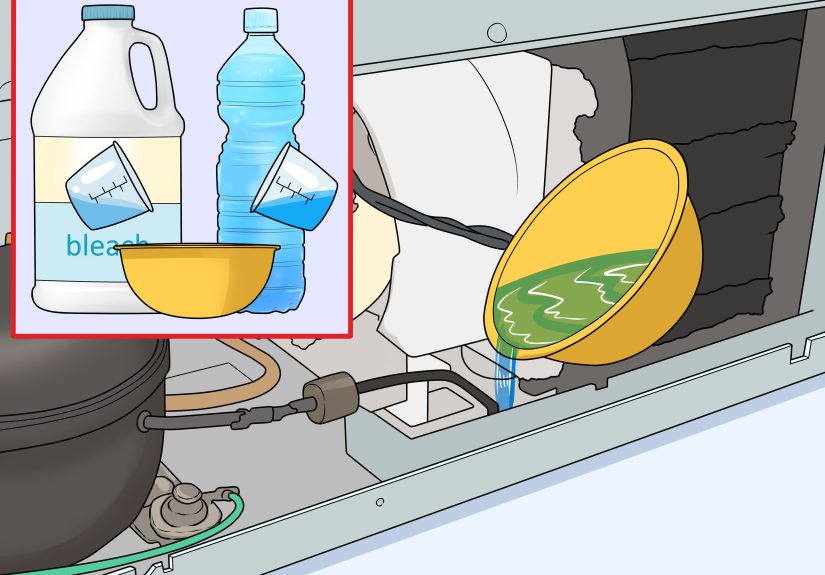
- Mix a solution of 1 tablespoon bleach per 1 gallon of water (a mild sanitizing dilution).
- Wipe or briefly soak the pan for 5 minutes. Do not “marinate” it for an hour.
- Rinse extremely well and dry completely.
Option C: Enzyme cleaner (great for organic funk)
Enzyme cleaners are designed to break down organic residue that causes odor. Follow the label directions, let it dwell,
then rinse and dry.
Bonus move: Flush the drain tube so the pan stays cleaner
Sometimes the drip pan isn’t the main villainthe drain line is. If your fridge has water pooling inside, recurring
odor, or frequent pan refills, flushing the defrost drain can help.
- Find the drain hole inside the fridge/freezer compartment (often near the back wall).
-
Use a turkey baster or squeeze bottle to flush with hot tap water. If you want a mild cleaning boost,
use a mixture of 1 tablespoon baking soda in 2 cups hot water. - Flush until you can hear water running down into the pan below. Wipe up any spills, then recheck after a day.
How Often Should You Clean a Refrigerator Drip Pan?
For most households, a good rhythm is every 3–6 months, or at least seasonally. If you have pets, high
humidity, or an older fridge, you might need to do it a little more often. If you smell odor every time the compressor
runs, treat that as your fridge politely asking for help.
Keep It Cleaner Longer: Prevention Tips That Actually Work
-
Clean the condenser coils a couple times a year. Dust buildup can reduce efficiency and contribute to
moisture issues. - Check door gaskets for gaps and crumbspoor sealing increases condensation.
- Don’t overpack the fridge in a way that blocks airflow and encourages excess frost/defrost water.
- Wipe spills quickly so food residue doesn’t migrate toward drain openings.
- If you notice recurring water issues, flush the drain hole once or twice a year to prevent clogs.
When to Call a Pro (or at Least Stop DIY-ing for a Minute)
Cleaning is great, but it won’t fix everything. Consider professional help if:
- The drip pan is cracked or won’t sit correctly.
- You consistently have water on the floor after cleaning and flushing.
- The fridge still smells bad even after a full deep clean (could be insulation, hidden mold, or a drainage defect).
- You can’t access the pan safely without removing major panels or electrical covers.
Conclusion: Pick the Right Method and Your Fridge Will Stop Being Dramatic
A clean drip pan won’t just make your kitchen smell betterit can also help you catch drainage problems early and reduce
the chance of leaks. Start with the quick refresh if things are mild, move to the soak method for buildup, and use the
deep sanitize option when mold or slime shows up. Then flush the drain tube if the mess keeps returning. Your refrigerator
should go back to doing what it does best: quietly keeping your snacks safe.
Real-World Experiences (): What People Usually Run Intoand What Actually Helps
In the real world, cleaning a refrigerator drip pan rarely happens because someone woke up feeling “passionately
responsible.” It usually starts with a smell. Not a polite “hmm, is something off?” smellmore like “did a forgotten
science experiment move into my kitchen?” smell. The drip pan is a common culprit because it’s hidden, warm, and moist,
which means it’s basically a VIP lounge for odor-causing gunk if anything interrupts normal evaporation.
One of the most common surprises is that the pan isn’t actually overflowing. People pull it out expecting a mini lake,
but instead find a thin layer of sticky film and dust bunnies that look like they’ve been paying rent since 2019.
That combination can smell worse than plain water because it traps bacteria and mildew. In that scenario, the “remove and
soak” method usually wins: hot soapy water loosens the film, baking soda helps with odor, and vinegar targets mineral
marks and funk without turning the job into a chemical warfare reenactment.
Another frequent experience: the drip pan gets cleaned… and the smell comes back fast. That’s when the drain system is
often involved. If the defrost drain hole inside the fridge is partially blocked, water may carry little bits of food
residue or biofilm down into the pan over and over again. People often notice water pooling under produce drawers or near
the back wall, and the drip pan becomes a repeat offender. Flushing the drain hole with hot water (and a mild baking soda
solution) can make a dramatic difference. It’s like clearing a traffic jam so the mess stops arriving in the first place.
There’s also the “non-removable pan” frustration. Some models make you clean in place, and that can feel like trying to
detail a car through the keyhole. What helps most is lighting and patience: a flashlight, a long-handled brush, and
multiple passes with damp cloths. It’s not glamorous, but it works. People who try to do it in one aggressive scrub
session tend to spill more, get annoyed, and invent new words. Slow and steady is the move.
The toughest cases usually involve visible mold or slime. This is where smart caution matters: strong cleaners can work,
but only if used safely and rinsed thoroughly. Many people have success with hydrogen peroxide for a less intense option.
When bleach is used, the key is mild dilution, short contact time, and excellent ventilationplus the golden rule:
never mix it with vinegar. Deep cleaning is effective, but prevention is what keeps the victory from turning into a
weekly rematch.
The biggest “aha” moment people report is that drip pan cleaning is less about scrubbing heroics and more about simple
maintenance. Once it’s clean, a quick check every few monthsand an occasional drain flushusually keeps the fridge from
developing that mysterious “old gym bag” vibe again.