Table of Contents >> Show >> Hide
- Start With the Entry
- 1. Paint the front door a confident color
- 2. Upgrade old hardware
- 3. Swap in stylish house numbers
- 4. Replace the mailbox
- 5. Frame the doorway with planters
- 6. Add a new welcome mat
- 7. Refresh the trim
- 8. Style the front porch with restraint
- 9. Add seasonal wreaths or door decor
- 10. Clean the glass and light fixtures
- Make the Landscape Look Intentional
- 11. Define the front walkway
- 12. Edge planting beds sharply
- 13. Refresh mulch
- 14. Layer plants by height
- 15. Choose plants that fit your climate
- 16. Use evergreens for year-round structure
- 17. Add one focal-point tree
- 18. Repeat plant varieties for a calmer look
- 19. Add window boxes
- 20. Try container gardens near steps and porches
- 21. Screen unsightly utilities
- 22. Skip overgrown foundation shrubs
- Boost Texture, Color, and Contrast
- Light It Like You Mean It
- Finish With Smart Details
- How to Choose the Right Curb Appeal Ideas for Your Home
- Real-Life Front Yard Experience: What Actually Makes Curb Appeal Work
- Conclusion
- SEO Tags
Note: Body-only HTML, ready to paste into your template.
Your front yard is basically your home’s handshake. Before anyone compliments your kitchen island, envies your backsplash, or asks where you got that adorable porch lantern, they see the outside first. That means curb appeal mattersa lot. It is not just about impressing the neighbors, though a little neighborhood envy never hurt anybody. Great curb appeal makes your home feel welcoming, polished, and cared for. It can also make everyday life nicer for you, because pulling into a beautiful space after a long day is an underrated luxury.
The good news is that creating a standout front yard does not require a reality-show budget or a landscaping crew arriving at sunrise with dramatic music playing in the background. Many of the best curb appeal ideas are simple: clean lines, layered planting, better lighting, fresh paint, and details that feel intentional instead of accidental. The secret is thinking of your front yard as one complete composition rather than a random collection of grass, shrubs, and one lonely planter trying its best.
Below are 37 curb appeal ideas to help you create the best front yard on the blockwithout turning your weekend into a full-blown construction documentary.
Start With the Entry
1. Paint the front door a confident color
A freshly painted front door is one of the fastest ways to boost curb appeal. Deep navy, classic black, rich red, muted green, or a cheerful blue can instantly wake up a tired exterior. Choose a shade that works with your siding, trim, and roof instead of fighting them for attention.
2. Upgrade old hardware
If your lockset, knocker, and handle have seen better decades, replace them. Coordinated hardware in one finishsuch as matte black, aged brass, or brushed nickelmakes the entry look pulled together and more expensive than it really is.
3. Swap in stylish house numbers
House numbers should be easy to read from the street, but they can also double as design. Modern metal numbers, classic plaques, or vertically stacked digits can add personality while helping guests and delivery drivers find your home without performing detective work.
4. Replace the mailbox
An old, dented mailbox can drag down the whole facade. A new one that matches your home’s styletraditional, farmhouse, modern, or cottageadds instant polish. Bonus points if you plant flowers around the post.
5. Frame the doorway with planters
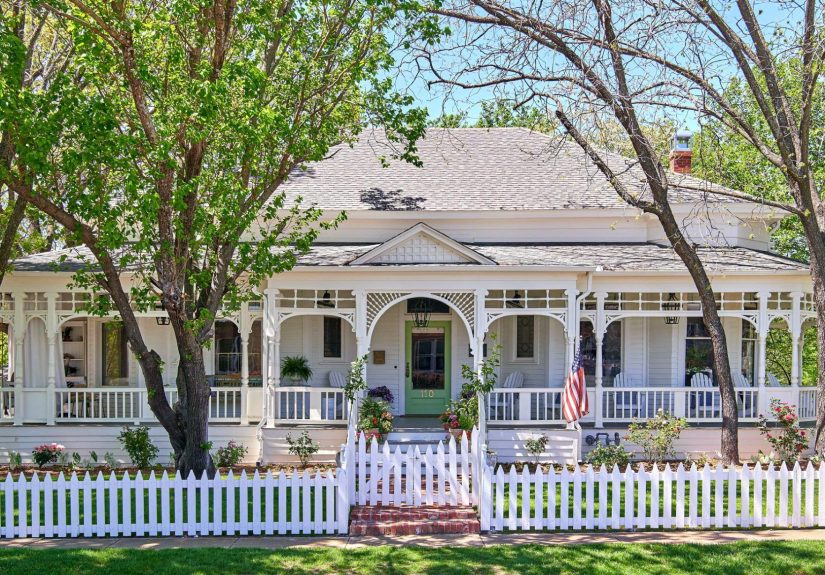
Symmetry is the oldest curb appeal trick in the book because it works. Matching planters on both sides of the front door create balance and make the entry feel important. Use evergreens for structure, then add seasonal flowers for color.
6. Add a new welcome mat
This sounds tiny because it is tiny, but it works. A crisp, clean doormat says, “Yes, this home has its life together.” Pick one that feels durable and fits the tone of your exterior.
7. Refresh the trim
Fresh trim paint sharpens the entire house. Even if you do not repaint the whole exterior, touching up peeling or faded trim around doors, windows, and columns makes everything look cleaner and better maintained.
8. Style the front porch with restraint
One bench, two chairs, or a porch swing can make your home look warm and lived in. The trick is not overdoing it. A porch should feel inviting, not like a yard sale wandered onto the stoop.
9. Add seasonal wreaths or door decor
A simple wreath or door hanging brings personality to the entry without requiring a big commitment. Keep it elegant and swap it out by season to keep the front door looking fresh year-round.
10. Clean the glass and light fixtures
Cloudy sidelights and dusty lanterns dull your entry fast. A good scrub costs nearly nothing and makes the whole front porch feel brighter.
Make the Landscape Look Intentional
11. Define the front walkway
A clear path to the front door makes your home look organized and welcoming. If your walkway is cracked or visually lost in the lawn, edge it, repair it, or upgrade it with pavers, stone, or brick for stronger visual impact.
12. Edge planting beds sharply
Crisp bed edges are one of those details people notice without realizing why the yard looks better. Defined lines between lawn and beds create structure and instantly make landscaping look more professional.
13. Refresh mulch
Fresh mulch is like eyeliner for the gardenit defines everything. It helps beds look neat, suppresses weeds, and highlights your plants. Keep it tidy and avoid mulch mountains around tree trunks.
14. Layer plants by height
Use taller shrubs or ornamental grasses in the back, midsize plants in the middle, and lower flowers or groundcovers near the front. This layered look creates depth and keeps foundation beds from looking flat and chaotic.
15. Choose plants that fit your climate
The prettiest front yard is not always the one with the fussiest plants. Native and regionally adapted plants often offer strong curb appeal with less watering, fewer pest issues, and less drama overall.
16. Use evergreens for year-round structure
Flowering plants are lovely, but winter exists. Evergreens give your front yard shape during every season, keeping the landscape from looking bare when blooms take a break.
17. Add one focal-point tree
A small ornamental tree near the entry or front lawn can transform the whole yard. Think dogwood, Japanese maple, crape myrtle, or another variety suited to your zone. It adds height, softness, and a sense of maturity.
18. Repeat plant varieties for a calmer look
Too many one-off plants can make a yard feel cluttered. Repeating the same shrub, grass, or perennial in groups creates rhythm and makes the design look deliberate.
19. Add window boxes
Window boxes bring charm fast, especially to cottage, colonial, and farmhouse-style homes. Fill them with trailing greenery and seasonal blooms, but keep the plant palette simple for a cleaner effect.
20. Try container gardens near steps and porches
Containers let you add color where digging is inconvenient. They are also perfect for renters, small spaces, or homeowners who like changing things up seasonally.
21. Screen unsightly utilities
Air-conditioning units, hoses, garbage bins, and meters are not exactly aesthetic superstars. Use a small trellis, low fence, or evergreen screening to hide them while keeping access practical.
22. Skip overgrown foundation shrubs
If your shrubs are swallowing the windows whole, it is time for a reset. Prune correctly, replace oversized varieties, or choose compact shrubs that fit the scale of the house.
Boost Texture, Color, and Contrast
23. Mix foliage textures
A yard full of plants in the same shape can look flat. Combine broad leaves, fine grasses, flowering shrubs, and evergreen forms to build visual interest without relying only on flower color.
24. Use a limited color palette
Too many flower colors can make a front yard feel busy. Pick two or three main tones and repeat them across beds and containers for a more refined look.
25. Add shutters or refresh existing ones
Well-scaled shutters can emphasize architecture and add contrast. If you already have them, repainting them in a complementary shade can give the house a crisp, updated look.
26. Upgrade exterior paint where it matters most
You do not always need a full repaint. Sometimes focusing on the front door, trim, shutters, railings, or porch floor delivers most of the visual payoff for a lot less money.
27. Bring in stone or brick accents
Stone borders, brick edging, or a small veneer accent can add texture and substance to the facade. Hard materials help ground the softer look of flowers and greenery.
28. Introduce lawn alternatives where they make sense
If the grass struggles on a slope, under a tree, or in a narrow side strip, swap it for groundcovers, gravel, or planting beds. A smaller, healthier lawn often looks better than a larger, patchy one.
Light It Like You Mean It
29. Install pathway lighting
Path lights help guests navigate safely and make the yard glow after dark. Even a modest lighting plan can make your home look more finished and dramatically more inviting at night.
30. Replace dated porch lanterns
Lighting fixtures age visually faster than people expect. Swapping builder-grade fixtures for something more tailored to your home’s architecture creates a surprisingly big design upgrade.
31. Highlight architectural details
Use subtle uplighting or accent lights to draw attention to a beautiful tree, stone column, or textured facade. Good outdoor lighting is not about turning your house into a stadium. It is about adding depth and atmosphere.
Finish With Smart Details
32. Pressure-wash hard surfaces
Driveways, walkways, porches, and siding collect dirt slowly enough that you stop noticing. Then you clean them and suddenly the house looks five years younger. Extremely satisfying.
33. Repair cracks and crooked edges
Little flaws add up. Straighten leaning borders, fix broken pavers, patch cracked concrete, and tighten loose railings. These details communicate care.
34. Keep the lawn healthy, not just short
A good-looking lawn is more than frequent mowing. Proper watering, edging, feeding, and seasonal care make it look lush instead of stressed. If a traditional lawn is not practical in your climate, do not force it.
35. Add a bench or small seating area
A simple place to sit makes the front yard feel like part of your home rather than leftover space between the sidewalk and the house. It suggests warmth, comfort, and actual human enjoyment.
36. Coordinate decor and finishes
When the mailbox, light fixtures, hardware, and planters all feel related, the exterior looks cohesive. They do not need to match perfectly, but they should look like they belong to the same house.
37. Maintain it consistently
This is the least glamorous tip and maybe the most important. Pull weeds, deadhead tired flowers, trim what grows wild, sweep the porch, and keep clutter off the front steps. Curb appeal is not one dramatic weekend. It is regular, thoughtful upkeep.
How to Choose the Right Curb Appeal Ideas for Your Home
The smartest approach is to work in layers. Start with maintenance first: clean, repair, prune, edge, and refresh. Then move to high-impact updates like the front door, lighting, and house numbers. After that, invest in landscaping that gives the yard structure in every season. This order matters because even expensive upgrades look underwhelming if the basics feel neglected.
It also helps to take cues from your home’s architecture. A sleek modern exterior usually benefits from restrained plantings, simple planters, bold geometry, and minimal color clutter. A cottage-style home can handle softer edges, layered flowers, and a more romantic mix of textures. A traditional colonial often looks best with symmetry, clipped greenery, and classic hardware. The goal is not to copy every house on your street, but your front yard should make sense with the house sitting behind it.
Finally, remember that great curb appeal balances beauty and practicality. Plants should suit your climate. Materials should handle local weather. Lighting should improve safety as well as appearance. A front yard that looks amazing for one week and then collapses into chaos is not really winning.
Real-Life Front Yard Experience: What Actually Makes Curb Appeal Work
After looking at dozens of successful front-yard transformations, one thing becomes obvious: the homes with the best curb appeal are not always the biggest, newest, or most expensive. They are usually the ones where every detail feels considered. You can feel that care the moment you walk past. The path is clear. The porch is clean. The plants are healthy. The front door stands out just enough. Nothing is screaming for attention, but everything is quietly doing its job.
A lot of homeowners make the mistake of chasing one dramatic fix. They repaint the front door bright coral, install fancy planters, or buy a new light fixture and expect the whole exterior to suddenly sing. Sometimes it helps, but usually the real magic comes from stacking smaller improvements together. A fresh mulch layer, trimmed shrubs, washed walkway, updated numbers, and two well-filled containers can outperform one flashy upgrade every time.
Another lesson is that scale matters more than people think. Tiny planters can look lost on a wide porch. Massive shrubs can make a modest home feel crowded. A front yard looks best when the hardscape, plants, and decor all match the size of the house. This is why oversized foundation shrubs often work against curb appeal. They hide windows, eat up the facade, and make the house feel like it is ducking behind a hedge.
There is also a huge difference between decoration and design. Tossing random flowers everywhere is decoration. Repeating a few plant varieties, shaping beds clearly, and echoing colors from the front door or shutters is design. One feels scattered. The other feels calm. That calm, intentional quality is what makes a front yard look expensive even when the budget was not.
People also underestimate nighttime curb appeal. A house can look wonderful at noon and oddly uninviting after sunset. Soft pathway lights, clean porch lanterns, and a little light on a tree or facade add more than visibility. They create mood. Suddenly the home feels warm, secure, and finished instead of disappearing into darkness like it is playing hide-and-seek.
And then there is maintenancethe boring hero of the entire story. No curb appeal idea survives neglect. The best-looking front yards are not necessarily high-maintenance, but they are maintained. Leaves are swept. Weeds do not get a long-term lease. Dead plants are replaced. The porch is not storing three broken pots, a rogue broom, and one pumpkin from two autumns ago.
In real life, the most successful front yards are the ones that make coming home feel good. They do not just impress passersby. They welcome the people who live there every single day. That is the sweet spot: beauty with function, charm with clarity, and enough personality to make your house memorable for all the right reasons.
Conclusion
If you want the best front yard on the block, do not think of curb appeal as a single project. Think of it as a collection of smart, attractive choices that work together: a strong entry, healthy landscaping, clear walkways, thoughtful lighting, and details that look coordinated instead of accidental. Start with the updates that give the biggest visual payoff, then build from there. Bit by bit, your home’s exterior can go from forgettable to seriously head-turningand yes, your neighbors may suddenly start walking a little slower past your house.