Table of Contents >> Show >> Hide
- Why These Myths Are So Dangerous
- Myth #1: Coffee, a Cold Shower, or a Walk Will Sober You Up
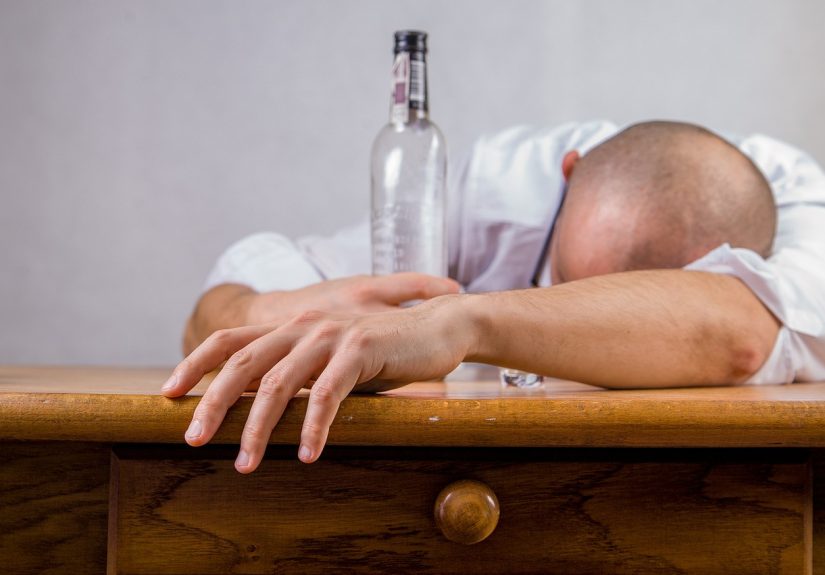
- Myth #2: If Someone Passes Out, Let Them Sleep It Off
- Myth #3: Vomiting Means the Alcohol Is Out, So the Danger Has Passed
- Myth #4: Energy Drinks Make You Less Drunk
- Myth #5: Alcohol and Prescription Medications Are Fine Together If They’re Both Legal
- How To Spot Alcohol Poisoning Fast
- What Smart Drinking Actually Looks Like
- What These Myths Look Like in Real Life
- Conclusion
- SEO Tags
Note: This article is based on real medical and public health guidance from reputable U.S. sources. Source links are omitted by request.
Alcohol myths have remarkable staying power. They get passed around at parties, whispered in dorm rooms, recycled at weddings, and repeated with the confidence of a guy who once watched half a documentary and now thinks he’s an emergency physician. The problem is that some of these myths are not merely wrong. They are dangerous. In the worst cases, they delay emergency care, encourage people to drink more than they realize, or make lethal combinations sound harmless.
This is where drinking folklore collides with biology. Your liver does not care what your buddy swears worked in college. Your brain does not magically reboot because someone handed you coffee. And a person who “just needs to sleep it off” may actually be edging toward alcohol poisoning, choking, or respiratory failure. That is why learning the truth is not about being dramatic. It is about being useful when it matters.
Below are five drinking myths that can put lives at risk, plus the real facts every adult should know. Consider this your crash course in separating bar talk from survival.
Why These Myths Are So Dangerous
Alcohol affects judgment before it affects confidence, which is an unfortunate combo. People often believe they are making smart decisions right when they are least equipped to do so. That is how myths turn into emergencies. One person decides coffee will “fix” the problem. Another decides a passed-out friend should be left alone on a couch. Someone else mixes vodka with an energy drink and assumes they are sharper than they really are. Meanwhile, alcohol keeps moving through the bloodstream, and the body keeps paying the bill.
It also helps to remember what counts as a “drink.” A standard drink in the United States is not “whatever is in the red plastic cup.” It is about 12 ounces of regular beer, 5 ounces of wine, or 1.5 ounces of distilled spirits. Strong craft beers, oversized pours, and heavy-handed cocktails can pack more than one standard drink into a single serving. That means people can become dangerously intoxicated faster than they realize.
Myth #1: Coffee, a Cold Shower, or a Walk Will Sober You Up
Why People Believe It
This myth survives because caffeine makes people feel more awake, cold water feels dramatic, and walking around looks productive. In movies, it is the classic montage: splash water, drink black coffee, say “I’m good,” and march back into the world like a reformed pirate.
What Actually Happens
None of those tricks remove alcohol from the bloodstream. They do not reverse alcohol poisoning. They do not make reaction time normal again. They do not lower blood alcohol concentration. Coffee may make a drowsy person feel more alert, but that can be part of the danger. A more awake drunk person is still a drunk person, just one with extra confidence and worse decision-making.
Cold showers are not some magical detox ritual either. They can actually make things worse by increasing the risk of injury, shock, or confusion, especially in someone who is already impaired. Walking someone around is also not treatment. It is just motion. Their brain, breathing, and coordination are still under the influence of alcohol.
What To Do Instead
If someone is impaired, stop the drinking. Get them somewhere safe. Do not let them drive, swim, bike, or wander off with the swagger of a person who thinks they are invincible and is seconds away from arguing with a shrub. Time is what clears alcohol. Supportive care and emergency help are what save lives if things get worse.
Myth #2: If Someone Passes Out, Let Them Sleep It Off
Why People Believe It
Because sleeping seems quiet, and quiet feels safer than panic. Many people confuse unconsciousness with ordinary exhaustion. “They’re just sleeping” sounds comforting. It is also one of the most dangerous sentences in alcohol emergencies.
What Actually Happens
A person who has passed out after heavy drinking can choke on vomit, stop breathing normally, or become impossible to wake as alcohol continues to circulate. Alcohol can depress the gag reflex, slow breathing, drop body temperature, and interfere with the brain’s control of basic life functions. That is not “sleeping it off.” That is a medical emergency waiting to declare itself more loudly.
The especially tricky part is timing. A person can look “done drinking” while their alcohol level is still rising. If they drank quickly, alcohol may still be moving from the stomach and intestine into the bloodstream even after they collapse on the couch and start snoring like an old lawnmower.
What To Do Instead
If someone is hard to wake, vomiting repeatedly, breathing slowly or irregularly, having a seizure, turning pale or bluish, or seems confused to the point of not functioning, call 911 immediately. If they are vomiting or may vomit, roll them onto their side to reduce choking risk. Do not leave them alone. Check them often. If there is any doubt, treat it like an emergency, not a nap.
Myth #3: Vomiting Means the Alcohol Is Out, So the Danger Has Passed
Why People Believe It
Because vomiting looks like the body is “getting rid of the problem.” It gives people false reassurance. Some even go a step further and think making someone vomit is helpful. That idea needs to retire permanently.
What Actually Happens
Vomiting does not guarantee safety, and it definitely does not mean the person is out of danger. A lot of the alcohol may already be absorbed. Worse, vomiting while intoxicated increases the risk of aspiration, which means breathing vomit into the lungs. That can choke a person or cut off oxygen. If someone is very intoxicated and their protective reflexes are dulled, vomiting becomes less of a cleanup sign and more of a red-alert sign.
Trying to force vomiting is also dangerous. It does not reliably fix the situation and can make choking more likely, especially if the person is drowsy, confused, or semi-conscious.
What To Do Instead
If the person is awake, keep them sitting upright or leaning forward. If they are unconscious or lying down, roll them onto their side. Watch for worsening symptoms. If you suspect alcohol poisoning, call 911. And if you need poisoning guidance in the United States, Poison Help at 1-800-222-1222 is available 24/7. The smart move is to get expert help, not improvise with movie logic.
Myth #4: Energy Drinks Make You Less Drunk
Why People Believe It
Because energy drinks contain caffeine, and caffeine can make people feel more alert. That creates the illusion that impairment has faded. In reality, the alcohol is still doing what alcohol does. The person may simply feel less sleepy while remaining just as impaired.
What Actually Happens
Mixing alcohol with caffeine does not cancel alcohol’s effects on the body. It can mask the sensation of drunkenness, which is not the same thing as reducing drunkenness. People who mix the two may drink more, take bigger risks, underestimate how impaired they are, and end up with a higher chance of injury, alcohol poisoning, dehydration, irregular heartbeat, or bad decisions that seemed brilliant for approximately nine seconds.
This is why “I feel fine” is not a useful measurement after vodka and energy drinks. Feeling fine is a vibe, not a lab test. The body remains impaired even if the mind is feeling suspiciously heroic.
What To Do Instead
If you are drinking, do not use energy drinks as a strategy to “manage” intoxication. Pace yourself, eat before and while drinking, alternate with water, and know what is in your glass. Most importantly, do not let alertness fool you into driving, using machinery, or taking on decisions that sober you would immediately veto.
Myth #5: Alcohol and Prescription Medications Are Fine Together If They’re Both Legal
Why People Believe It
Legality feels reassuring. If a medication is prescribed, people assume it is automatically safe as long as they are using it “normally.” But alcohol does not care whether the pill came from a dealer or a pharmacy. It only cares about chemistry.
What Actually Happens
Alcohol can interact dangerously with many common medications. The risk is especially severe with opioids, benzodiazepines, sleep aids, some anxiety medications, certain allergy medicines, some cough syrups, and other drugs that depress the central nervous system. These combinations can cause extreme sleepiness, slowed breathing, fainting, loss of coordination, coma, and death.
And it is not only sedatives. Alcohol can also worsen side effects or reduce the effectiveness of many medications. In some cases, it raises the risk of internal bleeding, liver injury, falls, and serious accidents. In other words, “prescribed” does not equal “safe with whiskey.”
What To Do Instead
Read the medication label. Ask your doctor or pharmacist directly whether alcohol is safe with that medicine. If a label says avoid alcohol, treat that warning like it was written by someone who enjoys you continuing to breathe. Because, medically speaking, it was.
How To Spot Alcohol Poisoning Fast
Here are major warning signs that should never be brushed off:
- Mental confusion or inability to carry on a coherent conversation
- Difficulty staying conscious or inability to wake up
- Vomiting, especially while semi-conscious or unconscious
- Seizures
- Slow breathing or long pauses between breaths
- Clammy skin, bluish lips, pale face, or low body temperature
- No gag reflex or very dulled response
If you see these signs, call 911 immediately. Do not wait for “one more symptom” like you are trying to complete a loyalty card. Emergencies do not reward patience.
What Smart Drinking Actually Looks Like
Smart drinking is not about pretending risk disappears. It is about reducing it. Know the alcohol content of what you are drinking. Eat beforehand. Pace your drinks. Avoid drinking games, shots stacked on top of strong cocktails, and giant mixed drinks that hide how much alcohol is really in them. Do not mix alcohol with medications unless a clinician says it is safe. Do not use caffeine as a disguise kit for impairment. And if someone looks seriously impaired, help first and worry about awkwardness later.
One more thing: if someone drinks heavily every day, suddenly stopping without medical guidance can also be dangerous because alcohol withdrawal can become severe. That is a different problem than intoxication, but it is another reminder that alcohol is not a toy, a personality trait, or a chemistry set with a catchy label.
What These Myths Look Like in Real Life
Most people do not meet drinking myths in a textbook. They meet them in real life, usually at a moment when everyone is too distracted, too embarrassed, or too buzzed to think clearly. It looks like a college apartment where somebody says, “Give him coffee,” because that sounds more helpful than “I have no idea what to do.” It looks like a wedding reception where a cousin disappears into the restroom to throw up, then comes back to the dance floor like the body has hit a reset button. It looks like a backyard party where someone mixes liquor with an energy drink and suddenly believes they are the one sober genius in a sea of amateurs.
It also shows up in quieter places. A middle-aged adult takes a prescribed sleep medication, has “just two glasses of wine,” and assumes that because both came from respectable places, the combination is respectable too. A parent finds a teenager half-awake on a couch after a party and decides to let them sleep because calling for help feels scary, dramatic, and potentially expensive. A friend who drinks heavily every day vows to quit cold turkey alone over the weekend without understanding that severe withdrawal can spiral into hallucinations, seizures, or delirium tremens.
What makes these moments so dangerous is how ordinary they seem. No ominous movie soundtrack. No giant flashing sign that says medical emergency incoming. Just a handful of people doing what humans often do under stress: reaching for familiar stories. The problem is that familiar stories are not the same as medically sound decisions. “He just needs air” sounds comforting. “She’ll be fine after she throws up” sounds experienced. “He’s alert, so he’s okay” sounds reasonable. But alcohol emergencies are messy precisely because appearance and reality can be very different.
Anyone who has spent time around heavy social drinking has probably seen at least one of these scenes. The person who seemed “fine” until they were suddenly not. The friend who insisted they were sober enough to drive because they felt awake. The roommate who could not be roused, while everyone stood around performing the ancient ritual of hoping the problem would solve itself. Those moments stick with people, and they should. They are the difference between party mythology and the body’s actual limits.
The good news is that experience can teach better habits too. More people now know to turn an unconscious person onto their side. More people recognize that energy drinks do not erase impairment. More people understand that medication labels are not decorative literature. And more people are willing to make the uncomfortable call for help instead of gambling on silence.
If there is one lesson that comes up again and again, it is this: the safest person in the room is not the one with the strongest opinions about drinking. It is the one who knows when a myth ends and an emergency begins. That person may not be the loudest. They may not be the funniest. But they are the one who saves a life while everyone else is still debating whether coffee will do the trick.
Conclusion
Drinking myths survive because they are simple, catchy, and often wrapped in false confidence. Real physiology is less catchy, but much more useful. Coffee will not sober someone up. Passing out is not a safety plan. Vomiting does not mean the crisis is over. Energy drinks do not cancel alcohol. Prescription medications can turn drinking into a life-threatening mistake.
If you remember only one thing, make it this: when alcohol is involved, guesswork is a terrible emergency strategy. Recognize the signs, act early, and never confuse old sayings with medical facts. A little less bravado and a little more caution can keep a bad night from becoming a tragedy.