Table of Contents >> Show >> Hide
- What Is Pop Culture Jeopardy!, Exactly?
- Why Fans Were Skeptical Before the Show Even Started
- Colin Jost: The Surprise MVP for a Lot of Viewers
- The Team Format Is Either the Fun Twist or the Fatal Flaw
- The Clues Are Fun, But Fans Still Want More Bite
- Streaming Freedom Helps the Show and Also Creates New Problems
- So, Is the Fan Reaction Positive or Negative?
- What the Show Should Do Next
- The Viewer Experience: Why This Show Sparks So Much Debate
- Final Takeaway
There are TV spinoffs that arrive quietly, wave politely, and settle into the corner like a well-behaved houseguest. Then there are TV spinoffs that show up wearing sequins, carrying a stack of trivia cards, and immediately start an argument in the group chat. Pop Culture Jeopardy! is firmly in the second category.
From the moment the show debuted, fans of the larger Jeopardy! universe had opinions. Not small opinions. Not “hmm, interesting” opinions. Full-strength, capital-letter opinions. Was Colin Jost the right host? Was the team format brilliant or blasphemous? Were the clues delightfully modern, suspiciously easy, weirdly niche, or somehow all three at once? And perhaps the biggest question of all: did this spinoff actually feel like Jeopardy!, or did it feel more like your smartest friends hijacked bar trivia and put it on streaming?
That tension is exactly why Pop Culture Jeopardy! has become such a conversation starter. The series clearly understands the DNA of the original. It still has the familiar answer-and-question structure, the fast buzzer action, the escalating clue values, and the delicious humiliation of knowing an answer half a second too late from your couch. But it also changes the formula in ways that longtime viewers can’t help dissecting. That has turned the show into something more than a novelty. It has become a litmus test for what fans want from modern trivia television.
What Is Pop Culture Jeopardy!, Exactly?
At its core, the spinoff takes the classic Jeopardy! engine and swaps out broad academic trivia for a pop-culture-only playground. Instead of leaning on opera, presidents, and 18th-century poets, the categories can pivot toward celebrities, movies, TV, music, internet culture, fandoms, and all the other things that occupy too much of our brain space and not enough of our tax forms.
The biggest structural twist is the team format. Rather than three solo contestants, the show features three teams of three, which creates a busier, chattier, more kinetic atmosphere. It also makes the game feel less like a lonely intellectual duel and more like a high-level collaboration exercise for people who know both Oscar trivia and what year everyone suddenly decided oat milk was a personality trait.
That format alone guarantees debate. For some viewers, it makes the show more accessible and more social. For others, it chips away at the elegant severity that makes regular Jeopardy! feel like a sacred temple of knowledge. Add a streaming platform, a looser tone, a few new gameplay wrinkles, and Colin Jost at the podium, and you have the perfect recipe for a fanbase to start talking loudly over one another.
Why Fans Were Skeptical Before the Show Even Started
Jeopardy! fans are loyal, passionate, and not exactly shy. That is wonderful for the franchise and terrifying for anyone launching a new variation of it. Before Pop Culture Jeopardy! even had time to prove itself, it walked into a franchise environment already full of debate about tournament overload, brand expansion, and what kind of experimentation the audience would tolerate.
So the skepticism was never really just about one spinoff. It was about a broader fear that the Jeopardy! brand might start stretching itself too far. Some longtime viewers worried that the franchise was leaning too hard into spinouts, twists, and scheduling tricks instead of protecting the clean, disciplined magic that made the original show a cultural institution. In that context, Pop Culture Jeopardy! didn’t arrive as a blank slate. It arrived carrying the baggage of larger franchise fatigue.
That helps explain why the reaction has been so layered. People weren’t simply asking whether the show was good. They were asking what the show meant for Jeopardy! as a whole. That’s a much bigger question, and it’s one reason this series has inspired so much analysis.
Colin Jost: The Surprise MVP for a Lot of Viewers
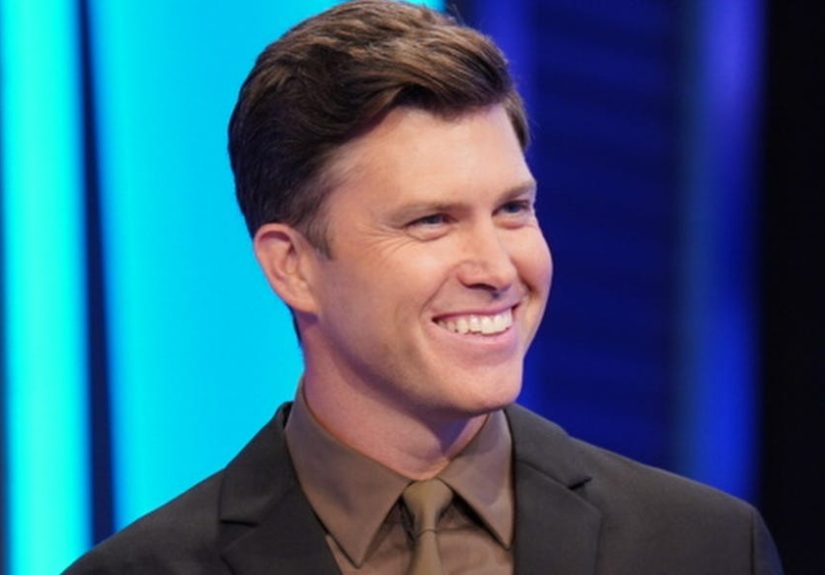
If there is one point where a large chunk of the audience seems to converge, it is this: Colin Jost performed better than many skeptics expected. Before the premiere, some fans were understandably protective of the hosting mantle. Jeopardy! viewers care deeply about cadence, tone, timing, and the subtle art of not making the whole thing about yourself. That is a weirdly specific skill set. Hosting a trivia show is not the same as telling jokes on a news desk.
And yet Jost ended up winning over many viewers by doing something smart: he did not try to impersonate Alex Trebek, and he did not try to out-Ken Ken Jennings. Instead, he leaned into a lighter, more conversational rhythm that matched the show’s pop-culture personality. He was witty without constantly stepping on the game, personable without turning the series into a comedy sketch, and polished enough to keep the machine moving.
That said, the praise has never been universal. Even fans who like him have noted that the pacing can feel a little stiff at times, especially early on, as though the show is still finding the groove between formal quiz-show precision and streaming-era looseness. Some viewers love that tension because it makes the show feel human. Others think it creates an awkward stop-and-start rhythm. In other words, Jost has been one of the show’s strengths, but even that strength has become part of the debate.
The Team Format Is Either the Fun Twist or the Fatal Flaw
The team-of-three setup may be the single most divisive creative decision in the entire spinoff. Fans who enjoy it say the format creates energy. You get personality clashes, strategic cooperation, and the fun of watching specialized knowledge combine in real time. One teammate might dominate music clues, another might live for prestige TV, and the third might know every chaotic celebrity headline from the last 15 years. That can be genuinely entertaining.
It also gives the show a communal feeling that regular Jeopardy! deliberately avoids. Traditional Jeopardy! is a contest of individual recall under pressure. Pop Culture Jeopardy! feels more like a cultural fluency relay race. That makes it more inviting for viewers who might never try out for the flagship series but absolutely believe they could dominate a category about boy bands, superhero casting rumors, or reality television meltdowns.
But critics of the format argue that it changes the show’s identity too much. The tension of solo risk-taking is reduced. The stage can feel crowded. The emotional connection to a single contestant’s brilliance gets diluted. And because pop culture already carries a more casual tone than classic Jeopardy!, the team structure pushes the atmosphere even further toward “smart party game” territory. For some viewers, that is exactly the appeal. For others, it is where the spinoff starts drifting away from what makes Jeopardy! special.
The Clues Are Fun, But Fans Still Want More Bite
Another major talking point is clue design. On paper, a pop-culture trivia show sounds like pure candy. In practice, it is much harder to calibrate than people think. If the clues are too easy, the show feels flimsy. If they are too obscure, the audience starts wondering whether the writers are secretly building boards for three extremely online roommates in Brooklyn and no one else.
That balancing act is where much of the conversation lives. Some fans appreciate that the clues move across generations and mediums, mixing newer internet-savvy material with older film, TV, and music references. Others argue that the boards can skew too recent, too gimmicky, or too dependent on the kind of knowledge that feels flashy rather than durable. A few viewers also miss the extra intellectual edge that regular Jeopardy! brings, even when the subject matter is lighter.
To be fair, the writers are attempting something tricky. Pop culture is not one subject. It is a messy warehouse full of overlapping mini-cultures, fandoms, timelines, platforms, and nostalgia cycles. A clue about a blockbuster franchise will land differently than one about a viral meme or a critically adored cable drama. That means every episode is also a referendum on what counts as “real” pop culture knowledge. No wonder the fans have thoughts. They are basically being asked to judge the shape of collective memory itself, which is a lot for a Wednesday night.
Streaming Freedom Helps the Show and Also Creates New Problems
One of the most interesting things about Pop Culture Jeopardy! is how much it feels shaped by streaming. The show is not confined in exactly the same way as a broadcast network quiz program, and that changes the vibe. The pacing can loosen up. The humor can get a tiny bit cheekier. The contestants can feel less buttoned-up. The whole thing can lean into bingeability instead of strict routine.
For many viewers, that is a plus. It gives the series a breezier energy and helps separate it from the main show. A spinoff probably should not feel like a photocopy. It should justify its existence by offering a different flavor.
Still, streaming freedom is not automatically a miracle cure. Some fans think the production occasionally feels too busy, too branded, or too eager to announce that it is the cool younger cousin of regular Jeopardy!. New mechanics like Triple Play add variety, but they also make traditionalists reach for their imaginary red pen. There is a fine line between innovation and over-decoration, and the show sometimes dances right on it in sparkly shoes.
So, Is the Fan Reaction Positive or Negative?
Honestly, it is both, and that is what makes the reaction interesting. The broad consensus is not that the show is a disaster. It clearly is not. Plenty of viewers find it addictive, fast-moving, and charmingly different. Jost has earned more goodwill than many expected. The format is approachable. The concept is commercial. The game still produces real suspense.
At the same time, there is a persistent undercurrent of hesitation. Some fans enjoy the show while still wondering whether it is too light, too crowded, or too obviously engineered to extend the Jeopardy! brand. Others think the clues should be tougher, the pacing cleaner, or the aesthetic less flashy. In short, the audience response is not split between love and hate. It is split between enthusiasm and qualified enthusiasm, which is a much more revealing distinction.
That may actually be healthy. TV franchises get boring when everyone agrees too quickly. The best spinoffs generate debate because they force audiences to define what they value in the original. Pop Culture Jeopardy! has done exactly that.
What the Show Should Do Next
With another season on the way, the smartest move would be refinement, not reinvention. The show does not need to panic and become a completely different animal. It already has a viable identity. What it needs is confidence and calibration.
First, the clue mix should stay broad enough to reward real pop-culture literacy, not just recency bias. Second, the pacing should continue to settle so Jost’s strengths come through even more naturally. Third, the series should trust its audience enough to let the game breathe. Fans do not need endless reminders that this is the fun version. They can tell. The pop-culture categories already do that heavy lifting.
If the producers can fine-tune those areas, the spinoff has room to grow from “surprisingly enjoyable experiment” into “genuinely durable extension of the franchise.” That is a much stronger long-term position.
The Viewer Experience: Why This Show Sparks So Much Debate
Watching Pop Culture Jeopardy! as a fan is a weirdly specific emotional experience, and that is a huge part of its appeal. You do not just watch it. You measure yourself against it. You talk back to it. You accuse the contestants of overthinking a clue you also missed. You confidently shout an answer from your couch while holding a snack you absolutely did not need, and then five seconds later you are humbled by a question about a pop star’s deep-cut album era or a niche TV casting detail from 2011.
That roller coaster is what makes the show sticky. Regular Jeopardy! can be intimidating in a noble, sweater-vested kind of way. Pop Culture Jeopardy! feels more personal. The categories are built from the media people actually live with. These are not just facts. They are fragments of identity. Your favorite sitcom, your childhood movie, your internet phase, your celebrity blind spot, your embarrassing encyclopedic knowledge of reality TV contestants from three networks ago it all becomes playable currency.
That is why fan reactions get so animated. When someone says the clues are too easy, what they may really mean is, “This is my domain, and I expected to dominate harder.” When someone says the clues are too niche, they may mean, “Why is this board testing a corner of culture I personally skipped while I was busy memorizing every Mean Girls quote?” Pop culture does not just test knowledge. It tests self-image. It reveals what part of the culture each viewer thinks matters most.
The social experience around the show matters too. This is the kind of series people naturally watch with siblings, partners, roommates, or friends who have wildly different skill sets. One person knows every Marvel movie cameo. Another can identify a reality-show villain from a single clue. Somebody else suddenly comes alive when the category turns to 1990s alt-rock. That makes the spinoff feel less solitary and more like an event, even when you are just watching from the couch in sweatpants that have given up on ambition.
There is also a delightful tension in being both a Jeopardy! purist and a pop-culture junkie. Many viewers are clearly negotiating those two selves while they watch. One side says, “Respect the format.” The other side says, “Yes, but let the host make one ridiculous joke about a celebrity clue because life is short.” That internal tug-of-war is basically the show in miniature. It is classic structure wrestling with modern entertainment habits.
And maybe that is the best explanation for all the chatter. Pop Culture Jeopardy! is not just a spinoff. It is a mirror. It reflects what fans think trivia should be, what pop culture deserves to count as knowledge, and how much change an iconic franchise can absorb without losing its soul. No wonder people keep talking. The show practically dares them to.
Final Takeaway
Jeopardy! fans have a lot of thoughts about Pop Culture Jeopardy! because the show gives them a lot to think about. It is familiar but not identical, playful but still competitive, looser but not chaotic. Colin Jost has emerged as a stronger host than many predicted, the team format has broadened the show’s social appeal, and the pop-culture focus has made the game more accessible to viewers who may never dream of dominating a literature category.
But the fan conversation also reveals the show’s pressure points: clue balance, pacing, production choices, and the larger question of whether the Jeopardy! universe is expanding with purpose or just expanding because it can. That tension is not a weakness. It is the reason the spinoff matters. A disposable show does not create this kind of conversation. A relevant one does.
In the end, Pop Culture Jeopardy! succeeds for the same reason pop culture itself succeeds: it gets people arguing, laughing, nitpicking, bonding, and loudly insisting they would have nailed that clue. Whether viewers see it as a brilliant extension of the brand or a very polished cousin of elite bar trivia, one thing is clear: people are watching, and they definitely have thoughts.