Table of Contents >> Show >> Hide
- 1. What Is a Clitoris Piercing?
- 2. What Are the Main Types of Clitoral Hood Piercing?
- 3. Does a Clitoral Hood Piercing Actually Pierce the Clitoris?
- 4. Can a Clitoral Hood Piercing Increase Sexual Pleasure?
- 5. Is It Safe?
- 6. Who Should Avoid This Piercing?
- 7. How Much Does It Hurt?
- 8. How Long Does Healing Take?
- 9. What Jewelry Is Usually Used?
- 10. How Do You Choose a Reputable Piercer?
- 11. What Should You Ask Before Booking?
- 12. What Aftercare Is Usually Recommended?
- 13. What Are the Signs of a Problem?
- 14. Can You Be Allergic to Piercing Jewelry?
- 15. Can It Affect Future Medical Care?
- 16. Is It Worth It?
- Practical Experiences and Real-World Takeaways
- Conclusion
Clitoris piercing is one of those topics that attracts curiosity, confusion, and a surprising number of myths. First, a quick clarification: when most people say “clitoris piercing,” they are usually talking about a clitoral hood piercing, not a piercing through the clitoris itself. That distinction matters. The clitoris contains highly sensitive nerve tissue, while the hood is the fold of skin that partly covers it. Piercing the hood is far more common; piercing the clitoral glans itself is rare, anatomy-dependent, and higher risk.
This guide answers 16 common questions about clitoral hood piercing, including types, possible sexual benefits, risks, healing, jewelry, aftercare basics, and what to ask before booking an appointment. It is written for adult readers considering body modification and should not replace advice from a licensed healthcare professional or an experienced, reputable professional piercer.
1. What Is a Clitoris Piercing?
In everyday language, “clitoris piercing” usually refers to jewelry placed through the clitoral hood. The more accurate term is clitoral hood piercing. The piercing does not necessarily go through the clitoris itself. In fact, reputable piercers generally treat true clitoral glans piercing as uncommon and suitable only for very specific anatomy.
The goal may be decorative, personal, sensual, symbolic, or some combination of all four. For many adults, it is less about shock value and more about body confidence, ornamentation, and feeling more connected to their body.
2. What Are the Main Types of Clitoral Hood Piercing?
The most discussed types are the vertical clitoral hood piercing, often called VCH, and the horizontal clitoral hood piercing, often called HCH. Other genital piercings may include triangle, Christina, labia, and fourchette piercings, but those are different placements and have different healing expectations.
Vertical Clitoral Hood Piercing
A VCH piercing is placed vertically through suitable hood tissue. It is one of the most common female genital piercings because many people find it comfortable once healed, and it may allow jewelry to rest in a way that increases awareness of the area. However, anatomy is everything. Not everyone has enough hood depth or shape for this placement.
Horizontal Clitoral Hood Piercing
An HCH piercing sits horizontally through the hood tissue. Some adults choose it mainly for appearance, while others may find it adds sensation. Again, anatomy decides whether it is appropriate. A piercing that looks great in a photo may not fit another person’s body safely.
3. Does a Clitoral Hood Piercing Actually Pierce the Clitoris?
Usually, no. A clitoral hood piercing goes through the hood, not the clitoral glans. This is not just a vocabulary lesson; it is a safety issue. The clitoris is highly sensitive, and piercing it directly can carry a greater risk of nerve irritation, pain, scarring, or long-term sensitivity changes.
If a studio casually treats all placements as the same thing, that is a red flag. A careful piercer should explain the difference clearly and assess whether your anatomy is suitable before discussing jewelry or placement.
4. Can a Clitoral Hood Piercing Increase Sexual Pleasure?
Some adults report increased sensation, body confidence, or awareness after healing. Others notice little difference beyond enjoying the look of the jewelry. A piercing is not a guaranteed “upgrade button,” and anyone promising magical results deserves a skeptical eyebrow raise.
Possible sexual benefits are often indirect. Jewelry may increase awareness of the area, make someone feel more confident, or add a new kind of sensation once fully healed. But sensitivity varies widely from person to person, and healing must come first.
5. Is It Safe?
It can be done safely by a highly trained professional using sterile equipment, appropriate jewelry, and anatomy-based placement. Still, every piercing is a wound at first. Risks include infection, allergic reaction, swelling, bleeding, irritation, scarring, migration, rejection, and discomfort from poorly fitted jewelry.
Genital piercings require extra care because the area is warm, sensitive, and exposed to friction from clothing and movement. Anyone with diabetes, immune system concerns, bleeding disorders, skin conditions, or a history of difficult wound healing should talk with a healthcare professional before getting pierced.
6. Who Should Avoid This Piercing?
Some people should pause or avoid genital piercing altogether. This includes anyone with an active infection, unexplained genital symptoms, poor wound healing, untreated skin irritation, or a medical condition that increases infection risk. Pregnant people or those planning certain medical procedures should also get professional medical guidance first.
Minors should not pursue genital piercings. Laws and studio policies vary by location, but reputable professionals generally treat genital piercing as an adult body modification that requires informed consent, maturity, and privacy.
7. How Much Does It Hurt?
Pain is personal. Some adults describe the piercing itself as quick and sharp, while others find the anticipation worse than the moment. The area is sensitive, but the procedure is brief when performed by a skilled professional. Afterward, tenderness, swelling, and sensitivity can happen during early healing.
The bigger issue is not being “tough enough.” It is choosing the right piercer, the right jewelry, and the right timing in your life. If you are already dealing with stress, illness, or travel, waiting may be smarter.
8. How Long Does Healing Take?
Healing varies depending on placement, jewelry, anatomy, lifestyle, and aftercare. Some clitoral hood piercings may settle in several weeks, while other genital piercings can take months. Surface-style placements, such as Christina piercings, may take longer and may be more prone to irritation.
Do not use someone else’s healing timeline as a contract with your own body. A piercing can look calm on the outside before the tissue is fully stable. Follow your piercer’s checkup recommendations and avoid changing jewelry too early.
9. What Jewelry Is Usually Used?
Initial jewelry should be body-safe, properly sized, and suitable for fresh piercings. Common materials include implant-grade titanium, high-quality solid gold that is appropriate for body piercing, niobium, or approved implant-grade steel. Nickel-containing jewelry can trigger allergic reactions, so bargain-bin mystery metal is not your friend here.
Jewelry style depends on anatomy and placement. Curved barbells, captive bead rings, or other professional-grade options may be used. The key is not choosing the cutest piece first; it is choosing jewelry that allows safe healing.
10. How Do You Choose a Reputable Piercer?
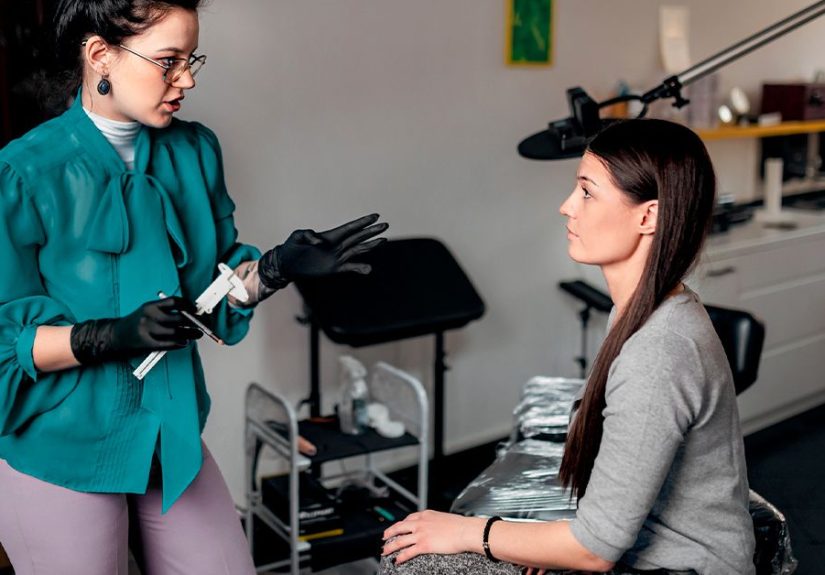
Look for a professional studio that uses sterile, single-use needles, an autoclave for reusable tools, sealed jewelry, gloves, clean surfaces, and clear consent practices. The piercer should be willing to explain anatomy suitability, jewelry material, risks, healing, and aftercare without making you feel rushed.
Ask whether they have experience with genital piercings specifically. A great ear piercer is not automatically the right person for intimate anatomy. You are allowed to ask questions. In fact, a responsible piercer will expect them.
11. What Should You Ask Before Booking?
Ask what types of genital piercings they perform, what jewelry materials they use, how they sterilize equipment, whether they provide anatomy consultations, and what follow-up care looks like. Ask about expected healing time, what symptoms are normal, and which symptoms mean you should seek medical help.
If the piercer dismisses your concerns, refuses to explain the process, pressures you, or makes inappropriate comments, leave. Professionalism matters even more when the placement is intimate.
12. What Aftercare Is Usually Recommended?
Aftercare should be simple, gentle, and based on your piercer’s instructions. Many professional piercing organizations recommend sterile saline wound wash without additives. Avoid harsh products, unnecessary touching, twisting jewelry, homemade mixtures, fragrances, ointments unless medically advised, and aggressive cleaning. More cleaning does not mean faster healing; sometimes it just means angrier tissue.
Clean hands are non-negotiable. Breathable clothing, reduced friction, and patience can also help. If the piercing becomes increasingly painful, hot, swollen, or produces unusual discharge, contact a healthcare professional or qualified piercer promptly.
13. What Are the Signs of a Problem?
Some tenderness, mild swelling, and light spotting can happen early on. However, worsening pain, spreading redness, heat, fever, strong odor, unusual discharge, severe swelling, rash, or jewelry that appears to be moving toward the skin surface may signal a complication.
Do not ignore symptoms because the piercing is in a private area. Doctors have seen it all, and your health is more important than embarrassment. If you suspect infection, get medical advice instead of trying to “tough it out.”
14. Can You Be Allergic to Piercing Jewelry?
Yes. Nickel allergy is one of the most common jewelry-related problems. Symptoms may include itching, rash, redness, irritation, or ongoing discomfort. Low-quality jewelry can also cause problems even without a classic allergy.
That is why initial jewelry quality matters. A cheaper piece can become expensive quickly if it causes irritation, medical visits, or a failed piercing.
15. Can It Affect Future Medical Care?
Sometimes. You may need to mention genital jewelry before certain medical exams, imaging, surgery, or childbirth-related care. In some situations, jewelry may need to be removed by a professional, especially if it is difficult to access or if swelling is present.
If you are planning a medical procedure, ask your healthcare provider whether jewelry should be removed and when it is safe to reinsert it. Do not force jewelry in or out if tissue is irritated.
16. Is It Worth It?
That depends on your goals, anatomy, pain tolerance, budget, lifestyle, and willingness to heal it properly. For some adults, a clitoral hood piercing is empowering and aesthetically pleasing. For others, the maintenance, healing time, or risks make it less appealing.
A good decision is not based on a trend. It is based on realistic expectations, professional guidance, and respect for your body. If you want a piercing because it feels personally meaningful, and you are willing to choose a qualified piercer and follow aftercare, it may be worth exploring. If you are doing it because someone else is pressuring you, pause immediately.
Practical Experiences and Real-World Takeaways
People who talk about clitoral hood piercing often focus on the dramatic questions first: Does it hurt? Does it improve sex? Will it change everything? Real experiences are usually more ordinary, more personal, and more useful than the internet’s loudest claims.
One common experience is surprise at how much the consultation matters. Many adults walk in thinking they already know the piercing they want because they saw a VCH or HCH described online. Then the piercer explains that anatomy decides the safest and most comfortable placement. Someone may have enough hood tissue for a vertical placement; someone else may be better suited to a different option; another person may be advised not to get that piercing at all. That can feel disappointing, but it is actually a sign of a responsible professional. A good piercer is not there to sell a fantasy. They are there to help you avoid a bad outcome.
Another common experience is that confidence can matter as much as sensation. Some adults report feeling more decorated, more intentional, or more at home in their body after healing. The piercing becomes a private detail, almost like wearing beautiful lingerie under regular clothes: not always visible, but personally satisfying. That confidence may improve intimacy because the person feels more comfortable, not because the jewelry has magical powers.
Healing experiences vary. Some people describe the first days as tender but manageable. Others find daily movement, tight clothing, exercise, or sitting for long periods more irritating than expected. A desk job, cycling hobby, long commute, or active gym routine can affect comfort. Planning matters. Getting a genital piercing right before vacation, a sports event, or a packed workweek is like adopting a puppy the day before finals: technically possible, spiritually chaotic.
Communication also becomes part of the experience. Adults with partners often need to explain that healing tissue should be treated carefully and that comfort comes before curiosity. This can be a healthy moment. A supportive partner listens, respects boundaries, and does not pressure anyone to rush healing. A partner who treats a fresh piercing like a novelty toy is waving a red flag large enough to see from space.
Some people eventually remove the jewelry. That does not mean the piercing was a failure. Bodies change, preferences change, relationships change, and comfort levels change. A piercing can be right for one chapter of life and not another. Others keep the jewelry for years and treat it as a small, meaningful part of their identity.
The most helpful takeaway is this: the best clitoral hood piercing experience starts before the appointment. It starts with honest motives, anatomy-based advice, body-safe jewelry, realistic healing expectations, and the courage to walk away if the studio does not feel professional. The piercing itself may be quick, but the decision deserves time.
Conclusion
Clitoris piercing is often misunderstood because the name itself is usually inaccurate. Most people are asking about clitoral hood piercings, especially vertical or horizontal placements. These piercings may offer aesthetic pleasure, increased body confidence, and for some adults, changes in sensation. But they also carry real risks, including infection, irritation, allergic reaction, scarring, and poor placement.
The smartest approach is simple: learn the anatomy, choose a reputable professional, use quality jewelry, follow gentle aftercare, and keep expectations realistic. Your body is not a trend board. It deserves informed choices, skilled care, and zero pressure.