Table of Contents >> Show >> Hide
- What Is Acorn Squash (and Why Is It Called That)?
- Acorn Squash Nutrition: The Real Numbers
- Health Benefits of Acorn Squash
- 1) Fiber: the underrated MVP (gut, heart, and “hanger” control)
- 2) Blood pressure support: potassium + a low-sodium personality
- 3) Vitamin C: antioxidant vibes and tissue support
- 4) Carotenoids and vitamin A: the orange color is doing its job
- 5) Antioxidants: “cellular defense” without the superhero soundtrack
- 6) Friendlier carbs (especially when you build the plate smart)
- 7) Weight management: comfort food that doesn’t backstab your goals
- How to Cook Acorn Squash (So It’s Not Just a Holiday Prop)
- Shopping, Storage, and Food Safety
- Who Should Be a Little Cautious?
- Real-Life Experiences with Acorn Squash (The 500+ Word “How It Actually Goes” Section)
- Conclusion
Acorn squash is the cozy sweater of the produce aisle: dependable, a little retro, and somehow always appropriate when the weather (or your life) turns crisp.
If you’ve only met it as a brown-sugar-and-butter delivery system, I’m here to formally introduce you to its other personality:
nutrient-dense, fiber-forward, and surprisingly versatile. Yes, acorn squash nutrition is legitand the flavor is basically “sweet potato’s more laid-back cousin.”
In this guide, we’ll dig into the real numbers, the science-backed benefits of acorn squash, and the easiest ways to cook it so it tastes like comfort food
(without accidentally turning dinner into dessert). Bonus: a big “experience” section at the end, because acorn squash has a way of becoming a household habit.
What Is Acorn Squash (and Why Is It Called That)?
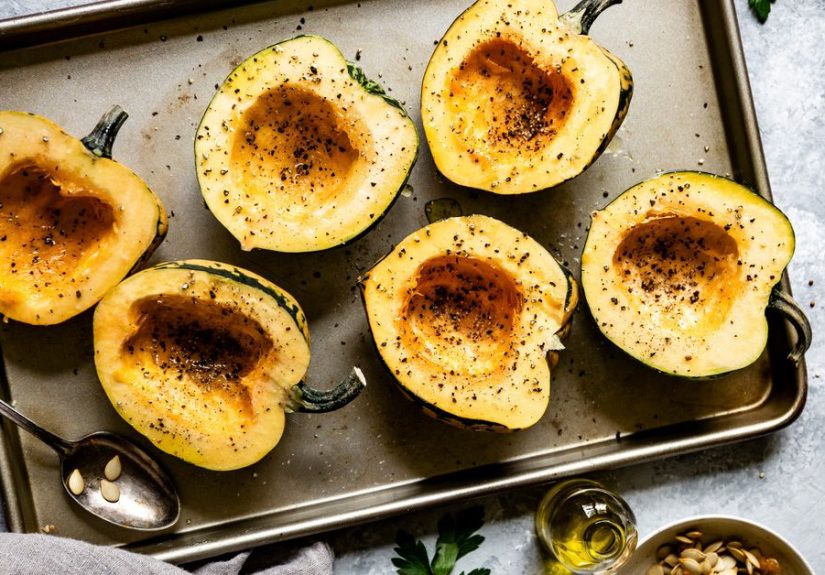
Acorn squash is a type of winter squashthe thick-skinned, long-storing crew that shows up when fall rolls in and your oven starts doing overtime.
It’s usually dark green with ridges (like it’s wearing corduroy) and has orange-yellow flesh that gets buttery when roasted.
Despite the name, it doesn’t taste like acorns. That would be confusing and frankly a little aggressive. The “acorn” part is just the shape.
The flavor is mildly sweet and nutty, which makes it a natural fit for both savory and sweet recipes.
Acorn Squash Nutrition: The Real Numbers
Nutrition can get weird onlineone site swears a food is “basically keto,” another says it’s “basically cake.”
So let’s ground this in a standard reference: cooked, baked acorn squash, measured as a 1-cup serving of cubes (about 205g).
Nutrition snapshot (1 cup cooked/baked)
- Calories: ~115
- Carbs: ~30g (with fiber doing a lot of the heavy lifting)
- Fiber: ~9g
- Protein: ~2.3g
- Fat: ~0.3g
- Potassium: ~896mg
- Magnesium: ~88mg
- Vitamin C: ~22mg
- Manganese: ~0.5mg
What those numbers mean in real life
Acorn squash isn’t “low-carb,” but it’s also not a sugar bomb. The headline is that it’s a carb that comes with a ton of fiber.
And fiber changes the whole experiencehow full you feel, how your digestion behaves, and how your blood sugar responds.
It’s also naturally low in fat and sodium, while delivering minerals people often under-eat (hello, potassium-rich foods list).
Translation: it’s the kind of ingredient that helps your meal feel hearty without needing a food coma afterward.
Health Benefits of Acorn Squash
1) Fiber: the underrated MVP (gut, heart, and “hanger” control)
With roughly 9 grams of fiber per cooked cup, acorn squash punches above its weight.
Fiber supports regular digestion (yes, we’re being polite about it), but it also helps with satietymeaning you feel satisfied longer after eating.
Fiber is also linked with better cardiometabolic outcomes in large population studies. Practically speaking, when you build meals around
fiber-rich foods (like winter squash, beans, whole grains, veggies), you’re stacking the deck in your favor for heart health and steadier energy.
2) Blood pressure support: potassium + a low-sodium personality
Acorn squash brings serious potassium for a vegetable side dish. Potassium helps counterbalance sodium and supports healthy blood pressure
by helping the body manage sodium excretion and relaxing blood vessel tension.
If your usual “side” is a pile of salty chips (no judgment, just observation), swapping in roasted acorn squash is a quiet power move.
Add the fact that cooked acorn squash is naturally low in sodium, and you’ve got a side that plays nicely with heart-smart eating patterns.
3) Vitamin C: antioxidant vibes and tissue support
Vitamin C does more than wave a tiny flag for “immunity.” It’s an antioxidant, meaning it helps protect cells from oxidative stress.
It’s also needed for collagen productioncollagen is a key structural component in connective tissue, which matters for things like skin integrity and wound healing.
Acorn squash isn’t the highest vitamin C food on earth, but it contributes meaningfullyespecially when you’re eating it as part of a bigger, colorful plate.
4) Carotenoids and vitamin A: the orange color is doing its job
That orange flesh is a visual hint that you’re getting carotenoidsplant pigments your body can convert into vitamin A.
Vitamin A supports normal vision and immune function, and it also helps many organs do their day jobs.
In other words: the color is not just for fall aesthetics; it’s functional.
5) Antioxidants: “cellular defense” without the superhero soundtrack
Winter squash as a category is often highlighted for its antioxidant contentvitamins and plant compounds that help reduce cellular damage from free radicals.
You don’t need to memorize that sentence; you just need to remember this:
more colorful plants generally means more protective compounds.
6) Friendlier carbs (especially when you build the plate smart)
Acorn squash contains carbohydratesno plot twist there. The key is context.
Pair it with protein (chicken, tofu, Greek yogurt sauce, lentils) and healthy fats (olive oil, tahini, nuts),
and you’ll slow digestion and feel satisfied longer.
If you’re watching blood sugar, think “portion + pairing,” not “panic + banishment.”
A balanced plate beats a food feud.
7) Weight management: comfort food that doesn’t backstab your goals
Foods that are high in fiber and water content tend to be more filling per calorie.
Roasted acorn squash can give you that “warm, carby comfort” feeling without the calorie density of many refined starches.
It’s not magicit’s just math and physiology working together.
How to Cook Acorn Squash (So It’s Not Just a Holiday Prop)
The easiest method: roast and win
- Heat oven to 400°F.
- Slice squash in half lengthwise. Scoop out seeds and stringy bits.
- Rub cut sides with olive oil, add salt/pepper, and roast cut-side down until tender (often ~40–50 minutes, depending on size).
- Scoop, slice into wedges, or cube the flesh for bowls and salads.
Pro tip: roast extra. Cold roasted acorn squash in a lunch bowl the next day is the kind of practical joy we should all experience more often.
Stuffed acorn squash: the “look how put-together I am” dinner
Once halved and roasted, acorn squash becomes a natural bowl. Fill it with:
- Ground turkey + sautéed onions + spinach + feta
- Lentils + mushrooms + herbs
- Quinoa + black beans + salsa + avocado
It’s colorful, balanced, and looks impressive even if your day was chaos and you’re running on vibes.
Soup, purée, and “hidden veggie” strategy
Scoop roasted flesh into a blender with broth, garlic, and spices (cumin + smoked paprika is a winner).
Add a splash of coconut milk or a spoon of Greek yogurt for creaminess.
This is also a sneaky way to increase vegetable intake without announcing it like a press release.
Can you eat acorn squash skin?
Often, yesespecially when roasted. Thin-skinned winter squashes like acorn can soften enough to be pleasant to chew.
If the texture isn’t your thing, scoop the flesh and move on with your life. Cooking should not feel like a loyalty test.
Shopping, Storage, and Food Safety
How to pick a good one
- Heft matters: it should feel heavy for its size (more flesh, less air).
- Skin should be firm: avoid deep soft spots, cracks, or wet-looking areas.
- Color can vary: darker green is common, but don’t assume “perfect color” equals “perfect taste.”
How to store it
Whole acorn squash does best in a cool, dry spot. Once cooked, refrigerate leftovers in a sealed container and use them within a few days.
If you like meal prep, roasted cubes freeze wellfuture-you will feel personally supported.
Who Should Be a Little Cautious?
If you have kidney disease or potassium restrictions
Acorn squash can be high in potassium per serving. If you’ve been told to limit potassium (or you’re on medications that affect potassium handling),
check with your clinician or dietitian about portion size and frequency.
If your skin gets irritated when you cut it
Rarely, some people experience skin irritation after handling certain squashes. If you notice itching or redness after prep,
wear kitchen gloves next time and wash up promptly. Your hands deserve peace.
Real-Life Experiences with Acorn Squash (The 500+ Word “How It Actually Goes” Section)
The first time I cooked acorn squash, I treated it like a mysterious ornamental gourd that had wandered into my kitchen by accident.
I stared at it like it might explain itself. It did not. So I did what any modern person does when faced with a silent vegetable:
I opened the oven, grabbed a knife, and pretended I had a plan.
Here’s what surprised me: acorn squash is forgiving. You don’t need chef skills or fancy equipment.
You cut it, scoop the seeds, rub a little oil, and let heat do the work. It’s the slow friend who shows up, quietly handles everything,
and never asks for credit. Meanwhile you’re over there burning garlic and blaming “the pan.”
Once I got the hang of roasting, acorn squash became a weekly “supporting actor” ingredient.
It’s not always the main event, but it makes everything else better. Toss cubes into a grain bowl with arugula, chickpeas, and a lemon-tahini dressing?
Suddenly lunch feels like it has emotional stability. Add it to tacos with black beans, pickled onions, and a little hot sauce?
That’s the kind of dinner that convinces you you’re good at adulthood.
The nutrition angle is where it really earned its spot. When you’re trying to eat more fiber, it’s easy to get stuck in a loop of
“oats, beans, repeat.” Acorn squash is a fun way to diversify the lineup.
The fact that it’s naturally sweet makes it feel indulgent, but the fiber makes it behave like a responsible carbohydrate.
It’s the rare food that can be both comforting and practicallike sweatpants with pockets that actually fit your phone.
If you cook for other people, acorn squash is also a social hack. It looks fancy.
Serve halved roasted squash “boats” stuffed with herby rice, sautéed mushrooms, and a sprinkle of Parmesan, and people will assume you’ve got a planner and a skincare routine.
Meanwhile, you can privately know the truth: you just roasted a vegetable and filled it with leftovers.
For families, it can be a gateway veggie. Kids who are suspicious of green things often tolerate orange things.
If you mash roasted acorn squash with a little salt, pepper, and butter (or olive oil), it tastes like a softer, sweeter cousin of mashed potatoes.
You can even do a half-and-half mash: half potatoes, half squash. It’s a stealth upgrade that still feels familiar.
If someone asks, you can say, “It’s seasonal,” and sip water like a wellness influencer.
My favorite “I’m tired” move is roasting extra halves, then scooping the flesh into the fridge.
Throughout the week, that becomes: blended soup, stirred into oatmeal with cinnamon, folded into pasta sauce for creaminess,
or reheated as a side with eggs. The squash doesn’t demand attention. It just shows up and makes meals easier.
And yes, the skin question comes up every time. Some people love eating the roasted skinless waste, more fiber, a little chewy contrast.
Others hate the texture and would rather scoop and move on. Both are correct. Your mouth is the boss of your mouth.
If you take nothing else from these experiences, take this: acorn squash is not just “holiday décor you can technically eat.”
It’s a reliable, nutrient-dense, high-fiber vegetable that can make everyday meals taste warmer, richer, and more satisfying
without requiring a culinary identity crisis.
Conclusion
Acorn squash is one of those foods that feels like a treat but behaves like a health-supporting staple.
It’s packed with fiber, brings meaningful potassium and vitamin C, and fits into a wide range of mealssweet or savory.
Roast it, stuff it, blend it, mash it, meal-prep it. Let it be the cozy, practical friend your weekly menu deserves.