Table of Contents >> Show >> Hide
- What Addison’s Disease Is (and Why Skin Gets Pulled Into It)
- Common Skin Symptoms of Addison’s Disease
- Skin Clues That Suggest Addison’s (Not Just “Random Hyperpigmentation”)
- Other Symptoms That Often Travel With the Skin Changes
- When Skin Changes Are an Emergency: Adrenal Crisis Warning Signs
- How Doctors Diagnose Addison’s Disease (Beyond Looking at Skin)
- Treatment: What Helps the Body (and What Happens to the Skin)
- Specific Examples: How Skin Changes Can Look in Real Life
- Conditions That Can Mimic Addison’s Skin Changes
- Living With Addison’s: Skin, Confidence, and Day-to-Day Wins
- Real-World Experiences (500+ Words): What People Often Describe
- Conclusion
If your skin suddenly looks like it’s been on a tropical vacation you definitely did not takedarker
patches, “mystery tanning,” or new discoloration in odd placesyour body might be sending a hormone SOS.
One condition that can do this is Addison’s disease (also called primary adrenal insufficiency).
It’s rare, but its skin changes can be surprisingly loud compared with how quietly other symptoms creep in.
This article walks through how Addison’s disease affects the skin, what those changes look like on
different body areas and skin tones, how doctors confirm what’s going on, and what treatment can doboth
for your health and your complexion. (Spoiler: your adrenal glands aren’t trying to start a skincare trend.
They’re asking for help.)
What Addison’s Disease Is (and Why Skin Gets Pulled Into It)
Addison’s disease happens when the adrenal glands can’t make enough cortisol and often not enough
aldosterone. In many U.S. cases, the underlying cause is autoimmune damageyour immune system
mistakenly targets the adrenal cortex.
Here’s the skin connection: when cortisol is low, the brain signals the pituitary gland to shout louder by
producing more ACTH (adrenocorticotropic hormone). ACTH is made from a larger “parent” molecule
that’s also related to pigment-stimulating signals. Higher ACTH can stimulate melanocytes (the cells that
make melanin), leading to hyperpigmentationskin and mucous membranes becoming darker.
Common Skin Symptoms of Addison’s Disease
1) Hyperpigmentation (the “bronzing” effect)
The most classic skin sign of Addison’s disease is hyperpigmentation. People often describe it as a
“bronzed,” “tanned,” or “muddy” darkening that doesn’t match sun exposure patterns. It can appear gradually,
sometimes before other symptoms become obvious.
Where it tends to show up:
- Skin folds and creases (palms, knuckles, elbows, knees)
- Scars (including old scars that suddenly look darker)
- Pressure points (areas that rub: belts, bra straps, waistbands)
- Lips and mucous membranes (inside the cheeks, gums)
- Nipples and sometimes genital/anal areas
- Nail beds and palmar creases in some cases
On lighter skin, it may look like a new tan or brown-gray shadowing in creases. On medium to deeper skin tones,
it may appear as deeper contrast in folds, scars, or around the mouth, or as patchy darkening in
areas of friction. Because it can be subtle, it’s often missed unless someone compares photos over time or
notices “why are my knuckles darker than usual?”
2) Darkening inside the mouth (oral pigmentation)
Addison’s disease can cause dark patches on the gums, inner cheeks, and tongue. This can be a helpful clue
because it’s not a typical “sun-related” location. Dentists sometimes notice it first.
3) Vitiligo (patches of lighter skin)
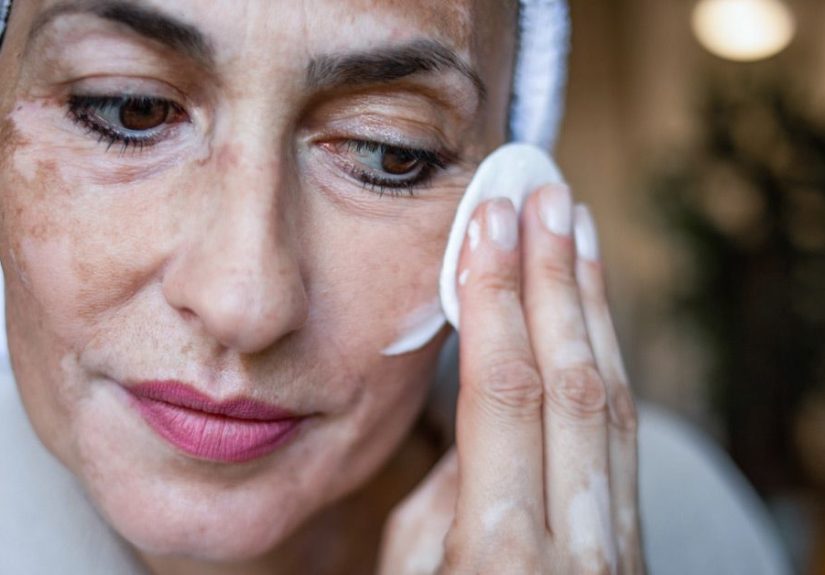
Because Addison’s disease is frequently autoimmune, some people also develop vitiligosmooth,
lighter patches of skin caused by loss of pigment-producing cells. This can happen on the face, hands, arms,
or elsewhere and may be more visible around body openings (mouth, eyes) or on hands.
It’s possible to have both at once: generalized darkening from Addison’s plus distinct light patches from
vitiligo. Skin can feel like it’s trying to become a complicated map. (It’s not being artisticyour immune
system is just overly enthusiastic.)
4) Dryness, reduced sweating, and overall “blah” skin
Not every skin change is about pigment. Low cortisol can affect energy, hydration, and how your body handles
stress. Some people report dry skin, less “bounce,” or skin that looks dulloften alongside fatigue,
weight loss, or low blood pressure.
5) Hair and androgen-related changes (more noticeable in women)
The adrenal glands also contribute to androgen production. In some women, adrenal insufficiency can contribute
to reduced underarm or pubic hair and changes in libido. This isn’t strictly a “skin symptom,” but it’s a
related body-surface clue doctors consider.
Skin Clues That Suggest Addison’s (Not Just “Random Hyperpigmentation”)
Hyperpigmentation has many causes. What makes Addison’s more likely is the pattern plus other symptoms.
Doctors pay attention when darkening shows up in:
- Skin creases, scars, and pressure points
- Lips and inside the mouth
- New “tan” with no sun exposure
- Darkening plus symptoms like dizziness on standing, salt cravings, nausea, or chronic fatigue
Another clue: in secondary adrenal insufficiency (when the pituitary doesn’t produce enough ACTH),
people typically do not develop the same hyperpigmentation because ACTH levels aren’t elevated.
Other Symptoms That Often Travel With the Skin Changes
Skin signs are just one part of the story. Addison’s disease often includes:
- Fatigue that worsens over time
- Weight loss and reduced appetite
- Low blood pressure, dizziness, or feeling faint when standing
- Salt cravings
- Nausea, abdominal discomfort, vomiting, or diarrhea
- Muscle weakness and aches
- Mood changes (irritability, low mood) and “brain fog”
When Skin Changes Are an Emergency: Adrenal Crisis Warning Signs
Addison’s disease can become dangerous if cortisol levels drop too low during illness, injury, or severe stress.
This is called an adrenal crisis and needs emergency care. Seek urgent help if symptoms include:
- Severe weakness, confusion, or fainting
- Severe vomiting/diarrhea with dehydration
- Severe abdominal, back, or leg pain
- Very low blood pressure or shock-like symptoms
Skin changes themselves aren’t the emergencybut they can be the early billboard that leads to diagnosis
before a crisis happens.
How Doctors Diagnose Addison’s Disease (Beyond Looking at Skin)
A clinician will combine skin findings with medical history, exam, and lab testing. Common steps include:
Blood and hormone testing
- Morning cortisol and ACTH levels
- Electrolytes (low sodium and high potassium can occur in primary adrenal insufficiency)
- Renin/aldosterone assessment to evaluate mineralocorticoid deficiency
- Autoimmune antibodies in some cases (to assess autoimmune adrenalitis)
ACTH stimulation test (cosyntropin test)
This is a common confirmatory test. It checks whether the adrenal glands can produce cortisol when stimulated.
In primary adrenal insufficiency, the cortisol response is often low or absent.
Looking for associated autoimmune conditions
Because autoimmune Addison’s can travel with other autoimmune diseases, doctors may screen for thyroid disease,
type 1 diabetes, pernicious anemia, or vitiligo depending on symptoms and history.
Treatment: What Helps the Body (and What Happens to the Skin)
1) Hormone replacement is the main treatment
Addison’s disease is treated by replacing the hormones the adrenal glands aren’t makingtypically:
- Glucocorticoids (often hydrocortisone; sometimes prednisone or similar alternatives)
- Mineralocorticoids (often fludrocortisone) when aldosterone is deficient
This treatment is long-term (often lifelong). Dosage adjustments may be needed over time to match your body’s needs,
lifestyle, and stress levels.
2) “Stress dosing” during illness or surgery
Because cortisol is a stress hormone, people with Addison’s typically need higher doses during fever, infection,
surgery, or serious injury. Many patients are taught “sick day rules” and may carry emergency injectable steroids.
3) Emergency identification
Wearing a medical alert bracelet and carrying an emergency ID card can be life-saving. In an emergency, it helps
clinicians treat quicklyespecially if vomiting or confusion makes it hard to explain what’s wrong.
4) What treatment does for hyperpigmentation
When hormone replacement lowers ACTH toward normal, hyperpigmentation may gradually fade. However,
it doesn’t always disappear quickly. For some people, it improves over months; for others, some discoloration
lingers, especially in high-friction areas or scars.
Practical skin-support strategies (not a replacement for medical therapy) can include:
- Sun protection (UV exposure can deepen pigmentation contrast)
- Gentle skincare to reduce irritation in already-darkened folds
- Cosmetic camouflage if discoloration affects confidence
5) Treating vitiligo (if present)
Vitiligo treatment is separate from Addison’s hormone replacement. Dermatology options can include
topical corticosteroids, topical calcineurin inhibitors (like tacrolimus/pimecrolimus), and phototherapy
for appropriate candidates. The goal is often repigmentation, slowing spread, or improving appearancedepending
on what the person wants.
Specific Examples: How Skin Changes Can Look in Real Life
Addison’s-related skin changes don’t follow one “template,” but these examples illustrate patterns clinicians watch for:
-
Example A: A person notices their hands look “permanently dirty” along the knuckles and palm creases,
despite normal washing. They also feel dizzy standing up and crave salty snacks. -
Example B: A runner is told they “look tan and healthy,” but the “tan” shows up in scars, elbows,
and around the lips. Fatigue and unintentional weight loss are brushed off as overtraininguntil labs reveal
abnormal cortisol/ACTH. -
Example C: Someone with autoimmune thyroid disease develops new light patches on the hands (vitiligo)
while also developing darker pigmentation in skin folds. The combination triggers an endocrine workup.
Conditions That Can Mimic Addison’s Skin Changes
Hyperpigmentation can come from many causes, so clinicians consider alternatives such as:
- Melasma (often facial, associated with hormones and sun)
- Post-inflammatory hyperpigmentation (after eczema, acne, injury)
- Medication-related pigmentation (varies by drug)
- Hemochromatosis (“bronze diabetes” pattern)
- Acanthosis nigricans (velvety darkening in folds, often linked to insulin resistance)
The difference is that Addison’s tends to involve mucous membranes and scars/creases in a characteristic way,
and it’s usually paired with systemic symptoms (fatigue, low blood pressure, GI symptoms).
Living With Addison’s: Skin, Confidence, and Day-to-Day Wins
Getting the right diagnosis often changes everything. With stable hormone replacement and a clear plan for stress dosing,
many people return to school, work, travel, and exercise. Skin changes may improve, and even when they don’t fully fade,
understanding the cause can reduce anxiety (“So I’m not secretly turning into a sepia filtercool.”).
If skin changes bother you emotionally, it’s valid to address that. Ask your clinician about dermatology referral,
safe cosmetic camouflage, and supportive care. Medical treatment keeps you alive and well; supportive skin care helps you
feel like yourself while you’re doing it.
Real-World Experiences (500+ Words): What People Often Describe
People living with Addison’s disease often say the skin changes were the “weird clue” they couldn’t unseeespecially
in hindsight. A common story is that hyperpigmentation starts subtly, then becomes obvious once someone points it out.
Many describe friends saying things like, “Have you been in the sun?” when they haven’t. Others notice darkening in
places that don’t make sense for sun exposure, like the gums, scars, or the creases of the hands.
Another frequent theme is being misread as “just tired”. Fatigue is one of the most common Addison’s symptoms,
but it’s also one of the easiest to dismiss. People report months of dragging themselves through the day, needing extra
naps, and feeling wiped out by normal activitieswhile being told it’s stress, a busy season, or not sleeping enough.
The skin changes sometimes become the tipping point that finally earns a deeper medical workup.
Some individuals describe a frustrating cycle: they try new skincare products, exfoliate more, switch soaps, or chase
“brightening” routinesbecause the discoloration looks like a cosmetic issue. But since the root cause is hormonal,
no cleanser can “wash off” what ACTH is telling melanocytes to do. Once Addison’s is diagnosed and hormone replacement
starts, people often say the skin gradually looks more like “them” again, but the timeline varies. Some notice changes
within months; others say certain areas (like scars, elbows, and knuckles) remain darker longer, especially if there’s
constant friction.
For those who also develop vitiligo, experiences can be mixed. Some people aren’t bothered by lighter patches; others
find them emotionally tough, particularly when patches appear on the face or hands. People commonly describe learning
practical strategies: sunscreen to prevent contrast from increasing, makeup or camouflage products for events, and
choosing clothing they feel confident in. When dermatology treatments are pursued, people often mention that results
can be gradual and unevenimproving in some areas more than others. The most helpful part, many say, is having a plan
that matches their goals, whether that’s repigmentation or simply protecting the skin and letting it be.
A big “quality of life” shift people frequently mention is learning the stress-dose routine. At first,
carrying emergency meds or wearing medical ID can feel intimidatinglike your body needs an instruction manual (because,
honestly, it does). Over time, many describe it becoming routine, like carrying a phone charger: not dramatic, just smart.
People also talk about how empowering it feels to understand symptoms earlyrecognizing when nausea, dizziness, or unusual
weakness might mean they need medical help.
Finally, many describe a surprising emotional journey: relief that symptoms have a name, anger that it took so long,
and then confidence as treatment stabilizes life again. Skin changeshyperpigmentation, vitiligo, drynessoften become
less scary once they’re understood as part of a bigger, treatable condition. The overall takeaway from patient stories
is consistent: the skin may be the first to “tell,” but with the right medical care, it doesn’t have to be the last word.
Conclusion
Addison’s disease can leave visible clues on the skinmost famously hyperpigmentation in scars, folds, pressure points,
and even inside the mouth. Because the condition affects essential hormones, it’s not just a cosmetic issue; it’s a health
issue that deserves timely diagnosis and treatment. The good news is that hormone replacement therapy is highly effective
when properly managed, and many people see skin changes improve over time.
If you or someone you know has unexplained skin darkening (especially in creases/scars) along with fatigue, dizziness,
GI symptoms, or salt cravings, consider asking a clinician about adrenal testing. When it comes to Addison’s disease,
catching it early can prevent serious complicationsand help your skin stop freelancing.