Table of Contents >> Show >> Hide
- A Grammys Moment That Felt Bigger Than an Award
- Why Céline Dion’s SPS Diagnosis Was So Heartbreaking
- What Is Stiff Person Syndrome?
- Why the Grammys Appearance Felt Like a Symbol of Resilience
- The Emotional Power of Seeing an Icon Be Human
- From Private Struggle to Public Strength
- Why Fans Reacted So Strongly
- What Her Appearance Says About Chronic Illness and Public Life
- The Legacy Behind the Moment
- Experience-Based Reflections: What Viewers Can Take From Céline Dion’s Grammys Return
- Conclusion
Céline Dion has always understood the power of an entrance. Sometimes it is a soaring key change. Sometimes it is a glittering gown. And sometimes, as the 2024 Grammy Awards reminded the world, it is simply walking onto a stage after years of pain, silence, and uncertainty.
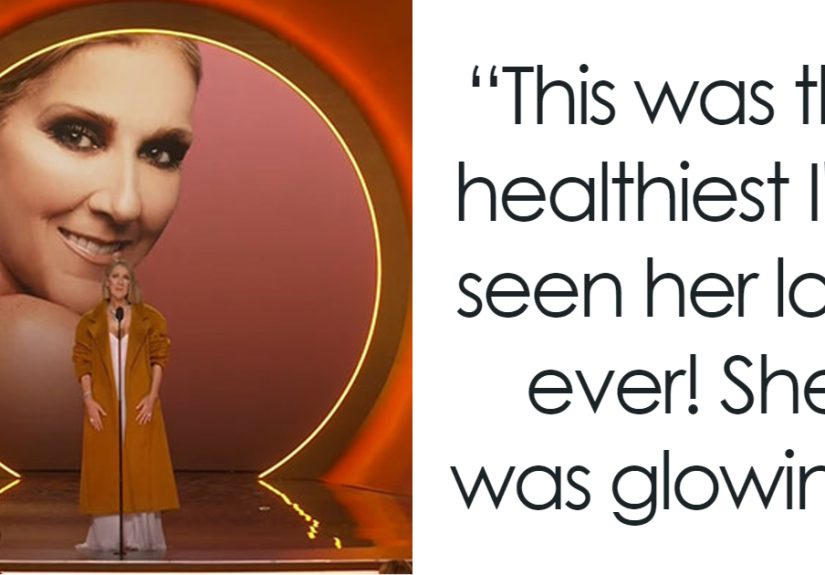
When Dion appeared at the 66th annual Grammy Awards in Los Angeles to present Album of the Year, the room did not merely applaud. It rose. The standing ovation was not just for a five-time Grammy winner or the voice behind “My Heart Will Go On.” It was for a woman who had stepped away from performing after revealing her diagnosis with stiff person syndrome, commonly known as SPS, a rare neurological disorder that can cause muscle rigidity, painful spasms, and serious disruption to daily life.
For fans, the moment felt both glamorous and deeply human. Dion did not perform a full set. She did not need to. Her presence carried the weight of a comeback ballad, minus the wind machine. After a heartbreaking health announcement that changed the course of her career, Céline Dion’s rare public appearance at the Grammys became one of the night’s most emotional highlights.
A Grammys Moment That Felt Bigger Than an Award
The 2024 Grammy Awards were already packed with major pop culture moments. Taylor Swift made history by winning Album of the Year for Midnights, becoming the first artist to win that category four times. But before that history was sealed, the audience witnessed another kind of milestone: Céline Dion returning to the Grammy stage.
Dion presented the final award of the evening, Album of the Year, a category she knows well. In 1997, she won the same honor for Falling into You, one of the defining albums of her career. Nearly three decades later, she stood before a new generation of artists and fans, reminding everyone that music is not simply entertainment. It is memory, survival, connection, and occasionally the reason millions of people suddenly become emotionally unstable on a Sunday night.
Her appearance was brief, but it carried unusual emotional force. Dion thanked the crowd, acknowledged the love coming back at her, and spoke about the joy that music brings. Her delivery was poised, warm, and unmistakably Céline: elegant enough for the Grammys, sincere enough to make viewers reach for tissues, and strong enough to turn a presenter slot into a cultural moment.
Why Céline Dion’s SPS Diagnosis Was So Heartbreaking
In December 2022, Dion publicly shared that she had been diagnosed with stiff person syndrome. The news stunned fans because the condition directly affected the two things most associated with her public life: movement and voice. Dion explained at the time that spasms had interfered with her ability to walk and prevented her from using her vocal cords the way she was accustomed to using them.
For a singer whose career is built on vocal control, breath, posture, and physical stamina, SPS was not a small inconvenience. It was the kind of diagnosis that forces an artist to rethink nearly everything. Tours were postponed and later canceled. Public appearances became rare. The woman who once filled arenas with notes that seemed to orbit the moon had to focus on treatment, therapy, and daily management.
That is why her Grammys appearance mattered. It was not a simple “celebrity spotted” moment. It was a public reminder that illness can interrupt even the most extraordinary lives. It can silence stages, alter plans, and force a person to rebuild quietly while the world wonders when, or whether, they will return.
What Is Stiff Person Syndrome?
Stiff person syndrome is a rare neurological disorder often associated with autoimmune features. It commonly causes progressive muscle stiffness and painful spasms, especially in the torso and limbs. Symptoms can vary from person to person, but many people experience episodes that affect posture, balance, movement, and comfort.
Medical experts describe SPS as rare, complex, and often difficult to diagnose. Some patients may be sensitive to triggers such as sudden noise, stress, touch, temperature changes, or unexpected movement. That means ordinary life can become unpredictable. A loud sound is no longer just annoying; it may become physically distressing. The body can feel as if it has decided to run its own very unpleasant software update.
There is no simple cure for SPS, but treatments may help manage symptoms. These can include medications to reduce spasms, immune-targeting therapies such as IVIg, physical therapy, occupational therapy, and coordinated care from specialists. For performers, the challenge can be even more complicated because singing depends on breath control, muscle coordination, stamina, and confidence.
Why the Grammys Appearance Felt Like a Symbol of Resilience
Resilience is an overused word, especially online, where it is sometimes applied to everything from surviving Monday emails to assembling furniture without crying. But in Dion’s case, the word fits. Her Grammys appearance was not framed as a full comeback tour or a promise that everything was suddenly fine. It was something quieter and more honest: a step into public view after a difficult chapter.
The standing ovation captured what fans were feeling. People were not cheering only for past hits. They were honoring her willingness to appear despite the uncertainty surrounding her health. It takes courage to return to a public stage when your body has become unpredictable, especially when the world remembers you as nearly superhuman.
Dion’s career has always been associated with control. Her vocals are precise, powerful, and technically dazzling. SPS, by contrast, represents a loss of control. That tension made the Grammys moment especially moving. She stood there not as an untouchable icon, but as a person navigating a rare illness while still carrying herself with grace.
The Emotional Power of Seeing an Icon Be Human
One reason Céline Dion’s Grammys appearance resonated so strongly is that it allowed fans to see fame stripped down to something more universal. Most people will never sing at Caesars Palace, win Grammys, or own a coat dramatic enough to deserve its own publicist. But many people understand illness, uncertainty, caregiving, recovery, and the ache of wanting to return to a life that has changed.
Dion’s public journey has helped bring attention to SPS, a condition many people had never heard of before her announcement. Celebrity health stories can be complicated, but they can also create awareness. When someone as globally beloved as Dion speaks openly about a rare disorder, people search for information, learn symptoms, and become more compassionate toward invisible illnesses.
That awareness matters. Rare diseases can be lonely. Patients may spend years seeking answers, explaining symptoms that are hard to see, or coping with conditions that friends and coworkers do not understand. Dion’s visibility does not solve those challenges, but it can make the conversation larger and more humane.
From Private Struggle to Public Strength
After her diagnosis, Dion largely stepped away from the spotlight. That silence was not absence in the careless sense; it was recovery, treatment, and adaptation. For someone who had spent decades giving audiences every note she had, stepping back was itself an act of self-preservation.
Her later public moments, including the documentary I Am: Céline Dion and her emotional return to singing at the Paris Olympics opening ceremony, added more context to the Grammys appearance. They showed that Dion’s path was not a straight line from illness to triumph. It was a complicated road filled with therapy, vulnerability, and determination.
That makes the Grammys moment even richer in hindsight. It was not simply a surprise cameo. It was one visible chapter in a larger story about rebuilding a life and career around a condition that demands patience. Fans love a comeback, but real comebacks are rarely tidy. They are usually made of small victories, careful choices, and a lot of work nobody sees.
Why Fans Reacted So Strongly
Fans reacted emotionally because Dion occupies a special place in popular music. She is not merely a singer with famous songs. She is a soundtrack to weddings, movies, heartbreaks, road trips, talent shows, karaoke nights, and dramatic showers where people pretend the shampoo bottle is a microphone. Her voice is attached to personal memories.
Seeing her at the Grammys brought those memories back. For older fans, it recalled the era when Dion dominated pop ballads with staggering vocal power. For younger viewers, it introduced the human story behind the legend. For everyone watching, it was a reminder that icons age, hurt, heal, and still deserve room to return on their own terms.
The beauty of the moment was that it did not require spectacle. Dion did not need fireworks, dancers, or a medley of hits. She needed only presence. In an awards show famous for big productions, the simplest appearance became one of the most unforgettable.
What Her Appearance Says About Chronic Illness and Public Life
Céline Dion’s Grammys appearance also opened a wider conversation about chronic illness. People living with serious conditions often face pressure to look “better” before others believe they are coping. Public figures face that pressure multiplied by cameras, headlines, and social media commentary.
A person can look glamorous and still be managing serious symptoms. They can smile and still be in treatment. They can appear strong and still need support. Dion’s appearance reminded viewers not to confuse a polished public moment with a complete medical recovery.
That distinction is important. Health journeys are rarely all-or-nothing. A rare appearance does not mean the illness has vanished. A strong public speech does not erase the need for therapy or medical care. It simply shows that the person is still participating in life where and when they can.
The Legacy Behind the Moment
Dion’s Grammy appearance worked because it rested on decades of earned admiration. She rose from Charlemagne, Quebec, to become one of the most recognizable voices in the world. Her career includes French-language success, English-language superstardom, blockbuster soundtrack hits, Las Vegas residencies, and a global fan base that spans generations.
Her voice has always been her signature, but her discipline has been just as important. Dion is known for professionalism, vocal technique, and emotional delivery. Those qualities made her health setback especially painful for fans to witness, but they also made her return to the Grammys feel deeply meaningful.
The moment was not about pretending nothing had happened. It was about honoring everything that had happened and still choosing to stand in the light. That is a different kind of performance, but perhaps an even braver one.
Experience-Based Reflections: What Viewers Can Take From Céline Dion’s Grammys Return
For many viewers, Céline Dion’s rare public appearance after her SPS diagnosis felt personal because it reflected experiences that go far beyond celebrity culture. Anyone who has watched a loved one deal with illness understands the strange mix of hope and caution that comes with a public milestone. You want to celebrate the moment, but you also know that one good day does not erase the difficult ones.
That is part of what made the Grammys appearance so powerful. It showed that returning to life after a diagnosis does not always mean returning exactly as before. Sometimes it means attending one event, standing on one stage, or saying a few heartfelt words. Progress can be quiet. It can be brief. It can wear couture. But it is still progress.
People living with chronic conditions often speak about the emotional challenge of being seen only through their illness. Dion’s appearance offered a different frame. She was not introduced as a patient. She was welcomed as an artist, a legend, and a respected member of the music community. That matters because illness may change a person’s daily life, but it does not erase their identity, talent, humor, memory, or dignity.
Her moment also teaches fans how to respond better. The standing ovation was not pity; it was respect. There is a difference. Pity can make a person feel smaller. Respect makes room for the whole story: the struggle, the effort, the history, and the courage it takes to show up. In everyday life, that might mean not pressuring someone to “get back to normal,” but instead celebrating what they are able to do today.
The Grammys appearance also reminds us that public figures do not owe the world constant access. Dion stepped back because her health required it. That choice deserves the same admiration as any performance. In a culture that often treats visibility as proof of value, her absence was a reminder that rest, privacy, and treatment are not failures. They are part of survival.
For fans, the experience of watching Dion return was emotional because it combined nostalgia with realism. The voice that once seemed limitless had been affected by a rare condition. The star who delivered impossible notes was now showing a different kind of strength. Instead of asking audiences to marvel only at perfection, she invited them to witness perseverance.
And maybe that is why the moment still lingers. Céline Dion did not need to sing to remind people why they love her. She walked onto the Grammys stage, accepted the love in the room, and gave it back with grace. For anyone facing a changed life, that image is worth holding onto: you do not have to be exactly who you were before to be worthy of applause.
Conclusion
Céline Dion’s rare public appearance at the 2024 Grammy Awards was more than a surprise celebrity moment. It was a moving reminder of resilience after a heartbreaking SPS diagnosis, a tribute to her enduring place in music, and a public act of courage from an artist who has given the world decades of unforgettable songs.
Her presence onstage showed that strength is not always loud. Sometimes it is measured in a careful walk, a steady voice, a grateful smile, and the decision to appear when disappearing would be easier. For fans, Dion’s Grammys moment was a celebration of music, memory, and the human spirit. For everyone else, it was a reminder that legends are still human, and sometimes that makes them even more legendary.