Table of Contents >> Show >> Hide
- Why a Sub-$90 AirPods Deal Is Such a Big Deal
- Which AirPods Usually Drop Below $90?
- Why Prime Day Is the Perfect Stage for an AirPods Price Drop
- Who Should Buy AirPods at This Price?
- Who Should Probably Skip the Deal?
- How to Shop the Deal Without Getting Burned by the Hype
- Why This Deal Keeps Winning the Prime Day Conversation
- Real-World Experiences: What Shopping This Prime Day Deal Actually Feels Like
- Final Take
Editor’s note: Prime Day prices can move faster than your group chat when someone types “free pizza in the break room.” The headline price may apply to a specific AirPods generation, color, or inventory batch, so shoppers should always double-check the exact model before tapping “Buy Now.”
Every Prime Day needs a hero, and every year the internet practically elects one. Sometimes it is a robot vacuum. Sometimes it is a TV so big it deserves its own ZIP code. But again and again, one deal manages to steal the spotlight: AirPods at a price that suddenly feels less “Apple premium” and more “okay, now we’re listening.”
That is why the phrase “AirPods drop below $90” hits shoppers like a double espresso. It turns a famously sticky Apple product into an impulse buy. It makes people who swore they were “just browsing” start doing mental math. And it gives Prime Day the kind of buzzy, brag-to-your-friends deal that keeps the event trending far beyond tech circles.
But here is the part that matters: a sub-$90 AirPods deal is not just about the number. It is about value, timing, model selection, and expectations. Sometimes that under-$90 sticker belongs to AirPods 2. In more recent deal cycles, it can also apply to standard AirPods 4. Either way, the headline grabs attention because it slashes the cost of joining Apple’s audio ecosystem without forcing buyers into the more expensive Pro tier.
This article breaks down why the under-$90 threshold matters, which AirPods models are usually involved, who should jump on the deal, who should skip it, and how to shop Prime Day without accidentally buying yesterday’s tech at today’s hype price. Because a good deal is fun. A smart deal is even better.
Why a Sub-$90 AirPods Deal Is Such a Big Deal
AirPods are not just earbuds. They are a gateway product in the Apple ecosystem. The pairing is easy, the case is pocket-friendly, and the experience is designed to feel frictionless in the way Apple products often do. Open the lid, connect, and boom: you are now the sort of person who answers calls while looking mysteriously productive in a coffee shop.
That convenience is exactly why AirPods rarely feel “cheap,” even when they are older. So when Prime Day pushes them under $90, the psychology changes. Suddenly shoppers are not comparing them to premium earbuds anymore. They are comparing them to random wireless earbuds from brands they have to Google twice. And in that comparison, Apple’s name, ecosystem perks, and familiar design become much more persuasive.
The sub-$90 price point also hits a sweet spot for gift buyers. It is low enough to feel reasonable for birthdays, back-to-school season, holiday shopping, or a “you survived the semester” reward. Yet it is still premium enough to feel exciting. Nobody unwraps AirPods and says, “Wow, sensible.” They say, “Nice.” That matters more than marketing departments would ever admit.
Which AirPods Usually Drop Below $90?
AirPods 2: The Classic Budget Favorite
For many Prime Day shoppers, the under-$90 headline has traditionally pointed to AirPods 2. These earbuds have stuck around longer than many expected because they still do the fundamentals well. They are lightweight, easy to use, and comfortable for people who prefer the classic open-ear Apple shape over in-ear silicone tips.
AirPods 2 are the “keep it simple” choice. You get fast pairing, reliable everyday audio, and a charging case that makes casual use easy. They are great for phone calls, podcasts, YouTube, commuting, and the kind of background music sessions where you are not analyzing every bass note like a studio engineer.
The main compromise is that they do not offer active noise cancellation, and their older design is less feature-packed than newer models. But when the price dips below $90, shoppers tend to forgive that quickly. At that point, the conversation changes from “Are these the newest?” to “Do these do enough for what I need?” For many buyers, the answer is yes.
AirPods 4: The Newer Twist on the Same Headline
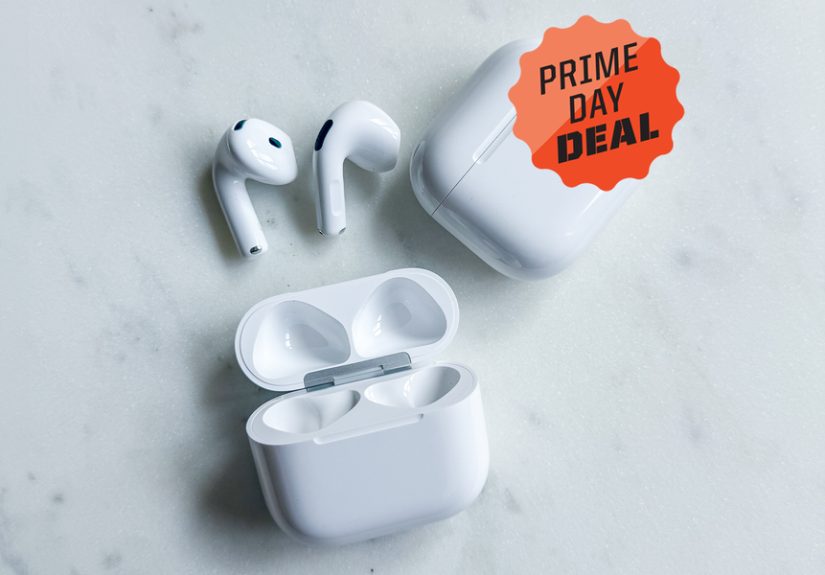
In newer deal cycles, the standard AirPods 4 have also flirted with or hit the $89 mark. That is where the headline gets even more interesting. Now you are not just buying the entry-level Apple earbuds of yesterday. You may be getting a newer generation with updated design language, smarter feature positioning, and better overall long-term value.
If AirPods 4 are available around $89, that deal deserves extra attention. Why? Because it brings newer hardware into the same emotional price zone once dominated by older AirPods 2. In plain English: you are paying budget-ish money for something that feels a lot less budget-ish.
For shoppers deciding between AirPods 2 and AirPods 4, the question becomes simple: Is the newer design worth it at nearly the same price? If the answer is yes, the newer model is usually the smarter buy. If the older pair is meaningfully cheaper and you only care about basic Apple convenience, AirPods 2 can still make perfect sense.
What About AirPods Pro?
This is where Prime Day gets sneaky. A headline about AirPods under $90 can pull shoppers into the sale, but many eventually start eyeing AirPods Pro. Why? Because once discounts appear, the gap between “good enough” and “really nice” can feel smaller than expected.
AirPods Pro usually offer the features many shoppers think all AirPods already have: active noise cancellation, transparency mode, a more secure in-ear fit, and a generally more premium listening experience. If you travel often, work in noisy places, or care deeply about blocking out the sound of a stranger watching videos at full volume in public, the Pro line may be worth the jump.
Still, the under-$90 deal matters because it gives buyers a clear entry point. Not everyone wants to spend Pro money. Some people just want reliable Apple earbuds for calls, music, workouts, and everyday life. That is exactly why these lower-tier Prime Day AirPods deals become such crowd-pleasers.
Why Prime Day Is the Perfect Stage for an AirPods Price Drop
It Is a Trust Deal, Not Just a Tech Deal
Prime Day is built on urgency, but not every deal earns trust. AirPods do. Shoppers already know the product. They know the brand. They understand the use case. So when the price falls hard, the value is instantly legible. There is no need to watch a 17-minute explainer titled “Are XQZPods Worth It in 2026?”
That trust makes AirPods one of the strongest “headline deals” Amazon can feature. A sub-$90 price is easy to understand, easy to share, and easy to justify. Even people who are not actively shopping for earbuds may pause when they see it.
The Deal Feels Rare, Even When It Is Somewhat Predictable
Here is the funny thing about Prime Day: some of its most famous deals are both surprising and expected. AirPods under $90 are one of those deals. Shoppers hope for it every year, but when it actually appears, it still feels dramatic. That is because Apple products rarely carry the same discount energy as generic electronics. A price drop on AirPods always looks more important than the same dollar-off amount on a lesser-known brand.
That emotional reaction is a big part of the appeal. Prime Day is not just about saving money. It is about the thrill of feeling like you got in at the right moment. AirPods make that feeling very easy to sell.
Who Should Buy AirPods at This Price?
Buy them if you want easy Apple integration. This is the big one. If you use an iPhone, iPad, or Mac regularly, AirPods still offer one of the smoothest wireless audio experiences around. The setup is quick, switching between devices is generally painless, and the everyday convenience is real.
Buy them if you mainly listen in quieter spaces. For home, office, campus, and casual commuting, standard AirPods are often enough. If your listening habits center on podcasts, calls, playlists, and video streaming, you may never miss the Pro features.
Buy them if you are shopping for a gift. Few tech gifts are easier to understand. You do not need to guess someone’s clothing size, gaming preferences, or kitchen aesthetic. If they use Apple devices, AirPods are a safe bet.
Buy them if you have been waiting for the “right” Apple deal. Many shoppers like Apple products but dislike Apple pricing. Prime Day solves that tension, at least temporarily.
Who Should Probably Skip the Deal?
Skip it if you need noise cancellation. If noisy airplanes, trains, or offices are a daily problem, standard AirPods may leave you wanting more. AirPods Pro or a strong alternative with ANC will likely make you happier.
Skip it if fit has always been a problem. Apple’s non-tip earbud shape is iconic, but it is not universal. For some ears, it feels barely there. For others, it feels like the earbuds are preparing an escape plan at all times.
Skip it if you mostly use Android. AirPods can work with Android devices, but much of their magic comes from Apple ecosystem features. Without that, their value proposition becomes less obvious.
How to Shop the Deal Without Getting Burned by the Hype
Check the Exact Model Name
“AirPods” is not specific enough. Always confirm whether the listing is for AirPods 2, AirPods 4, or AirPods Pro. Prime Day pages move fast, and shoppers can get caught by a familiar product photo while missing a key detail in the title.
Watch for the Seller and Fulfillment Details
During massive sale events, plenty of listings start looking similar. Confirm that the product is sold by a trusted seller and not a weird marketplace listing that feels one step away from arriving in a cereal box.
Compare Against Other Retailers
Prime Day trains shoppers to think Amazon has the best deal automatically. Sometimes it does. Sometimes Walmart, Best Buy, or Target quietly match the price. A five-second comparison can save money, speed up shipping, or make returns easier.
Know Your Upgrade Ceiling
Before shopping, decide how much more you are willing to spend for features like ANC, newer hardware, or better battery performance. Otherwise, a simple $89 earbud deal can somehow turn into a $169 checkout total and a deep personal reflection on your spending habits.
Why This Deal Keeps Winning the Prime Day Conversation
There are flashier gadgets. There are bigger discounts. There are probably stranger deals too. Yet AirPods below $90 keep winning attention because they sit at the intersection of brand trust, practical usefulness, and just-low-enough pricing. They feel mainstream, aspirational, and attainable all at once.
That combination is rare. Plenty of cheap earbuds exist, but they do not carry the same shorthand. When shoppers see AirPods at this price, they immediately understand what is being offered and why it matters. No translation required.
That is what makes the headline so sticky. It is not only about earbuds. It is about access. Prime Day takes a product long associated with premium pricing and drops it into the impulse zone. That is marketing gold, shopper catnip, and very good business all wrapped into one tiny white charging case.
Real-World Experiences: What Shopping This Prime Day Deal Actually Feels Like
Let’s be honest: buying AirPods for under $90 during Prime Day is rarely a calm, meditative experience. It is usually part strategy, part adrenaline, and part “Why is my browser suddenly fighting me?” You start the day telling yourself you are just going to look around. Maybe check a few prices. Maybe grab paper towels. Maybe act like a responsible adult. Then you see the AirPods deal banner and your brain immediately turns into a game show contestant slapping the buzzer.
The first emotion is disbelief. Not because AirPods never go on sale, but because the number looks wrong in the best possible way. Apple products have trained shoppers to expect modest discounts, not dramatic ones. So when that familiar product image appears next to a price below $90, it feels a little like seeing a luxury car in the grocery store parking lot with a giant coupon taped to the windshield.
Then comes the comparison phase. You open three tabs. Maybe five. One says AirPods 2. Another says AirPods 4. Another whispers something seductive about AirPods Pro. Now you are no longer “checking a deal.” You are conducting a full economic summit in your head. You ask yourself serious questions like: Do I need active noise cancellation? Will I use them for work calls? How much do I value not hearing leaf blowers? This is all very normal Prime Day behavior.
For many shoppers, the excitement comes from how easy the purchase feels to justify. These are not random earbuds from a mystery brand with a name that sounds like a Wi-Fi password. They are AirPods. You know what they are. You know how they fit into daily life. You can imagine using them on calls, while walking, at the gym, on campus, or during long commutes. The practicality gives the deal staying power.
There is also a quiet sense of victory in catching the deal at the right moment. Prime Day rewards speed, but it also rewards preparation. People who have been watching Apple prices for months know exactly what the sub-$90 line means. It is not just “cheaper.” It is a psychological threshold that says, “Okay, now this is serious.” Buying at that point feels less like splurging and more like timing the market, except with earbuds instead of stocks and far fewer spreadsheets.
After checkout, the mood shifts again. There is relief, followed by a tiny burst of smugness. You imagine the package arriving. You imagine opening the box. You imagine that satisfying first connection pop-up on your iPhone. For gift buyers, there is even more satisfaction because AirPods still feel like a present with some sparkle to it. They are practical, yes, but they also carry a certain “nice pick” energy.
Of course, there is always one final Prime Day ritual: checking the price again later. Not because you need to, but because every deal shopper shares the same curious instinct. Did it go lower? Did I nail it? Did I beat the crowd? Sometimes the answer is yes. Sometimes the answer is “close enough.” Either way, when AirPods land below $90, most buyers walk away feeling like they played Prime Day exactly right.
Final Take
“Amazon Prime Day: AirPods Drop Below $90” works as a headline because it captures a very real shopping truth. When Apple’s entry-level earbuds dip into that price zone, shoppers pay attention immediately. The deal is compelling, giftable, highly shareable, and easy to understand. Better yet, it often signals a broader opportunity: either grab a budget-friendly pair of AirPods, or use the sale to measure whether a step-up model is finally worth the extra money.
In other words, the magic is not just in the discount. It is in what the discount unlocks. For some buyers, that means finally joining the AirPods club without overspending. For others, it means recognizing that Prime Day hype should still come with a little homework. Either way, when AirPods fall below $90, the deal earns its place in the spotlight.