Table of Contents >> Show >> Hide
- Why Drinks Matter So Much for Weight Loss
- Best Weight Loss Drinks to Include in a Healthy Diet
- Drinks to Limit or Avoid for Better Weight Loss Results
- How to Choose Healthful Weight Loss Drinks
- Simple Weight Loss Drink Swaps
- A Practical Daily Drink Plan for Weight Loss
- Common Myths About Weight Loss Drinks
- Experience-Based Tips: What Actually Works in Daily Life
- Conclusion
- SEO Tags
Weight loss drinks sound like they should come with a tiny cape and a promise to rescue your jeans by Friday. In reality, no drink melts fat while you sit dramatically on the couch watching cooking videos. But the right beverages can absolutely support a healthy weight loss plan by reducing empty calories, improving hydration, helping you feel satisfied, and making your diet easier to stick with.
The key is not chasing “detox” magic or neon-colored bottles with lightning bolts on the label. The real win is choosing drinks that fit into a calorie-aware, nutrient-rich eating pattern. Water, unsweetened tea, black coffee, protein-rich smoothies, and low-sugar beverages can help. Sugary sodas, oversized coffee drinks, alcohol-heavy cocktails, and “healthy” juices that behave like liquid candy? Those can quietly sabotage progress faster than a midnight snack raid.
This guide breaks down the best weight loss drinks, what to avoid, how to read labels, and how to build beverage habits that actually survive real life.
Why Drinks Matter So Much for Weight Loss
Many people focus on food when trying to lose weight, but beverages can be sneaky calorie delivery systems. A drink does not require much chewing, takes little time to consume, and often does not create the same fullness as solid food. That means a person can drink 200, 300, or even 500 calories and still feel ready for lunch.
For weight management, the goal is simple: create a sustainable calorie balance without feeling deprived. Drinks can help or hurt that goal. Replacing sugar-sweetened beverages with water or unsweetened alternatives may lower daily calorie intake without requiring a dramatic diet overhaul. Think of it as picking the low-hanging fruitexcept the fruit is a soda can, and it has been hiding in plain sight.
Best Weight Loss Drinks to Include in a Healthy Diet
1. Water: The Underrated Champion
Water is the most reliable weight loss drink because it has zero calories, supports digestion, helps regulate body temperature, and keeps the body functioning properly. Drinking water before or with meals may also help some people feel more satisfied, especially when it replaces sugary beverages.
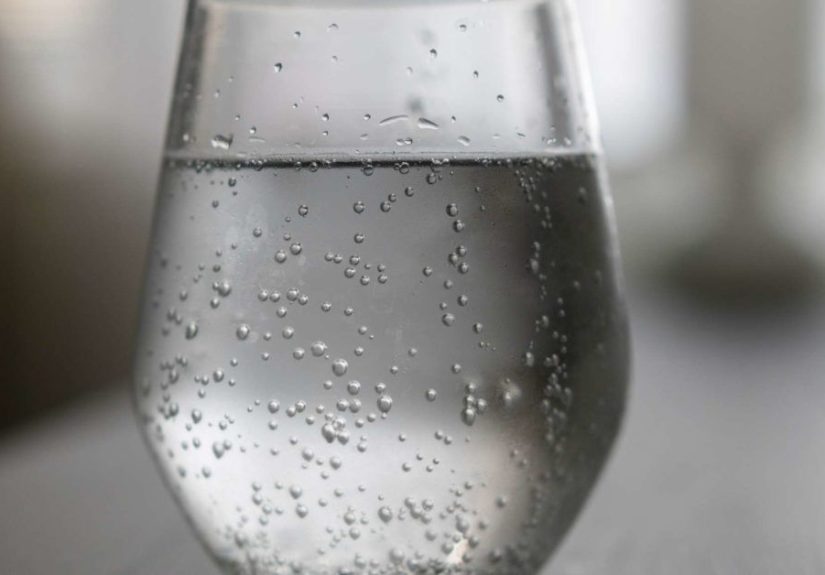
If plain water feels boring, add lemon, lime, cucumber, mint, berries, orange slices, or a splash of unsweetened cranberry juice. Sparkling water can also be a great option, as long as it is unsweetened. Just check the label because some “sparkling waters” are secretly soft drinks wearing yoga pants.
2. Unsweetened Green Tea
Green tea is a popular choice for people interested in weight loss drinks. It contains caffeine and plant compounds called catechins, which may have modest effects on metabolism. However, green tea is not a miracle drink. Its biggest advantage is that it is low in calories when unsweetened and can replace higher-calorie beverages.
Enjoy it hot or iced, but skip the sugar, honey overload, or flavored syrups. A squeeze of lemon or a few mint leaves can brighten the taste without turning it into dessert.
3. Black Coffee or Light Coffee
Plain coffee is naturally low in calories and can fit into a weight loss plan. Caffeine may temporarily increase alertness and slightly raise energy expenditure, but the real issue is what people add to coffee. A simple cup of black coffee is very different from a large blended drink with whipped cream, flavored syrup, and enough sugar to make your dentist sigh deeply.
If black coffee is too strong, try a small amount of low-fat milk, unsweetened almond milk, or cinnamon. Keep sweeteners modest and avoid making coffee your breakfast unless your breakfast goal is “vibes and jitters.”
4. Unsweetened Herbal Tea
Herbal teas such as peppermint, chamomile, hibiscus, ginger, and rooibos can be flavorful, caffeine-free options. They are useful for people who snack at night out of habit rather than hunger. A warm mug of herbal tea can create a calming ritual and give your hands something to do that is not opening a cookie package.
Herbal tea does not cause fat loss by itself, but it can support hydration and help replace sugary drinks. Choose unsweetened versions and be cautious with teas marketed as “slimming,” “detox,” or “flat belly” formulas, especially if they contain laxatives or strong herbal stimulants.
5. Protein Smoothies Made the Smart Way
A well-built protein smoothie can be a helpful meal or snack during weight loss because protein supports fullness and helps preserve lean muscle during calorie reduction. The trick is keeping the smoothie balanced instead of accidentally building a milkshake with a gym membership.
A smart formula includes one protein source, one fiber-rich carbohydrate, one healthy fat in a small amount, and unsweetened liquid. For example: Greek yogurt, frozen berries, spinach, chia seeds, and unsweetened milk or soy milk. Another option is protein powder, banana, peanut butter powder, ice, and unsweetened almond milk.
Watch portions carefully. Smoothies can become calorie-heavy when they include fruit juice, sweetened yogurt, large scoops of nut butter, granola, chocolate syrup, or multiple bananas. A smoothie should support your plan, not require its own budget meeting.
6. Low-Fat Milk or Unsweetened Fortified Soy Milk
Milk and fortified soy milk provide protein, calcium, vitamin D, and other nutrients. They are not calorie-free, so portions matter, but they can be useful when they replace sugary drinks or help create a satisfying snack.
Choose plain, unsweetened versions most of the time. Flavored milks can contain added sugar, and some plant-based milks are low in protein unless they are soy-based or specifically fortified. Always compare labels.
7. Vegetable Juice in Small Portions
Low-sodium vegetable juice can be a savory option when you want something with flavor. It usually contains fewer calories than fruit juice and may provide potassium and other nutrients. Still, it should not replace whole vegetables, which offer more fiber and chewing satisfaction.
Choose low-sodium varieties and keep portions reasonable. If you enjoy tomato juice or a green vegetable blend, pair it with a protein-rich snack to make it more filling.
Drinks to Limit or Avoid for Better Weight Loss Results
Sugary Soda
Regular soda is one of the clearest drinks to limit during weight loss. It provides added sugar and calories without meaningful nutrients or long-lasting fullness. Cutting back from one daily soda to water, unsweetened tea, or sparkling water can make a noticeable difference over time.
Sweetened Coffee Drinks
A flavored latte or blended coffee drink can contain more sugar than a dessert. The problem is not coffee itself; it is the syrup, whipped cream, sweetened creamers, sauces, and large serving sizes. If you love coffee shop drinks, order a smaller size, ask for fewer pumps of syrup, skip whipped cream, or choose unsweetened cold brew with a splash of milk.
Fruit Juice and Juice Drinks
Fruit juice sounds healthy because it comes from fruit, but it lacks the fiber of whole fruit and can be easy to overconsume. Juice drinks, fruit punches, and cocktails often contain added sugar and little actual juice. If you drink 100% juice, keep it small and occasional. Better yet, eat the whole fruit and let your teeth do their job.
Energy Drinks
Energy drinks can be high in sugar, caffeine, and stimulants. Some versions are sugar-free, but they may still encourage a cycle of relying on caffeine instead of sleep, balanced meals, and hydration. For weight loss, energy drinks are usually unnecessary unless recommended for a specific purpose by a healthcare professional.
Sports Drinks
Sports drinks are designed for prolonged, intense activity, heavy sweating, or specific athletic needs. For a casual walk, light gym session, or normal workday, they often add sugar and calories you do not need. Water is enough for most everyday exercise. If you are training hard for more than an hour, sweating heavily, or exercising in hot weather, an electrolyte drink may be useful.
Alcoholic Drinks
Alcohol can slow weight loss because it adds calories, may increase appetite, lowers food decision-making standards, and often comes mixed with sugary ingredients. Beer, wine, cocktails, and hard seltzers all count. A margarita the size of a fishbowl may be festive, but it is not exactly a stealth health beverage.
If you drink alcohol, keep portions moderate, alternate with water, and choose simpler options such as wine, light beer, or spirits with soda water and lime instead of sugary mixers.
Detox Teas and “Fat-Burning” Drinks
Be very cautious with drinks that promise fast weight loss, detoxification, or overnight belly fat reduction. Many products rely on laxatives, diuretics, stimulants, or vague claims. Rapid water loss is not the same as fat loss. If a label sounds like it was written by a wizard with a marketing degree, step back and read the ingredient list.
How to Choose Healthful Weight Loss Drinks
Read the Nutrition Facts Label
Look at serving size, calories, added sugars, protein, and caffeine. A bottle may appear to be one serving but contain two or more. That means the calories and sugar can multiply quickly.
Added sugars may appear as cane sugar, corn syrup, honey, agave, fruit juice concentrate, dextrose, sucrose, or other sweeteners. Natural-sounding names do not make added sugar calorie-free.
Use the “Mostly Unsweetened” Rule
You do not need a perfect beverage routine. A useful goal is to make most drinks unsweetened most of the time. Water, unsweetened tea, black coffee, sparkling water, and plain milk can be your regular rotation. Sweet drinks can be occasional treats rather than daily defaults.
Pair Drinks With Your Eating Pattern
A drink works best when it supports the rest of your diet. For breakfast, coffee with a protein-rich meal may work better than coffee alone. After exercise, water plus a balanced meal is usually better than a sugar-heavy sports drink. As an afternoon snack, a small protein smoothie may beat a sweetened iced coffee if it keeps you full until dinner.
Simple Weight Loss Drink Swaps
- Swap regular soda for sparkling water with lime.
- Swap sweet tea for unsweetened iced tea with lemon.
- Swap a large flavored latte for coffee with milk and cinnamon.
- Swap fruit juice for whole fruit plus water.
- Swap a store-bought smoothie for a homemade protein smoothie.
- Swap cocktails with sugary mixers for soda water, lime, and a measured spirit.
- Swap energy drinks for coffee, tea, water, and better sleep habits.
A Practical Daily Drink Plan for Weight Loss
Here is a simple example of a drink routine that supports a healthy diet:
- Morning: Water after waking, then black coffee or coffee with a small splash of milk.
- Breakfast: Water, unsweetened tea, or plain milk with a balanced meal.
- Midday: Sparkling water or infused water to replace soda.
- Afternoon: Green tea or herbal tea instead of a sugary coffee drink.
- Post-workout: Water; add electrolytes only if the workout is long, hot, or very sweaty.
- Evening: Herbal tea if nighttime snacking is a habit.
This plan is not fancy, but fancy is overrated. Consistency beats beverage drama.
Common Myths About Weight Loss Drinks
Myth 1: Lemon Water Burns Fat
Lemon water is refreshing and low in calories, but it does not burn fat. Its benefit comes from helping you drink more water and replace higher-calorie drinks.
Myth 2: Apple Cider Vinegar Drinks Melt Belly Fat
Apple cider vinegar is not a fat-burning shortcut. It may irritate the throat, affect teeth enamel, or cause stomach discomfort when overused. If you enjoy it, dilute it well and keep expectations realistic.
Myth 3: Smoothies Are Always Healthy
Smoothies can be nutritious or calorie bombs. A smoothie with protein, fiber, and moderate portions can support weight loss. A giant smoothie with juice, sweetened yogurt, and added sugar may work against your goals.
Myth 4: Diet Soda Guarantees Weight Loss
Diet soda may reduce calories if it replaces regular soda, but it is not a complete weight loss strategy. Some people find it helpful; others find it keeps cravings for sweet flavors alive. Moderation is wise.
Experience-Based Tips: What Actually Works in Daily Life
In real life, the best weight loss drink plan is the one you can follow when you are tired, busy, stressed, traveling, or standing in line at a coffee shop while a pastry whispers your name. The first experience many people have is discovering that they are not hungry as often as they thoughtthey are thirsty, bored, or used to sipping something sweet. Keeping a water bottle nearby sounds basic, but it changes behavior because it removes friction. When water is within reach, soda has to work harder to win.
One helpful habit is creating a “default drink order.” At restaurants, choose water with lemon or unsweetened iced tea. At coffee shops, choose cold brew with a splash of milk or a small latte with fewer pumps of syrup. At home, keep sparkling water, herbal tea, and ingredients for infused water available. Weight loss becomes easier when the healthier choice is already planned, instead of negotiated with your cravings at 3 p.m.
Another real-world lesson is that gradual swaps work better than beverage punishment. If you drink three sodas a day, going from three to zero overnight may feel like a personality crisis. Start by replacing one soda with sparkling water for a week. Then replace the second. Keep the third as an occasional treat until you are ready. Progress that feels slightly too easy is often the progress that lasts.
For smoothie lovers, measuring ingredients is a game changer. Many people are shocked to learn how quickly calories rise when they casually add peanut butter, juice, granola, honey, and a “small” banana the size of a canoe. A better experience is using a repeatable recipe: one cup unsweetened liquid, one scoop protein or Greek yogurt, one cup fruit, one handful greens, and one small serving of fat such as chia seeds or nut butter. It tastes good, supports fullness, and does not accidentally become a dessert pretending to be wellness.
People who enjoy evening snacking often benefit from herbal tea after dinner. It creates a stopping point for the kitchen. The warm mug becomes a signal that eating is done, the day is slowing down, and the pantry does not need a security check. Peppermint, cinnamon, ginger, and chamomile teas are popular choices because they feel cozy without adding sugar.
Travel can be tricky, so plan ahead. Bring a refillable bottle, buy unsweetened drinks at convenience stores, and avoid assuming that “green,” “natural,” or “protein” on a label means weight-loss friendly. Read calories and added sugars. A bottled smoothie can contain as much sugar as a soft drink, while a simple unsweetened tea may be the quiet hero of the airport cooler.
The biggest experience-based takeaway is this: weight loss drinks do not need to be exciting every day. They need to be dependable. Water, unsweetened tea, black coffee, and smart protein smoothies may not come with dramatic before-and-after music, but they help build the calorie control, hydration, and consistency that real weight loss requires.
Conclusion
Healthful weight loss drinks are not about magic. They are about making smarter choices that reduce added sugar, support hydration, and help you feel satisfied. Water should be the foundation. Unsweetened tea, plain coffee, low-fat milk, fortified soy milk, and well-made protein smoothies can all fit into a healthy diet. Sugary soda, sweetened coffee drinks, excess juice, energy drinks, sports drinks, alcohol, and detox products should be limited or avoided when weight loss is the goal.
The best approach is realistic: replace one sugary drink at a time, read labels, build a dependable drink routine, and remember that beverages are only one part of the bigger picture. A healthful eating pattern, regular movement, enough sleep, and consistency still do the heavy lifting. Your drink choices simply make that lifting a little easier.
SEO Tags
Note: This article is for general educational purposes and is based on widely accepted nutrition guidance from reputable U.S. health organizations. People with diabetes, kidney disease, heart disease, pregnancy-related concerns, eating disorder history, or medication restrictions should ask a qualified healthcare professional before making major diet or fluid changes.