Table of Contents >> Show >> Hide
- Why This Easy Hummus Recipe Works
- Easy Homemade Hummus Recipe
- How to Make Hummus Extra Smooth
- 8 Ways to Customize Homemade Hummus
- What to Serve With Hummus
- Storage Tips for Homemade Hummus
- Common Hummus Mistakes and Easy Fixes
- Nutrition Benefits of Hummus
- Experience Notes: What I Learned Making Hummus at Home
- Conclusion
- SEO Tags
Note: This article is written for web publishing and synthesizes practical cooking guidance from reputable U.S. recipe, nutrition, and food-safety sources without adding source-link clutter to the page.
Homemade hummus is one of those kitchen miracles that feels far fancier than it is. You toss chickpeas, tahini, lemon juice, garlic, olive oil, and a few pantry sidekicks into a food processor, press a button, and suddenly you are the kind of person who “serves dips.” Congratulations. You have entered your casually sophisticated era.
The best part? A good easy hummus recipe is not just a recipe. It is a blank canvas with better snack potential than most blank canvases. Classic hummus is creamy, nutty, bright, and savory, but it also plays nicely with roasted vegetables, herbs, spices, hot sauce, pesto, Greek yogurt, sun-dried tomatoes, and whatever else your fridge is politely begging you to use before it becomes a science project.
Below, you will find a simple homemade hummus recipe that works with canned chickpeas, plus practical tips for making it smoother, fresher, and more flavorful. Then we will get into eight easy hummus variations, from roasted red pepper hummus to avocado hummus, spicy chipotle lime hummus, and lemon herb hummus. Your pita chips are about to need a permission slip.
Why This Easy Hummus Recipe Works
A great hummus recipe depends on balance. Chickpeas bring body and mild earthiness. Tahini adds richness and a toasted sesame flavor. Lemon juice brightens everything up. Garlic gives the dip personality, though ideally not the kind of personality that clears a room. Olive oil smooths the texture, salt wakes up the flavors, and cold water helps the hummus become fluffy instead of pasty.
The secret to creamy homemade hummus is not complicated: soften the chickpeas, blend long enough, and add liquid gradually. Many cooks simmer canned chickpeas briefly with a pinch of baking soda to loosen the skins and make the beans easier to puree. Others add an ice cube or cold water while blending to help whip the hummus into a lighter texture. Both techniques are simple, cheap, and blessedly free of culinary drama.
This recipe keeps the ingredient list short but gives you plenty of room to adjust. Want it tangier? Add more lemon. Want it richer? Add more tahini. Want it smoother? Blend longer and add cold water one tablespoon at a time. Want it gone in ten minutes? Serve it with warm pita and walk away from the table for approximately four seconds.
Easy Homemade Hummus Recipe
Ingredients
- 1 can chickpeas, 15 ounces, drained and rinsed
- 1/4 cup tahini, stirred well
- 2 to 3 tablespoons fresh lemon juice
- 1 small garlic clove, finely grated or minced
- 2 tablespoons extra-virgin olive oil, plus more for serving
- 1/2 teaspoon ground cumin
- 1/2 teaspoon kosher salt, plus more to taste
- 2 to 4 tablespoons cold water, as needed
- Optional: 1/4 teaspoon baking soda for simmering the chickpeas
- Optional toppings: paprika, parsley, sesame seeds, chickpeas, chili flakes, or a swirl of olive oil
Instructions
- Soften the chickpeas. For the smoothest texture, place the drained chickpeas in a small saucepan, cover with water, and add 1/4 teaspoon baking soda. Simmer for 5 to 7 minutes, then drain and rinse well. This step is optional, but it makes canned chickpeas blend more easily.
- Mellow the garlic. Add the lemon juice and garlic to the food processor and let them sit for 2 to 3 minutes. This softens the sharp bite of raw garlic, which is helpful unless your goal is to become unapproachable.
- Blend the tahini base. Add tahini, olive oil, cumin, and salt. Process for about 30 seconds until the mixture looks creamy and slightly lighter.
- Add chickpeas. Add the chickpeas and process for 1 to 2 minutes. Scrape down the sides as needed.
- Make it creamy. With the processor running, add cold water one tablespoon at a time until the hummus is smooth, fluffy, and spreadable.
- Taste and adjust. Add more salt, lemon juice, tahini, or cumin until the flavor tastes balanced. Hummus should be creamy, savory, lightly tangy, and nutty.
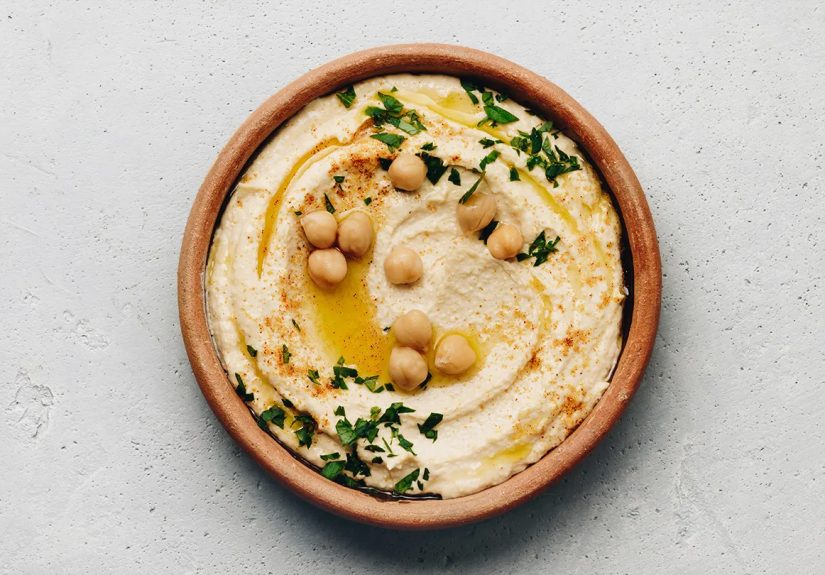
- Serve. Spoon the hummus into a shallow bowl, make a swoosh with the back of a spoon, drizzle with olive oil, and add your favorite toppings.
How to Make Hummus Extra Smooth
There are two types of hummus people: those who accept a little texture, and those who want hummus smoother than a jazz radio host. If you belong to the second group, use these tricks.
Simmer Canned Chickpeas First
Canned chickpeas are convenient, but they can be firmer than ideal. A quick simmer with a small amount of baking soda helps soften them and break down the skins. Just rinse them well after simmering so the final hummus does not taste soapy or bitter.
Blend Longer Than You Think
Many homemade hummus problems are actually impatience wearing an apron. Let the food processor run for several minutes, stopping to scrape the sides. The mixture will go from chunky to smooth, then from smooth to creamy.
Add Cold Water or an Ice Cube
Cold water helps thin the hummus without making it oily. An ice cube can also help whip air into the dip, giving it a lighter, fluffier texture. Add liquid slowly because hummus can go from “luxuriously creamy” to “bean smoothie” faster than you expect.
8 Ways to Customize Homemade Hummus
Once you have mastered the basic hummus recipe, customization is where things get fun. Think of classic hummus as the white T-shirt of dips: simple, reliable, and ready for accessories.
1. Roasted Red Pepper Hummus
Add 1/2 cup drained roasted red peppers to the basic recipe and reduce the cold water slightly. Roasted red pepper hummus is sweet, smoky, colorful, and excellent with pita, carrots, cucumbers, or grilled chicken wraps. For extra depth, add a pinch of smoked paprika.
2. Spicy Harissa Hummus
Stir or blend in 1 to 2 tablespoons of harissa paste. This variation brings smoky heat, chili flavor, and a gorgeous orange-red color. Start small because harissa can vary from “pleasant little kick” to “why is my forehead sweating?”
3. Lemon Herb Hummus
Add 1/2 cup fresh herbs such as parsley, cilantro, dill, basil, or a mix. Increase lemon juice by 1 tablespoon and add a little lemon zest. Lemon herb hummus tastes bright and garden-fresh, making it perfect for spring snack boards, sandwiches, and grain bowls.
4. Garlic Lover’s Hummus
Roast a whole head of garlic until soft and sweet, then squeeze the cloves into the food processor with the chickpeas. Roasted garlic hummus is mellow, savory, and much smoother than raw garlic hummus. It gives you big garlic flavor without making your breath file a formal complaint.
5. Avocado Hummus
Add 1 ripe avocado, 1 extra tablespoon lime or lemon juice, and a handful of cilantro if you like. Avocado hummus is extra creamy and slightly guacamole-adjacent, which is never a bad neighborhood. Serve it with tortilla chips, veggie sticks, or inside a wrap.
6. Sun-Dried Tomato Basil Hummus
Add 1/3 cup oil-packed sun-dried tomatoes, drained, plus 2 tablespoons chopped basil. This version is bold, savory, and slightly sweet. It works beautifully as a sandwich spread with turkey, mozzarella, roasted vegetables, or grilled zucchini.
7. Beet Hummus
Blend in 1 small cooked beet, peeled and chopped. Beet hummus turns a dramatic pink color that looks like it hired a publicist. The flavor is earthy, lightly sweet, and delicious with goat cheese, toasted walnuts, or crisp vegetables.
8. Chipotle Lime Hummus
Add 1 chipotle pepper in adobo, 1 tablespoon adobo sauce, and replace part of the lemon juice with lime juice. Chipotle lime hummus is smoky, spicy, and excellent on tacos, burrito bowls, quesadillas, or roasted sweet potatoes.
What to Serve With Hummus
Hummus is famous as a dip, but do not trap it in the snack zone. It has range. Serve it with warm pita, pita chips, pretzels, crackers, cucumber rounds, bell pepper strips, cherry tomatoes, carrots, radishes, celery, or roasted vegetables. It also works as a spread for sandwiches, wraps, and burgers.
For a fast lunch, spread hummus on toast and top it with sliced cucumber, tomato, feta, and black pepper. For dinner, spoon it under grilled chicken, roasted cauliflower, falafel, or salmon. For meal prep, add a scoop to grain bowls with quinoa, rice, chickpeas, roasted vegetables, greens, and a lemony dressing.
Storage Tips for Homemade Hummus
Store homemade hummus in an airtight container in the refrigerator. For best quality, enjoy it within 3 to 4 days. Keep it cold, use clean utensils, and avoid leaving it at room temperature for long stretches, especially during parties where the dip bowl is living its most exposed life.
If the hummus thickens in the refrigerator, stir in a teaspoon or two of cold water or olive oil before serving. You can also refresh the flavor with a squeeze of lemon juice and a pinch of salt. Hummus is best served slightly cool or near room temperature, not ice-cold, because the flavors are more noticeable when it has had a few minutes to relax.
Common Hummus Mistakes and Easy Fixes
The Hummus Is Too Thick
Add cold water one tablespoon at a time while blending. Do not dump in a large amount all at once unless you enjoy suspense.
The Hummus Tastes Flat
It probably needs salt or lemon juice. Add a pinch of salt, blend, taste, then add more lemon if it still feels dull.
The Garlic Is Too Strong
Add more chickpeas, tahini, or lemon juice to soften the flavor. Next time, let the garlic sit in lemon juice before blending or use roasted garlic instead.
The Hummus Is Grainy
Blend longer, add cold water, and consider simmering the chickpeas before processing. A high-powered blender can also create an ultra-smooth texture, though a food processor works perfectly well for everyday hummus.
Nutrition Benefits of Hummus
Hummus is popular because it tastes good, but it also brings useful nutrition to the table. Chickpeas provide plant-based protein, fiber, complex carbohydrates, folate, iron, and other minerals. Tahini contributes healthy fats and a rich sesame flavor, while olive oil adds more unsaturated fat. Pair hummus with vegetables and you have a snack that is filling, colorful, and far more exciting than a sad handful of plain crackers.
Portion size still matters, especially because tahini and olive oil are calorie-dense. A few tablespoons can be a smart snack; half the bowl eaten directly with a spoon is more of a personal journey. No judgment, just data.
Experience Notes: What I Learned Making Hummus at Home
The first time I made hummus at home, I expected a dramatic cooking moment. Maybe the clouds would part. Maybe the food processor would hum with ancient wisdom. Instead, I learned something far more useful: hummus is forgiving. It does not require restaurant equipment, secret spices, or a chef who says “mouthfeel” without blinking. It mostly asks you to taste as you go.
My biggest lesson was that canned chickpeas are perfectly fine for quick hummus, but they need a little help if you want that silky, scoopable texture. Rinsing them is essential. Simmering them for a few minutes makes a real difference. At first, I skipped that step because I thought, “How different can it be?” The answer: different enough that my snack board noticed. Softer chickpeas blend faster, and the finished hummus feels less gritty.
I also learned that tahini quality matters. Good tahini should be pourable, nutty, and pleasantly bitter, not stiff like concrete in a jar. If your tahini has separated, stir it well before measuring. If it tastes harsh, the hummus will carry that flavor. A smooth, fresh tahini makes the dip taste richer without needing a flood of olive oil.
Another useful discovery: lemon juice is not just a supporting actor. It is the sparkle. Without enough lemon, hummus can taste heavy. With too much, it can taste sharp. The sweet spot is personal, so the best move is to start with two tablespoons, blend, then add more after tasting. Salt works the same way. A tiny extra pinch can turn “pretty good” into “wait, did I just make this?”
Customization became the most fun part. Roasted red pepper hummus was the crowd-pleaser. Beet hummus was the show-off. Chipotle lime hummus disappeared fastest during taco night. Lemon herb hummus felt like the one you bring to a picnic when you want people to believe you have your life organized. Avocado hummus was delicious but best eaten the same day, because avocado has a flair for turning brown at inconvenient times.
The most practical experience tip is to make hummus slightly looser than you think it should be. It firms up in the refrigerator. If it looks perfect right after blending, it may become a little thick later. Add a touch more cold water before storing, or plan to stir in water or lemon juice before serving.
Finally, homemade hummus is cheaper, fresher, and easier to adjust than store-bought. Once you know the basic formula, you can make it smoky, spicy, garlicky, herby, tangy, or mild. You can turn leftovers into sandwich spread, salad dressing, pasta sauce, or a base for roasted vegetables. It is one of those recipes that quietly improves weekday eating without demanding a full kitchen production. That is the real magic: not fancy, not fussy, just a bowl of creamy chickpea happiness ready whenever snack o’clock starts shouting.
Conclusion
An easy hummus recipe is one of the best kitchen basics to master because it is fast, flexible, affordable, and endlessly customizable. Start with chickpeas, tahini, lemon juice, garlic, olive oil, salt, and cold water. Blend until creamy, taste carefully, and adjust until the flavor lands exactly where you want it. From there, you can create roasted red pepper hummus, spicy harissa hummus, beet hummus, avocado hummus, chipotle lime hummus, and more without needing a new recipe every time.
Whether you serve it with vegetables, pita, sandwiches, wraps, grain bowls, or roasted vegetables, homemade hummus earns its place in the fridge. It is simple enough for a weekday snack and flavorful enough for guests. And unlike many “easy” recipes, this one actually means it.