Table of Contents >> Show >> Hide
- A Quick Snapshot of the Project
- Setting the Scene: Why Shelter Island Houses Feel Different
- The Renovation Story: First, Undo the “Oops”
- The Exterior: Cottage Calm, Modern Confidence
- Inside the House: A Palette That Feels Like a Deep Breath
- Room-by-Room Walkthrough
- Out Back: Pool, Fireplace, and a “Tool Shed” Glow-Up
- Design Lessons Worth Stealing (Even If You Don’t Live on an Island)
- Why This House Works: The Big Idea in Plain English
- Extra Field Notes: The “Architect Visit” Experience (About )
- Conclusion
Shelter Island has a way of making you rethink your priorities. The ferry ride alone is basically a reset button:
emails lose their grip, your shoulders drop two inches, and suddenly your biggest concern is whether the light is
better on the bay side or the marsh side. It’s the perfect setting for a weekend houseuntil you realize you want
it to work on a windy February Friday, too.
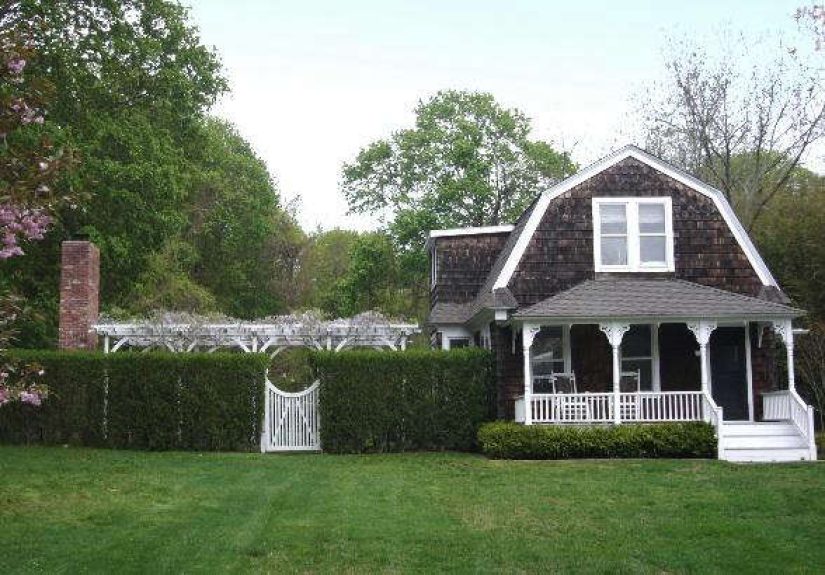
That year-round ambition sits at the heart of Shelter Island House by Schappacher White, a renovation
that treats an early-1900s fisherman’s cottage with equal parts respect and mischief. The result isn’t a precious museum
piece or a sterile modern box. It’s a house that keeps its cottage soulthen quietly upgrades the experience with
smarter flow, better light, and details that feel like they’ve always been there (even when they absolutely have not).
A Quick Snapshot of the Project
- Original home: A 1904 fisherman’s cottage on Shelter Island
- Goal: A weekend retreat that can actually handle all seasons
- Approach: Undo awkward past renovations, rework the layout, add daylight and outdoor connections, and lean into a calm coastal palette
- Signature moments: French doors, whitewashed floors, built-in storage, a chalkboard kitchen wall, soapstone counters, and a pool-house conversion that feels effortless
Setting the Scene: Why Shelter Island Houses Feel Different
Shelter Island sits between the North and South Forks of Long Island, which means it’s surrounded by water, light,
and the kind of weather that changes its mind mid-sentence. Houses here have to perform. Salt air is a real critic.
Sand is an uninvited roommate. Summer guests arrive like a small parade.
That context helps explain why so many coastal homes embrace durable exteriors, simple forms, and flexible indoor-outdoor
connections. Even when the architecture gets fancy, the best ones still feel like they can survive wet towels, sandy feet,
and the occasional dramatic entrance from a golden retriever.
The Renovation Story: First, Undo the “Oops”
Schappacher White’s Shelter Island project began with a cottage that had already been “improved” in the way that makes
architects gently rub their temples. The homeowners had bought the house as a weekend retreat, but previous renovation
moves didn’t exactly help the place live better. So the smartest design decision was also the least glamorous:
roll it back.
Think of it like restoring a vintage jacket. You don’t slap a new logo on it and call it done. You remove the weird add-ons,
repair what matters, and then tailor it so it actually fits your life.
Making It Work Year-Round
Coastal cottages were often built for summer livinglighter construction, simpler systems, and layouts designed for
quick, easy use. But if you want the house to feel welcoming in colder months, you need better performance and
smarter transitions between spaces. That can mean strategic changes to the envelope, the structure, and the way the house
connects to the outdoors.
Lifting the House (Yes, Really)
One of the most practical moves in many coastal renovations is elevating or stabilizing the structureespecially where water,
storm surge, or floodplain considerations come into play. In this project, the house was lifted and its foundation support
improved, replacing deteriorated elements and giving the cottage a stronger baseline for the long term.
It’s not the kind of upgrade guests “ooh” and “ahh” overuntil a storm rolls through and the house behaves like a calm adult
instead of a stressed-out toddler.
The Exterior: Cottage Calm, Modern Confidence
The exterior remains appropriately coastalquiet, grounded, and at home in its landscape. The most important change isn’t
a flashy new façade; it’s what happens when you step outside and realize the property has become a true extension of the living space.
French Doors That Earn Their Keep
Adding French doors can sound like a “Pinterest decision,” but here it’s a functional design move: more daylight, better
cross-ventilation, and a smoother connection to the yard and pool. French doors act like windows that also happen to be
doorsso spaces feel bigger, brighter, and more open without adding square footage.
An Outdoor Fireplace With a Story
The outdoor fireplace is one of those features that immediately changes how a yard is used. It extends the season and
creates an instant gathering zoneespecially on cool nights when everyone mysteriously becomes a philosopher as soon as
there’s fire involved. Even better, it’s built with reclaimed brick, giving it a texture and history you can’t fake with
brand-new materials.
Inside the House: A Palette That Feels Like a Deep Breath
Step indoors and the mood shifts from “beach house” cliché to something more restrained and modern. The interior palette leans
into whites, off-whites, and sand tones, then adds contrast with black accents and natural wood. The effect is calm but not bland
like a really good hotel where you immediately trust the sheets.
This kind of color strategy works especially well in older cottages because it highlights natural light and lets texture do the talking:
painted wood, soapstone, aged metals, vintage pieces, and the subtle irregularities that make a house feel lived-in rather than staged.
Room-by-Room Walkthrough
Entry and Circulation: Small House, Smart Moves
Older cottages often waste space without meaning totight stairs, awkward corners, and circulation that feels like a maze designed by
a playful ghost. The fix isn’t to bulldoze character; it’s to build use into the leftover spaces.
Here, built-in cabinets tuck neatly under the stairs, turning an underused zone into real storage. In a compact coastal home, that’s
not a bonus featureit’s survival. It keeps clutter from taking over and makes the house feel calmer, even when it’s full of weekend bags,
beach gear, and the mysterious number of flip-flops that multiply overnight.
Living + Dining: Open, Bright, and Ready for Company
The dining area is opened up so it functions as a true hubbecause in a vacation house, the dining table isn’t just for meals. It’s where
everyone gathers, snacks, plays cards, works on a puzzle they will never finish, and occasionally pretends to answer emails.
Furnishings mix modern pieces with antiques and found objects. That layered approach matters: it keeps the house from feeling like a showroom.
It also makes the cottage’s history feel compatible with a contemporary lifestyleno identity crisis, no forced theme.
The Kitchen: Chalkboard Walls and Serious Countertops
The kitchen is where Schappacher White’s practicality shows off. One wall becomes a chalkboard surfacepart message center, part grocery list,
part “we should totally cook more this weekend” optimism. It’s a small gesture that supports real life, not just photographs.
Storage gets clever, too. Pantry doors include tin panels that nod to old pie safes, a subtle historic reference that feels appropriate rather
than costume-y. And a set of doors conceals a washer and dryerbecause nothing says “relaxing weekend retreat” like laundry that stays out of sight.
The countertops are Vermont soapstone, a material choice that fits both the cottage vibe and heavy use. Soapstone is famously heat-resistant and
doesn’t require sealing the way some other natural stones do, while still developing that lived-in patina over time. In other words, it’s the kind
of surface that doesn’t panic when you put down a hot pan or spill something mid-conversation.
The kitchen layout also puts key work zones near light and views. It’s the difference between “kitchen as a chore station” and “kitchen as a place
you actually want to hang out”which is crucial in a house where cooking often turns into entertaining.
Floors and Finishes: Whitewashed, Not Precious
The floors are whitewashed tongue-and-groove boards, which does two things beautifully: it brightens the interior and makes the cottage feel
breezy without screaming “nautical.” Whitewashed wood also has a practical benefit in coastal homes: it hides the visual chaos of sand and daily wear
better than a dark, glossy finish that shows every scuff like a crime scene.
Upstairs: Soft, Sandy, and Sleep-Friendly
Upstairs spaces lean into sandy wall tones, keeping the mood warm and relaxed. This is where the palette strategy pays offlight colors amplify daylight,
while the deeper accents keep the rooms from floating away into pure whiteness.
The overall effect is restful. The house doesn’t demand attention. It supports itlike a good host who refills your drink without announcing it.
Out Back: Pool, Fireplace, and a “Tool Shed” Glow-Up
The yard is designed as a real extension of the home, with a pool that turns the property into a summer magnet. But the real star is the reimagined
outbuilding: what was once a tool shed becomes a pool house with French doors and an easy connection to the outdoors.
There’s also an outdoor shower that was enclosed to create a full bath downstairsone of those upgrades that seems obvious after you see it. It supports
pool life, guest life, and the general reality that coastal living involves water, sand, and people who forget towels.
Design Lessons Worth Stealing (Even If You Don’t Live on an Island)
1) Keep the Palette Simple, Let Texture Do the Work
Whites, off-whites, sand tones, black accents, natural woodthis is a controlled palette that creates calm. The interest comes from materials and
objects: soapstone’s matte depth, aged metals, whitewashed boards, and layered furnishings. It’s proof you don’t need loud colors to make a space feel rich.
2) Build Storage Into “Dead” Space
Under-stair cabinets are the kind of move that changes daily life without changing the house’s character. In small homes, built-ins are not a luxury
they’re how you keep the place feeling generous instead of cramped.
3) Make Outdoor Space Part of the Floor Plan
French doors, a pool house, an outdoor fireplacethese aren’t separate “extras.” They turn the yard into another room. And when the weather is good,
that’s essentially free square footage.
4) Reuse and Reclaim Where It Adds Meaning
Reclaimed brick in the fireplace isn’t just sustainable; it gives the feature a depth and imperfection that feels right for an old cottage. More broadly,
renovating and reusing existing structures can reduce waste and preserve the embodied value of what’s already thereespecially when the project is about
making a small home work better rather than replacing it.
Why This House Works: The Big Idea in Plain English
Schappacher White’s Shelter Island House succeeds because it doesn’t try to “out-modern” the cottage. It keeps the scale and spirit of the original home,
then edits it with a contemporary eye: better light, smarter flow, durable materials, and details that support real living.
In other words: it’s not a makeover. It’s a relationship upgrade.
Extra Field Notes: The “Architect Visit” Experience (About )
If you walk through a house like this with an architect’s curiosityeven just for a dayyou start noticing how the best renovations feel almost invisible.
Not because nothing changed, but because every change has a reason. The front door opens and you immediately sense the house is calmer than most cottages
of its era. The light doesn’t fight the layout. The spaces don’t feel like they’re apologizing for being small.
The first thing you’d probably do (because everyone does it) is pause near the threshold and look for where your stuff would go. Beach houses live or die
by the “drop zone.” In this one, the built-in storage under the stairs reads like a quiet flex: you can tell someone has already solved the problem of
where the bags, shoes, and extra blankets live. The cabinetry isn’t screaming for attention; it’s simply preventing the weekend from becoming a clutter festival.
Then you’d drift toward the kitchenbecause kitchens are gravitational fields, especially on weekends. The chalkboard wall isn’t just cute; it’s a social tool.
Someone writes “clams?” and suddenly the day has a plan. You also notice the material choices are made for living, not performing. Soapstone doesn’t sparkle
like it’s auditioning for a luxury brochure. It sits there with a matte confidence, ready for hot pans, spilled coffee, and the kind of cooking that happens when
everyone talks at once.
Moving through the main spaces, you’d feel how the palette does emotional work. Whites and sand tones make everything brighter, but the darker accents keep it grounded,
like a good outfit that knows when to stop accessorizing. You’d also notice the mix of furnishingsmodern next to antiques, clean lines next to worn edgesand how that
combination makes the house feel believable. No one actually relaxes in a house that looks like it was assembled five minutes ago. Here, the imperfections are the point.
And then, inevitably, you’d end up outside. French doors are a small architectural event every time they open. They make a house breathe. You step through and suddenly
the yard isn’t “out there.” It’s part of the plan. The outdoor fireplace would pull you in next, because fire is basically design’s oldest party trickand still undefeated.
The reclaimed brick adds that satisfying sense of history, like the house is borrowing a good story instead of inventing one.
Finally, you’d wander toward the pool house and realize the real luxury is not sizeit’s ease. A converted outbuilding with French doors and a nearby bath means guests
can swim, rinse, change, and carry on without turning the main house into a wet hallway. That’s the kind of detail that feels “simple” only because someone thought hard
about how people actually behave. An architect visit leaves you with one big takeaway: the best design doesn’t just look good. It anticipates life, welcomes it in, and
still manages to stay calm about it.
Conclusion
Shelter Island House by Schappacher White is a reminder that coastal renovations don’t have to choose between charm and clarity. The project preserves the spirit of a
1904 cottage while giving it the light, flow, and durability needed for real year-round living. With smart built-ins, a relaxed palette, hard-working materials like
soapstone, and outdoor spaces that function like extra rooms, the house feels both edited and effortlesslike it’s always been this good, and we’re just finally seeing it clearly.