Table of Contents >> Show >> Hide
- Introduction: A Bright, Citrus-Forward Classic Reimagined
- What Is a Corpse Reviver No. 2?
- Best Zero-Proof Corpse Reviver No. 2 Inspired Recipe
- Why This Alcohol-Free Recipe Works
- Ingredient Notes and Smart Substitutions
- How to Make Orange Marmalade Syrup
- Flavor Variations
- Serving Tips for the Best Presentation
- Common Mistakes to Avoid
- Food Pairings
- How to Batch It for a Party
- Storage and Make-Ahead Tips
- Experience: What It Feels Like to Make and Serve This Drink
- Conclusion
Note: This article is written as a zero-proof, alcohol-free interpretation of the classic Corpse Reviver No. 2 flavor profile. It is designed for safe web publishing, flavor education, and inclusive entertaining without providing instructions for preparing an alcoholic drink.
Introduction: A Bright, Citrus-Forward Classic Reimagined
The Corpse Reviver No. 2 has one of the most dramatic names in cocktail history. It sounds like something a Victorian doctor might prescribe after a long night, a foggy morning, or one too many questionable decisions involving a bowler hat. Traditionally, the drink is known for its crisp citrus character, herbal complexity, and elegant balance of sweet, sour, bitter, and aromatic notes.
But here is the good news: you do not need alcohol to enjoy the personality of this famous drink. A great zero-proof Corpse Reviver No. 2 inspired recipe can capture the same refreshing structure: lemony brightness, orange-like sweetness, botanical depth, and a tiny whisper of anise-style aroma. The result is a sophisticated non-alcoholic drink that feels grown-up, stylish, and worthy of a chilled coupe glass.
This guide explains how to make the best alcohol-free Corpse Reviver No. 2 inspired drink at home, why the flavor works, what ingredients to use, how to balance sweetness and acidity, and how to serve it beautifully. Whether you are hosting brunch, planning a dinner party, creating a mocktail menu, or simply want something fancier than sparkling water with a sad lime wedge, this recipe is ready to perform.
What Is a Corpse Reviver No. 2?
The original Corpse Reviver family belongs to the long history of “morning-after” drinks, which were once described as bracing mixtures meant to perk up tired spirits. The No. 2 version became especially famous because of its clean, citrus-forward profile and memorable name. Over time, it earned a place among classic mixed drinks thanks to its symmetry, elegance, and sharp refreshing finish.
In flavor terms, the drink is not heavy or syrupy. It is lively, tart, lightly sweet, botanical, and aromatic. That makes it an excellent candidate for a zero-proof version. Instead of trying to imitate alcohol directly, the better approach is to rebuild the experience through layers: citrus juice for brightness, orange syrup or marmalade for fruit sweetness, brewed tea for body, botanicals for complexity, and a delicate anise note for the famous aromatic finish.
Best Zero-Proof Corpse Reviver No. 2 Inspired Recipe
Ingredients
- 1 ounce fresh lemon juice
- 1 ounce chilled strong white tea or green tea
- 3/4 ounce orange syrup or orange marmalade syrup
- 1/2 ounce white grape juice or verjus
- 1/4 ounce simple syrup, optional
- 1 small drop food-grade anise extract, optional
- Ice
- Lemon twist or orange peel, for garnish
How to Make It
- Chill a coupe glass or small cocktail glass in the freezer for a few minutes.
- Add fresh lemon juice, chilled tea, orange syrup, white grape juice, and optional simple syrup to a shaker.
- Add plenty of ice and shake for about 10 to 15 seconds, until the outside of the shaker feels cold.
- Strain into the chilled glass.
- Add the tiniest drop of food-grade anise extract if you want a more classic aromatic finish.
- Garnish with a lemon twist or a thin strip of orange peel.
The final drink should be bright, chilled, lightly sweet, and snappy. It should not taste like lemonade. The tea gives it structure, the citrus adds sparkle, the orange brings roundness, and the anise note adds mystery without taking over the room like an uninvited opera singer.
Why This Alcohol-Free Recipe Works
The secret to a good Corpse Reviver No. 2 inspired mocktail is balance. Many mocktails fail because they rely too much on juice. That creates a drink that tastes like breakfast, not a beautifully built aperitif-style beverage. This version avoids that problem by using tea as a structural base.
White tea or green tea brings gentle tannins, which create a dry finish. That subtle dryness is important because it keeps the drink from becoming too sweet. Lemon juice provides acidity, while orange syrup supplies a rounded citrus sweetness. White grape juice or verjus adds fruit body and a lightly tart backbone. Finally, the optional anise aroma gives the drink a nod to the classic profile without overpowering the glass.
Ingredient Notes and Smart Substitutions
Fresh Lemon Juice
Fresh lemon juice is essential. Bottled lemon juice often tastes flat, dull, or slightly metallic. For a drink this simple, fresh citrus makes a noticeable difference. Roll the lemon on the counter before cutting it to release more juice, then strain out the seeds before measuring.
White Tea or Green Tea
Tea is the quiet hero of this recipe. White tea creates a delicate, floral drink, while green tea gives it a grassy and slightly more assertive edge. Brew the tea stronger than you would normally drink it, then chill it completely before mixing. Warm tea will melt the ice too quickly and water down the final result.
Orange Syrup or Marmalade Syrup
Orange syrup adds the citrus-sweet character this drink needs. You can use a prepared orange syrup, or make a simple marmalade syrup by stirring a spoonful of orange marmalade with hot water, then straining it. The marmalade option is especially good because it brings a gentle bitterness from the peel.
White Grape Juice or Verjus
White grape juice gives soft fruitiness and body. Verjus, which is made from pressed unripe grapes, is more tart and refined. If you want a drier drink, choose verjus. If you want something more approachable for a party, white grape juice is easier to find and crowd-friendly.
Anise Extract
Anise is powerful, so treat it like perfume: one tiny drop is enough. Too much can make the drink taste like licorice candy wearing a cape. If you dislike anise, skip it entirely. The drink will still be refreshing and elegant.
How to Make Orange Marmalade Syrup
For a quick homemade orange syrup, combine two tablespoons of orange marmalade with two tablespoons of hot water. Stir until dissolved, then strain through a fine mesh sieve. Let it cool before using. This syrup brings sweetness, citrus aroma, and a pleasant bitter edge from the peel.
You can also add a small strip of lemon peel while the syrup cools for extra aroma. Remove the peel before storing. Keep the syrup in a clean jar in the refrigerator and use it within a few days for the freshest flavor.
Flavor Variations
Extra Dry Version
Use verjus instead of white grape juice and skip the optional simple syrup. This creates a sharper, more adult-tasting mocktail with a crisp finish.
Sparkling Version
Shake the lemon juice, tea, orange syrup, and grape juice with ice, strain into a glass, then top with chilled sparkling water. This version is lighter, bubblier, and excellent for brunch.
Herbal Garden Version
Add one small basil leaf or a tiny sprig of thyme to the shaker. Do not overdo it. Herbs should add freshness, not make the drink taste like it fell into a salad.
Grapefruit Twist
Replace half of the lemon juice with fresh grapefruit juice. This gives the drink a softer bitterness and a pretty citrus aroma that works beautifully with orange syrup.
Serving Tips for the Best Presentation
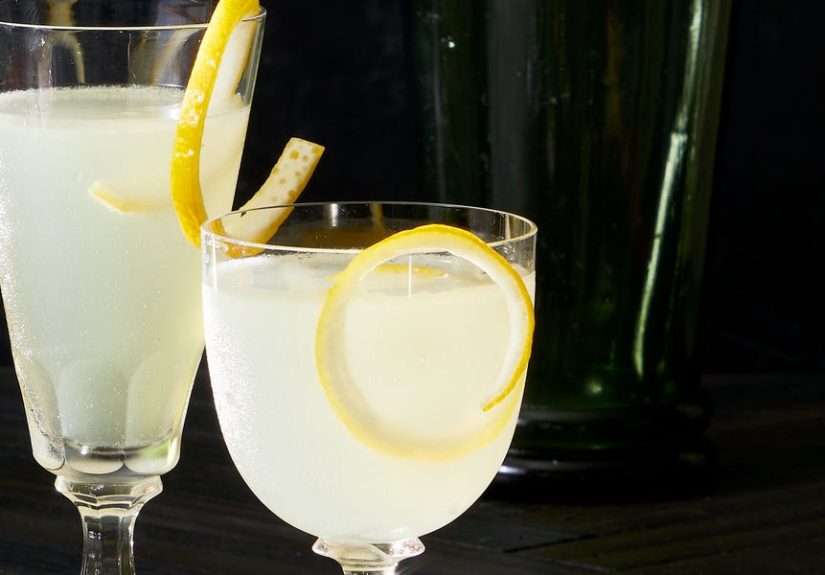
Presentation matters because this drink is all about elegance. Use a coupe glass, Nick and Nora glass, or small stemmed glass if you have one. Chill the glass before serving so the drink stays crisp longer. A lemon twist is the classic-looking garnish, but an orange peel also works well and reinforces the citrus theme.
To make a clean citrus twist, use a vegetable peeler to remove a thin strip of peel, avoiding too much white pith. Hold it over the glass and gently twist to release the citrus oils. Then drop it in or rest it on the rim. It is a tiny move, but it makes the drink smell like it came from a very confident bar menu.
Common Mistakes to Avoid
Using Too Much Sweetener
The drink should be bright and balanced, not syrupy. Start with less sweetener, taste, and adjust. Citrus drinks can quickly go from elegant to candy-shop chaos.
Skipping the Chill
This drink needs to be cold. Chill the tea, chill the glass, and shake with plenty of ice. A lukewarm citrus mocktail is nobody’s dream.
Overdoing the Anise
Anise extract can dominate instantly. Use a tiny amount or skip it. The goal is aroma, not a licorice thunderstorm.
Using Old Citrus
Fresh lemon juice is the difference between a lively drink and a tired one. Use lemons that feel heavy for their size and smell bright when cut.
Food Pairings
This zero-proof Corpse Reviver No. 2 inspired drink pairs well with light, savory foods. Try it with smoked salmon toast, deviled eggs, goat cheese crostini, roasted almonds, cucumber sandwiches, or a bright citrus salad. Its acidity cuts through creamy textures, while the orange and tea notes complement herbs and mild cheeses.
For brunch, serve it with quiche, avocado toast, fruit salad, or lemon ricotta pancakes. For dinner parties, use it as a welcome drink before the meal. It wakes up the palate without feeling heavy, which is exactly what a good aperitif-style drink should do.
How to Batch It for a Party
To make six servings, combine 6 ounces fresh lemon juice, 6 ounces chilled strong tea, 4 1/2 ounces orange syrup, and 3 ounces white grape juice or verjus in a pitcher. Chill the mixture until guests arrive. When ready to serve, shake individual portions with ice and strain into chilled glasses.
If you want a sparkling party version, pour about 3 ounces of the chilled batch into each glass and top with sparkling water. Garnish each drink with a citrus twist. This method is simple, tidy, and much easier than playing bartender while also trying to rescue the appetizers from the oven.
Storage and Make-Ahead Tips
The tea and orange syrup can be prepared ahead of time. Store them separately in the refrigerator. Fresh lemon juice is best squeezed the same day you serve the drink, although it can be kept chilled for several hours if needed.
A fully mixed batch without sparkling water can be refrigerated for a few hours. Stir before serving, then shake with ice for the best texture. Avoid adding sparkling water until the last moment because bubbles are dramatic little things and they leave when ignored.
Experience: What It Feels Like to Make and Serve This Drink
The first time you make a zero-proof Corpse Reviver No. 2 inspired drink, the biggest surprise is how “complete” it feels. Many non-alcoholic drinks are tasty but simple. They are often sweet, fruity, and pleasant, but they do not always have the layered structure that makes someone pause after the first sip and say, “Wait, what is in this?” This recipe has that pause.
Start with the lemon juice and you immediately get brightness. It wakes up the drink and gives it a clean backbone. Then the orange syrup comes in with roundness and a little peel-like bitterness, especially if you use marmalade syrup. The tea adds the part most people cannot identify right away. It gives the drink grip, almost like a dry edge, which makes each sip feel more polished.
When serving it to guests, the chilled glass does half the work before anyone even tastes it. A coupe glass makes the drink look intentional, not improvised. The citrus twist adds aroma, and the pale golden color feels elegant without shouting for attention. It is the kind of drink that fits at a brunch table, a dinner party, or a quiet Friday evening when you want something special but do not want to overcomplicate your life.
One helpful experience is to taste the drink before adding any optional simple syrup. Some lemons are sharper than others, and some orange syrups are sweeter. If the first sip makes your eyebrows jump, add a small touch of syrup. If it tastes too sweet, add a little more lemon or tea. The best version lands right in the middle: tart, fragrant, lightly sweet, and refreshing.
The anise element is the trickiest part. A tiny drop can make the drink feel mysterious and classic. Two drops can make it feel like it joined a licorice parade without asking permission. When testing this recipe, the best approach is to dip a toothpick into the anise extract, then stir that into the drink. That gives you aroma without overwhelming the glass.
For parties, the sparkling variation is usually the easiest crowd-pleaser. It feels lighter and more casual, and the bubbles make it festive. For a more serious, lounge-style presentation, the shaken version is better. It has a silkier texture and a stronger citrus-tea personality. Both versions work, but they create different moods.
Food pairing also changes the experience. With salty snacks like almonds or olives, the drink tastes brighter. With creamy foods like goat cheese or deviled eggs, the acidity becomes more useful because it refreshes the palate. With fruit desserts, especially lemon or orange desserts, the citrus notes become softer and more playful.
The best part of this recipe is that it feels inclusive. Guests who are skipping alcohol still get a drink that looks beautiful, tastes layered, and feels thoughtfully made. Nobody is stuck holding a plain soda while everyone else gets the fancy glassware. That small detail can make a gathering feel more welcoming.
In the end, this drink proves that a great mocktail does not need to pretend to be something else. It simply needs balance, texture, aroma, and a little personality. This zero-proof Corpse Reviver No. 2 inspired recipe delivers all four, with enough citrus sparkle to make the name feel deserved.
Conclusion
The best Corpse Reviver No. 2 inspired recipe is all about balance: fresh lemon juice, orange sweetness, tea-based structure, gentle fruit acidity, and a tiny aromatic finish. This alcohol-free version keeps the drink bright, stylish, and refreshing while making it suitable for a wider range of occasions. Serve it chilled, garnish it beautifully, and adjust the sweetness to match your taste.
Whether you are building a mocktail menu, hosting brunch, or simply craving a citrus drink with more character than ordinary lemonade, this recipe is a smart choice. It is crisp, elegant, easy to customize, and just dramatic enough to make guests remember the name.