Table of Contents >> Show >> Hide
- What Is a Butterfly Needle?
- How a Butterfly Needle Works During a Blood Draw
- Why Healthcare Providers Use Butterfly Needles
- Butterfly Needle vs. Straight Needle
- Benefits of a Butterfly Needle for Blood Draw
- Limitations and Risks
- What Patients Can Expect During the Procedure
- Common Situations Where a Butterfly Needle May Be Used
- Does a Butterfly Needle Hurt Less?
- Why the Butterfly Needle Is So Common in Difficult Draws
- Experiences People Commonly Have With a Butterfly Needle Blood Draw
- Conclusion
A butterfly needle sounds almost charming, which is funny because it still belongs to the very serious world of blood draws, lab work, and medical procedures. Still, the name fits. This small, winged device is designed to make blood collection more controlled, more precise, and often a lot less dramatic for people with tiny, fragile, rolling, or just plain stubborn veins.
If you have ever heard a phlebotomist say, “Let’s use a butterfly,” that usually means they want a blood collection tool that offers better control than a standard straight needle. Butterfly needles are commonly used for venipuncture, especially when a provider expects a tricky stick. They are often chosen for children, older adults, people with dehydration, patients getting frequent blood work, and anyone whose veins seem to enjoy hide-and-seek.
In this guide, we will break down what a butterfly needle is, how it works during a blood draw, why healthcare professionals use it, when it is not the best choice, and what the patient experience is usually like. If you have ever wondered whether a butterfly needle is better, gentler, or just medically adorable, here is the full story.
What Is a Butterfly Needle?
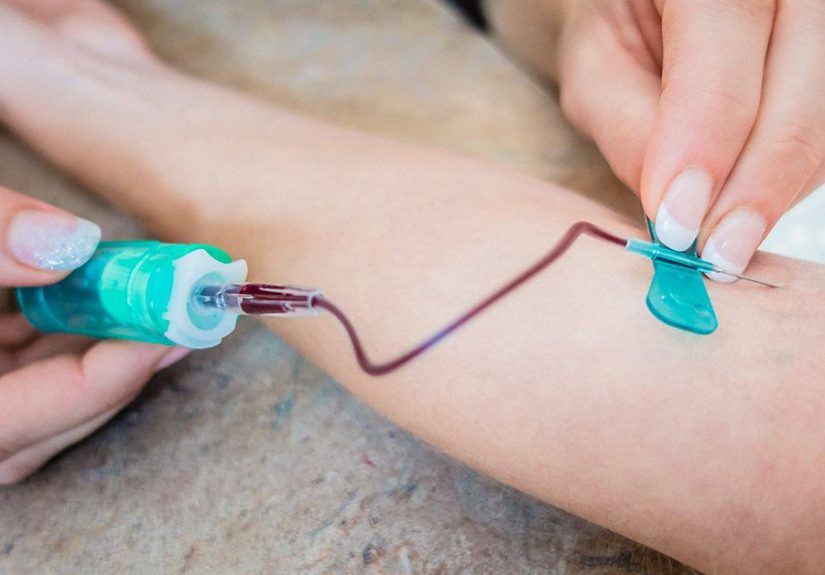
A butterfly needle is a small blood collection device with two flexible plastic “wings” attached near the needle. It is also called a winged infusion set or sometimes a scalp vein set. The needle is connected to a short length of clear tubing, which then connects to a blood collection tube holder, syringe, or IV setup.
That design matters. The wings give the clinician a better grip, which helps with precise placement into a vein. The tubing adds flexibility, so the collection tubes or attached equipment do not tug directly on the needle. In plain English: it gives the healthcare professional a steadier hand and gives your vein a little less chaos.
Butterfly needles come in different gauges. In general, they are available in a wide size range, and common blood collection sets are often sold in sizes such as 21, 23, and 25 gauge. The higher the gauge number, the thinner the needle. A thinner needle can be helpful for small or delicate veins, though it may also slow blood flow.
How a Butterfly Needle Works During a Blood Draw
During a typical blood draw, a trained healthcare professional cleans the skin, identifies a suitable vein, and inserts the butterfly needle into the vein. Once the needle is in place, blood travels through the short tubing and into the collection tube or syringe.
The key difference is control. Because the provider holds the device by the wings, they can guide the needle more precisely than with some other collection systems. The needle tip is thin and angled to enter the vein more easily, and the wings help stabilize the device once it is placed.
Some butterfly needle setups also include safety features such as a shield or retraction mechanism to reduce accidental needlestick injuries after the draw is complete. That is good news for healthcare workers and everyone who prefers their medical tools to behave responsibly.
There is one technical detail worth mentioning: because the tubing contains air, special collection steps may be needed for some tests. In certain situations, a phlebotomist may use a discard tube or follow a specific order of draw to keep the sample accurate. That is one reason butterfly needles should only be used by trained professionals, not by anyone who watched one medical drama and feels suddenly ambitious.
Why Healthcare Providers Use Butterfly Needles
1. They are helpful for small, fragile, or hard-to-find veins
This is the biggest reason butterfly needles are used. They are often a smart option for infants, children, older adults, and people whose veins are narrow, delicate, or difficult to access. If a patient has veins that collapse easily or seem to roll away from the needle, a butterfly setup can offer better control.
2. They allow more precise placement
The wings are not just there for branding. They help the provider hold and guide the needle with more accuracy. That precision can reduce unnecessary repositioning and may improve the odds of a successful draw on the first attempt.
3. They may feel gentler for some patients
Many people report that a butterfly needle feels less intimidating than a standard straight needle. That does not mean it is magic, painless, or powered by good vibes. It still involves a needle. But the smaller size and smoother placement can make the experience feel easier for patients who are anxious about blood draws.
4. They are useful for short procedures
Butterfly needles work well for quick blood draws and short-term access. They are commonly used when the goal is to collect a sample efficiently without leaving a device in place for a long period.
5. They are often chosen when patient comfort matters
If a provider knows a patient is fearful of needles, has had bad blood draw experiences before, or needs frequent testing, a butterfly needle may be chosen to make the process more manageable. In healthcare, small design choices can make a big emotional difference.
Butterfly Needle vs. Straight Needle
| Feature | Butterfly Needle | Straight Needle |
|---|---|---|
| Best for | Small, fragile, or difficult veins | Easily accessible veins and larger-volume draws |
| Control | High precision because of the wings | Good control, but less flexible in some difficult draws |
| Flow speed | Often slower | Often faster |
| Patient comfort | Often perceived as gentler | May be perfectly fine for routine draws |
| Cost | Usually a bit higher | Usually lower |
| Common use | Pediatrics, geriatrics, anxious patients, difficult access | Routine venipuncture in straightforward cases |
A butterfly needle is not automatically “better” than a straight needle. It is simply better for certain situations. Skilled phlebotomists choose the tool based on the patient’s veins, the amount of blood needed, the type of test, and the collection protocol.
Benefits of a Butterfly Needle for Blood Draw
- Better control: The wings help guide the needle accurately into the vein.
- Useful for delicate veins: Often preferred for children, older adults, and patients with hard-to-access veins.
- Flexible tubing: Reduces direct pull on the needle during collection.
- Short-term convenience: Ideal for quick blood draws and brief access.
- Safety options: Many modern devices include a protective safety mechanism.
Limitations and Risks
Butterfly needles are excellent tools, but they are not perfect. The smaller needle and narrow tubing may cause slower blood flow, which can be a problem when a provider needs a larger sample quickly or needs to deliver fluids rapidly.
They also tend to cost more than straight needles. In high-volume clinical settings, that matters. And because tubing is involved, technique becomes especially important for certain lab tests.
As with any venipuncture, there are some risks. Most are minor and temporary, such as a brief sting, mild soreness, slight bruising, or a small amount of bleeding. Some people feel lightheaded or dizzy during or after a blood draw. More serious complications like hematoma, fainting, infection, or nerve injury are uncommon, but they are possible with any needle-based blood collection.
That is why the provider’s skill matters just as much as the device itself. A butterfly needle in trained hands is helpful. A butterfly needle in untrained hands is a very bad idea and probably the opening scene of an avoidable problem.
What Patients Can Expect During the Procedure
For most people, a butterfly needle blood draw is quick. The actual collection often takes less than five minutes. You may feel a small pinch or sting when the needle goes in and a bit of pressure while the blood is being drawn. Once the sample is collected, the provider removes the needle and places gauze or a bandage over the site.
Afterward, the area may feel a little sore, and you might get a small bruise. Usually, that fades quickly. If you know you tend to feel faint during blood tests, tell the staff before they start. They would much rather help you lie back than catch you halfway to the floor.
How to make the blood draw easier
- Drink water beforehand if your provider has not told you to limit fluids.
- Follow fasting instructions exactly if your test requires fasting.
- Stay warm, since warmth can help veins become easier to find.
- Look away if seeing the needle makes you anxious.
- Use slow breathing or distraction techniques if you are nervous.
- Tell the provider if you feel dizzy, nauseated, or sweaty.
Not every blood test requires fasting, and when fasting is required, plain water is usually allowed. The smart move is not guessing. Ask the provider or lab what rules apply to your specific test.
Common Situations Where a Butterfly Needle May Be Used
A butterfly needle may be used for many routine and specialized blood draws, including:
- Complete blood count (CBC)
- Basic or comprehensive metabolic panels
- Thyroid testing
- Glucose and cholesterol testing
- Repeat monitoring for chronic illness
- Blood collection in pediatric or geriatric patients
- Difficult venipuncture cases
That said, not every lab test or patient situation calls for a butterfly needle. A straight needle may be preferred when veins are easy to access, blood flow needs to be faster, or lab protocol favors another collection method.
Does a Butterfly Needle Hurt Less?
Sometimes yes, sometimes not. A butterfly needle may feel more comfortable for some patients because it is smaller, more precise, and often used by providers in situations where extra care is needed. But pain during a blood draw depends on several factors, including the provider’s technique, your vein quality, your hydration level, your anxiety, and whether the first attempt is successful.
So the honest answer is this: a butterfly needle can make a blood draw easier and gentler, but it does not come with a no-discomfort guarantee. Medicine has made a lot of progress, but it still has not invented a blood test that feels like a warm cookie.
Why the Butterfly Needle Is So Common in Difficult Draws
Difficult blood draws are more common than people think. Some patients have naturally small veins. Others have veins that are harder to access because of age, dehydration, repeated testing, medical treatments, or simply body variation. In these cases, the added control of a butterfly needle can improve the odds of success while reducing unnecessary repeat sticks.
This is one reason the butterfly needle has a strong reputation in pediatrics, oncology care, outpatient labs, and settings where patient comfort matters a lot. It is not a luxury item. It is a practical tool for a very practical problem: getting a clean blood sample from a vein that may not cooperate.
Experiences People Commonly Have With a Butterfly Needle Blood Draw
For many patients, the experience of a butterfly needle blood draw is less about the device itself and more about what the device changes. People who have difficult veins often describe a butterfly needle as the moment the room gets less tense. Instead of hearing, “Hmm, let’s try the other arm,” they may hear, “I’m going to use a butterfly for this one,” which can sound like a tiny medical love letter to their uncooperative veins.
Patients with small veins frequently say the draw feels more controlled. There may still be a pinch, but the entry can feel smoother, especially when performed by an experienced phlebotomist. People who have had multiple failed sticks in the past often notice the emotional difference right away. Their shoulders unclench. Their breathing slows down. They stop mentally preparing for round three. In that sense, the butterfly needle is not just a piece of equipment. It can also be a confidence boost.
Parents often have strong opinions about butterfly needles when their children need blood work. In pediatric settings, the smaller size and careful handling can make the experience less overwhelming. The child may still cry, protest, negotiate, or deliver an Oscar-worthy speech on why this is unfair. But when the draw is fast and successful, the recovery is usually fast, too. A sticker, a juice box, and a firm declaration of “I was brave” can restore the universe surprisingly quickly.
Older adults also tend to benefit from the gentler approach. Fragile veins can bruise more easily and may be harder to access with a standard setup. In these situations, a butterfly needle often feels like the more thoughtful choice. Many older patients describe the experience as “easier than expected,” which is about as glowing as medical praise gets.
People who get blood drawn often, such as those managing chronic illness, pregnancy, cancer treatment, anemia, or autoimmune conditions, become accidental experts in venipuncture. They may know which arm works better, which vein tends to behave, and whether hydration helps. For them, the butterfly needle can be part of a routine that reduces dread. They know the drill: drink water, stay warm, sit down, look away, and let the phlebotomist do their thing.
There is also the experience of people who are afraid of needles but still need regular lab work. These patients often say that the scariest part is anticipation, not the actual stick. The sight of the equipment, the smell of the clinic, and the countdown in their own head can be worse than the blood draw itself. In those moments, a butterfly needle may help simply because it is smaller, steadier, and often used with a calmer, more deliberate approach. Add deep breathing and a good distraction, and the whole thing can go from “absolutely not” to “okay, that was not fun, but I survived.”
From the clinician’s side, butterfly needles are often appreciated because they offer finesse. When a provider sees a tiny hand vein, a fragile forearm vein, or a patient who is one deep sigh away from bolting, the butterfly needle can be the right tool for the job. It does not solve everything, but it often improves the odds of a clean draw, a usable sample, and a patient who leaves feeling respected rather than wrestled.
In real life, that may be the biggest reason butterfly needles are used: they fit the moment. They are not the fastest option in every case, and they are not necessary for every patient. But when access is tricky, comfort matters, and precision counts, they often make the whole blood draw experience feel more manageable. And in the world of lab testing, “manageable” is a pretty beautiful word.
Conclusion
A butterfly needle for blood draw is a small but important tool in modern phlebotomy. Its winged design, flexible tubing, and precise handling make it especially useful for patients with small, fragile, or hard-to-access veins. It is commonly used when comfort, control, and short-term access matter more than fast flow.
That does not make it the universal winner for every blood draw. Straight needles still have an important role, especially for routine collections in people with easy-to-find veins. But when the goal is a careful, efficient, patient-friendly draw, the butterfly needle often earns its place.
So yes, the name is cute. But the reason it is used is entirely practical: it helps trained professionals collect blood more precisely in situations where precision really matters.