Table of Contents >> Show >> Hide
- What counts as a “cast iron spice grinder”?
- Why cast iron, specifically?
- The flavor argument: why grinding whole spices hits different
- How to choose the right cast iron spice grinder
- How to use a cast iron spice grinder like you know what you’re doing
- Specific, delicious ways to use freshly ground spices
- Care and cleaning: keep your cast iron grinder happy
- Cast iron vs. other spice grinders
- FAQ: quick answers before you start grinding everything in sight
- Conclusion: a small tool that makes a big difference
- Real-World Experiences With Cast Iron Spice Grinders
There are two kinds of cooks in the world: the ones who buy pre-ground spices and the ones who occasionally
crack open a jar of cumin, sniff it, and whisper, “Who hurt you?” If that second sentence felt a little too real,
welcomethis article is for you.
A cast iron spice grinder is basically a tiny gym for whole spices. It uses weight, friction, and a
little elbow grease to break open peppercorns, coriander, cumin, and other aromatic troublemakers so they release
the flavor you paid for. When it’s good, it’s transformative: brighter aroma, better texture control, and the kind
of “why is this so much better?” moment that makes you feel like a kitchen wizard (minus the robe, unless you’re into that).
What counts as a “cast iron spice grinder”?
“Cast iron spice grinder” is an umbrella term. Under it, you’ll find a few common styles, each with its own vibe:
1) Swing-style mills (two cast iron grinding surfaces)
These are the heavy, palm-friendly grinders where you press and rotate to crush spices between two iron surfaces.
They’re great for peppercorns, seeds, and dry spice blends when you want a slightly rustic grind (the good kind, not the “sand in my teeth” kind).
2) Cast iron mortar and pestle
Think: “small but mighty.” Cast iron mortars are dense, stable, and excellent for cracking hard spices or pounding aromatics like garlic and chiles,
especially when you want control over texturecoarse for rubs, fine for sauces, or paste-like for marinades.
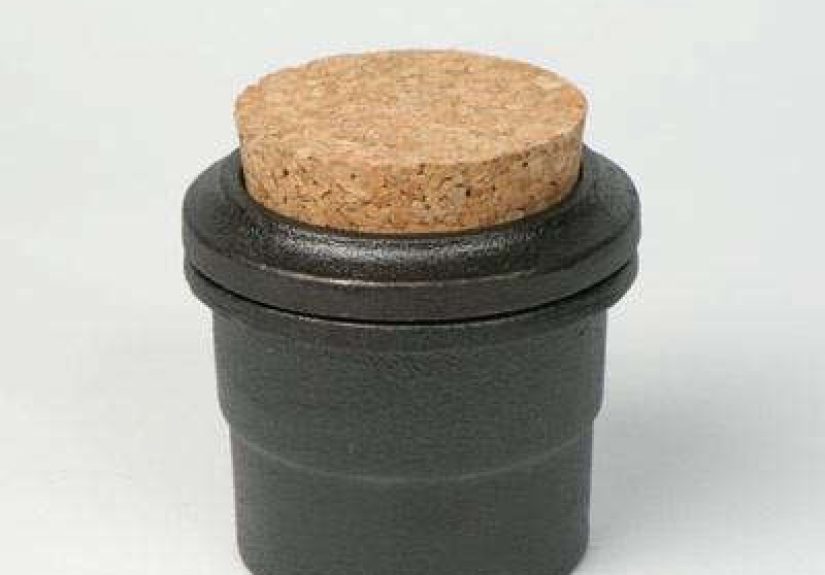
3) Cast iron spice graters (bowl + textured grinding lid)
A fun hybrid: you load whole spices into a bowl and grind them using a textured top. Many versions come with a lid so you can keep leftovers sealed
and aromatic instead of letting them drift into the “mystery dust” zone of your pantry.
Why cast iron, specifically?
Cast iron isn’t trendy because of a social media conspiracy (though it probably looks good on camera). It’s practical:
- Weight = stability. Cast iron doesn’t skitter across the counter mid-grind. It stays put, like it has taxes to pay.
- Texture + friction. Many cast iron grinders have subtle surface texture that helps grab spices and break them down efficiently.
- Longevity. Cast iron is famously durable. Treat it right and it will outlast your current favorite chef’s knife phase.
- Seasoning potential. Like cast iron cookware, many cast iron grinders develop a protective, oil-based patina over time that helps resist rust.
The trade-off: cast iron can rust if you let moisture linger. The upside: basic care is simple once you know the rules (and they’re not as dramatic as the internet makes them).
The flavor argument: why grinding whole spices hits different
Whole spices are little flavor vaults. When you grind them, you break open their structure and release aromatic oils.
Those oils are volatile, which is a fancy way of saying they don’t hang around foreverfreshly ground usually smells and tastes stronger.
That’s why “freshly ground” can turn fine chili into “why does this taste like a restaurant?” chili.
You’re not adding more spice; you’re adding more aroma, which is where a huge chunk of flavor lives.
A quick example: cumin and coriander
Pre-ground cumin can be flat and dusty after it sits for a while. Whole cumin seeds, freshly crushed, smell warm and toasty, like taco night got promoted.
Coriander is even more dramatic: freshly cracked coriander gives citrusy, floral notes that almost disappear when it’s been ground for months.
Texture control (aka: the secret sauce of “chef-y” cooking)
Cast iron grinders shine when you want control. A coarse grind clings better to meat for rubs. A medium grind disperses well into soups and stews.
A fine grind disappears into sauces and baking. You’re not just making powderyou’re choosing how the spice behaves in the dish.
How to choose the right cast iron spice grinder
Don’t buy a grinder based only on how it looks next to your sourdough starter. Choose based on what you actually cook.
Here’s a practical checklist.
Pick a style based on your most common tasks
- Mostly pepper and dry spice blends: a swing-style cast iron mill is fast, tidy, and satisfying.
- Spices + aromatics (garlic/ginger/chiles) + pastes: a cast iron mortar and pestle gives the best texture control.
- Small-batch grinding + storage convenience: a cast iron spice grater with a lid can be a great “grind-and-save” tool.
Size matters (yes, in the least creepy way possible)
If you grind spices often, avoid tiny grinders that can only hold a teaspoon. Small grinders are fine for finishing salt alternatives or table pepper,
but they’ll annoy you if you’re making spice rubs or blending mixes for meal prep.
Look for stability and a comfortable grip
Heavy is good, but “awkwardly shaped heavy” is not. A grinder should feel secure in your hand and sit flat on your counter.
If it rocks, it will drive you bananas (and not in a fun banana bread way).
Pay attention to what you plan to grind (especially salt)
Many cast iron grinders are fantastic for dry spicespeppercorns, coriander, cumin, fennel, mustard seed, dried chiles (broken),
and even flax or sesame in small amounts.
Salt is trickier. Salt attracts moisture and can corrode metal mechanisms. If you want a grinder for salt, look for designs specifically made for salt
(often ceramic mechanisms). If your cast iron grinder is meant for spices and pepper, keep it that way unless the maker explicitly says salt is fine.
How to use a cast iron spice grinder like you know what you’re doing
Step 1: Start with whole spices that still smell like… spices
Whole spices generally hold flavor longer than pre-ground. If your whole spices smell faint, grinding won’t magically resurrect them into greatness.
(Heat can helpmore on that in a secondbut expired is expired.)
Step 2: Toast (optional, but highly recommended)
Toasting whole spices in a dry skillet for a minute or twojust until fragrantcan intensify aroma and deepen flavor.
Cool them briefly before grinding so you don’t create steam inside the grinder.
Step 3: Grind in small batches
Cast iron grinders work best when you don’t overload them. Add a small amount, grind, then add more if needed.
This keeps the motion smooth and the grind more consistent.
Step 4: Match grind size to the job
- Coarse: steak rubs, roasted vegetables, crusts, finishing blends
- Medium: soups, chilis, braises, everyday cooking
- Fine: sauces, baking, smooth marinades, spice-heavy curries
Step 5: Use bloom/toast techniques when cooking
Want maximum payoff? Bloom ground spices in warm oil or butter. This helps distribute spice flavor through the whole dish and amplifies aroma.
Just don’t burn themspices go from “fragrant” to “regret” quickly.
Specific, delicious ways to use freshly ground spices
Make a “weeknight hero” taco seasoning
Grind together: cumin seed, coriander seed, black peppercorns, dried oregano, and a pinch of smoked paprika.
Add salt later (separately) to avoid moisture issues in storage.
Upgrade roasted vegetables
Coarsely grind fennel seed and black pepper, then toss with carrots, cauliflower, or sweet potatoes plus olive oil.
The coarse texture clings better and delivers flavor bursts instead of a flat spice coating.
Build better sauces and marinades
Use a cast iron mortar and pestle for garlic + toasted cumin + chile flakes, then stir into yogurt for a quick sauce
or mix into oil and lemon for a marinade that tastes like you planned ahead (even if you didn’t).
DIY dukkah-style topping
Toast nuts and seeds (like sesame), then coarsely grind with coriander, cumin, and pepper. Sprinkle on eggs, salads,
roasted veggies, or yogurt. It’s crunchy, aromatic, and wildly addictive.
Care and cleaning: keep your cast iron grinder happy
Cast iron grinders are low drama if you follow three rules: avoid soaking, avoid the dishwasher, and avoid leaving moisture behind.
That’s it. That’s the whole prophecy.
Daily cleaning (the easy version)
- Dry brush or wipe. A stiff brush or dry cloth is often enough for spices.
- Knock out residue. Tap gently and brush out any trapped bits.
- Light oil wipe (optional). If your grinder looks dry or you live in a humid climate, wipe with a tiny amount of neutral oil, then wipe again so it’s not greasy.
When aromas linger (hello, garlic and cumin)
If you don’t want tomorrow’s cinnamon to taste like today’s garlic, “reset” the grinder:
grind a spoonful of dry, uncooked rice (or a few crackers) to absorb oils, then discard and brush clean.
This trick works especially well for stubborn spice oils.
What if it gets rust?
Rust happens when moisture sits on bare iron. The fix is straightforward:
- Scrub the rust (steel wool or a rust eraser works).
- Wash briefly if needed, then dry immediately and thoroughly.
- Re-season: wipe with a thin layer of oil and heat it (oven or stovetop) so the oil bonds to the metal.
If you already care for cast iron cookware, you can treat your cast iron grinder similarlyjust scaled down.
Cast iron vs. other spice grinders
Cast iron is excellent, but it’s not “the one tool to rule them all.” Here’s the honest comparison.
Cast iron grinder
- Pros: durable, stable, great texture control, satisfying to use, no electricity
- Cons: needs dryness to prevent rust, not ideal for salt (often), can hold aromas if not cleaned well
Electric blade grinder
- Pros: fast, can make fine powders quickly
- Cons: uneven grind, heat/friction can dull delicate aromas, harder to control texture
Granite/stone mortar and pestle
- Pros: excellent grip and friction, great for pastes, no rust worries
- Cons: heavy, can be messy, some need “breaking in” or seasoning to remove grit
Traditional pepper mill (steel or ceramic mechanism)
- Pros: consistent grind for pepper, convenient at the table
- Cons: mechanism may not suit all spices; salt requires the right mechanism to avoid corrosion
FAQ: quick answers before you start grinding everything in sight
Can I grind coffee in a cast iron spice grinder?
Some people do for a coarse grind, but coffee oils can linger and perfume your next spice batch.
If you try it, be ready to “reset” with rice afterwardand consider keeping coffee and spices separate.
Can I grind fresh herbs?
Cast iron grinders generally prefer dry ingredients. Fresh herbs can smear, stain, and leave moisture behind.
If you want herb paste, use a mortar and pestle style and clean/dry it immediately.
How do I store whole spices so grinding is worth it?
Store spices in airtight containers away from heat, light, and steam. Buying whole spices and grinding as needed
is one of the easiest ways to keep flavors bold without constantly replacing jars.
Conclusion: a small tool that makes a big difference
A cast iron spice grinder is one of those deceptively simple kitchen upgrades: no apps, no charging cable,
no “smart” settingsjust weight and friction turning whole spices into big flavor. Choose the right style for the way you cook,
keep it dry, and you’ll get fresher aroma, better texture control, and a little extra joy every time you twist and grind.
Real-World Experiences With Cast Iron Spice Grinders
If you’ve never used a cast iron spice grinder before, the first “experience” is usually surprisespecifically at how loud
whole spices can be when they’re getting crushed. Peppercorns don’t go quietly. They crack and pop like tiny culinary fireworks,
which is both satisfying and a little dramatic, like your dinner is auditioning for a cooking show.
One of the most common moments people describe is the “jar sniff test” comparison. You grind fresh cumin or coriander,
then you smell the pre-ground version sitting next to it, and suddenly you understand why so many recipes feel like they need
“more seasoning.” It wasn’t always that you needed more spiceit was that the spice needed more life.
Freshly ground spices can smell brighter, more complex, sometimes even sweeter or more citrusy, depending on what you’re grinding.
Another real-world experience: learning that grind size changes how food tastes. A coarse grind of black pepper
on a steak doesn’t just make it pepperyit creates little bursts of heat and aroma as you chew. A fine grind disappears into a sauce
and feels smoother, more integrated. People often notice they start seasoning differently: less “dump a spoonful” and more “choose a texture.”
That’s a subtle shift, but it’s the kind that makes home cooking feel more intentional without actually taking much more time.
Then there’s the “spice blend rabbit hole.” Once you can grind reliably, it’s hard not to start making your own mixes:
taco seasoning, shawarma-ish blends, peppery steak rubs, chili crisp-style toppers, or quick dukkah-inspired sprinkles.
The experience most cooks report is not that homemade blends are complicatedit’s that they’re surprisingly easy, and once you taste
a fresh blend, the store-bought one can feel oddly flat. (Not always! But often enough that you’ll notice.)
Cast iron grinders also teach patience in a very practical way: they reward small batches. The first time someone overloads a grinder,
the grind becomes uneven, spices hop out, and the kitchen counter gets a free “seasoning” it did not request. After that, most people
settle into a rhythmgrind a little, shake, grind againlike it’s a tiny ritual before cooking. And honestly? That ritual can be the best part.
Maintenance experiences are where cast iron earns its reputationmostly because new users expect it to be fragile or fussy.
In practice, the most frequent lesson is: dryness is everything. If you wipe it clean and keep water out of the equation,
it behaves beautifully. If you rinse it, forget it, and come back later? That’s when rust shows up like an uninvited guest.
The comforting part is that rust is usually fixable, and after you’ve dealt with it once, you tend to remember the “dry immediately” rule forever.
Finally, there’s the sensory experience that doesn’t show up in product descriptions: cast iron feels grounded. It’s heavy, steady, and tactile.
It makes you slow down for thirty seconds and pay attention to smellwhat’s blooming, what’s fragrant, what’s changing.
For a lot of home cooks, that’s the unexpected payoff: not just better flavor, but a calmer, more satisfying way to start a meal.