Table of Contents >> Show >> Hide
Some people collect sneakers. Others collect houseplants. And then there are the truly refined souls who collect tea kettles. If you’ve ever admired a shiny, classic kettle in a design magazine and thought, “Wow, that would look great on my stove,” there’s a good chance it was something like the Copco Cambridge Tea Kettle.
The Copco Cambridge is one of those pieces of kitchenware that quietly does its job for years, then suddenly becomes the star of your countertop when guests come over. With its polished stainless steel body, traditional curves, and sturdy handle, it looks like it stepped out of an old-style kitchenbut it behaves like a modern workhorse.
In this in-depth guide, we’ll walk through what makes the Copco Cambridge Tea Kettle special, how it performs in everyday life, how to care for it so it lasts, and what kind of tea (or coffee) lover it’s best suited for. We’ll also wrap up with some real-world experiences and tips from the “I actually use this thing every day” perspective.
Meet the Copco Cambridge Tea Kettle
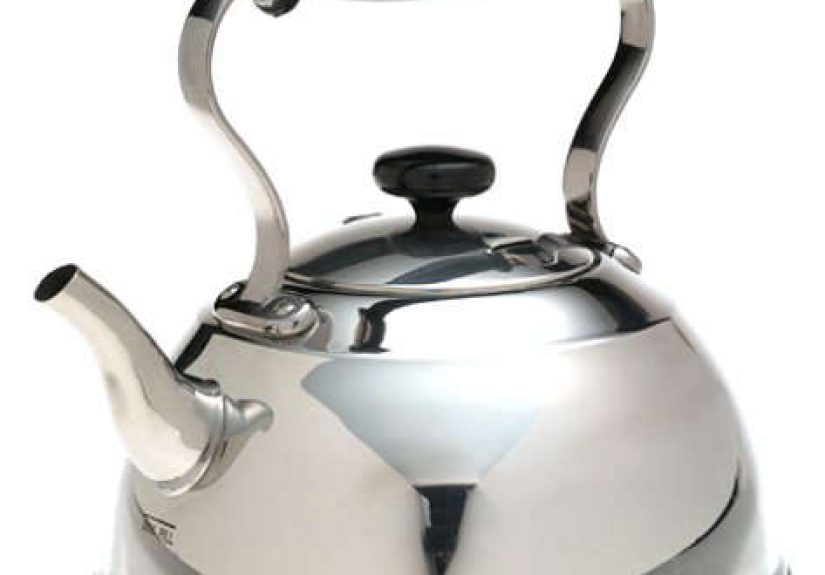
The Copco Cambridge Tea Kettle is a stovetop kettle made of polished stainless steel with a classic, almost colonial kitchen silhouette. Originally sold through retailers like Amazon and featured on design-forward sites such as Remodelista, it has built a quiet fan base among people who want a timeless kettle that isn’t trying too hard.
It’s typically a 1.5-quart (about 1.4 L) kettleenough to brew several mugs of tea or fill a small teapot. The design includes:
- Polished stainless steel body
- Wide-bodied base (around 9 inches) for faster boiling
- Oversized, stay-cool handle for a firm, comfortable grip
- Heat-resistant knob on the lid
- Traditional S-shaped spout that pours smoothly and is non-whistling
It’s designed for use on most gas and electric stovetops. Many owners treat it as a daily-driver kettlesomething they use for tea, instant coffee, pour-over coffee, oatmeal, and even instant noodles.
Design and Aesthetic
Visually, the Copco Cambridge is all about understated shine. The polished stainless steel finish and simple silver color give it a chrome-like look that fits well in both modern and traditional kitchens.
Instead of loud colors or trendy shapes, it leans into:
- Classic curves: a rounded body and gently arched handle.
- Timeless finish: polished stainless steel that coordinates with stainless appliances and cookware.
- Functional accents: black heat-resistant handle and lid knob that add contrast and comfort.
It’s the kind of kettle that looks equally at home next to a vintage cast-iron skillet or a sleek induction-ready saucepan. If your aesthetic is “quietly put-together,” this kettle plays along perfectly.
Key Features and Specifications
While exact details vary slightly by production run and listing, most Copco Cambridge kettles share these core specs:
- Material: Stainless steel (often noted as 18/10 in older descriptions for good corrosion resistance)
- Capacity: 1.5 quarts / roughly 1.4 liters
- Base: Wide-bodied base designed to help water boil more quickly
- Spout: S-shaped, designed for safe, dripless pouring
- Whistle: Typically non-whistling, so it’s quietgreat if you dislike shrieking kettles
- Handle: Oversized, heat-resistant handle and lid knob for comfort and control
- Finish: Polished stainless, in a classic silver tone
Historically, pricing has hovered in the affordable rangearound the mid-$20 zone when available newmaking it competitive with other classic stainless kettles.
Performance in Everyday Use
A pretty kettle is nice, but what you really want is hot water without drama. The Copco Cambridge delivers exactly that.
Boil speed: Thanks to its broad base, the kettle exposes more surface to the burner, which helps water heat and boil faster than in tall, narrow kettles. Users often note that it brings water up to temperature efficiently for day-to-day tea or pour-over coffee.
Pouring: The S-shaped spout isn’t just decorativeit’s built for controlled, dripless pouring. That slower, more precise pour is especially handy for:
- Pour-over coffee (where you want to control flow rate)
- Delicate teapots with narrow openings
- Avoiding “Niagara Falls” accidents all over your counter
Noise level: Since the Cambridge generally does not whistle, it’s ideal if you find whistling kettles annoying. On the flip side, you’ll need to keep an eye (or ear) on itno loud alert when your water hits boiling.
Durability and Build Quality
Stainless steel is the workhorse of the kettle world. Unlike some cheaper, thin-gauge kettles, the Copco Cambridge feels solid without being overly heavy. Owners commonly use these kettles for years with only minor cosmetic wear like light surface scratches.
Stainless steel offers a few key advantages:
- Resists rust and corrosion when properly dried
- Handles high heat without warping
- Won’t crack like glass or chip like enamel if bumped (within reason)
As with all stainless kettles, overheating when empty can discolor the base or cause blue/brown heat stains, but those are usually cosmetic and sometimes polish out with stainless cleaners.
Pros and Cons at a Glance
- Pros
- Classic, timeless stainless design that matches most kitchens
- Wide base helps water boil more quickly
- Oversized handle is comfortable and stable to grip
- Non-whistling, smooth S-shaped spout for dripless pouring
- Durable stainless steel construction built for long-term use
- Typically affordable compared with many designer kettles
- Cons
- No whistle, so it won’t loudly alert you when boiling
- Polished stainless shows fingerprints and smudges more easily
- 1.5-quart capacity may be small for large families or big tea parties
- Induction compatibility can vary depending on the specific base design
How the Copco Cambridge Compares to Other Kettles
Compared with many modern stovetop kettles, the Copco Cambridge sits in an interesting sweet spot: it’s more elegant than budget kettles but more affordable than some high-end designer pieces.
On classic kettle roundups, you’ll often see it alongside porcelain models, high-end stainless brands, and colorful enamel-on-steel options. In those comparisons, it stands out as the simple, polished stainless option that delivers design-magazine looks without luxury pricing.
Versus electric kettles, the Cambridge:
- Heats slightly slower than top-tier electric models but fast enough for most daily tasks
- Offers more visual charm if you like something permanently living on the stovetop
- Doesn’t require an outlet, which is great for small kitchens or limited counter space
Compared with enamel-on-steel kettles, stainless steel tends to be less vulnerable to chipping and may handle bumps better over time, though enamel offers color variety that stainless doesn’t.
How to Use and Care for a Copco Cambridge Tea Kettle
Take care of your kettle, and it will keep boiling away for years. Here’s how to get the best performance and longest life out of a Copco Cambridge.
Before First Use
- Remove all labels and packaging.
- Wash the interior and exterior with warm, soapy water.
- Rinse thoroughly and dry with a soft, lint-free cloth.
Pre-washing removes manufacturing oils and dust so your first cup of tea tastes like tea, not “mystery factory.”
Everyday Use Tips
- Fill below the spout: Overfilling can cause hot water to bubble out as it boils.
- Use medium heat: Medium to medium-high heat is usually enough. Cranking it to maximum can discolor the base over time and doesn’t always save much time.
- Don’t walk away forever: Since the Cambridge typically doesn’t whistle, stay reasonably close or set a timer so you don’t forget it on the stove.
- Rinse and air dry: After use, pour out any remaining water, rinse, and let it dry with the lid off to prevent stale odors and mineral build-up.
Cleaning and Descaling
Over time, especially in hard-water areas, minerals can build up inside your kettle. Luckily, stainless steel cleans up nicely with basic supplies.
For routine cleaning:
- Wash with warm water and mild dish soap using a soft sponge.
- Avoid steel wool or abrasive pads that can scratch the surface.
- Dry thoroughly to prevent water spots.
For descaling:
- Fill the kettle with a 1:1 mixture of water and white vinegar, enough to cover the mineral buildup.
- Bring to a boil, turn off the heat, and let the solution sit until it cools.
- Pour it out and gently scrub remaining spots with a soft brush or sponge.
- Rinse thoroughly with clean water and dry.
You can also substitute citric acid for vinegar if you want a less vinegary aroma in your kitchen.
Safety Considerations
- Never heat the kettle when it’s emptythis can damage the finish and warp the base.
- Turn off the burner once the water boils; extended boiling mainly just wastes energy and evaporates water.
- Always use the handle and lid knobboth are designed to be heat-resistant, but be cautious around steam escaping from the spout.
Is the Copco Cambridge Tea Kettle Right for You?
The Copco Cambridge Tea Kettle is a great match if you:
- Love classic, stainless steel kitchenware with a slightly vintage feel
- Want a reliable stovetop kettle without paying designer-brand prices
- Prefer a non-whistling kettle (quiet mornings, anyone?)
- Make tea or coffee for one to three people at a time
On the other hand, if you habitually walk away from the stove and only return when you hear a whistleor if you regularly serve tea for a crowdyou might prefer a larger, whistling model.
But if what you want is a compact, elegant, “forever” kettle that looks great on the stovetop and handles daily duty with minimal fuss, the Copco Cambridge is an excellent choice.
Real-Life Experiences with the Copco Cambridge Tea Kettle
Product listings and specs are helpful, but daily life with a kettle is where the relationship really forms. Looking through user feedback on retailer sites and secondhand listings, a picture emerges of how people actually live with the Copco Cambridge.
Many owners mention one simple theme: they’ve had it for years. This isn’t a “use it for a season and toss it” kind of item. One buyer noted they picked it up because it was significantly cheaper than some brand-name competitorsbut kept it because it performed better than expected and held up to daily use over the long term.
Another recurring detail is how much people like the pour control. Instead of a gush of boiling water, the S-shaped spout gives a smoother stream that’s perfect for pour-over coffee cones or delicate teaware. If you’ve ever tried to pour from a clumsy kettle into a narrow mug and ended up watering your stovetop instead, you’ll appreciate this little design choice.
There’s also a subtle aesthetic joy to the kettle that owners talk aboutespecially those who found it via design-oriented sites or vintage resellers. Some describe the Copco Cambridge as having a “retro” or “classic” vibe that fits into a cozy, eclectic kitchen filled with mismatched mugs, wooden spoons in a jar, and maybe a plant or two trying to remember it’s supposed to stay alive.
On the practical side, it’s often used as a kind of multi-tasking hot water source. A typical day-in-the-life might look like this:
- Morning: Boil water for pour-over coffee or tea.
- Midday: Top up a French press or brew another mug of tea.
- Afternoon: Hot water for instant ramen or oatmeal during a quick work break.
- Evening: A comforting herbal tea, using the last bit of the boiled water.
Owners who live in smaller spaces like apartments or older homes appreciate that it doesn’t hog counter space with a base or cordjust lives on the stove, looking shiny and ready for action. It’s the low-maintenance roommate that never complains and always makes hot water.
Not everything is perfect, of course. Some users mention that because it doesn’t whistle, they have to be more intentional about staying nearby or setting a timer. This is less of an issue for people who already cook regularly and are used to monitoring the stovebut if you’re someone who starts the kettle, then wanders off to scroll your phone for half an hour, a whistling model might be safer.
Others note that the polished stainless finish, while beautiful, does show fingerprints and smudges. The good news: a quick wipe with a soft cloth and, occasionally, a stainless cleaner keeps it looking almost new. For those who like their kitchen to have a slightly lived-in sheen rather than a showroom shine, even a bit of patina can be part of the charm.
One particularly relatable “experience” story: imagine a weekend breakfast. The Copco Cambridge is quietly heating water while you whisk pancake batter. There’s no high-pitched whistle to rush youjust the gentle sound of water simmering as your stove does its thing. You lift the kettle, feel the solid handle in your hand, and pour hot water over coffee grounds or into your favorite mug. It’s a small ritual, but over time, those small rituals are what make a home feel like yours.
In the end, that’s the real experience of living with a Copco Cambridge Tea Kettle: it becomes part of your daily rhythm. Not flashy, not fussyjust reliable, good-looking, and always ready when you need a comforting cup of something hot.
Conclusion
The Copco Cambridge Tea Kettle isn’t trying to reinvent the wheelor the spout. Instead, it focuses on doing the fundamentals well: stainless steel durability, classic design, a wide base for quicker boiling, and a comfortable handle that makes pouring feel secure.
If you’re looking for a stovetop kettle that looks great, works hard, and doesn’t demand constant attention (aside from remembering it doesn’t whistle), this is a strong contender. Treat it well, clean it regularly, and it will likely earn a permanent spot on your stove and in your daily routine.