Table of Contents >> Show >> Hide
- What Is Esotropia?
- Types of Esotropia
- Common Symptoms of Esotropia
- What Causes Esotropia?
- How Esotropia Is Diagnosed
- Treatment Options for Esotropia
- When Should You See a Doctor?
- Can Esotropia Be Prevented?
- What Is the Outlook?
- Experiences Related to Esotropia: What Families and Patients Often Notice
- Conclusion
Esotropia is a type of strabismus, or eye misalignment, where one or both eyes turn inward toward the nose. In everyday language, people may call it “crossed eyes,” although that phrase is about as medically precise as calling every soup “hot water with ambition.” Esotropia can appear in babies, children, and adults, and it can be constant, occasional, mild, obvious, or subtle enough that it shows up mainly in photos, reading fatigue, or depth-perception problems.
The good news: esotropia is treatable. The exact treatment depends on the type, age of onset, vision in each eye, whether farsightedness is involved, and whether the person has symptoms such as double vision, eye strain, or amblyopia, commonly called lazy eye. Early evaluation matters, especially for children, because the developing brain may begin to ignore input from the turned eye, which can affect vision long term.
What Is Esotropia?
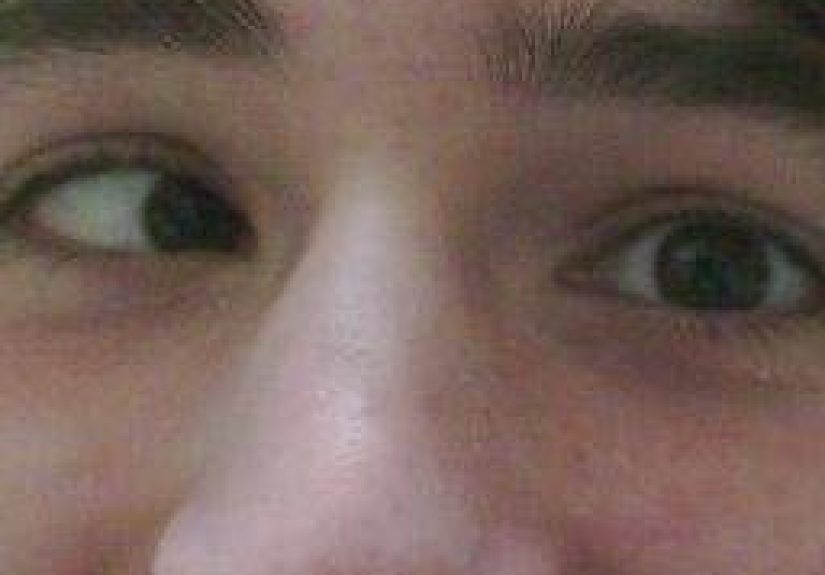
Esotropia happens when the eyes are not aligned and one eye points inward instead of looking at the same target as the other eye. Sometimes the same eye turns in every time. In other cases, the eyes alternate, meaning the right eye may turn inward at one moment and the left eye at another. The condition may be present all the time or appear only when the person is tired, focusing up close, looking far away, or under visual stress.
Normal eye alignment depends on a surprisingly coordinated team: eye muscles, cranial nerves, focusing ability, binocular vision, and the brain’s control system. When that teamwork breaks down, the eyes may stop pointing in the same direction. In children, the brain often suppresses the image from the misaligned eye to avoid double vision. That sounds clever, but it can lead to amblyopia if the ignored eye does not develop strong vision. In adults, the brain is less likely to suppress the second image, so sudden esotropia may cause double vision and should be evaluated promptly.
Types of Esotropia
Infantile Esotropia
Infantile esotropia usually appears within the first six months of life. A baby’s eyes may occasionally look uncoordinated in the first few months, but a persistent inward turn should not be dismissed as “just baby stuff.” By around three to four months, infants should usually be able to focus more steadily. Infantile esotropia is often a large-angle turn and may require close monitoring, treatment for amblyopia, and sometimes eye muscle surgery.
Accommodative Esotropia
Accommodative esotropia is strongly linked to focusing effort, especially in children with farsightedness. When a child is farsighted, the eyes must work harder to focus clearly. That extra focusing can trigger extra convergence, pulling one or both eyes inward. This type often appears between infancy and early childhood and may become noticeable when a child looks at books, toys, tablets, or a parent’s face at close range.
Glasses are often the first major treatment for accommodative esotropia. The lenses reduce the need for excessive focusing, which can help the eyes straighten. Some children need bifocals if the inward turn is worse at near distances. In fully accommodative esotropia, glasses may correct the eye turn completely while they are worn. In partially accommodative esotropia, glasses improve alignment but do not fully straighten the eyes, so other treatments may be considered.
Nonaccommodative Esotropia
Nonaccommodative esotropia is not mainly caused by focusing effort. Glasses may still be needed for vision correction, but they do not fully solve the inward turn. This type may be related to eye muscle control, neurologic factors, sensory vision problems, or other medical causes. Treatment may involve surgery, prism lenses, amblyopia therapy, or management of an underlying condition.
Intermittent vs. Constant Esotropia
Intermittent esotropia comes and goes. A child may look aligned most of the day, then one eye turns inward when tired, sick, daydreaming, or focusing closely. Constant esotropia is present most or all of the time. Both forms deserve attention, but constant esotropia generally raises more concern for amblyopia and reduced binocular vision.
Alternating vs. Unilateral Esotropia
In alternating esotropia, either eye may turn inward. In unilateral esotropia, the same eye usually turns in. Alternating esotropia may suggest that both eyes have usable vision, while unilateral esotropia may carry a greater risk that the turned eye becomes weaker. That said, only a proper eye exam can determine what is really happening. Eyes are sneaky little overachievers; they can fool even observant parents.
Acquired Esotropia in Adults
Adults can develop esotropia after years of normal alignment. Causes may include thyroid eye disease, cranial nerve problems, neurologic conditions, trauma, high myopia-related changes, or decompensation of a childhood eye alignment issue. Sudden inward turning, especially with double vision, headache, weakness, dizziness, or neurologic symptoms, should be evaluated urgently.
Common Symptoms of Esotropia
The most visible symptom of esotropia is one or both eyes turning inward. However, the full symptom list depends on age and how the brain handles the misalignment.
- One eye turns toward the nose
- Eyes do not appear to look in the same direction
- Squinting or closing one eye, especially in bright light
- Head tilting or turning to improve vision
- Poor depth perception or clumsiness with steps, balls, or reaching tasks
- Eye strain, headaches, or tired eyes
- Difficulty reading or losing place on a page
- Double vision, especially in adults or older children
- Reduced vision in one eye due to amblyopia
In young children, symptoms may not be verbalized. A toddler will not usually say, “Excuse me, my binocular fusion is having a rough Tuesday.” Parents may instead notice eye crossing in photos, one eye drifting during meals, a child bumping into objects, or resistance to wearing glasses because the world suddenly looks different.
What Causes Esotropia?
Esotropia can have several causes. In many children, farsightedness is a major factor because focusing effort and eye convergence are connected. Family history may also play a role; strabismus can run in families, although relatives may have different types or severities.
Other causes include problems with eye muscles, nerve signals, visual development, or conditions that reduce vision in one eye. Some children with developmental or neurologic conditions have a higher risk of strabismus. In adults, esotropia may be associated with thyroid eye disease, stroke, head injury, sixth nerve palsy, diabetes-related nerve issues, or age-related changes in eye movement control.
Sometimes esotropia is not truly present. Pseudoesotropia can make a baby’s eyes appear crossed because of a broad nasal bridge or skin folds near the inner eyelids. The eyes are actually straight, but the face is playing an optical prank. An eye doctor can tell the difference.
How Esotropia Is Diagnosed
Diagnosis usually starts with a detailed history. The eye doctor may ask when the eye turn began, whether it is constant or intermittent, whether it happens more at near or far distances, and whether there is a family history of strabismus, amblyopia, or strong glasses prescriptions.
A full eye exam may include visual acuity testing, eye alignment testing, cover-uncover tests, eye movement evaluation, depth perception testing, and a dilated exam to check eye health. Cycloplegic refraction is especially important in children because it temporarily relaxes focusing and helps reveal the true glasses prescription. Without it, farsightedness can be underestimated because children are champion focusers. Tiny superheroes, yes, but not always accurate refractive reporters.
Treatment Options for Esotropia
Glasses or Contact Lenses
Glasses are often the first-line treatment for accommodative esotropia. Correcting farsightedness can reduce the focusing effort that pulls the eyes inward. Children may need to wear glasses full time, not just for school or reading. If the eyes cross more during near work, bifocals may help.
Patching or Atropine for Amblyopia
If one eye has weaker vision, treatment may focus on amblyopia. Patching the stronger eye encourages the brain to use the weaker eye. In some cases, atropine drops may blur the stronger eye instead of using a patch. Neither method physically straightens the eye, but both can improve vision in the weaker eye, which is a major goal of treatment.
Prism Lenses
Prism lenses can help some people, especially adults with double vision or small-angle deviations. Prisms bend light so the images are easier for the brain to combine. They may be built into glasses or applied as temporary stick-on prisms while the condition is changing.
Eye Muscle Surgery
Strabismus surgery adjusts the position or tension of eye muscles to improve alignment. It does not replace glasses when glasses are needed for focusing or refractive correction. Instead, surgery helps reposition the eyes so they point more accurately. Children and adults can both be candidates, depending on the type and severity of esotropia.
Botulinum Toxin
Botulinum toxin injections are used less commonly than glasses or surgery, but they may be considered in selected cases. The injection weakens a specific eye muscle temporarily, which may help rebalance alignment. Availability and suitability vary, so this is typically discussed with a pediatric ophthalmologist or strabismus specialist.
Treating Underlying Conditions
When esotropia is caused by another medical issue, treatment must address the root cause. For example, an adult with new double vision may need evaluation for neurologic, thyroid, or nerve-related problems. In these cases, the eye turn is not just an eye-alignment puzzle; it may be a clue that the body is sending a bigger message.
When Should You See a Doctor?
Children should be evaluated if an eye turn is persistent after early infancy, appears suddenly, worsens, or is accompanied by poor vision, unusual head posture, or developmental concerns. Adults should seek medical attention for new esotropia, especially if double vision appears suddenly.
Urgent evaluation is important if eye misalignment comes with severe headache, weakness, trouble speaking, facial drooping, dizziness, eye pain, recent trauma, or other neurologic symptoms. Most esotropia cases are not emergencies, but sudden changes deserve respect. Eyes may be small, but they have a direct line to the brain’s complaint department.
Can Esotropia Be Prevented?
Not all cases of esotropia can be prevented. However, early eye exams can detect risk factors such as significant farsightedness, amblyopia, or poor eye teaming. Children with a family history of strabismus or amblyopia may benefit from earlier screening. Following the treatment plan matters too. Glasses that live in a drawer do not correct eye alignment; they are not magical unless worn.
What Is the Outlook?
The outlook for esotropia is often good when diagnosis and treatment happen early. Many children do well with glasses, amblyopia therapy, surgery, or a combination of treatments. Some need long-term follow-up because eye alignment and vision can change as they grow. Adults can also benefit from treatment, including prism lenses, surgery, or management of underlying causes.
The main goals are to improve eye alignment, support clear vision in both eyes, protect binocular vision when possible, reduce double vision, and improve quality of life. Cosmetic alignment matters toonot because appearance is everything, but because eye contact affects confidence, communication, and social comfort.
Experiences Related to Esotropia: What Families and Patients Often Notice
Living with esotropia is not just a clinical checklist of “inward turn, diagnosis, treatment.” It is also a daily-life experience. For many families, the first clue appears in a casual photo. One eye reflects the camera flash differently, or one pupil seems to drift toward the nose. At first, someone may say, “Maybe it was just the angle.” Then it happens again during breakfast, story time, or a video call with grandparents who suddenly become amateur ophthalmologists.
Parents often describe a mix of worry and relief after the first eye appointment. Worry, because hearing words like strabismus, amblyopia, or surgery can make the room feel smaller. Relief, because finally there is an explanation and a plan. A child who receives glasses for accommodative esotropia may look dramatically different once the prescription is worn consistently. Sometimes the eyes appear straighter almost immediately. Other times, improvement is gradual, and follow-up visits are needed to adjust the prescription or check whether amblyopia therapy is working.
Getting a young child to wear glasses can be its own Olympic event. Some toddlers remove them every twelve seconds with the confidence of a tiny celebrity rejecting sunglasses from last season. Families often learn practical tricks: choosing flexible frames, using straps when recommended, praising wear time, making glasses part of the morning routine, and staying calm when the child resists. Consistency is usually more powerful than dramatic speeches. The glasses are not a punishment; they are a tool that helps the eyes and brain work together.
Patching can be emotionally harder. A child may dislike covering the stronger eye because the weaker eye has to do the heavy lifting. Reading, drawing, or playing may feel frustrating at first. Many families turn patch time into activity time: puzzles, coloring, building blocks, or screen-based tasks approved by the clinician. The goal is not to win a parenting perfection contest. The goal is steady visual practice, one manageable session at a time.
Adults with esotropia often describe a different challenge: double vision, eye strain, and self-consciousness. New double vision can make driving, working on a computer, or walking down stairs feel unsettling. Prism glasses may provide relief for some people, while others eventually consider surgery. Adults who have lived with strabismus since childhood may also seek treatment later in life for comfort, alignment, or confidence. It is a myth that adults are “too old” for strabismus care. Treatment decisions simply depend on the individual case.
One important experience shared by many patients is that esotropia treatment is rarely a one-and-done story. Prescriptions change. Children grow. Eye alignment may improve, drift, stabilize, or require a new plan. That does not mean treatment failed. It means the visual system is alive, developing, and occasionally behaving like a group project where one member forgot the assignment. Regular follow-up helps keep the plan realistic and effective.
The most encouraging part is that esotropia is understandable and manageable. With timely care, many children protect strong vision, many adults reduce double vision, and many families move from panic to routine. The journey may include glasses, patches, appointments, surgery discussions, and a few dramatic toddler negotiationsbut it also includes progress. And progress, in eye care as in life, is worth looking at straight on.
Conclusion
Esotropia is an inward eye turn that can affect babies, children, and adults. It may be related to farsightedness, eye muscle control, neurologic factors, sensory problems, or other health conditions. The most important step is proper diagnosis by an eye care professional, because treatment depends on the type of esotropia and the person’s visual needs.
Glasses, bifocals, patching, atropine drops, prism lenses, botulinum toxin, and eye muscle surgery may all play a role. Early treatment is especially important for children because it can help prevent amblyopia and support better visual development. For adults, treatment can reduce double vision, improve alignment, and make daily activities more comfortable. Esotropia may look simple from the outsideone eye turns inwardbut the best care looks deeper.