Table of Contents >> Show >> Hide
Farmhouse decorating has lasted longer than most “hot” design trends, and that is probably because it never really wanted to be flashy in the first place. It is the design equivalent of fresh bread, a worn-in leather chair, and a kitchen table that does not panic when someone sets down a mug without a coaster. In other words, farmhouse style works because it feels lived in, welcoming, and gloriously human.
That said, farmhouse design today is not the same beast it was a few years ago. The updated version is less “buy every sign that says Gather” and more “create a home with warmth, texture, and a story.” It borrows from old farmhouses, country homes, cottages, and simple American utility, but it also knows how to behave in a city apartment, a suburban renovation, or a brand-new build that needs a little soul.
If you want a home that feels cozy but still polished, timeless but not stiff, farmhouse decorating can absolutely deliver. The trick is knowing which ideas to embrace, which ones to calm down, and which ones to send gently back to the design pasture.
What Farmhouse Style Really Means Today
At its core, farmhouse style is about comfort, practicality, and charm. Rooms should feel easy to use, not precious. Furniture should invite people to sit down, not hover nervously with perfect posture. Materials should feel natural and durable, and the overall look should be collected rather than overly matched.
Modern farmhouse design still loves classics like wood beams, apron-front sinks, shaker-style cabinets, slipcovered seating, beadboard, vintage furniture, and layered neutral palettes. But the best versions now leave room for personality. That might mean richer paint colors, antique brass instead of endless matte black, patterned tile instead of safe white subway, or old artwork that looks like it belonged to a fascinating great-aunt with strong opinions and excellent taste.
So yes, farmhouse decorating still loves simplicity. It just prefers simplicity with character. Think less showroom, more home.
The Building Blocks of a Beautiful Farmhouse Interior
1. Start with a warm, soft color palette
The classic farmhouse palette begins with whites, creams, oatmeal, greige, mushroom, taupe, soft sage, muted blue, and earthy green. These shades create a calm background that lets texture and shape do the heavy lifting. If you love darker tones, moody green, charcoal, or deep brown can also work beautifully, especially when balanced with warm wood and lighter textiles.
The biggest update to farmhouse color today is this: do not be afraid of color. Farmhouse is no longer trapped in a blizzard of white paint. Wallpaper, rich historical hues, painted cabinetry, and warm earthy tones can make the style feel more authentic and less mass-produced.
2. Use natural materials like they mean it
Wood is the star of the farmhouse show. Reclaimed beams, oak floors, pine tables, walnut stools, weathered benches, and wood-framed mirrors all bring instant warmth. Stone, brick, terracotta, wicker, rattan, cotton, linen, jute, and wool help support that relaxed, grounded feeling.
This is one reason farmhouse decorating feels so inviting: nothing is too slick. Even when a space is polished, there is usually a little grain, patina, or imperfection keeping it honest. A room with linen curtains, a jute rug, and a worn wood coffee table has more personality than one filled with glossy, overly new pieces that look terrified of fingerprints.
3. Mix old and new
The magic of farmhouse design lives in the balance between rustic and refined. A chunky antique table looks better with modern dining chairs than with six more chunky antiques fighting for attention. A sleek sofa feels warmer beside a vintage cabinet. A contemporary pendant can make an old kitchen island look intentional rather than accidental.
This mix is what keeps farmhouse style from slipping into theme-park territory. You are not trying to recreate a barn in 1880. You are trying to create a beautiful home with depth, comfort, and history. That is a much better assignment.
4. Let texture do the decorating
Farmhouse rooms often succeed because they are layered well. Think boucle on the chair, linen on the drapes, cotton on the bedding, wool on the throw, wood underfoot, and a touch of metal in the lighting or hardware. Even if the palette is mostly neutral, a room can feel rich and interesting when the textures vary.
If your space feels flat, texture is usually the missing ingredient. Add a woven basket, a pleated shade, a vintage crock, a quilt, or a nubby runner, and suddenly the room starts acting like it has a personality.
Farmhouse Decorating Ideas for Every Room
Farmhouse kitchen ideas
The kitchen is where farmhouse style really struts around like it owns the place. Start with simple cabinet fronts, open shelving in moderation, warm metal hardware, and a hardworking island or farmhouse table. An apron-front sink is still a classic choice, but it is not required for entry into the farmhouse club.
For surfaces, consider butcher block accents, honed stone, zellige tile, brick flooring, or painted cabinets paired with wood elements. Lighting matters here more than most people realize. Glass pendants, aged brass sconces, iron lanterns, or vintage-inspired fixtures can instantly shift a kitchen from plain to memorable.
If you want a fresher take, add colorful tile, woven stools, café curtains, or vintage art instead of relying only on white cabinets and black hardware. Farmhouse kitchens should look like they can handle cookies, homework, soup, and one minor argument over whose turn it is to load the dishwasher.
Farmhouse living room ideas
A farmhouse living room should feel relaxed, layered, and ready for actual life. Start with comfortable seating, ideally in a performance fabric, because optimism is lovely but spills are real. Add a wood coffee table, a soft area rug, woven storage, and a mix of lighting sources instead of one lonely overhead fixture trying its best.
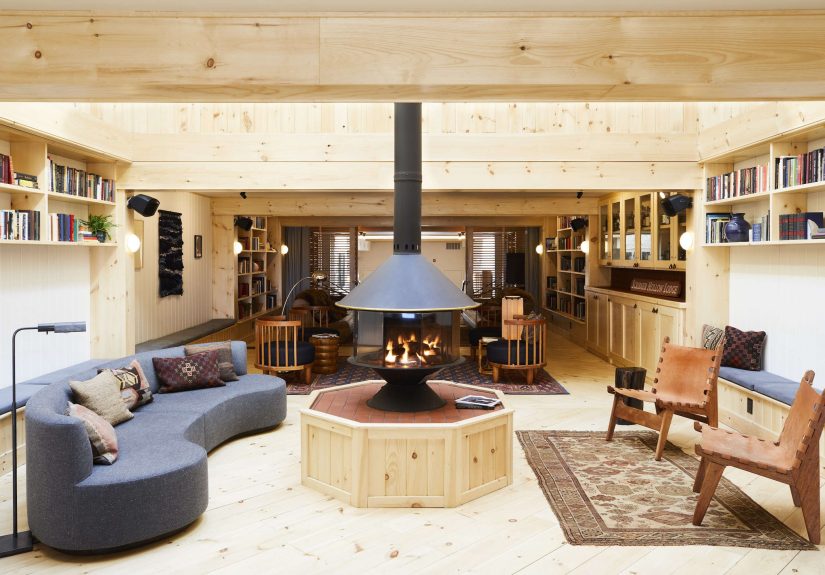
Architectural details like beams, shiplap, built-ins, fireplaces, or board-and-batten can help, but they are not mandatory. If your room lacks those features, use furniture and accessories to create the mood. Vintage books, brass lamps, framed landscapes, ceramic pitchers, and textured throws can do a surprising amount of work.
One smart update is to bring in curves. A rounded side table, an arched mirror, or a softer lamp silhouette keeps farmhouse from looking too rigid or predictable. Straight lines need a little company.
Farmhouse dining room ideas
This style was practically invented for dining rooms. A substantial wood table, mixed seating, an antique cabinet, and a statement light fixture can create a room that feels warm without getting fussy. Upholstered host chairs mixed with a bench or spindle chairs keep the look casual and collected.
Do not overlook fabric here. Patterned curtains, a simple runner, or seat cushions in gingham, stripe, floral, or ticking can bring softness and charm. Farmhouse dining rooms are at their best when they feel ready for both Thanksgiving and Tuesday night takeout.
Farmhouse bedroom ideas
Bedrooms are where farmhouse style becomes extra persuasive. Layer crisp sheets with a quilt, a coverlet, and a throw. Use natural woods, simple nightstands, vintage-style lamps, and soft rugs underfoot. A wrought iron bed can work, but so can an upholstered headboard in linen or cotton if you want a softer look.
To avoid a generic result, add one or two unexpected elements: landscape art, floral wallpaper, plaid pillows, or an old bench at the foot of the bed. The goal is restful, not boring. Your bedroom should whisper “sleep well,” not “welcome to an aggressively themed bed-and-breakfast.”
Farmhouse bathroom ideas
Bathrooms benefit from farmhouse style because the look naturally supports both charm and function. A vanity with furniture-like legs, an antique mirror, beadboard walls, warm metal fixtures, and patterned floor tile can make the room feel custom without requiring a castle-sized renovation budget.
Accessories matter here. Use woven baskets for towels, glass canisters for simple storage, and soft textiles to keep the room from feeling cold. Copper tubs, apron-front sinks, and antique dressers turned vanities can all work beautifully, but even a small powder room can get the farmhouse feel with the right mirror, paint, and lighting.
Entryway and porch ideas
Farmhouse style loves a hardworking entry. Add hooks, a bench, a runner, and baskets so the space earns its keep. A farmhouse porch, meanwhile, should feel naturally layered rather than decorated all at once. Rockers, planters, lanterns, vintage finds, and mixed textures help it feel like it evolved over time.
Plants are especially effective here. Even the most charming porch can look a little unfinished without something green saying hello near the front door.
How to Keep Farmhouse Style from Looking Dated
Skip the cliché overload
One barn door? Fine. Seven barn doors? Now your house is auditioning for a supporting role in a country music video. The same goes for mass-produced signs, faux-distressed everything, and endless rooster references. Farmhouse style should nod to rural simplicity, not shout it through a megaphone.
Use shiplap strategically
Shiplap is not illegal, despite what trend reports may suggest, but it works best as an accent rather than a full-life philosophy. A single wall, mudroom nook, or ceiling detail can add texture without making the home feel overly trend-driven.
Bring in warmer metals and richer finishes
Matte black still has a place, but too much can make a room feel harsh. Mix in aged brass, bronze, copper, or unlacquered finishes for more warmth. Patina is a friend here. Farmhouse style should not look like it was assembled entirely from one hardware aisle under fluorescent lighting.
Choose meaningful vintage pieces
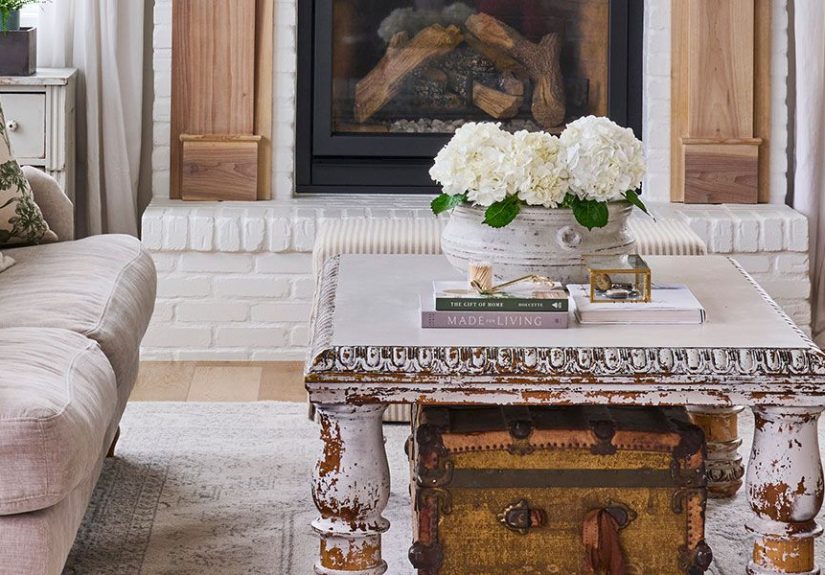
You do not need an antique store explosion. A few well-chosen older items can do more than a dozen fake-old accessories. Look for stools, side tables, bread boards, crocks, mirrors, trunks, or salvaged hardware that bring real texture and age to the room.
Budget-Friendly Farmhouse Design Ideas
One of the best things about farmhouse decorating is that it does not require perfection, and perfection is usually the expensive part. Thrift stores, flea markets, estate sales, salvage yards, Facebook Marketplace, and family hand-me-downs can all become part of the design story.
A smart guideline is the 80/20 approach: make most of the room feel collected and personal, then add a smaller amount of new pieces where comfort or durability matters most. Buy the new sofa if you need to. Hunt down the old side table, vintage lamp, framed art, or wooden stool to keep the room from feeling too catalog-perfect.
Paint is another budget hero. A warm cream, muddy green, smoky blue, or soft taupe can shift a room fast. Swapping hardware, replacing light fixtures, adding curtains, or layering in natural-fiber rugs can also create a farmhouse feel without a major renovation.
Farmhouse Design Experiences That Make the Style So Memorable
One of the most interesting experiences people have with farmhouse decorating is that it often changes how a home feels long before it changes how the home looks. A room painted in a warmer white suddenly feels softer in the afternoon light. A scratched wood table that might have seemed too imperfect in another design style suddenly becomes the best piece in the house. A basket by the door stops being “just storage” and starts making daily life easier. Farmhouse design has a sneaky way of making beauty and usefulness become best friends.
Another common experience is discovering that the most-loved farmhouse spaces are rarely the ones finished in a single weekend. They grow slowly. Someone finds an old bench at a flea market and uses it in the hallway for a year before moving it to the foot of the bed. A simple iron lamp gets paired with a newer linen shade and somehow looks like it has always belonged there. A set of inherited dishes that spent years hidden in a cabinet finally gets displayed on open shelves. The room begins to feel layered, personal, and comfortable, not because everything matches, but because everything belongs.
Farmhouse style also teaches a useful lesson about restraint. Many homeowners start out thinking they need more décor, then realize the room actually improves when they remove the fake-rustic clutter and keep only the pieces with texture, function, or meaning. A single vintage crock can do more than five decorative signs. A real wood stool with worn edges usually beats a factory-made “distressed” accent trying a little too hard. The style rewards honesty, and people often feel that honesty when they live with it day after day.
There is also the experience of comfort, which is a huge reason farmhouse design endures. A farmhouse kitchen invites people to linger. A farmhouse living room almost begs for a blanket, a cup of coffee, and one more episode. A farmhouse porch turns into the kind of place where ten quiet minutes somehow become forty-five. These are not accidental emotional reactions. They happen because the materials are tactile, the colors are calming, and the rooms are designed to be used rather than admired from a safe distance.
For families, farmhouse decorating often becomes practical in ways they do not expect at first. Durable finishes, forgiving textures, baskets, benches, wood surfaces, washable slipcovers, and easy layouts all support real life. The style understands shoes by the door, homework at the dining table, dogs on the rug, and guests who stay longer than planned. It is beautiful, yes, but it is not fragile. That balance is part of the appeal.
Even for people in smaller homes or apartments, farmhouse design can create a surprising emotional shift. A narrow kitchen feels more welcoming with café curtains and a small vintage runner. A plain bedroom feels calmer with layered bedding, one antique nightstand, and a soft wall color. A tiny entry becomes more useful with hooks, a basket, and a stool. The experience is less about square footage and more about atmosphere. Farmhouse style proves that charm does not require a giant house in the countryside. Sometimes it only needs one good lamp, one solid wood piece, and the wisdom to stop buying useless décor shaped like chickens.
Final Thoughts
Farmhouse decorating works best when it feels relaxed, useful, and personal. It is not about copying every trend that has ever been labeled rustic. It is about creating rooms with warmth, natural materials, practical beauty, and a sense of history. Whether your version leans classic, modern, Southern, European, or a little eclectic, the goal is the same: a home that feels welcoming the moment you walk in.
If you remember only one rule, make it this: farmhouse design should feel collected, not manufactured. Mix old and new. Use texture generously. Add color thoughtfully. Choose pieces with patina, comfort, and purpose. And when in doubt, ask yourself whether the room feels like a real home or a suspiciously clean gift shop. Your answer will guide you well.
Note: This HTML body is cleaned for web publishing and intentionally excludes source links, extra code explanation, and unwanted placeholders such as contentReference tags.