Table of Contents >> Show >> Hide
- What “Healthy Eating” Actually Means (No, It’s Not a Personality)
- The U.S. “Big Priorities” Snapshot: What Health Experts Keep Repeating
- Build-Your-Plate Basics: The Easiest System That Actually Works
- The “Limit” List (Without the Guilt Trip)
- Grocery Store Moves That Save Money, Time, and Sanity
- How to Read the Nutrition Facts Label Like a Pro
- Healthy Eating When Life Is Not a Cooking Show
- Evidence-Based Eating Patterns (If You Like a “Theme”)
- Special Notes for Different Needs (Because Humans Are Not Copy-Paste)
- Common Healthy Eating Myths (Politely Debunked)
- A Realistic 1-Day Healthy Eating Example (Flexible, Not Fragile)
- How to Make Healthy Eating Stick: 7 Habits That Don’t Feel Like Punishment
- Conclusion: Healthy Eating Is a Skill, Not a Mood
- Real-Life Experiences With Healthy Eating (About )
“Healthy eating” sounds like it should come with a cape and a theme song. In real life, it’s less superhero,
more skilled sidekick: it helps you feel better, think clearer, and keep your body running like it actually
got its oil change. And noyou don’t have to live on kale, apologize to bread, or pretend you “don’t even like”
dessert (we see you).
Healthy eating is a pattern. It’s the choices you make most days, most of the timebuilt from foods that deliver
nutrients your body needs (protein, fiber, vitamins, minerals, healthy fats) without requiring you to calculate
your life in grams. The goal isn’t perfection. The goal is a way of eating that supports energy, mood, heart and
brain health, digestion, and long-term wellnesswhile still leaving room for birthdays, pizza nights, and that
one mysterious office cookie that tastes like nostalgia.
What “Healthy Eating” Actually Means (No, It’s Not a Personality)
1) It’s about dietary patterns, not “good” vs. “bad” foods
The most useful nutrition advice tends to be boring in the best way: eat more plants, choose whole foods when you
can, include protein, go easy on added sugars and excess salt, and pick fats that love your heart back. Notice
how none of that says “never eat chips again.” Healthy eating works when it’s flexible enough to fit your culture,
your budget, your schedule, and your actual taste buds.
2) “Nutrient-dense” is the cheat code
Nutrient-dense foods give you more nutritional value per bite. Think: fruits, vegetables, beans, lentils, nuts,
seeds, whole grains, yogurt, eggs, fish, and lean meats. They help you meet nutrient needs without needing a
magician’s hat full of supplements.
The U.S. “Big Priorities” Snapshot: What Health Experts Keep Repeating
Different organizations say it in slightly different ways, but the chorus is consistent: build meals around fruits
and vegetables, choose whole grains often, vary protein sources (including plant proteins), include dairy or
fortified alternatives if they work for you, and limit foods and drinks high in added sugars, saturated fat,
and sodium.
One more important note: healthy eating is not supposed to be a rigid prescription. It’s meant to be customized.
If you’re a teen (still growing), pregnant, training for a sport, managing a medical condition, or recovering from
disordered eating, your needs can be different. In those cases, personalized guidance from a clinician or a
registered dietitian can be especially helpful.
Build-Your-Plate Basics: The Easiest System That Actually Works
If nutrition feels complicated, use a plate framework. Multiple evidence-based approaches (like USDA’s MyPlate,
Harvard’s Healthy Eating Plate, and the diabetes plate method) share a similar “shape”:
half the plate is produce, and the rest is a mix of protein and quality carbs/whole grainsplus a little healthy fat.
Half your plate: vegetables and fruit (produce MVPs)
- Go for variety (different colors usually mean different nutrients).
- Focus on vegetables firstespecially non-starchy ones like leafy greens, broccoli, peppers, carrots, tomatoes, cucumbers, and cauliflower.
- Whole fruit beats juice most days because you keep the fiber.
- Frozen and canned count too. Choose low-sodium vegetables and fruit packed in water or its own juice when possible.
One quarter: protein (the “staying power” piece)
Protein supports muscle, immune function, and steady energy. Rotate your sources to get different nutrients:
- Beans, lentils, and peas (fiber + protein = a power duo)
- Fish and seafood
- Eggs
- Poultry
- Tofu, tempeh, edamame
- Lean cuts of meat (if you eat meat)
- Greek yogurt or cottage cheese (if dairy works for you)
One quarter: quality carbs (aka “carbs with benefits”)
Carbohydrates aren’t villainsthey’re fuel. The difference is whether they come with fiber and nutrients.
Aim for whole grains and minimally processed starches more often:
- Oats, brown rice, quinoa, barley, farro
- Whole wheat bread/pasta
- Corn tortillas, whole grain tortillas
- Potatoes, sweet potatoes (especially with the skin when you can)
Add a “supporting cast”: healthy fats + calcium-rich foods
Healthy fats help with hormone function, nutrient absorption, and satisfaction (food should be satisfyingwild idea, right?).
Try olive oil, avocado, nuts, seeds, and nut butters.
For calcium and vitamin D, many people use dairy (milk, yogurt, cheese). If you don’t do dairy, fortified soy milk
and fortified plant-based alternatives can helpjust check labels for added sugars.
Hydration: your underrated nutrition habit
Water is the default. Unsweetened tea and coffee can fit for many adults.
Sugary drinks are an easy place for added sugars to pile up, so treating them as “sometimes” can make a big difference.
The “Limit” List (Without the Guilt Trip)
Healthy eating isn’t about banning foods. It’s about not letting a few “easy to overdo” ingredients dominate the menu.
The biggest repeat offenders: added sugars, saturated fat, and sodium.
Added sugars: the sneaky frequent flyer
Added sugars show up in soda, sweet coffee drinks, candy, pastries, many cereals, flavored yogurts, sauces, and “healthy”
snacks that are basically dessert in athleisure.
- Try: water or sparkling water, unsweetened tea, and “less sweet” versions of your usual drinks.
- Try: plain yogurt + fruit + cinnamon (you control the sweetness).
- Try: checking the Nutrition Facts label for “Added Sugars.”
Saturated fat: more “choose wisely” than “avoid forever”
Saturated fat is found in butter, cheese, full-fat dairy, fatty cuts of meat, and tropical oils (like coconut and palm).
Many heart-focused guidelines encourage keeping it lower and replacing some of it with unsaturated fats (olive oil, nuts, seeds, fish).
- Try: olive oil instead of butter for many meals.
- Try: beans, fish, or poultry more often than processed meats.
- Try: “mostly” lower-fat dairy if that fits your preferences.
Sodium: the “why is this soup salty?” mystery solved
Sodium isn’t just table salt. It’s a major ingredient in packaged foods, restaurant meals, sauces, deli meats, and snack foods.
If you’re trying to reduce sodium, the biggest wins usually come from choosing more minimally processed foods and comparing labels.
- Try: “low-sodium” or “no salt added” canned beans and vegetables.
- Try: seasoning with herbs, citrus, garlic, vinegar, and spices.
- Try: tasting before salting (your future self will thank you).
Grocery Store Moves That Save Money, Time, and Sanity
The “5-part cart” trick
If you want a simple way to shop for balanced meals, aim for these categories:
- Produce: fresh, frozen, or canned fruits and vegetables
- Protein: beans, eggs, poultry, fish, tofu, yogurt
- Whole grains/starches: oats, brown rice, whole wheat pasta, potatoes
- Healthy fats: olive oil, nuts, seeds, avocado
- Flavor: salsa, herbs, spices, garlic, onions, lemon/lime, vinegar
Frozen and canned are not “second place”
Frozen vegetables are often picked and frozen quickly, can be cost-effective, and reduce food waste. Canned beans and
vegetables are convenientrinsing beans can also reduce sodium. Translation: your pantry can absolutely be part of healthy eating.
Batch-cook one thing (not your whole personality)
Meal prep doesn’t require 42 matching containers. Try prepping just one item:
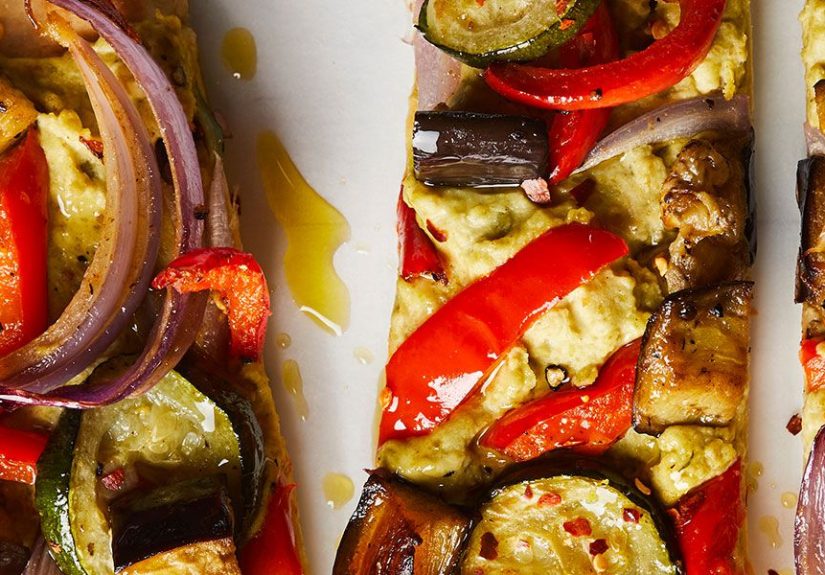
a pot of brown rice, a tray of roasted vegetables, a batch of chili, or a pot of lentils.
Then mix-and-match it into bowls, wraps, salads, and quick sides.
How to Read the Nutrition Facts Label Like a Pro
Labels can look intimidating, but you only need a few key moves:
- Serving size: compare it to what you actually eat (no shamejust math).
- Added sugars: look for grams of “Added Sugars.”
- Saturated fat: check grams and consider how often the food shows up in your routine.
- Sodium: compare similar products; this is where swap wins live.
- Fiber: more fiber often means better fullness and gut support.
- % Daily Value: a quick tool for contexthigher isn’t always “better,” but it helps you compare.
Example: Two breakfast cereals both taste like Saturday morning. One has 10 grams of added sugar and 1 gram
of fiber; the other has 3 grams of added sugar and 6 grams of fiber. If you choose the second one most days,
you’ve improved your pattern without changing your entire personality or giving up cereal.
Healthy Eating When Life Is Not a Cooking Show
Eating out
Restaurants are designed to be delicious. That’s their job. Your job is to make it work for you.
Look for a vegetable side, choose grilled/roasted options sometimes, and consider sauces/dressings on the side.
If portions are huge, split, box half, or order an extra veggiewhatever feels realistic.
Convenience foods
Convenience foods can still fit into healthy eatingespecially when time, money, or access is tight.
A microwave rice packet + frozen veggies + rotisserie chicken can create a balanced meal in about six minutes,
which is faster than arguing with a recipe blog’s life story.
Work/school lunches
Use a simple formula: protein + produce + quality carb + fat.
Examples:
- Turkey or hummus wrap + apple + nuts
- Leftover chili + side salad + fruit
- Greek yogurt + berries + granola (watch added sugars) + peanut butter
Evidence-Based Eating Patterns (If You Like a “Theme”)
You don’t need a named diet to eat well, but some patterns are well-studied and widely recommended:
- Mediterranean-style: plant-forward, olive oil, nuts, beans, fish, whole grains, fruits and vegetables.
- DASH: emphasizes fruits, vegetables, whole grains, low-fat dairy, lean proteins, and limits sodium and sweets.
- Plate method: a simple portion framework often used for blood sugar-friendly meals.
Special Notes for Different Needs (Because Humans Are Not Copy-Paste)
Teens and young adults
If you’re still growing, “healthy eating” should support growth, school performance, mood, and energynot rigid restriction.
Regular meals and snacks with protein, fiber, and healthy fats can help steady energy. If food rules start to feel
stressful, obsessive, or scary, that’s a good reason to talk to a trusted adult and a health professional.
Sports and active lifestyles
If you train hard, you may need more total fuel and more carbohydrates for performance. A balanced plate still applies
you might just build a bigger plate more often.
Medical conditions
Conditions like diabetes, high blood pressure, kidney disease, digestive disorders, or food allergies can change what
“healthy” looks like for you. Use general principles, then personalize with professional guidance when needed.
Common Healthy Eating Myths (Politely Debunked)
Myth: “Carbs are bad.”
Truth: Carbs are fuel. The more helpful distinction is refined vs. fiber-rich. Whole grains, beans,
fruits, and starchy vegetables bring fiber and nutrients along for the ride.
Myth: “Healthy eating means you can’t eat fun food.”
Truth: If your eating style doesn’t allow joy, it probably won’t last. Build a strong everyday pattern, then let
treats be treatswithout drama.
Myth: “If it says ‘natural,’ it’s healthy.”
Truth: Marketing is not a vitamin. Use the ingredient list and Nutrition Facts label for reality.
A Realistic 1-Day Healthy Eating Example (Flexible, Not Fragile)
This is just an example to show what “balanced” can look likeswap foods to fit preferences, culture, and budget.
- Breakfast: oatmeal cooked with milk or fortified soy milk + berries + walnuts
- Lunch: brown rice bowl with black beans, roasted veggies, salsa, and avocado
- Snack: apple + peanut butter (or yogurt + fruit)
- Dinner: baked salmon (or tofu) + salad + roasted sweet potato
- Something sweet (if you want): a couple squares of chocolate or a small dessertenjoy it on purpose
How to Make Healthy Eating Stick: 7 Habits That Don’t Feel Like Punishment
- Start with one upgrade (add a vegetable, switch to a higher-fiber grain, add protein to breakfast).
- Keep “easy wins” visible (fruit on the counter, nuts in the bag, frozen veggies in the freezer).
- Plan two go-to meals you can make on autopilot.
- Use the plate method when you’re tiredbecause tired you deserves support, not spreadsheets.
- Choose drinks intentionally (water most often; sweet drinks sometimes).
- Don’t outsource your hunger cues to the interneteat enough to feel satisfied.
- Practice “mostly” thinking: mostly nutrient-dense foods, mostly home meals, mostly balanced plates.
Conclusion: Healthy Eating Is a Skill, Not a Mood
Healthy eating isn’t about chasing a perfect diet or winning at groceries. It’s a practical skill you build:
choosing more fruits and vegetables, picking whole grains more often, including protein, and being mindful of added
sugars, saturated fat, and sodiumwithout turning food into a morality play.
If you want one takeaway you can use today: build one balanced plate. Then do it again tomorrow.
That’s how habits get madeone meal at a time, with zero need for a cape.
Real-Life Experiences With Healthy Eating (About )
Most people don’t “become a healthy eater” in one dramatic montage where they toss junk food into the trash and
sprint through a farmer’s market in slow motion. Real life is messierand honestly, more interesting. The first
experience many people report is that their environment matters more than their motivation. If the
only snack within reach is a giant bag of chips, your future self will mysteriously keep “choosing” chips. When
people rearrange their spacefruit on the counter, yogurt and cut veggies at eye level, nuts or trail mix in a bag
they actually carrychoices start to change without a pep talk.
Another common experience: the “healthy eating honeymoon” can be followed by a week of why am I still
hungry? That usually happens when meals are light on protein, fiber, or fatthe trio that helps you feel
satisfied. People often find that adding a protein anchor (eggs, beans, chicken, tofu, Greek yogurt) or upgrading
carbs (oats instead of pastry, brown rice instead of white, beans instead of just noodles) makes meals feel steadier.
It’s not about eating “less.” It’s about eating in a way that actually lasts you to the next meal without turning
you into a cranky hostage negotiator.
Social life is another big moment. Many people worry healthy eating means being “that person” at dinnerthe one who
interrogates the waiter about chia seeds. In practice, the most sustainable experience is learning to use a
simple decision rule: order what you enjoy, then add one supportive move. That might mean choosing a
veggie side, splitting an entrée, or asking for sauce on the side. People who stick with healthy eating long term
usually aren’t the strictestthey’re the most adaptable.
Budget and time show up fast, too. A lot of people discover that “healthy” doesn’t have to mean “expensive,” but it
often means being strategic. Frozen vegetables, canned beans, oats, rice, eggs, and in-season fruit become heroes.
Rotisserie chicken and bagged salads become the “I have ten minutes” solution. Over time, people build a short list
of fast meals they can make even when they’re tiredlike tacos with beans and veggies, a grain bowl with frozen
vegetables, or breakfast-for-dinner with eggs and fruit.
The most encouraging experience people describe is noticing small, real benefits: more stable energy
in the afternoon, fewer “hangry” spikes, better digestion, improved focus, or simply feeling more confident that
they can feed themselves well. The wins are rarely instant and dramaticbut they’re reliable. Healthy eating becomes
less about “trying” and more about “defaulting” to options that work. And that’s the secret: the best healthy eating
plan is the one you can repeat on an ordinary Tuesday.