Table of Contents >> Show >> Hide
- The Best Hibiscus Tea Recipe
- Why This Hibiscus Tea Recipe Works
- Hot vs. Iced Hibiscus Tea
- Easy Flavor Variations
- How to Choose and Store Dried Hibiscus Flowers
- Common Mistakes to Avoid
- Is Hibiscus Tea Good for You?
- Serving Ideas for a Better Hibiscus Tea Experience
- Frequently Asked Questions
- Common Hibiscus Tea Experiences in Real Kitchens
- Conclusion
If your usual tea routine has started to feel as exciting as beige wallpaper, hibiscus tea is here to save the day in a dramatic shade of ruby red. Tart, floral, and just a little bit sassy, this herbal drink is the kind of recipe that looks fancy in a glass pitcher but is actually ridiculously easy to make. Whether you know it as hibiscus tea, agua de jamaica, or sorrel in some traditions, the appeal is the same: bright flavor, gorgeous color, and a refreshing taste that wakes up your mouth in the nicest possible way.
This hibiscus tea recipe keeps things simple enough for a weekday but flexible enough for weekend showing off. You can serve it hot when you want something cozy, or pour it over ice when the weather turns your kitchen into a sauna. You can sweeten it lightly, load it up with citrus, or give it a spicy edge with fresh ginger and cinnamon. In other words, hibiscus tea is not a one-trick pony. It is more like the overachiever of the herbal tea world.
Below, you will find a straightforward hibiscus tea recipe, plus tips for getting the best flavor, easy variations, serving ideas, storage advice, and practical answers to common questions. If you have a bag of dried hibiscus flowers sitting in the pantry and no plan for them, congratulations. You are about ten minutes away from a very good decision.
The Best Hibiscus Tea Recipe
Ingredients
- 6 cups water
- 1 cup dried hibiscus flowers
- 1/4 to 1/2 cup honey, sugar, or agave, to taste
- 2 tablespoons fresh lime juice, plus extra lime slices for serving
- 1 small cinnamon stick, optional
- 1-inch piece fresh ginger, sliced, optional
- Ice, for serving if making iced hibiscus tea
Instructions
- Bring the water to a boil in a medium saucepan or kettle.
- If using cinnamon and ginger, add them to a heatproof pitcher or saucepan with the dried hibiscus flowers.
- Pour the hot water over the hibiscus. Cover and steep for 10 to 15 minutes for a bright, balanced flavor. For a stronger concentrate, let it steep up to 30 minutes.
- Strain the tea through a fine-mesh sieve into a pitcher or bowl, pressing lightly on the solids to extract more liquid.
- Stir in the sweetener while the tea is still warm. Add lime juice and taste. Adjust sweetness or acidity as needed.
- Serve hot right away, or cool to room temperature and refrigerate until cold. Pour over ice before serving.
Yield: About 6 servings.
Why This Hibiscus Tea Recipe Works
A good hibiscus tea recipe is all about balance. Hibiscus has a naturally tart flavor that lands somewhere between cranberry, pomegranate, and a very polite lemon. That tartness is part of the charm, but if you do not balance it with a little sweetness or citrus, the drink can go from refreshing to face-scrunching in one sip.
This version works because it gives the hibiscus center stage while still allowing room for the supporting cast. A touch of honey, sugar, or agave rounds out the sharp edges. Lime juice adds freshness without stealing the spotlight. Ginger and cinnamon are optional, but they give the tea a deeper, warmer flavor that makes it taste more finished and intentional, not like someone accidentally boiled potpourri.
The steeping time matters too. Too short, and the tea can taste thin. Too long, and it can become more aggressive than your group chat on a Monday morning. Ten to fifteen minutes is a happy middle ground for most people, while a longer steep creates a stronger concentrate that you can dilute later with cold water or sparkling water.
Hot vs. Iced Hibiscus Tea
One of the best things about a homemade hibiscus tea recipe is that it does not force you to pick a side. Hot hibiscus tea feels cozy, fragrant, and a little more floral. Iced hibiscus tea tastes sharper, fruitier, and incredibly refreshing. Both versions are great. They just wear different outfits.
For Hot Hibiscus Tea
Serve the tea right after straining and sweetening. This is the moment when ginger and cinnamon shine. A mug of hot hibiscus tea has a comforting, almost mulled quality that works especially well on cool mornings or rainy afternoons.
For Iced Hibiscus Tea
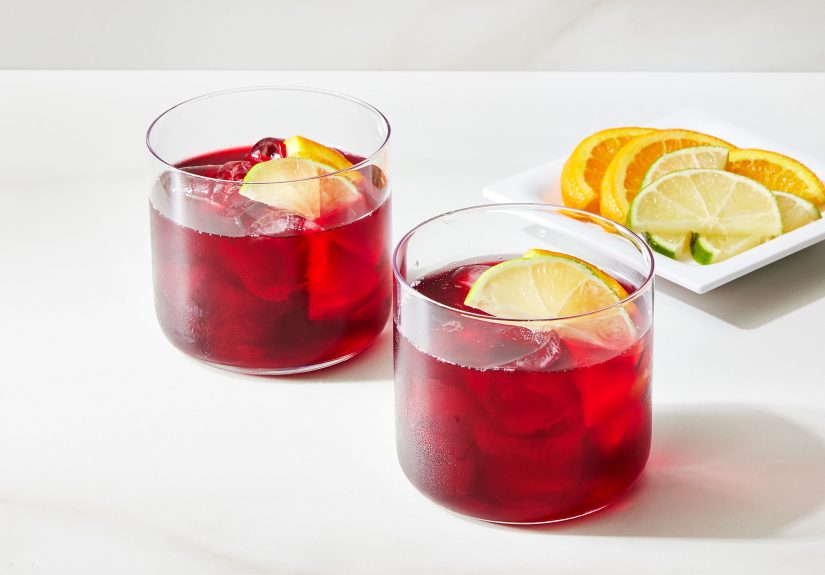
Let the tea cool, then chill it thoroughly before pouring over ice. If you pour warm tea over a mountain of ice, the flavor gets diluted fast. If you want the cleanest, boldest iced tea, refrigerate first and then serve. Add lime slices, orange wheels, or fresh mint if you want it to look like it belongs at a brunch where everyone suddenly owns linen napkins.
Easy Flavor Variations
Once you have the basic hibiscus tea recipe down, it becomes extremely hard not to start improvising. Fortunately, hibiscus plays well with all kinds of flavors.
Ginger Hibiscus Tea
Add several slices of fresh ginger while steeping. This brings heat, brightness, and a slightly spicy finish that pairs beautifully with the tart hibiscus.
Cinnamon-Spiced Hibiscus Tea
A cinnamon stick adds warmth and a subtle sweetness. This variation tastes especially good hot, but it is also excellent chilled.
Citrus Hibiscus Tea
Lime is classic, but orange works wonderfully too. Try orange slices, a strip of orange zest, or a mix of lime and lemon for a sharper finish.
Mint Hibiscus Tea
Stir in fresh mint leaves after straining the tea and let them sit for a few minutes before serving. It gives the drink a cooler, fresher edge, especially in iced versions.
Sparkling Hibiscus Tea
Use strong hibiscus concentrate, then top each glass with sparkling water just before serving. This is a great move for parties, because it feels special without requiring bartender energy.
Hibiscus Tea Latte Style
This is less traditional, but surprisingly tasty. Brew the tea strong, sweeten lightly, and top it with a splash of coconut milk or almond milk for a creamy, colorful drink.
How to Choose and Store Dried Hibiscus Flowers
If you want a better hibiscus tea recipe, start with better hibiscus. Look for dried flowers or calyxes that are deep red, fragrant, and not completely crushed into sad dust. Good dried hibiscus should still have some life to it. If it looks brittle, faded, or ancient, the flavor may be dull.
You can often find dried hibiscus flowers in Latin American, Caribbean, Middle Eastern, or international grocery stores. They may be labeled as flor de jamaica, sorrel, or roselle. You can also use hibiscus tea bags, which are convenient, but loose dried flowers usually deliver a stronger flavor and prettier color.
Store dried hibiscus in an airtight container in a cool, dark place. Think pantry, not the shelf above the stove where everything gets steamed into submission. Properly stored, dried hibiscus keeps well for months.
Once brewed, keep your hibiscus tea in the refrigerator. It is best within a few days, though a well-chilled batch often stays enjoyable for up to about a week. If the flavor starts tasting flat or the aroma disappears, it has already told you it is time to make a fresh batch.
Common Mistakes to Avoid
Using Too Much Hibiscus
More is not always better. Too many dried flowers can make the tea overpoweringly tart. Start with the recipe ratio, then tweak future batches based on your taste.
Forgetting to Sweeten While Warm
Sugar, honey, and agave dissolve more easily in warm liquid. If you wait until the tea is ice cold, you may end up stirring forever and rethinking your life choices.
Skipping the Strain
Even if you are in a hurry, strain carefully. Tiny bits of hibiscus can keep steeping and push the flavor toward bitter territory.
Adding Too Much Lime at First
Hibiscus is already tart. Add citrus gradually and taste as you go. You can always add more, but you cannot politely ask the lime to leave.
Is Hibiscus Tea Good for You?
Hibiscus tea is an herbal tea, and many people enjoy it not only for the flavor but also for its antioxidant content. It is often described as a refreshing, caffeine-free option, which makes it appealing in the afternoon or evening when coffee would be a terrible idea.
Some research suggests hibiscus may have modest benefits for blood pressure, and that is one reason the tea gets so much attention. Still, this is not magic red potion territory. Hibiscus tea should be viewed as a flavorful beverage, not a replacement for prescribed care or medication. That distinction matters.
If you are pregnant, managing a medical condition, or taking prescription medications, it is smart to check with a healthcare professional before drinking hibiscus tea regularly. In blog-language, that means: delicious, yes; reckless, no.
Serving Ideas for a Better Hibiscus Tea Experience
A great hibiscus tea recipe is lovely on its own, but a little presentation never hurt anybody. Serve it in clear glasses if you can. The jewel-toned color is half the fun. Garnish with lime wheels, orange slices, mint sprigs, or even frozen berries for a bright, summery look.
For brunch, pair iced hibiscus tea with fruit salad, yogurt parfaits, pancakes, or spicy egg dishes. The tart flavor cuts through rich foods beautifully. For dinner, it works especially well with grilled chicken, tacos, roasted vegetables, or spicy rice dishes.
If you are hosting, make a hibiscus tea concentrate in advance and let guests customize their glasses with sweetener, citrus, sparkling water, or herbs. Suddenly your drink station looks thoughtfully designed, even if you assembled it while wearing slippers.
Frequently Asked Questions
Can I make hibiscus tea with tea bags?
Yes. Tea bags are convenient and work well. The flavor may be slightly lighter than loose dried hibiscus flowers, so use a few extra bags if you want a stronger brew.
Can I make hibiscus tea without sugar?
Absolutely. A no-sugar hibiscus tea recipe is easy to make. You can leave it unsweetened, use a little honey, or sweeten with fruit juice if you want a softer tartness.
Can I make a concentrate?
Yes. Simply use the same amount of hibiscus with less water, then dilute to taste before serving. A concentrate is useful for parties, sparkling drinks, and fast weekday pitchers.
What does hibiscus tea taste like?
It is tart, fruity, floral, and bright. Most people compare it to cranberry, but with a softer floral edge.
Can I drink hibiscus tea every day?
Many people do, but regular daily use is something to discuss with a healthcare professional if you have blood pressure concerns, take medications, or have any special health considerations.
Common Hibiscus Tea Experiences in Real Kitchens
One of the most relatable things about making a hibiscus tea recipe at home is how quickly it becomes part of a routine. At first, most people make it out of curiosity. The dried flowers look intriguing, the color is gorgeous, and somebody somewhere described it as tasting like cranberry tea with better fashion sense. So you buy a bag, make one pitcher, and suddenly there is a new favorite drink in the fridge.
A very common first experience is surprise at the color. Hibiscus tea does not quietly become red. It practically announces itself. The minute hot water hits the dried flowers, the liquid transforms into a deep ruby shade that makes plain black tea look a little underdressed. That visual payoff is one reason so many people keep making it. It feels rewarding even before the first sip.
Another common experience is adjusting the sweetness. Many first-time makers discover that hibiscus can be more tart than expected. Not bad tart. Just bold tart. So the next batch gets a spoonful more honey, or a little agave, or a squeeze of orange to round it out. That is part of the fun. Hibiscus tea is one of those recipes that teaches your taste buds what they actually like. Some people love it puckery and sharp. Others want it mellow and fruity. Both camps get to be right.
There is also the seasonal shift. In warm weather, hibiscus tea becomes the drink you reach for after a walk, while cooking dinner, or when water feels too boring and soda feels like too much. Served over ice with lime, it tastes crisp and reviving. In cooler weather, the same tea changes personality. Add ginger and cinnamon, pour it into a mug, and suddenly it feels comforting, almost festive. Few recipes move so easily from summer pitcher to cozy winter cup.
People also tend to remember the first time they serve hibiscus tea to guests. It gets questions. What is that? Is it fruit punch? Is it cranberry? Why is it so pretty? Then somebody takes a sip and usually says some version of, “Oh, that is good.” It is an easy homemade drink that feels special without being fussy, which is a rare and beautiful category.
Then there is the practical kitchen experience: the leftovers problem that is not actually a problem. A pitcher of hibiscus tea in the refrigerator is useful. It can become mocktails with sparkling water, a quick brunch drink with orange slices, a tart base for smoothies, or a not-too-sweet afternoon refresher. Once people realize how flexible it is, they start making bigger batches on purpose.
And finally, there is the experience of turning a simple recipe into a personal ritual. Maybe it is the ten-minute steep while the kitchen quiets down. Maybe it is pouring the chilled tea over ice at the end of a long day. Maybe it is buying dried hibiscus flowers in bulk because one little bag never seems to last. Whatever form it takes, hibiscus tea has a way of becoming more than a recipe. It becomes that dependable, bright little thing you know how to make well. And honestly, every kitchen deserves a few of those.
Conclusion
A solid hibiscus tea recipe does not need a long ingredient list or complicated technique. It needs good dried hibiscus, hot water, a little patience, and enough confidence to taste and adjust. From there, the possibilities open up fast: hot or iced, sweetened or not, spiced with ginger and cinnamon, sharpened with lime, or topped with sparkling water for extra drama.
If you want a homemade drink that is beautiful, easy, and actually memorable, hibiscus tea earns its place in the rotation. It is bright without being sugary, bold without being heavy, and simple without being boring. Not bad for a handful of dried flowers and a pot of water.
Note: This article is for culinary and general informational purposes only and is not medical advice.