Table of Contents >> Show >> Hide
- First, a 60-second refresher on how your cycle works
- Stress doesn’t just live in your mindit lives in your hormones
- Common ways stress can change your period
- 1) A late period (the classic stress signature)
- 2) A missed period (amenorrhea)
- 3) An early period or shorter cycles (yes, stress can do this too)
- 4) Lighter flow
- 5) Heavier flow (or “why is my uterus auditioning for a horror movie?”)
- 6) More PMS symptoms, mood swings, cramps, and fatigue
- 7) Spotting or unpredictable bleeding
- So… how much can stress delay your period?
- Stress vs. other common reasons your period is off
- When should you see a doctor?
- What actually helps: realistic ways to support your cycle
- Frequently asked questions (because your group chat will ask)
- Experiences people commonly report about stress and periods
- Conclusion
Stress is the uninvited guest who shows up, eats your snacks, and then messes with your calendaryes, that calendar.
If you’ve ever had a week from hell and then wondered why your period is late, early, heavier, lighter, or acting like it subscribed
to chaos, you’re not imagining things.
The short version: stress can affect the brain-and-hormone system that controls ovulation, and ovulation is the “starter pistol” for
when your next period shows up. The longer version (with fewer rumors and more biology) is what we’re doing here.
We’ll break down what’s happening inside your body, what changes are common, what changes should get checked out, and what actually helps.
Quick note: This article is for educationnot a diagnosis. If something feels off, you deserve real medical guidance.
First, a 60-second refresher on how your cycle works
Your menstrual cycle is run by a communication chain between your brain and ovaries, often described as the
hypothalamus–pituitary–ovarian (HPO) axis. Here’s the simplified storyline:
- Brain (hypothalamus) sends signals that tell your body when it’s time to prepare an egg.
- Pituitary gland releases hormones that help follicles grow and trigger ovulation.
- Ovaries produce estrogen and progesterone, which build the uterine lining and regulate timing.
- Ovulation happens (usually). Then progesterone rises.
- If pregnancy doesn’t occur, hormone levels drop and your uterus sheds its lining: your period.
The key takeaway: your period timing depends heavily on whether (and when) you ovulate. Stress tends to interfere with that “when.”
Stress doesn’t just live in your mindit lives in your hormones
When your brain perceives stress (deadline panic, grief, illness, sleep deprivation, intense training, under-eating, financial pressurepick your flavor),
it activates the hypothalamic–pituitary–adrenal (HPA) axis. That’s your stress-response system.
The HPA axis increases stress hormones like cortisol. In the right dose, cortisol is usefulit helps you respond to challenges.
But ongoing or intense stress can disrupt normal hormone signaling. Your body is basically saying:
“We are in emergency mode. Reproduction may be… postponed.”
Translation: if your system thinks conditions aren’t stable, it may delay ovulation or skip it. And when ovulation gets delayed, your next period often does too.
Common ways stress can change your period
1) A late period (the classic stress signature)
Stress is famous for making periods show up late. That’s because stress can delay ovulationsometimes by days, sometimes longer.
If you ovulate later than usual, your period usually arrives later than usual.
Example: Your cycle is normally 28 days. You’re under intense work stress around the time you’d typically ovulate.
Ovulation gets delayed by a week. Your period likely shifts later toobecause the “post-ovulation” phase tends to be more consistent than the “pre-ovulation” phase.
2) A missed period (amenorrhea)
If stress is severe or prolongedespecially when combined with undereating, significant weight changes, or excessive exerciseovulation may not happen at all.
That can lead to a missed period. When periods stop for months, clinicians may describe it as secondary amenorrhea.
One stress-related pattern is functional hypothalamic amenorrhea, where the hypothalamus reduces reproductive signaling
due to stress and/or energy deficit. This isn’t your body being dramatic; it’s your body being protective.
But it’s also something to take seriously because prolonged low estrogen can affect bone health and overall well-being.
3) An early period or shorter cycles (yes, stress can do this too)
While late periods get most of the attention, some people notice earlier bleeding or shorter cycles during stressful times.
Stress can influence hormones in ways that alter cycle length, and it can also affect sleep and inflammation, which may change symptoms.
Plus, stress can make you notice every twinge and spot more intenselybecause you’re already on high alert.
4) Lighter flow
If ovulation is delayed or skipped, hormone patterns can change the way the uterine lining builds.
Some people experience lighter bleeding or shorter periods when stress is highespecially if stress overlaps with reduced appetite,
weight loss, or intense physical training.
5) Heavier flow (or “why is my uterus auditioning for a horror movie?”)
Stress-related hormone changes can sometimes contribute to heavier bleedingespecially if cycles become irregular and the uterine lining
builds for longer than usual before shedding. That said, heavy bleeding can also have many other causes (fibroids, thyroid issues, bleeding disorders, and more),
so persistent heavy flow deserves a medical check-in.
6) More PMS symptoms, mood swings, cramps, and fatigue
Stress can intensify how your period feels even if it doesn’t change the date. High stress often comes with worse sleep, more muscle tension,
more GI upset, and increased sensitivity to painall of which can make cramps, headaches, bloating, and mood changes feel more intense.
If your emotional symptoms before your period feel extreme or disruptive, it’s worth asking a clinician about conditions like PMDD
(premenstrual dysphoric disorder) and available treatments.
7) Spotting or unpredictable bleeding
Spotting can happen for many reasonsstress-related hormonal fluctuation is one possibility, but so are birth control changes, missed pills,
infections, pregnancy (including ectopic pregnancy), and cervical or uterine conditions. If spotting is new, persistent, or accompanied by pain,
don’t just “power through.” Get it evaluated.
So… how much can stress delay your period?
There isn’t a universal number because it depends on when the stress hits and how your body responds.
Stress around ovulation tends to affect timing the most. If you’ve already ovulated, stress is less likely to delay that cycle’s period
(though it can still affect symptoms).
Occasional shifts by a few days can happen. Bigger disruptionslike missing multiple cyclesshould be taken seriously.
Stress vs. other common reasons your period is off
Stress is real, but it’s not the only reason your period might change. Before blaming your boss, consider these common factors:
- Pregnancy (including early pregnancy): always worth ruling out if there’s any chance.
- Major weight loss or gain, restrictive dieting, or low energy availability.
- Intense exercise (especially combined with under-fueling).
- Illness or major inflammation (your body prioritizes survival tasks first).
- Hormonal birth control changes or inconsistent use.
- PCOS, thyroid disorders, and other endocrine conditions.
- Perimenopause (cycle irregularity becomes more common with age).
- Uterine conditions like fibroids or polyps (often linked to heavier bleeding).
- Medications that affect hormones, prolactin, or stress response.
If your period changes once during a stressful month and then goes back to normal, stress may be the most likely culprit.
If changes continue, it’s time to look deeper.
When should you see a doctor?
Think of this as your “don’t ignore it” list. Consider checking in with a healthcare professional if:
- You miss your period for 3 months (and you’re not pregnant) or your cycles become consistently absent.
- You have very heavy bleeding (soaking through pads/tampons quickly, passing large clots, or bleeding that makes you dizzy).
- You have severe pelvic pain, fever, or new pain with sex.
- Your period changes come with unexpected weight changes, hair loss, acne flare-ups, or abnormal hair growth.
- You have signs of anemia (fatigue, shortness of breath, lightheadedness) especially with heavy bleeding.
- You suspect an eating disorder, overtraining, or chronic stress is pushing your body into shutdown mode.
Getting evaluated isn’t “overreacting.” It’s basic maintenancelike getting a weird noise in your car checked before it becomes a breakdown.
Except the car is your body, and you can’t trade it in.
What actually helps: realistic ways to support your cycle
Track your cycle (without spiraling)
Use an app or calendar to track start dates, flow heaviness, pain, mood, and major stress events.
This gives you useful patterns to share with a clinicianand helps you separate “random weird month” from “consistent shift.”
Prioritize sleep like it’s a medical intervention (because it kind of is)
Stress and sleep are best friends with the worst influence. Poor sleep can raise stress hormones and worsen pain sensitivity.
Aim for consistent sleep and wake times when possibleeven on weekends.
Eat enough (especially if you’re active)
Chronic stress often changes appetite. Some people eat less without noticing, while others “stress snack” and then skip balanced meals.
Your reproductive system needs adequate energy and nutrients to function normally. If periods are missing or very irregular, under-fueling is a common contributor.
Move your body in a way that helps, not punishes
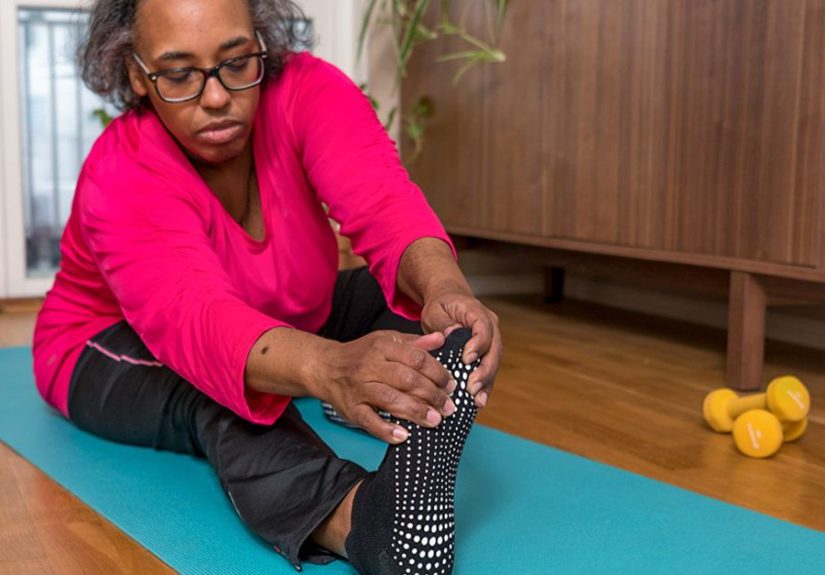
Gentle movement (walking, stretching, yoga, strength training with recovery) can support mood and sleep.
But if you’re already stressed and exhausted, “more intensity” isn’t always the answer.
If you suspect overtraining, build in rest and consider working with a coach or clinician.
Use stress tools that match your personality
Stress reduction doesn’t have to look like meditating on a mountaintop. Practical options include:
- Short breathing drills (2–5 minutes) before bed or meetings
- Therapy or CBT skills to reduce rumination and anxiety cycles
- Social support (talking to someone who doesn’t “fix” everythingjust listens)
- Cutting one non-essential commitment (yes, even that one)
- Limiting caffeine if it worsens anxiety or sleep
If your period has stopped: take it seriously
If you’re missing periods for multiple months, don’t assume it’s “just stress” and wait it out indefinitely.
Stress-related cycle suppression can overlap with nutritional deficits and can affect bone density over time.
A clinician can evaluate causes, rule out pregnancy and endocrine issues, and help build a recovery plan.
Frequently asked questions (because your group chat will ask)
Can one stressful week really mess up my cycle?
It can, especially if that week overlaps with ovulation timing, includes poor sleep, illness, travel, or major calorie changes.
Some bodies are more stress-sensitive than othersand that sensitivity isn’t a character flaw.
If I’m on birth control, can stress still affect my “period”?
Many hormonal contraceptives create withdrawal bleeding rather than a natural ovulatory period.
Stress may not “delay” withdrawal bleeding the same way it can delay ovulation, but stress can still affect symptoms like cramping,
mood, sleep, and how intensely you experience the cycle. Also, missed pills or schedule disruptions (often stress-related) can cause breakthrough bleeding.
Can stress make my cramps worse?
Yes. Stress can increase muscle tension and pain sensitivity, worsen sleep, and amplify how your nervous system processes discomfort.
It’s not “all in your head”it’s your nervous system doing its job a little too enthusiastically.
Experiences people commonly report about stress and periods
Because stress-period changes can feel weirdly personal, it helps to know what others often experience. The stories below aren’t medical case studies
they’re the kinds of patterns people frequently describe when stress and menstrual cycles collide.
The “finals week disappearance”
A common scenario: a student’s cycle is pretty regular until exam season. Sleep drops, caffeine rises, meals become inconsistent,
and anxiety is on a near-constant loop. Their period shows up latesometimes by a week, sometimes it skips entirely.
When life settles (and sleep and meals normalize), the next cycle gradually returns to baseline.
Many people in this situation say the most useful step was tracking their cycle alongside stress and sleep so they could see the pattern
instead of assuming something was “randomly wrong” with their body.
The “new job, new uterus” era
Starting a new job can be excitinguntil your body treats it like an unpaid internship in survival mode.
People often describe spotting, crampier days, or a late period during the first one to three months of a major life transition.
In hindsight, they connect the dots: longer hours, less movement, more sitting, less daylight, and a brain that never fully clocks out.
What helps here tends to be unglamorous but effective: setting a real bedtime, eating lunch like it’s a requirement (because it is),
and building small decompression rituals (a 10-minute walk after work, a shower playlist, journaling, therapy, or just turning off notifications).
The “caregiver stress” slow burn
Chronic stress often shows up differently than short-term stress. People caring for a sick family memberor juggling multiple jobs and kidsmay not feel “panicky,”
but their body runs on low-grade overload for months. Cycles can become irregular, PMS may worsen, and fatigue can spike.
Some report heavier bleeding or longer cycles. In these cases, what stands out is that the period issue is rarely the only symptom:
sleep is fragmented, appetite changes, and burnout becomes a baseline.
People who got help often mention two turning points: talking to a clinician to rule out medical causes and making one realistic life change
that reduced load (asking for help, setting boundaries, adjusting work hours, or addressing anxiety and depression directly).
The “travel + stress + time zones” combo pack
Travel stress can pile onto disrupted sleep and routine changes. People often say they packed tampons “just in case,” and then their period arrived late anyway
which is both annoying and on-brand for biology. Many notice they’re more likely to be late when travel includes early flights, poor sleep,
irregular meals, and intense itinerary pressure. The fix isn’t perfect control (because bodies are not spreadsheets),
but preparation helps: hydration, regular meals, realistic rest, and tracking so you don’t panic when timing shifts by a few days.
The “grief and big emotions” cycle shift
After loss or a major emotional event, some people experience skipped cycles, delayed periods, or a noticeable change in flow.
A lot of them describe feeling confused because they weren’t “actively stressed” all the timeyet their body still responded.
In reality, grief is stress, even when it’s quiet. People often say they felt better after giving themselves permission to treat recovery
as a health priority: sleep, support, nutrition, and mental health care. This is also one of the times when checking in with a clinician is especially helpful,
because prolonged cycle loss shouldn’t be ignored.
The overall theme across these experiences is consistent: stress doesn’t always change your period the same way, but it can absolutely change it.
If it’s a one-off shift tied to a rough month, your cycle often rebounds. If it’s persistent, severe, or paired with other symptoms,
it’s worth getting checkedbecause “stress” can be both a cause and a mask for other treatable conditions.
Conclusion
Stress can impact your period because it influences the hormonal systems that control ovulation and menstrual timing.
That impact can look like late cycles, missed periods, heavier or lighter flow, spotting, or more intense PMS and cramps.
Occasional changes happenespecially during life transitionsbut repeated or extreme changes deserve medical attention.
The best approach is a mix of awareness (tracking patterns), body support (sleep, nutrition, recovery), and getting help when needed.
Your cycle isn’t a moral scorecard. It’s a health signal. And when it starts sending weird notifications, it’s okay to read the message.