Table of Contents >> Show >> Hide
- The 60-second game plan (do this first)
- What you’ll need (no fancy gadgets required)
- Why speed matters (a tiny bit of science, without the lab coat)
- Step-by-step: fresh vomit cleanup (the “move fast, save carpet” method)
- How to clean dried vomit from carpet (aka: the “why didn’t I see this sooner?” edition)
- How to get vomit smell out of carpet (the part that ruins your day)
- Stain still visible? Targeted fixes (use with care)
- Do you need to disinfect the carpet?
- When to call a professional (aka: carpet triage)
- Prevention tips (so next time is less dramatic)
- Quick example scenarios (because real life doesn’t follow instructions)
- Conclusion
- Real-world experiences: what actually happens in homes (and what works)
- SEO tags (JSON)
Vomit on carpet is the universe’s way of saying, “You seemed too relaxed today.” The good news: if you move fast and use the right approach, you can usually prevent stains and keep odors from setting up a timeshare in your living room.
The secret isn’t a magical sprayit’s speed + technique: remove solids without grinding them in, blot (don’t scrub), rinse out residue, then dry thoroughly. That’s how you beat stains, smells, and the dreaded “it looked fine… then it came back” ghost stain.
The 60-second game plan (do this first)
- Ventilate: open a window, turn on a fan, and consider a mask if you’re sensitive to odor.
- Glove up: this is not a “bare hands build character” moment.
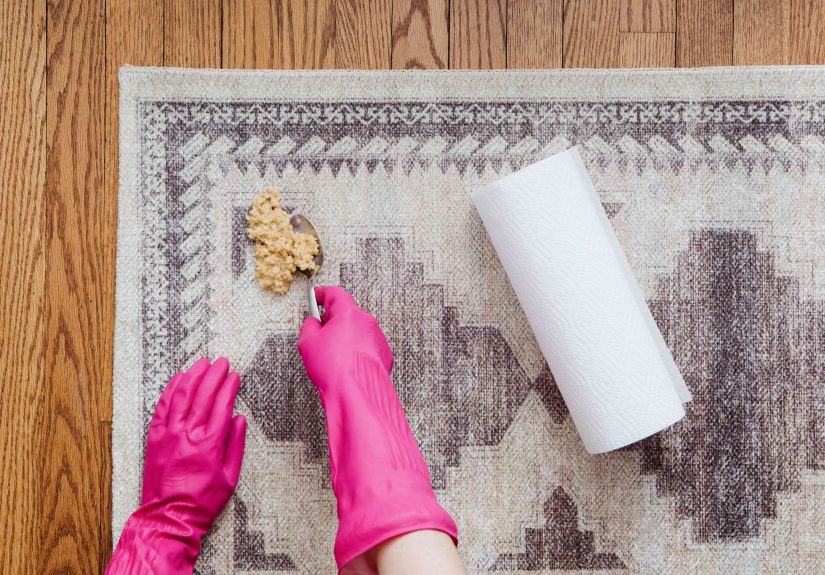
- Lift solids: scoop, don’t smear.
- Blot moisture: press with paper towels/clothsno rubbing.
- Treat + rinse: gentle solution, blot, then rinse with cool water and blot again.
- Dry fast: fans, AC, dehumidifierdrying is half the battle.
What you’ll need (no fancy gadgets required)
- Disposable gloves (two pairs if you’re feeling deluxe)
- Spoon, dull scraper, or spatula (something with an edge, not your credit card)
- Paper towels or clean white cloths
- Cold or cool water
- Spray bottle (or a bowl if you like living dangerously)
- Mild dish soap
- White vinegar or an enzyme cleaner (especially for pet vomit)
- Baking soda (odor sponge extraordinaire)
- Optional: wet/dry vacuum or portable carpet cleaner; 3% hydrogen peroxide (spot-test first)
Why speed matters (a tiny bit of science, without the lab coat)
Vomit is a mix of partially digested food, stomach acid, and (often) bile. Acid + pigments + time can discolor fibers, and proteins can cling to carpet and padding. If you clean quickly and remove residue thoroughly, you prevent:
- Stains from bile/dyes soaking in
- Odors from proteins and fats lingering in fibers and padding
- Wicking (the stain you “removed” creeping back up as it dries)
Step-by-step: fresh vomit cleanup (the “move fast, save carpet” method)
Step 1: Prep the scene (2 minutes)
Open a window and keep kids/pets away until you’re done and the area is dry. Put on gloves. If you plan to use any disinfectant later, read labels and never mix cleaning chemicals.
Step 2: Remove solids without spreading (3–5 minutes)
Use a spoon or dull scraper to scoop up solids and place them into a trash bag. Work from the outside edges toward the center so you don’t push the mess outward. If it’s chunky (apologies), lift in layers.
If there’s a lot of moisture, place paper towels on top and press down to pick it up before you scoop again. Think “lift and blot,” not “massage into the carpet like it’s a spa treatment.”
Step 3: Blot moisture (3 minutes)
Press clean towels or paper towels onto the spot. Do not rub. Stand on the towels if needed (yes, you can literally use your body weight). Replace towels until they come up mostly dry.
Step 4: Apply a gentle cleaning solution (5–10 minutes)
Choose one of these options based on what you have and what kind of vomit it is:
Option A: Dish soap + vinegar solution (great all-purpose)
- Mix 1 tablespoon dish soap, 1/2 cup white vinegar, and 2 cups cool water.
- Lightly mist or dab onto the area (don’t drench the carpet).
- Let it sit for 3–5 minutes, then blot.
Option B: 50/50 vinegar + water (simple, fast, often enough)
- Mix equal parts white vinegar and cool water.
- Apply lightly, wait a few minutes, and blot.
Option C: Enzyme cleaner (best for pet vomit and stubborn odor)
- Use an enzyme cleaner per the label directions.
- Enzymes need time. Many work best with a longer dwell time, especially if odor is strong.
- Blot afterward, then rinse lightly and blot again.
Important: Keep the solution amount controlled. If liquid soaks into the padding, you may trade a surface stain for a deep odor problem.
Step 5: Rinse to remove residue (3–6 minutes)
This is where many people lose the war after winning the first battle. Cleaning solutions (and vomit residue) left behind can attract dirt or cause odors later.
- Lightly apply cool water to the area (spray bottle works best).
- Blot thoroughly with clean towels.
- Repeat until towels stop picking up suds or discoloration.
Step 6: Dry it like you mean it (30 minutes to overnight)
Drying prevents reappearing stains, musty smells, and mildew. Use:
- A fan aimed directly at the area
- Air conditioning or a dehumidifier
- Fresh towels pressed on the spot to wick moisture out
If the carpet feels damp after an hour, keep drying. “Mostly dry” is how odors get their foot in the door.
How to clean dried vomit from carpet (aka: the “why didn’t I see this sooner?” edition)
Dried vomit needs gentle rehydration before removalotherwise you’ll grind crust into fibers.
- Soften: lightly mist with cool water. Wait 5 minutes.
- Lift: scrape solids up carefully.
- Blot: press to pull moisture and loosened residue.
- Treat + rinse: use one of the solutions above, then rinse and blot well.
- Dry thoroughly.
How to get vomit smell out of carpet (the part that ruins your day)
Smell usually means microscopic residue is still in the fibers or padding. Once you’ve cleaned and rinsed:
Baking soda deodorizing method
- When the carpet is just slightly damp (not wet), sprinkle a generous layer of baking soda.
- Let it sit for at least 30 minutes. Overnight is even better for stubborn odor.
- Vacuum thoroughly.
Enzyme cleaner for odor that won’t quit
If the smell persists, an enzyme cleaner can break down the organic compounds causing odorespecially helpful for pet vomit. Follow label directions and allow sufficient dwell time. Afterward, rinse lightly and blot to reduce residue.
Watch for “padding odor” clues
If the surface looks clean but odor returns when the room warms up, the mess likely soaked into the carpet pad. At that point, repeated surface spot cleaning may not reach the source. A wet/dry vacuum extraction or professional cleaning may be the faster, cheaper sanity-saving choice.
Stain still visible? Targeted fixes (use with care)
1) Yellowish or brownish stain (bile or food dyes)
These can be stubborn. Re-clean with a mild soap solution, rinse well, and dry thoroughly first. If a shadow remains:
- Try a second round with an enzyme cleaner.
- For some carpets, a small amount of 3% hydrogen peroxide can helpbut only after a spot test.
2) Using 3% hydrogen peroxide safely (spot-test first)
Hydrogen peroxide can lighten stains, but it can also lighten carpet dyeespecially on wool or darker colors. If you choose to try it:
- Spot-test in a hidden area and let it dry fully.
- Dab (don’t pour) a small amount onto a white cloth and press onto the stain.
- Wait 5–10 minutes, then blot with cool water and blot dry.
- Dry thoroughly and re-check when fully dry.
If you see any color change during the test, skip peroxide and stick with enzyme cleaner or call a pro.
3) Avoid carpet “oops” moments
- Don’t use bleach on most carpetshigh risk of discoloration and fiber damage.
- Don’t mix products (especially bleach with ammonia or acids).
- Don’t over-wet: soaking pushes residue into padding and can cause odors or mildew.
- Don’t scrub aggressively: it frays fibers and spreads the stain.
Do you need to disinfect the carpet?
Most everyday vomit cleanup is about removing soil and odor. Disinfecting is more relevant if:
- Someone is sick with a contagious illness
- There’s blood present
- The mess happened in a childcare setting or high-risk environment
If you disinfect, remember: clean first (remove soil), then disinfect according to product directions, and keep the area ventilated. Use products as labeled, and keep kids/pets off the area until dry.
When to call a professional (aka: carpet triage)
Sometimes “DIY” turns into “why is my Saturday like this?” Consider professional help if:
- The area is large or soaked into padding
- The carpet is wool, antique, specialty-dyed, or very expensive
- The odor returns after cleaning and drying
- You’ve tried multiple products and the stain is spreading or getting lighter/darker
Prevention tips (so next time is less dramatic)
- Keep a small “carpet emergency kit”: gloves, towels, vinegar, baking soda, enzyme cleaner.
- If pets get carsick or kids get tummy bugs, consider a washable throw blanket on high-risk zones.
- Vacuum regularlyclean fibers release stains more easily than dirt-packed fibers.
Quick example scenarios (because real life doesn’t follow instructions)
Example 1: Pet vomit on beige synthetic carpet
Scoop solids, blot moisture, use enzyme cleaner with adequate dwell time, rinse lightly, blot dry, then baking soda overnight. Vacuum thoroughly the next day. If odor returns when the heater runs, extract deeper with a wet/dry vac or consider a pro.
Example 2: Human vomit after a party on a darker rug
After initial cleanup, go gentle: dish soap + vinegar solution, blot, rinse, blot, then dry aggressively with fans. Skip peroxide unless you spot-test and your rug is colorfast. Dark dyes can be moody.
Conclusion
The fastest way to prevent a vomit stain is simple: remove solids, blot, treat gently, rinse thoroughly, and dry completely. Baking soda helps with odor, enzyme cleaners help with stubborn organic residue (especially pet messes), and restraintyes, restraintis your best friend. Scrubbing and over-wetting are how small messes become long-term carpet lore.
Real-world experiences: what actually happens in homes (and what works)
If you’ve ever cleaned vomit from carpet at 2 a.m., you know that every step-by-step guide sounds very reasonable… right up until you’re standing there holding a paper towel like it’s a tiny, absorbent shield against chaos. Real life is messy, people panic, and panic makes you do weird thingslike scrubbing aggressively with whatever cleaner is closest, which is often the exact wrong move.
One of the most common “I learned this the hard way” moments is scrubbing. When you scrub, you’re basically giving the stain a personal trainer. You work it deeper into the fibers, fray the pile, and spread the mess wider like you’re trying to paint the carpet with regret. The first time I saw a stain “disappear” after scrubbing, I celebrated too earlybecause it came back the next day as a faint brown halo. That’s wicking: residue down in the carpet or pad migrates upward as it dries. The fix wasn’t scrubbing harder (tempting), but rinsing and blotting until the towels stopped showing discoloration, then drying with a fan aimed directly at the spot.
Another big lesson: don’t drown the carpet. People hear “rinse” and interpret it as “create a small indoor pool.” The goal is to remove residue, not soak the padding. I once watched someone pour warm water directly onto the stain until it felt “clean,” and then wonder why the room smelled weird for days. A light mist of cool water, followed by firm blotting, removed far more residue than flooding ever did. If you have a wet/dry vacuum, it’s a game-changerextraction pulls out what towels can’t.
Odor is its own category of betrayal. You can clean a spot until it looks perfect and still get hit with a smell when the room warms up. In practice, baking soda works best after you’ve truly cleaned and rinsed, not as a first step to “mask” things. Sprinkle it on a slightly damp spot, let it sit, vacuum well, and the difference can be dramatic. But when odor keeps coming back, enzyme cleaner is the upgrade. The key is patience: enzymes aren’t instant. The times enzyme cleaner “did nothing” were almost always times it wasn’t given enough dwell time or the area wasn’t kept slightly damp long enough for the enzymes to work as intended.
Then there’s the peroxide question. People love peroxide because it feels like a secret weaponand it can beif you spot-test first. I’ve seen peroxide lift a stubborn yellowish stain beautifully on a light synthetic carpet. I’ve also seen it slightly lighten a darker fiber and create a new problem that didn’t exist five minutes earlier. The practical rule: if you’d be mad about a tiny color change, spot-test and wait for full dry before committing. Waiting is annoying, but so is explaining to a spouse why there’s a “mysterious lighter square” in the living room.
The most useful takeaway from real homes is this: successful cleanup is less about a miracle ingredient and more about sequence. Scoop. Blot. Treat. Blot. Rinse. Blot. Dry. The people who skip rinsing or drying are the people who end up cleaning the same spot twice. And nobody wants a sequel to this movie.