Table of Contents >> Show >> Hide
- Why Sweat and Odor Build Up under the Breasts
- The Most Common Culprit: Intertrigo
- How to Combat Odor and Sweat under Your Breasts Every Day
- Habits That Help More Than You Think
- What Not to Do
- When to See a Doctor
- A Simple Routine That Actually Works
- Common Experiences People Have with Under-Breast Sweat and Odor
- Final Thoughts
Let’s talk about a body issue that almost nobody puts on a holiday card: sweat and odor under the breasts. It’s common, annoying, and capable of ruining a perfectly good day by 11:17 a.m. The good news is that underboob sweat is usually manageable. The not-so-fun news is that if moisture sits there too long, it can lead to irritation, chafing, odor, and even a rash or infection.
If you’ve ever lifted your bra band after a hot day and thought, “Well, that can’t be ideal,” you are correct. The area under the breasts is a classic spot for trapped heat, skin-on-skin friction, and dampness. That makes it the perfect little greenhouse for odor-causing bacteria and yeast. Charming, right?
This guide breaks down why it happens, what actually works, what to avoid, and when the problem needs medical attention. No shame, no weird scare tactics, and no pretending that “just stay dry” is useful advice in the middle of summer.
Why Sweat and Odor Build Up under the Breasts
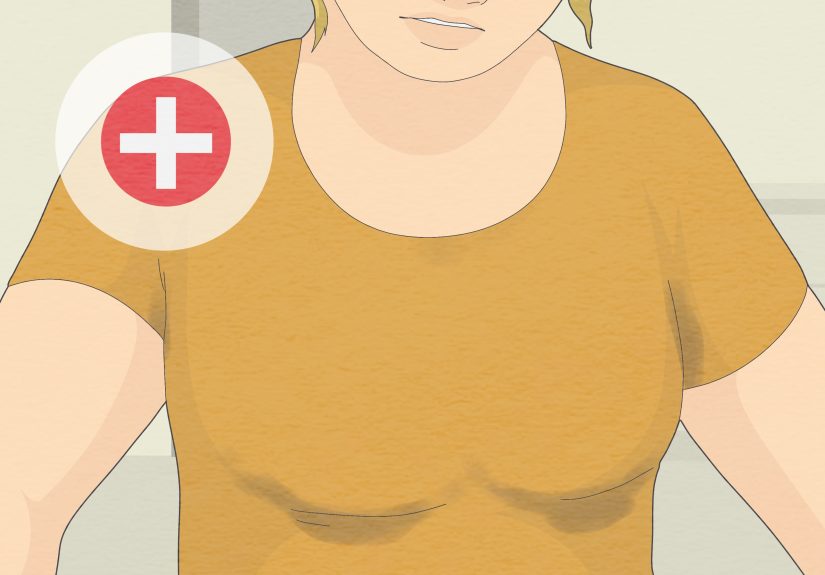
The skin under your breasts is a warm, enclosed fold. When sweat gets trapped in that area, it mixes with friction, skin oils, and normal skin bacteria. Sweat itself is not usually the problem. The smell tends to happen when bacteria and yeast interact with moisture that stays on the skin too long.
That is why the area can feel fine right after a shower, then start smelling sour, musty, or generally “not invited” by the afternoon. The issue is often worse when you wear a tight bra, exercise, sit in humid weather, or spend hours in synthetic fabrics that hold moisture.
Several things can make under-breast sweat and odor more likely:
- Hot or humid weather
- Exercise or heavy sweating
- Larger breasts or deeper skin folds
- Tight bras or non-breathable fabrics
- Obesity
- Diabetes
- Hormonal changes, including menopause
- Hyperhidrosis, which means excessive sweating
The Most Common Culprit: Intertrigo
If the skin under your breasts becomes red, sore, itchy, or smelly, there’s a decent chance you are dealing with intertrigo. This is inflammation that develops in skin folds where moisture and friction team up like two tiny villains with too much free time.
Intertrigo often starts as simple irritation. The skin may look pink, red, or reddish-brown. It may sting, itch, burn, or feel raw. If it keeps going, the skin can crack, ooze, bleed a little, or develop a stronger odor. Once the skin barrier gets damaged, yeast or bacteria can move in and make things worse.
A yeast infection is especially common in this area. When that happens, the rash may look bright red, feel intensely itchy, and spread around the edges. In some cases, there are small bumps or pustules nearby. If the odor suddenly becomes stronger, the skin gets soggy, or you notice pus, it is time to stop self-diagnosing with optimism and check in with a medical professional.
How to Combat Odor and Sweat under Your Breasts Every Day
1. Clean the area gently, not aggressively
Wash under your breasts once a day and after heavy sweating. Use a mild, unscented cleanser. You do not need to scrub like you are restoring an old frying pan. In fact, harsh soaps, aggressive scrubbing, and strongly fragranced body washes can irritate the skin and make things worse.
After cleansing, rinse well. Soap residue left in a skin fold is not exactly a spa treatment.
2. Dry the skin completely
This step matters more than most people realize. Pat the area dry with a clean towel. Do not rub. If the skin still feels damp, use a fan or a hair dryer on the cool setting for a few seconds. Yes, it feels slightly ridiculous. It also works.
If you tend to stay damp no matter what, placing a clean, breathable cotton liner or soft gauze under the breast can help absorb moisture and reduce rubbing.
3. Use the right bra
Your bra can either help the situation or become an accessory to the crime. Look for breathable, supportive bras made from moisture-wicking fabric. A good bra should lift the breast enough to reduce skin-on-skin contact without squeezing you like a panini.
Try these practical bra habits:
- Change bras daily
- Switch immediately after workouts
- Avoid overly tight bands
- Choose moisture-wicking sports bras for exercise
- Wash bras regularly so trapped bacteria and sweat do not build up
4. Apply an antiperspirant if sweating is the main problem
If your biggest issue is dampness rather than rash, an antiperspirant can help. This is different from a deodorant. Deodorants mainly mask smell. Antiperspirants reduce sweat.
You can apply antiperspirant to external skin under the breasts if the skin is intact, clean, and completely dry. Many people do best applying it at night and washing it off in the morning. If you have very sensitive skin, patch test first and stop if you develop burning or irritation.
A quick reality check: heavily fragranced “whole-body” products are not always a win on delicate skin. More fragrance does not automatically mean less odor. Sometimes it just means irritation with a floral subplot.
5. Create a friction barrier
If the area gets chafed, a barrier product can help. Zinc oxide or plain petroleum jelly can reduce rubbing and protect irritated skin. Anti-chafing balms may also help some people. Use a thin layer. You are aiming for protection, not frosting a cupcake.
If you also use a powder, do not layer powder directly over ointment at the same time. That combination can turn into a sticky paste, which is exactly as glamorous as it sounds.
6. Consider a drying or antifungal product when appropriate
If you are prone to recurring dampness, an absorbent powder may help keep the area drier. If you think you may have a yeast-related rash, an over-the-counter antifungal cream or powder may be useful. Common options include clotrimazole or miconazole, but you should follow package directions and stop if the rash worsens.
If symptoms are persistent, severe, or keep coming back, you may need prescription treatment. That can include antifungal creams, drying agents, low-dose steroid creams, antibiotic treatment, or other targeted therapies depending on the cause.
Habits That Help More Than You Think
Sometimes the difference between “manageable” and “why is this happening to me again?” comes down to routine.
Change out of damp clothes quickly
Do not stay in a sweaty sports bra for hours after a workout, long walk, or hot commute. The skin under your breasts is not a fan of marinating.
Choose breathable fabrics
Cotton can be helpful for everyday comfort, and moisture-wicking fabrics are useful when you sweat a lot. The goal is airflow and evaporation, not trapping heat like a greenhouse.
Manage triggers when possible
Spicy foods, alcohol, caffeine, stress, and hot weather can increase sweating or make body odor more noticeable in some people. You do not have to live like a monk, but it helps to notice your own patterns.
Address underlying health issues
If you have diabetes, keeping blood sugar well managed can help reduce the risk of recurring yeast infections. If you sweat heavily in multiple areas, hyperhidrosis may be part of the picture. In stubborn cases, a doctor may recommend prescription antiperspirants, medication, or even procedures such as botulinum toxin injections for excessive sweating.
What Not to Do
- Do not ignore a persistent rash that keeps coming back.
- Do not keep applying perfume, body mist, or strongly fragranced lotion to irritated skin.
- Do not use harsh scrubs, rough washcloths, or alcohol-based products on raw skin.
- Do not stay in sweaty bras or damp clothes longer than necessary.
- Do not keep trying random products on broken skin if you are getting more redness, burning, or cracks.
- Do not assume every rash is “just sweat.” Sometimes it is yeast, bacterial infection, eczema, inverse psoriasis, or hidradenitis suppurativa.
When to See a Doctor
Home care works for many mild cases, but some symptoms deserve professional attention. Make an appointment if:
- The rash is not improving after a week or so of good skin care
- The area is getting more painful, not less
- You see pus, crusting, oozing, or bleeding
- The odor becomes suddenly much stronger
- The rash spreads beyond the fold under the breast
- You develop fever or feel unwell
- You get painful lumps, recurring boils, or tunnel-like scarring under the breasts
- The problem keeps coming back
Painful nodules or boil-like bumps under the breasts can point to hidradenitis suppurativa, a different condition that needs medical care. And if the odor changes dramatically or comes with other symptoms such as excessive thirst, fatigue, or unusual illness, that may also deserve a broader medical evaluation.
A Simple Routine That Actually Works
If you want the short version, here is a practical daily plan:
- Wash gently once a day and after heavy sweating.
- Pat dry thoroughly, then finish with cool air if needed.
- Apply antiperspirant to dry, intact skin if sweating is the main issue.
- Use a barrier cream if chafing is the bigger problem.
- Wear a breathable, supportive bra and change out of damp bras fast.
- Use an antifungal product if a yeast rash seems likely, or see a clinician for a diagnosis.
- Seek medical care if the rash is painful, spreading, infected-looking, or keeps returning.
Common Experiences People Have with Under-Breast Sweat and Odor
A lot of people think this problem means they are not clean enough. That is usually not true. In real life, many people dealing with under-breast sweat and odor are already showering regularly, wearing clean clothes, and doing their best. The issue is often the environment under the breast itself: warm, dark, damp, and full of friction. In other words, the skin fold is doing what skin folds do.
One common experience is the “everything was fine until summer” pattern. A person may go most of the year with zero issues, then the weather heats up and suddenly the area under the breasts starts feeling sticky by mid-morning. They may notice a faint odor first, then mild redness, then that uncomfortable raw feeling by the end of the day. Usually, the biggest breakthrough comes when they stop focusing only on washing and start focusing on drying, bra changes, and moisture control.
Another very common story is the workout trap. Someone starts exercising more, which is great for overall health, but then stays in a sweaty sports bra while running errands, answering email, or driving home. By evening, the skin is irritated and the odor has arrived like an uninvited backup dancer. In these cases, changing into a dry bra quickly often makes a surprisingly big difference.
Some people experience the problem during hormonal shifts, especially around perimenopause or menopause, when hot flashes and night sweats show up and start behaving like they pay rent. They may suddenly notice more sweating than they used to have, including under the breasts. That can make an old bra wardrobe feel completely wrong overnight. Switching to breathable fabrics and using antiperspirant on intact skin often becomes part of the new normal.
People with larger breasts often describe a cycle of sweat, rubbing, then rash. They may say the skin looks fine in the morning, but by late afternoon it feels sore and damp. Some find relief with bra liners, moisture-wicking bras, or barrier creams. Others realize the problem is not just sweat but recurring intertrigo or yeast overgrowth, which means they need targeted treatment instead of just another powder from the drugstore shelf.
There is also the frustration of trying too many products at once. A person gets desperate, layers scented deodorant, powder, lotion, and an anti-chafing balm, and accidentally creates a sticky chemistry project under the bra band. When the skin is irritated, simpler is usually better. Gentle cleansing, full drying, and one appropriate product at a time is often the smarter path.
Emotionally, this issue can be more upsetting than people admit. Odor and rash in a private area can make someone feel embarrassed, distracted, or self-conscious during work, exercise, dating, or just daily life. That reaction is understandable. But this is a common skin-fold problem, not a personal failure. Once people identify whether the main issue is sweat, friction, yeast, or infection, the problem usually becomes much easier to manage.
The biggest lesson from all these experiences is simple: under-breast sweat and odor are usually not about being dirty. They are usually about moisture management. Once that clicks, the routine becomes less about panic and more about strategy.
Final Thoughts
If you want to combat odor and sweat under your breasts, think like a very practical detective. The usual suspects are moisture, friction, trapped heat, bacteria, and sometimes yeast. Your mission is to clean gently, dry thoroughly, reduce sweat, reduce rubbing, and step in early if a rash starts forming.
For many people, a few routine changes make a huge difference. For others, the issue keeps coming back because it is not just sweat but intertrigo, candidiasis, hyperhidrosis, or another skin condition that needs treatment. Either way, you are not stuck with it, and you do not need to pretend it is not happening.
Underboob sweat may be common, but it does not get to run your day.