Table of Contents >> Show >> Hide
- Kangaroo Paw Care at a Glance
- Meet the Plant: What Makes Kangaroo Paw Different
- Choosing the Right Kangaroo Paw for Your Yard (or Your Patio)
- Planting Basics: Sun, Soil, and Site Selection
- Watering: The Goldilocks Routine (Not Too Much, Not Too Little)
- Fertilizer: Feed Lightly (and Watch the Phosphorus)
- Pruning and Deadheading: The Secret to More Blooms
- Seasonal Care Calendar (Quick and Useful)
- Growing Kangaroo Paw in Pots (A.K.A. “Climate Cheat Code”)
- Propagation: Make More “Paws” for Free
- Pests, Diseases, and “Why Is My Plant Doing That?”
- Common Mistakes (So You Can Skip the “Learning Opportunity”)
- Real-World Kangaroo Paw Experiences and Lessons (About )
- Conclusion
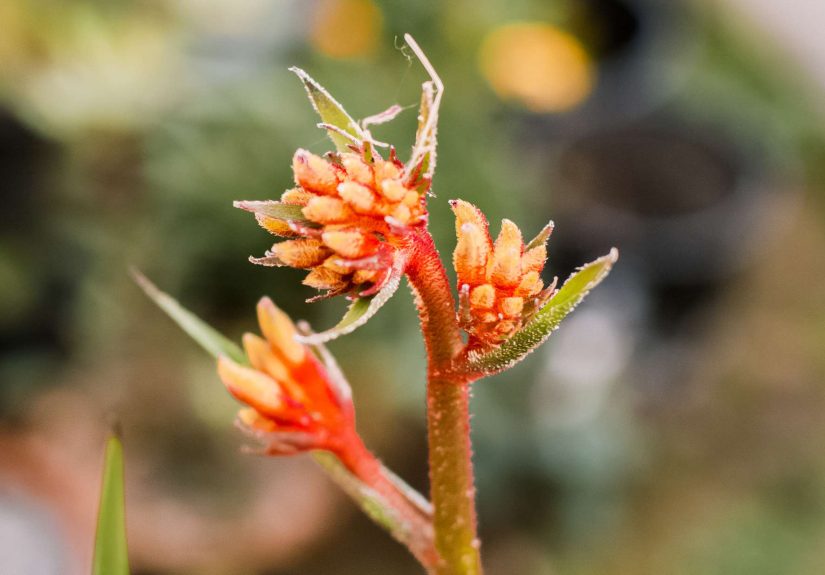
Kangaroo paw (botanical name: Anigozanthos) is the plant you buy “just for a pop of color”… and then you catch yourself admiring it like it’s giving your garden a fuzzy high-five. Those velvety, tubular blooms really do look like tiny paws, and they show up in bold reds, oranges, yellows, and pinks that double as instant bouquet material.
Quick clarification: there’s also a kangaroo paw fern. Different plant, different care. This guide is for the flowering kangaroo paw (Anigozanthos)the sun-loving showoff that performs best outdoors in warm climates and in containers almost anywhere.
Kangaroo Paw Care at a Glance
- Light: Full sun (6+ hours) for sturdy stems and maximum blooms
- Soil: Lean, very well-drainedsandy or sandy-loam is ideal
- Water: Moderate while growing and flowering; avoid soggy soil
- Fertilizer: Light feeding; low-phosphorus choices are safest
- Hardiness: Often perennial in warm zones (commonly 9–11); elsewhere grow as an annual or overwinter indoors
- Maintenance: Deadhead + yearly cutback; divide clumps to keep vigor
Meet the Plant: What Makes Kangaroo Paw Different
Kangaroo paw is an Australian native adapted to bright sun and fast drainage. It grows from short underground rhizomes, sending up fans of strap-like leaves and tall flower stalks topped with those famous fuzzy blooms. In good conditions, flowering can run from spring into fall, and the tubular flowers are a hummingbird favorite.
Why it’s a star in water-wise gardens
Once established, many varieties handle dry spells better than thirsty bedding flowers. But “drought-tolerant” doesn’t mean “never water.” Think: a good drink, then dry socks.
Choosing the Right Kangaroo Paw for Your Yard (or Your Patio)
Match the plant to your climate
In warm regions, kangaroo paw can return year after year. In colder areas, it’s usually grown as a seasonal annual or kept in a pot so it can be protected from frost.
Dwarf vs. tall
Compact varieties (often 1–2 feet tall) are great for containers and small beds. Tall types can reach several feet in bloom for instant vertical drama. Either way, plan on occasional division to keep clumps vigorousespecially with compact selections that can be shorter-lived.
Planting Basics: Sun, Soil, and Site Selection
Light: full sun = fewer flop moments
Kangaroo paw blooms best in full sun. Give it at least six hours of direct light; more sun generally means sturdier stems, better color, and fewer “why is it leaning like it’s had a long day?” situations.
Soil: drainage is non-negotiable
If kangaroo paw had a dating profile, it would say: “Looking for someone stable, bright, and not soggy.” Aim for sandy, well-drained soil. If you have clay, plant on a mound/raised bed and work in coarse sand or grit to speed drainage. In containers, use quality potting mix amended with sand or perlite.
Air circulation helps
Spacing plants and avoiding heavy overhead watering reduces fungal issues and keeps foliage cleaner, especially in humid climates.
Watering: The Goldilocks Routine (Not Too Much, Not Too Little)
Year one: water for roots
During the first growing season, water more regularly to establish roots. Keep soil evenly moist, but let the top couple inches dry before watering again.
Established plants: deep drinks, then dry-ish soil
Once established, water less often. A deep soak followed by partial drying encourages healthier roots and helps prevent rot.
Container reality check
Pots dry faster. In summer heat, you might water every few days; in mild weather, weekly can be enough. Always water thoroughly until it drains out the bottomand never let the pot sit in a saucer of water.
Fertilizer: Feed Lightly (and Watch the Phosphorus)
Compost usually wins
Kangaroo paw isn’t a heavy feeder. Many gardeners do fine with a spring top-dress of compost. Too much fertilizer can push soft growth that’s more disease-prone and less floriferous.
Choose low-phosphorus products
As an Australian native, kangaroo paw is often sensitive to high-phosphorus fertilizers. If you fertilize, pick products labeled for “native plants” or “low phosphorus,” and use them sparingly.
Pruning and Deadheading: The Secret to More Blooms
Deadhead spent flower spikes
When blooms fade, cut the flower spike down to the base. This tidies the plant and can encourage more flowering. Avoid nicking new leaves emerging from the crown.
Do a yearly cutback
After the main bloom flush, a hard prune can refresh the plant. Cutting back old stalks and tired leaves to several inches above the soil line helps reduce disease pressure and promotes denser regrowth.
Divide clumps to maintain vigor
Division every few years can rejuvenate older clumps and is also the easiest way to “clone” a favorite plant for new spots or new pots.
Seasonal Care Calendar (Quick and Useful)
- Spring: Clean up foliage, add compost, resume regular watering as growth starts.
- Summer: Water when soil dries, deadhead often, watch for aphids/leaf issues.
- Fall: Keep deadheading; in cooler zones, prep pots for protection before frost.
- Winter: Reduce watering, protect from frost, and cut back old foliage if needed.
Growing Kangaroo Paw in Pots (A.K.A. “Climate Cheat Code”)
Pot + mix
Choose a container with generous drainage holes. Use an all-purpose potting mix and add several handfuls of coarse sand or perlite to mimic fast-draining soil.
Repotting and division
When roots fill the pot, repot in spring. Either move up a size or divide the rhizomes and replant sections.
Overwintering (cold climates)
Bring pots inside before frost. Provide bright light, cooler temperatures, and reduced watering. In spring, reintroduce outdoor sun gradually to avoid leaf scorch.
Propagation: Make More “Paws” for Free
Division (fastest and most reliable)
Division is the go-to method because it’s quick and it refreshes older clumps. In spring, lift the plant, separate the rhizomes into sections (each with roots and a fan of leaves), trim the foliage back a bit, and replant into fresh, fast-draining soil. Keep divisions evenly moist until you see new growth.
Seed (slower, but satisfying)
You can grow kangaroo paw from seed, but patience is part of the deal. Many gardeners presoak seeds in warm/hot water to soften the seed coat, then sow on a moist seed-starting mix and keep it warm. Germination can take several weeks, so don’t give up earlykangaroo paw is just taking its time building the grand entrance.
Pests, Diseases, and “Why Is My Plant Doing That?”
Ink spot disease
Ink spot can show up as blackening on leaves and stems. Prevention is mostly cultural: full sun, good air circulation, and well-draining soil. Remove affected foliage promptly and avoid overhead watering.
Root rots and crown problems
Soggy soil invites fungal root rots. Symptoms often look like overall decline: yellowing, stunting, and rotting roots. Fix drainage first, then adjust wateringespecially for container plants.
Common pests
Aphids can cluster on tender growth, and snails/slugs may chew foliage. In humid conditions, watch for powdery mildew. Most problems improve with more sun, more airflow, and drier foliage.
Common Mistakes (So You Can Skip the “Learning Opportunity”)
- Heavy, wet soil. Fix drainage or switch to pots/raised beds.
- Frequent light watering. Deep soaks beat daily sips.
- Over-feeding. Compost + restraint usually outperforms fertilizer binges.
- Skipping cleanup. Deadheading and cutbacks reduce disease and keep plants blooming.
Real-World Kangaroo Paw Experiences and Lessons (About )
If you’ve never grown kangaroo paw before, the first “experience” many gardeners share is the surprise of how architectural the plant iseven when it’s not flowering. The leaves come up in upright fans, like green fountain fireworks frozen mid-burst. That means it doesn’t just fill space; it defines it. People often plant one, then immediately wish they’d planted three so the clump reads as an intentional design move instead of “I found this cool thing at a nursery and panicked.”
The next common lesson: kangaroo paw teaches you the difference between “watering” and “watering well.” Many growers start by giving it little sips every day (because they’re kind humans who don’t want plants to be thirsty). Kangaroo paw responds by looking mildly offendedor worse, by developing issues tied to constantly damp soil. The plants that thrive are usually the ones that get a deep soak, then a chance to dry down. Gardeners often describe it like training a dog: consistent routine, clear boundaries, and no mixed messages. (The plant still won’t fetch, but it will bloom.)
Container growers have their own rite of passage: realizing that a pot in full sun can go from “perfectly moist” to “crispy” faster than you can say “I’ll water it later.” The trick that experienced growers swear by is building a mix that drains fast and holds enough moisture to get through hot afternoonspotting mix plus coarse sand/perlite, plus a pot that’s big enough to buffer temperature swings. Once people dial that in, the plant goes from “temperamental diva” to “reliable performer.”
Then there’s pruningarguably the most dramatic moment in the relationship. New growers often hesitate to cut anything because the plant looks expensive, and the flowers are the whole point. But seasoned gardeners routinely report that kangaroo paw rewards bravery. Removing spent flower spikes all the way down keeps the clump tidy and reduces that tired, brown look. A more serious cutback after the main bloom flush can feel like a haircut you’re not sure about… until new growth comes in thicker and fresher. In warm climates, some gardeners even get a smaller second flush of blooms after a hard prune.
Finally, there’s the “climate reality check.” Gardeners in dry-summer regions often describe kangaroo paw as nearly effortlesssun, good drainage, occasional water, repeat. In humid-summer areas, people report having to work harder for airflow and cleanliness: wider spacing, watering at the base, and staying alert for leaf issues. The plant can still be worth it, but the experience feels more like managing a celebrity: you don’t crowd them, you don’t drench them, and you definitely don’t leave them in a steamy corner with no fresh air.
Bottom line: kangaroo paw is less “set it and forget it” and more “set it up correctly and then enjoy the applause.” Give it sun, fast drainage, sensible watering, and a confident pair of pruners, and it’ll put on a long-running show that makes your garden look like it has a passport.
Conclusion
Kangaroo paw is the kind of plant that makes your garden feel instantly more interestinglike you swapped a plain T-shirt for a jacket with actual personality. Nail the fundamentals (sun, drainage, and not overwatering), keep feeding light and low in phosphorus, and prune with purpose. Do that, and you’ll get months of fuzzy blooms and strong stems from a plant that’s as tough as it is weirdin the best possible way.