Table of Contents >> Show >> Hide
- Why 80s Furniture Actually Works Right Now
- A Quick Cheat Sheet: What Counts as “80s Furniture”?
- The Golden Rule: One 80s Hero Piece, Not an 80s Theme Park
- Make It Look Intentional: 8 Design Moves That Always Help
- 1) Give Bold Shapes “Breathing Room”
- 2) Unify the Room With a Tight Color Palette
- 3) Update Upholstery Instead of Fighting It
- 4) Swap Hardware and Feet for a Quick “Now” Factor
- 5) Refinish, Don’t Over-Commit to Paint (Unless It’s the Right Piece)
- 6) Use Modern Lighting to “Reframe” the Decade
- 7) Mix Textures So It Feels Layered, Not Dated
- 8) Avoid Matching Sets Like They’re a Scam Text
- Room-by-Room Examples: How This Looks in Real Life
- Common Mistakes (and Quick Fixes)
- Extra: of “Experience” (What People Learn Once They Actually Live With 80s Furniture)
The 1980s were not subtle. Furniture had curves like it was auditioning for a music video, finishes that reflected light (and questionable decisions), and
enough brass, chrome, and lacquer to make your smartphone jealous. And yetplot twist80s furniture is having a real moment. Not because we all secretly
want our living rooms to look like a “Miami Vice” set, but because the decade produced some genuinely smart shapes, comfy silhouettes, and bold pieces that
bring personality to today’s often-too-safe interiors.
The trick is to style 80s furniture the way you’d style any loud friend at brunch: invite them, give them a seat, but don’t let them take the microphone
for two straight hours. This guide shows you how to blend postmodern and Memphis-inspired pieces, glam wood-and-glass classics, and even those chunky
“why is it so big?” items into a modern homewithout turning your space into a time capsule.
Why 80s Furniture Actually Works Right Now
Modern interiors are trending toward “collected” rather than “catalog.” People want homes that feel personal, layered, and a little bit unexpected.
That’s where 80s furniture shines: it adds contrast to minimal spaces, brings sculptural interest to neutral rooms, and gives you a story that isn’t
“I clicked ‘add to cart’ at 2 a.m.”
Even better: many 80s pieces were built with solid frames and real craftsmanship (especially higher-end postmodern designs), which means they’re often
worth restoring. So you get style points, sustainability points, and the smug satisfaction of saying, “Oh, this? It’s vintage.”
A Quick Cheat Sheet: What Counts as “80s Furniture”?
The decade wasn’t one lookit was a whole buffet. Here are the most common 80s furniture vibes you’ll run into, plus what they’re good for in a
contemporary space:
- Postmodern shapes: chunky geometry, playful silhouettes, sculptural chairs that look like art (sometimes more than they look like seating).
- Memphis-inspired patterns: squiggles, bold color blocks, graphic laminatesgreat in small doses as accents.
- Glam revival: mirrored surfaces, lacquer finishes, shiny metals, smoked glass, waterfall edgesperfect for adding “night-out energy” to a calm room.
- Big comfort: overstuffed sofas, deep sectionals, plush armchairsideal if you value sitting like a human rather than posing like a mannequin.
- Wood tones (sometimes… a lot): oak and heavy case goodscan be updated with refinishing, new hardware, or a different role in the room.
The Golden Rule: One 80s Hero Piece, Not an 80s Theme Park
If you remember only one thing, make it this: pick a “hero” 80s piece and let everything else support it. A lacquered credenza, a chrome-and-glass coffee
table, a curvy club chair, a bold Memphis-style side tablewhatever makes you smile. Then build the rest of the room with calmer, modern staples.
Try the 80/20 Mix
A practical formula is an 80/20 split: about 80% modern or timeless basics, 20% vintage/statement energy. That gives your 80s furniture room to shine
without dominating the whole space.
Make It Look Intentional: 8 Design Moves That Always Help
1) Give Bold Shapes “Breathing Room”
Many 80s pieces are visually busycurves, shine, patterns, dramatic lines. If you cram them into a crowded layout, they can feel chaotic fast.
Create negative space around statement items. For example:
- Let a sculptural chair stand alone with a simple floor lamp and a small side table.
- Keep the coffee table area clean: one tray, one book stack, one object (not fourteen tiny “conversation starters”).
- If your 80s sofa is oversized, pair it with slimmer modern chairs so the room doesn’t feel like it’s wearing shoulder pads.
2) Unify the Room With a Tight Color Palette
The fastest way to modernize 80s furniture is to control the palette. You can absolutely keep colorjust be strategic.
A simple approach:
- Backdrop: warm white, soft beige, greige, or a muted earthy tone.
- Core neutrals: black, cream, camel, charcoal, or natural wood.
- Accent color (choose one): cobalt, emerald, oxblood, teal, or a punchy primaryused in 2–3 spots max.
Example: A glossy black lacquer console reads chic and current when the room’s palette is mostly cream + black + one accent (like deep green in a vase and
throw pillow). The same console in a room with eight competing colors reads… like a garage sale hosted by a circus.
3) Update Upholstery Instead of Fighting It
Upholstery is your secret weapon. If you have a well-built 80s sofa or chair with good “bones,” updating the fabric can make it feel brand-new.
Choose materials that feel modern and livable:
- Performance fabrics (because real life happens).
- Textured neutrals like bouclé, tweed, or linen blends for a calmer vibe.
- Velvet for an intentional throwback that still looks luxe today (especially in jewel tones).
If reupholstery isn’t in the budget, try a tailored slipcover or simply refresh the piece: deep clean, fix sagging cushions, and replace worn feet.
Small repairs can dramatically change how “dated” something feels.
4) Swap Hardware and Feet for a Quick “Now” Factor
A surprising amount of “this feels old” is actually “this has the wrong knobs.” Changing pulls on a dresser or updating cabinet hardware on a credenza can
modernize it in under an hour. Same for furniture feet:
- Trade clunky skirted bases for cleaner legs (where possible).
- Use simple modern pulls in black, brushed brass, or chrome depending on the piece.
- If the piece is already shiny, keep hardware streamlined so it doesn’t become a disco ball.
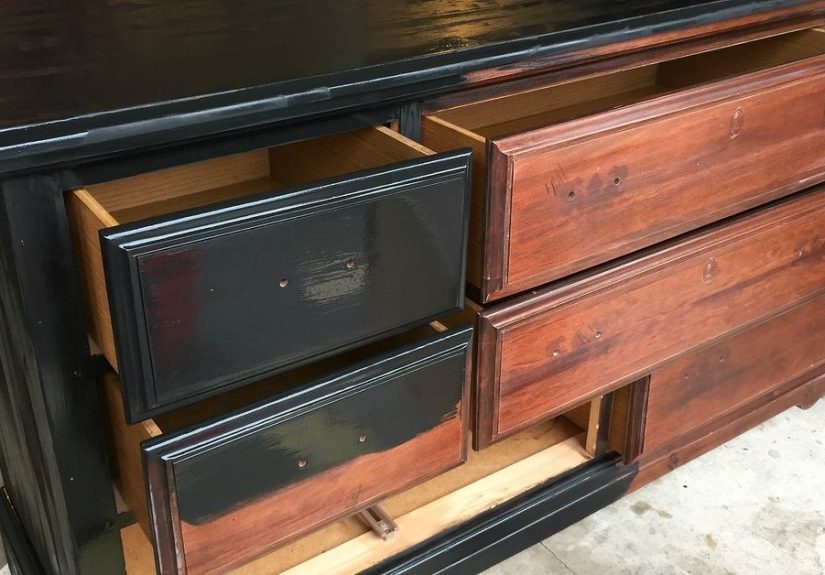
5) Refinish, Don’t Over-Commit to Paint (Unless It’s the Right Piece)
Some 80s wood furniture looks heavy because the finish is orange, glossy, or worn. Refinishing or restaining can make it feel calmer and more current.
If you do paint, do it thoughtfully:
- Great for paint: basic wood side tables, mismatched pieces, or anything with a finish you can’t save.
- Better refinished: solid wood pieces with nice grain, or furniture with quality construction.
- Prep matters: clean, repair, sand, prime, then paintskipping steps is how you get “sticky drawer chic.”
6) Use Modern Lighting to “Reframe” the Decade
Lighting is like a filter for your entire room. Pairing 80s furniture with modern lighting instantly tells your brain, “This is curated, not accidental.”
A few winning combos:
- Chrome-and-glass table + modern paper lantern pendant (soft meets shiny).
- Lacquer credenza + minimal LED picture light above art (gallery effect).
- Overstuffed 80s sofa + sculptural floor lamp with a simple shade (keeps it grounded).
7) Mix Textures So It Feels Layered, Not Dated
The 80s loved shine. Modern rooms love contrast. Add matte and natural textures to balance glossy pieces:
think wool rugs, linen curtains, boucle pillows, raw wood bowls, ceramic lamps, or woven baskets.
8) Avoid Matching Sets Like They’re a Scam Text
Coordinated bedroom sets and fully matched living room suites are the fastest route to “1987 showroom energy.”
Keep one or two related pieces if you love them, but break the set with modern elements:
- Pair a vintage 80s dresser with a modern round mirror instead of a matching hutch.
- Use mismatched nightstands (same height, different style) to make the room feel designed.
- Anchor the space with a modern rug so everything feels intentional.
Room-by-Room Examples: How This Looks in Real Life
Living Room: The “Statement Table” Approach
Let’s say you scored a smoked-glass and brass coffee table. Make it look current by surrounding it with soft, modern shapes:
a neutral sofa, a textured rug, and a clean-lined media console. Then echo the brass oncejust oncemaybe in a lamp base or a frame.
The table becomes a focal point, not a time machine.
Living Room: The “Curvy Chair” Approach
A sculptural postmodern chair can read like functional art. Put it next to a minimalist side table and a modern floor lamp.
Keep the nearby wall simple: one large piece of art beats a cluttery gallery wall in this case.
Dining Room: 80s Lacquer Without the Drama
Have a lacquer dining table or glossy sideboard? Balance it with matte textures: linen seat cushions, a wool rug, or plaster-like pottery.
If the lacquer is bright (say, red or black), keep the rest of the palette calmer so it feels bold and editorial, not loud and exhausting.
Bedroom: Vintage Case Goods, Modern Bed
A common win is pairing a modern upholstered bed with an 80s dresser or nightstands. The bed brings softness and current comfort; the vintage pieces bring
character. Update hardware, add a modern lamp, and keep bedding simple (white/cream with one accent color).
Home Office: Convert “Old” Into Useful
Those bulky 80s cabinets or entertainment centers can be repurposed beautifully:
- Turn a cabinet into printer + supply storage (close the doors, hide the chaos).
- Use an 80s credenza as a standing desk base with a modern top if you’re handy.
- Style shelves with modern bins and a few sculptural objectsedit ruthlessly.
Common Mistakes (and Quick Fixes)
Mistake: The Room Feels Like a Costume
Fix: Remove the “theme accessories.” If you have 80s furniture and neon signs and geometric wallpaper and a palm-print rug,
your room isn’t “styled”it’s doing karaoke. Keep one strong reference and let the rest be modern.
Mistake: Too Much Shine
Fix: Add matte textures and warm materials: a wool rug, linen curtains, a matte ceramic lamp, or a textured throw.
Also, limit mirrored pieces to one per room (two only if you love chaos and cleaning fingerprints).
Mistake: The Piece Looks “Dated,” Not “Vintage”
Fix: Refresh the details: new pulls, updated feet, a cleaner stain, or fresh upholstery. The silhouette may be greatoften it’s the finish
or fabric that’s telling your brain, “This came from someone’s basement.”
Mistake: Scale is Fighting You
Fix: If your 80s sofa is massive, pair it with smaller side tables and a large rug to keep proportions balanced.
Or swap bulky accent chairs for slimmer ones. One oversized item is a vibe; a room full of them is a traffic problem.
Extra: of “Experience” (What People Learn Once They Actually Live With 80s Furniture)
Here’s the funny part about styling 80s furniture: the first week is always a confidence roller coaster. Day one, you drag home a glossy waterfall
credenza and think, “I am a design genius.” Day three, you catch it in the wrong lighting and suddenly it feels like it’s judging you for your life choices.
Day seven, after you’ve edited the room and swapped a few details, it becomes the piece everyone comments on. That patternpanic, tweak, triumphis
incredibly common.
One of the most relatable experiences is learning that 80s furniture doesn’t want to be “matched.” People often start by trying to find other items from
the same decade so everything feels cohesive. That usually backfires. The room ends up reading like a showroom, not a home. The better move is almost
always contrast: a modern sofa next to a vintage postmodern chair, or a clean-lined table paired with curvy dining chairs. Once you see that push-pull
working in your space, it clicksyour home feels collected, not decorated.
Another common lesson: comfort matters more than nostalgia. Overstuffed 80s seating can be surprisingly wonderful (deep cushions, generous proportions),
but it can also swallow a small room whole. People living with these pieces often discover that the “right” 80s item isn’t the loudest oneit’s the one
with a great silhouette and good function. A chair that feels sculptural and comfortable is a keeper. A chair that looks like art but sits like a
punishment? That becomes a very expensive coat rack.
There’s also a real-world reality check around maintenance. Glossy lacquer shows dust. Mirrored surfaces show fingerprints. Chrome shows smudges.
If you’ve ever watched someone lovingly style a shiny side table and then immediately leave a handprint the size of Texas, you understand the struggle.
The “experience” here is practical: people learn to balance shiny 80s pieces with forgiving textureswool rugs, matte ceramics, woven basketsso the room
feels livable, not fragile.
And then there’s the emotional payoff, which is honestly why 80s furniture works so well today. When people incorporate a vintage pieceespecially one
they repaired, reupholstered, or refinishedthey tend to treat the room differently. They stop buying random filler decor and start making intentional
choices. The space becomes more “them.” The best version of 80s style isn’t about recreating a decade; it’s about borrowing the decade’s confidence.
Keep one bold piece, give it breathing room, and let the rest of the room be calm enough to appreciate it. That’s how you get a home that feels modern,
personal, and just the right amount of rebellious.