Table of Contents >> Show >> Hide
- The one rule that changes everything: watermelons don’t ripen after you pick them
- The most reliable signs of a ripe watermelon
- 1) The field spot (a.k.a. the “yellow belly”)
- 2) The tendril test (your garden’s built-in “ready” indicator)
- 3) The rind goes from shiny to more dull/matte
- 4) It feels heavy for its size
- 5) Shape and “character”: uniform form, webbing, and sugar spots
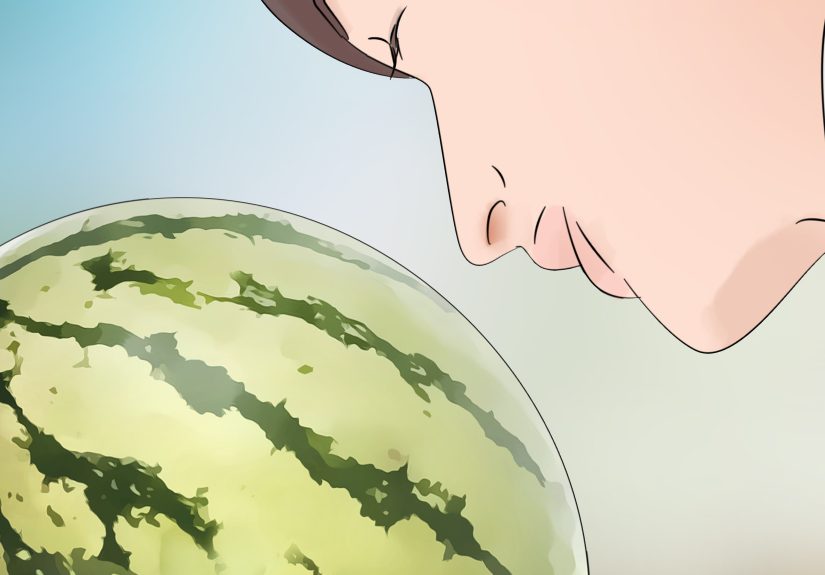
- 6) The blossom end: slight give and a gentle sweet smell
- 7) The thump test (use it, but don’t worship it)
- Picking from the garden: a practical, no-drama checklist
- Buying a watermelon: how to translate “vine clues” to the grocery store
- Common watermelon myths (that deserve a gentle bonk)
- How to harvest without cracking your prize
- A fast “ripeness score” you can use in 10 seconds
- What if you picked too early… or too late?
- Extra 500-word experience section: the watermelon learning curve (and what usually happens)
- Conclusion
Watermelons are confidence games wearing stripes.
From the outside, every melon looks like it’s whispering, “Pick me, I’m sweet.” And yetsome are crisp, candy-sweet miracles… while others taste like someone diluted cucumber water with regret.
The good news: a ripe watermelon isn’t a mystery, it’s a combo of clues. The better news: you don’t have to be the Thump Test Whisperer who knocks on fruit like it owes you money. Whether you’re harvesting from your backyard patch or shopping in the produce aisle, you can stack the odds in your favor with a few reliable signs (and one or two “nice-to-have” hints).
The one rule that changes everything: watermelons don’t ripen after you pick them
Unlike some fruits that keep sweetening on the counter, watermelons are more like a firework: once they’re off the vine, the show is basically over. They might soften a bit, but they won’t magically get sweeter. That’s why timing matters so muchespecially if you’re picking from the garden.
The most reliable signs of a ripe watermelon
Here’s the trick: no single sign is perfect every time. But when three or more of these line up, you’re usually looking at a ripe watermelon that’s ready for picking (or buying).
1) The field spot (a.k.a. the “yellow belly”)
Flip the melon and look at the spot where it rested on the ground. A ripe watermelon usually has a creamy yellow to buttery yellow field spot. If that spot is white or very pale, it likely didn’t stay on the vine long enough.
Pro nuance: Bigger isn’t always better, but a noticeable, richly colored field spot is a strong sign the fruit spent enough time ripening. (If your melon grew on a trellis and didn’t sit on the ground, this clue may be weaker or missinguse the vine signs below instead.)
2) The tendril test (your garden’s built-in “ready” indicator)
If you’re harvesting from a vine, find the curly little tendril closest to where the fruit attaches. When that tendril turns brown and dries up, the watermelon is typically at or near ripeness. Some varieties want the tendril fully dry; others are ready when it’s mostly brown and on its way out.
3) The rind goes from shiny to more dull/matte
A ripe watermelon often looks less glossy and more dull, like it stopped trying to impress you. Shiny skin can mean the melon is still immature. (There are variety differences, so use this as a supporting clue, not your only one.)
4) It feels heavy for its size
Watermelon is famously wateryin the best possible way. A ripe one tends to feel surprisingly heavy compared to another melon of similar size. That heft usually means more juice inside and less airy “meh.”
How to use this in real life: Pick up two similarly sized melons. Choose the one that feels like it’s been doing weighted squats.
5) Shape and “character”: uniform form, webbing, and sugar spots
Look for a melon that’s fairly symmetrical for its variety. Major lumps or weird flat sides can mean the fruit had inconsistent watering or growth stress, which can affect texture and sweetness.
You may also notice:
- Webbing: tan, net-like scarring that can be associated with strong pollination and good sweetness potential.
- Sugar spots: small brown speckles or rough patches (sometimes called “sugar bumps”). These can show maturity, but they’re not a guarantee.
Translation: these are nice bonus clueshelpful when combined with the field spot and weight, but not a standalone verdict.
6) The blossom end: slight give and a gentle sweet smell
The blossom end is opposite the stem end. On some ripe melons, the blossom end has a tiny bit of give when pressed (not squishythink “ripe peach vibes,” not “sad tomato”).
You might also catch a lightly sweet aroma through the rind. No smell can mean underripe; an overly strong, fermented smell can mean it’s past its prime.
7) The thump test (use it, but don’t worship it)
Yes, you can thump. You’re allowed. But don’t make it your entire personality.
Generally, people look for a deeper, more hollow sound rather than a sharp “ping.” The problem is that “hollow” sounds different depending on the melon, the thickness of the rind, and how confident your ears feel today. Use thumping as the tie-breaker, not the judge and jury.
Picking from the garden: a practical, no-drama checklist
If you’re harvesting your own, you get access to the best ripeness cluesespecially the tendril and vine condition. Here’s a simple “walk the vine” routine that works for most home gardens:
- Start with timing: many watermelons mature roughly 80–100 days after planting, depending on the variety and weather. After pollination, the fruit often reaches harvest maturity in about 5–6 weeks (again: variety and conditions matter).
- Check the tendril nearest the fruit: brown and drying is good; green usually means “not yet.”
- Look at the field spot: creamy/buttery yellow is a strong sign.
- Scan the rind: more dull than shiny, with the variety’s expected color pattern.
- Lift test: does it feel hefty for its size? That’s what you want.
- Optional tie-breaker: thump lightly and compare to another melon on the vine.
Garden tip: If you have multiple fruits, label them with the approximate pollination date (a little ribbon or garden tag works). Future-you will feel like a genius when harvest time isn’t a guessing game.
Buying a watermelon: how to translate “vine clues” to the grocery store
In a store, you usually can’t inspect the vine or tendril. So you lean harder on the clues the fruit brings with it:
- Field spot: creamy yellow is your best friend.
- Weight: heavy for size beats “looks impressive.”
- Rind: avoid deep bruises, soft dents, cuts, or cracks.
- Shape: choose one that looks evenly grown.
If you’re buying from a farmers’ market, you can do something magical: ask. Many growers can tell you the harvest date or confirm whether the melon was picked at peak maturity. It’s like having cheat codes, but socially acceptable.
Common watermelon myths (that deserve a gentle bonk)
Myth: “The bigger the watermelon, the sweeter it is.”
Sweetness is more about variety, growing conditions, and harvest timing than sheer size. Some of the sweetest watermelons are small “icebox” types that fit in the fridge without requiring a renovation.
Myth: “If it has sugar spots, it’s automatically perfect.”
Sugar spots and rough patches can indicate maturity, but they’re not a guarantee. Think of them as supporting actors, not the star.
Myth: “Just thump it. That’s all you need.”
Thumping is fine, but it’s not a lie detector. Use it alongside the field spot and weight. Your odds go way up when you stack clues.
How to harvest without cracking your prize
Once you’re confident the watermelon is ripe, harvest it like you’re handling a large, slippery trophy:
- Cut, don’t yank: use pruners or a sharp knife to cut the stem. Tugging can damage the vine and bruise the fruit.
- Leave a short stem: a small stem stub can help reduce the chance of decay at the cut end.
- Don’t drop it: internal bruising is real and heartbreakingly invisible.
- Brush off dirt: and wash the rind before cutting (especially if it sat on soil).
A fast “ripeness score” you can use in 10 seconds
If you like quick decisions, give your watermelon one point for each check it passes:
- Field spot is creamy yellow (not white) = 1
- Feels heavy for its size = 1
- Rind looks more dull than shiny = 1
- Nice, uniform shape for the variety = 1
- (Garden only) Tendril nearest fruit is brown/dry = 1
- (Optional) Thump sounds deeper/hollower than a “ping” = 1
Score guide: 4–6 points is usually a safe bet. 2–3 points is a gamble. 0–1 points is how you end up making “watermelon salsa” out of stubborn optimism.
What if you picked too early… or too late?
If it’s underripe
Underripe watermelon won’t get sweeter, but it can still be used. Treat it like a crunchy, mild produce ingredient:
- Cube it and toss with lime juice, salt, and chili powder.
- Pickle the rind (and even the pale flesh near it).
- Blend into agua fresca with citrus and a little sweetener (it won’t be “peak,” but it’ll be cold and cheerful).
If it’s overripe
Overripe watermelon can taste overly soft, mealy, or fermented. That’s smoothie territory:
- Blend and freeze into slush or sorbet.
- Use in cocktails or mocktails where texture matters less.
- Cook down into a syrup for lemonade or shaved ice.
Extra 500-word experience section: the watermelon learning curve (and what usually happens)
Most people don’t actually “learn” watermelon ripeness from a chartthey learn it from one tragic melon and one glorious redemption melon. Gardeners often tell the same story with different sound effects: they spot a giant striped beauty, get excited, pick it early, cut it open, and discover a pale interior that tastes like a cucumber auditioning for a watermelon role. That first disappointment is surprisingly useful, because it teaches the real lesson: watermelon is a timing fruit.
One common experience is overvaluing the thump test. In the beginning, it feels scientifictap, listen, nod thoughtfully like you’re in a lab coat. But after a few misses, people realize thumping is more like karaoke scoring: it rewards confidence, not accuracy. The moment things click is usually when someone starts using two objective cluesfield spot and weightand then adds thumping as a tie-breaker. Suddenly their success rate jumps, and they act like they invented agriculture.
Home gardeners get a special bonus challenge: the vine itself can be dramatic. You’ll see a tendril start to brown and panic-harvest, only to find the field spot is still pale. Or you’ll wait for the entire vine to look tired, and by then the fruit is a little past peak. The sweet spotpun unavoidableis learning to watch the tendril nearest the fruit and the field spot together. When the tendril is mostly brown, the spot is creamy yellow, and the rind has lost that shiny “new car” look, gardeners often report that the melon is at its best: crisp, juicy, and sweet without tasting flat.
Another experience people share is the “two melons, two outcomes” phenomenon. Same patch, same week, totally different results. That’s usually because not all fruits set on the same day. A melon that formed a week later can look just as big but be less mature. This is why the simple habit of tagging fruits (or jotting down an approximate pollination window) makes such a difference. It turns harvest time from guesswork into a confident routine.
Finally, there’s the moment of becoming the person who picks the best watermelon at the cookout. It doesn’t happen because you gained superpowers. It happens because you stopped looking for a single “secret” and started stacking clues: creamy field spot, heavy feel, dull rind, good shape, andif you’re in the gardenthe brown tendril. You’ll still miss occasionally. Watermelons will still humble you once in a while. But when you slice into a perfectly ripe one and hear that crisp crackle, it feels like summer personally congratulated you.
Conclusion
The fastest way to pick a ripe watermelon is to stop relying on just one trick and start using a handful of consistent clues. In the garden, the dried tendril and yellow field spot are your best signals that the fruit is ready for picking. At the store, lean on the creamy field spot, heavy weight, and a healthy rind. Do that, and you’ll spend less time gambling on melons and more time eating the kind that makes everyone ask, “Wait… how did you choose this one?”