Table of Contents >> Show >> Hide
- Why a Dresser Makes a Great Wine Bar
- Choose the Right Dresser Before You Start
- Tools and Materials You May Need
- Step-by-Step: How to Turn a Dresser into a Wine Bar
- What to Store in Your Dresser Wine Bar
- Smart Wine Storage Rules You Shouldn’t Ignore
- Common Mistakes to Avoid
- How the Experience Really Feels Once It’s Done
- Final Thoughts
Some people see an old dresser and think, “Nice. More storage.” Creative people see the same dresser and think, “That could hold a cabernet, six stemmed glasses, cocktail napkins, and my entire entertaining personality.” If you’ve got a tired dresser taking up space, turning it into a wine bar is one of the smartest upcycling projects you can tackle. It’s practical, stylish, and far more interesting than buying a bland bar cabinet that arrives in a cardboard box with 97 screws and one mysterious extra dowel.
A dresser-turned-wine-bar gives you the best of both worlds: the sturdy footprint of furniture and the function of a beverage station. Done right, it can store bottles, glassware, bar tools, napkins, openers, and serving pieces while also adding serious charm to your dining room, living room, kitchen nook, or basement hangout. Better yet, you can customize it to match your style, whether that means farmhouse, modern, moody, coastal, vintage, or “I found this on Facebook Marketplace and now I’m emotionally attached.”
This guide walks through how to turn a dresser into a wine bar step by step, from choosing the right piece to painting, modifying, styling, and stocking it for real-life use. We’ll also cover smart wine storage ideas, common mistakes, and the lived-in experience of using a dresser wine bar once the project is done.
Why a Dresser Makes a Great Wine Bar
A dresser is practically begging for a second career. It already has a sturdy frame, generous storage, and a top surface that works beautifully as a serving zone. Wider dressers can mimic the proportions of a built-in bar cabinet, while tall dressers can create a compact wine station in smaller homes. And unlike many cheap flat-pack pieces, older dressers often have solid construction that can handle glassware, bottles, and entertaining gear without wobbling like a baby giraffe on roller skates.
The top can become your pouring and display area. Drawers can store napkins, corkscrews, coasters, and cocktail accessories. The center section can be retrofitted for wine racks or shelving. If you remove one or two upper drawers, you can create open cubbies for decanters, pretty bottles, or baskets. Add stemware racks underneath a shelf, swap the hardware, and suddenly your old dresser has transformed from “bedroom basic” to “party-ready furniture with a purpose.”
Choose the Right Dresser Before You Start
Look for good bones
The best dresser for this project is sturdy, level, and in decent structural shape. Scratches, outdated stain, ugly knobs, and questionable paint colors are all fixable. A cracked frame, severe water damage, or major warping is a different story. Open the drawers, check the joints, and make sure the piece doesn’t rock. A little cosmetic chaos is charming. A dresser that feels like it’s one dramatic toast away from collapse is not.
Think about location
Before buying supplies, decide where the wine bar will live. In a dining room, you may want a refined finish and elegant hardware. In a basement or den, you can go moodier and more playful. If it will sit in a warm, sunny room, remember that the dresser is better for short-term bottle display and easy entertaining than long-term fine-wine aging. Heat, direct sun, and fluctuating temperatures are not your wine’s love language.
Match the scale to your needs
If you host often, go wider so you have room for bottles, glasses, and a serving setup on top. If you live in a small apartment, a narrow dresser can still become a chic mini wine bar with vertical storage, a mounted glass rack, and one efficient drawer dedicated to essentials.
Tools and Materials You May Need
- Dresser
- Screwdriver or drill
- Cleaner or degreaser
- Wood filler
- Sandpaper or sanding sponge
- Tack cloth or microfiber cloth
- Primer
- Paint or stain
- Protective topcoat or sealer
- New hardware
- Wine rack insert, shelf boards, or dividers
- Stemware rack
- Wallpaper, peel-and-stick liner, or decorative backing (optional)
- Battery puck lights or LED strip lights (optional)
- Drop cloth
You do not need every possible accessory. You need a plan. That’s the real power tool here.
Step-by-Step: How to Turn a Dresser into a Wine Bar
1. Empty it out and strip it down
Remove the drawers, hardware, and any parts you don’t plan to keep. Label the drawers if you’re reusing some of them, especially if the dresser is older and each drawer fits in its own slightly dramatic way. Clean every surface thoroughly. Old furniture collects dust, wax, grime, and mystery residue, and none of that helps paint, primer, or stain stick properly.
2. Make repairs before you make it pretty
Fill dents, old hardware holes, and scratches with wood filler. Tighten loose screws, glue any separating joints, and fix sticky drawer runners if you’re keeping drawers in the final design. This is the stage where patience pays off. A polished finish will only highlight flaws if the surface underneath is rough.
3. Plan the interior layout
This is where your dresser stops being furniture and starts becoming a destination. Decide what the final wine bar needs to hold. A practical layout often includes:
- One or two drawers for tools, napkins, openers, and cocktail accessories
- An open cubby for wine bottles or a small wine rack insert
- A shelf for glasses, decanters, or serving trays
- Optional hanging storage for stemware
If the dresser is wide, you can remove the top drawers and create an open shelf area. If it’s tall and narrow, keep most drawers but convert the top section into a serving shelf with glass storage. Some people install X-shaped bottle dividers for a classic wine-cellar look; others prefer clean horizontal cubbies for a more modern feel.
4. Sand, scuff, and prep the surface
Prep is the difference between “wow” and “why is the paint peeling after two weekends?” If the dresser is solid wood, lightly sand the old finish to help the new coating bond. If it’s laminate, veneer, or another slick surface, a gentle scuff plus a bonding primer is your friend. Wipe away dust carefully so you don’t trap grit under the finish.
If you’re staining instead of painting, sand more thoroughly and test the stain in an inconspicuous spot first. Some older pieces absorb stain unevenly, and nobody wants a wine bar that looks like it had a disagreement with gravity.
5. Prime and paint or stain
Now the transformation starts to feel real. Apply primer in thin, even coats. Let it dry fully, then lightly sand between coats if needed for a smoother finish. Once primed, paint or stain the dresser in your chosen color.
Popular looks include:
- Classic black or charcoal: dramatic, polished, and forgiving
- Crisp white: bright and timeless, especially in coastal or farmhouse spaces
- Deep green or navy: perfect for a moody, upscale bar vibe
- Natural wood stain: warm, rich, and easy to style
- Two-tone finish: painted frame with stained wood top for contrast
Finish with a durable topcoat if the surface will see spills, glasses, ice buckets, or enthusiastic guests who set everything down like they’re trying to make a point.
6. Build the wine-bar features
Once the finish cures, it’s time for the fun part. Install the elements that give the dresser its new function:
- Wine bottle storage: add ready-made inserts, custom wood dividers, or simple cubbies
- Stemware racks: mount them under a shelf or beneath the top interior section
- Shelving: create space for glassware, pitchers, and cocktail books
- Drawer organizers: use trays or dividers to keep the little things under control
- Back panel detail: add wallpaper, beadboard, or painted contrast for visual interest
If you want the top to work as a true serving station, consider adding a tray, a stone slab, or a protective glass topper. That way, the beautiful finish doesn’t have to survive direct combat with red wine and citrus.
7. Replace the hardware
New knobs or pulls are the jewelry of the project. Brass adds warmth. Matte black feels sleek. Acrylic reads polished and modern. Antique-style pulls lean vintage. This is a small upgrade with a big visual payoff, and it can instantly make the piece feel custom.
8. Add lighting and styling
A dresser wine bar looks best when it feels intentional, not cluttered. Battery-powered puck lights or LED strips can brighten shelves and make glasses sparkle a little. A small lamp, framed art, or a mirror above the bar helps anchor the setup in the room.
Style the top with restraint. A tray corrals bottles. A small plant softens the wood and glass. A stack of cocktail napkins or a bowl for corks adds charm. Leave some breathing room so the bar still works during actual entertaining and doesn’t look like a decor catalog staged by someone who has never opened a bottle in their life.
What to Store in Your Dresser Wine Bar
A successful wine bar should feel curated, not crammed. Focus on items you actually use:
- Everyday wine bottles
- One or two decanters
- Red, white, and universal glasses
- Corkscrew and foil cutter
- Wine stoppers
- Coasters and cocktail napkins
- Small serving boards or cheese knives
- A candle or small decorative object
If you also like cocktails, reserve one drawer for a shaker, jigger, bar spoon, and bitters. A dresser wine bar can absolutely multitask. It’s basically the overachiever of repurposed furniture.
Smart Wine Storage Rules You Shouldn’t Ignore
Here’s the truth: a dresser wine bar is a beautiful serving station, but it is not a full wine cellar. That matters. Bottles you plan to drink soon are great candidates for display storage. Rare, age-worthy wines are better off in a cooler, basement setup, or another controlled environment.
Keep your dresser wine bar away from direct sun, radiators, vents, and hot windows. If you’re storing corked bottles for more than a short stretch, keeping them on their sides can help. Open bottles, however, belong upright and chilled if needed. The main goal is simple: stable conditions, low light, and easy access.
If the room regularly gets hot, treat the dresser as a stylish staging area rather than long-term storage. That mindset alone will save you from the heartbreak of cooking your pinot noir before you ever uncork it.
Common Mistakes to Avoid
Skipping prep
Rushing past cleaning, sanding, or priming is the fastest route to a disappointing finish. Furniture projects are won in the prep stage.
Adding too much storage without enough function
Yes, you can cram the piece with racks, bins, hooks, trays, and ten thousand accessories. But if you can’t reach a glass without disassembling half the bar, the design has gone rogue.
Using delicate finishes on a working surface
Wine bars deal with drips, condensation, and the occasional enthusiastic pour. Choose a finish that can handle real life.
Overstyling the top
The best bars leave room to serve. A wine bar that cannot hold an opened bottle because it is busy displaying seven candles and a ceramic bird has lost the plot.
How the Experience Really Feels Once It’s Done
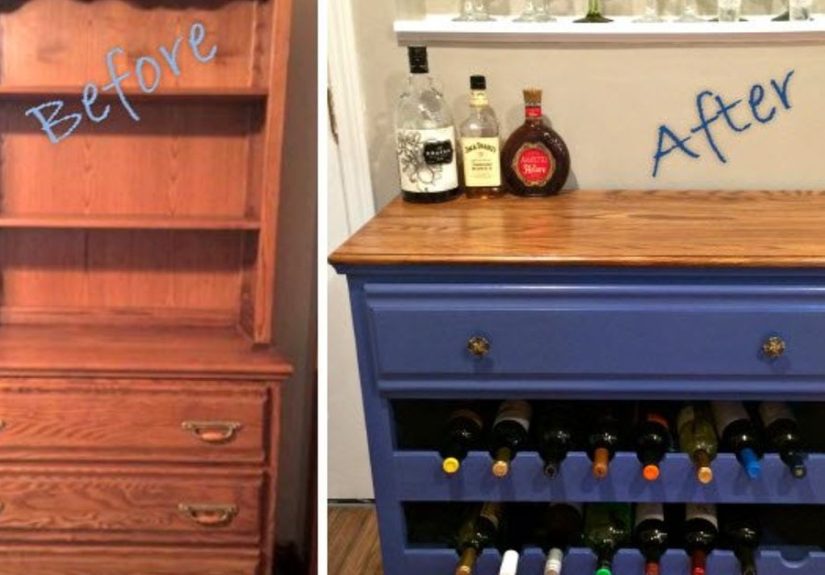
Turning a dresser into a wine bar is one of those projects that changes more than the furniture itself. It changes how a corner of your home feels. Before the makeover, the piece may have looked forgotten, heavy, or simply out of place. Afterward, it becomes a destination. That shift is part of what makes this project so satisfying.
One of the first things people notice after finishing a dresser wine bar is that entertaining becomes easier. Instead of gathering glasses from one cabinet, napkins from a drawer, a corkscrew from somewhere mysterious, and bottles from another room, everything finally lives together. Hosting starts to feel less like a scavenger hunt and more like a confident little ritual. You open the drawer, pull out the opener, reach for a glass, and suddenly you look like the kind of person who absolutely has their life together. Even if your junk drawer says otherwise.
There’s also a real emotional payoff in repurposing a dresser instead of tossing it. Maybe the piece came from a thrift store, a family member, or a random resale listing that smelled faintly like old books and optimism. Once it’s refinished, the dresser feels personal in a way store-bought furniture often doesn’t. Every knob, shelf, color choice, and storage decision says something about how you live. The finished bar doesn’t just fit your room; it reflects your habits and taste.
People also tend to underestimate how much this kind of project improves the flow of a room. A dresser wine bar can make a dining room feel more complete, give an awkward wall a purpose, or turn a dead corner into a conversation zone. During gatherings, guests naturally drift toward it. It becomes a soft focal point without shouting for attention. And because it’s furniture, not a rolling cart or flimsy stand, it feels grounded and substantial.
Of course, the experience isn’t all glamorous pouring and admiring glances. Most DIYers run into at least one surprise. A drawer may stick. The old finish may fight back. The color that looked perfect on a sample card may suddenly read much darker on the piece. Hardware holes may not line up with the cute new pulls you bought with total confidence at 9:14 p.m. These little annoyances are common, and they’re part of the process. The good news is that furniture makeovers reward problem-solving. A filler, a sanding sponge, a shelf adjustment, or a hardware plate can usually rescue the situation.
Another common experience is realizing that less really is more. At first, it’s tempting to display every bottle you own, every glass you own, and every accessory ever invented for entertaining. But once people live with the finished piece, they usually edit it down. The best dresser wine bars feel easy to use. They hold enough to be practical, but not so much that the surface becomes visual chaos.
And then there’s the moment that really sells the whole project: the first time you use it in real life. Maybe it’s a casual Friday night pour, a holiday dinner, or a weekend catch-up with friends. Someone compliments the bar. Someone asks where you bought it. And you get to say, with completely reasonable pride, “It used to be a dresser.” That moment is the reward. Not just because the project looks good, but because it works. It turns an ordinary piece into something memorable, useful, and genuinely fun to live with.
Final Thoughts
If you’ve been wondering how to turn a dresser into a wine bar, the answer is simple: start with a sturdy piece, plan the storage around how you actually entertain, and treat the makeover like both a design project and a function-first upgrade. Clean it, prep it, finish it well, and give every bottle, glass, and tool a real home.
The beauty of this idea is that it scales to your life. It can be elegant or casual, compact or dramatic, painted or stained, wine-focused or cocktail-friendly. Most of all, it proves that good home design isn’t always about buying something new. Sometimes it’s about seeing old furniture with fresh eyes and just enough confidence to pick up a screwdriver.
Note: A dresser wine bar is best for entertaining, serving, and short-term bottle storage. For long-term aging, keep fine wine in a darker, cooler, more temperature-stable environment.