Table of Contents >> Show >> Hide
- What Does a Loose Tooth Mean in Adults?
- Why a Loose Tooth Can Be Painful
- Common Causes of a Loose Tooth in Adults
- Symptoms That Mean You Should See a Dentist Quickly
- How Dentists Figure Out the Cause
- Treatment for a Loose Tooth in Adults
- What You Can Do at Home Until You See a Dentist
- Can a Loose Tooth Tighten Back Up?
- How to Prevent Loose Teeth in Adulthood
- The Real-Life Experience of Having a Loose Tooth as an Adult
- Final Thoughts
A wiggly tooth is adorable when you are eight and waiting for the tooth fairy. It is much less charming when you are an adult trying to enjoy a sandwich and suddenly one molar feels like it has career doubts. A loose permanent tooth is not something to shrug off, even if the pain comes and goes. In adults, tooth mobility often points to a problem with the tissues, bone, or structures that hold the tooth in place.
The good news is that a loose tooth does not always mean you are destined for a gap-toothed selfie era. In many cases, treatment can stabilize the tooth, reduce pain, and protect the rest of your mouth. The key is figuring out why the tooth is loose. Gum disease, injury, grinding, infection, and bite problems can all play a role. Some causes are mild and fixable. Others need prompt treatment before the tooth becomes harder to save.
This guide explains why a loose tooth hurts, what causes it in adults, which treatments dentists may recommend, and when you should stop Googling and call a dental office immediately.
What Does a Loose Tooth Mean in Adults?
Adult teeth are supposed to stay put. They are anchored by the periodontal ligament, gum tissue, and the surrounding jawbone. When one of those support systems becomes damaged or inflamed, the tooth may start to move. Sometimes the looseness is subtle, like a strange shifting feeling when you bite down. Other times it is obvious enough to make you avoid chewing on one side like it just betrayed you personally.
A loose tooth can happen in the front or back of the mouth. It may affect one tooth or several. In adults, dentists usually take this sign seriously because mobility can mean the tooth is losing support. That support may be reduced by gum disease, trauma, bone loss, or repeated stress from clenching and grinding.
Why a Loose Tooth Can Be Painful
Not every loose tooth hurts, but many do. Pain can show up as soreness when biting, tenderness around the gumline, throbbing, pressure, or sensitivity to cold and heat. That discomfort usually comes from one or more of the following problems:
- Inflamed gums: Swollen or infected gum tissue can become tender and bleed easily.
- Stressed supporting tissues: A tooth that moves may irritate the ligament and bone around it.
- Exposed roots: Gum recession can make a tooth feel sensitive and sore.
- Infection inside the tooth: Decay or trauma can affect the pulp and create deeper pain.
- Bite pressure: If a loose tooth is hit over and over during chewing or grinding, it can become more painful.
In plain English, the pain is often your mouth’s way of saying, “Something is wrong here, and I would appreciate some professional attention.”
Common Causes of a Loose Tooth in Adults
1. Gum Disease
Gum disease is one of the most common reasons adults develop loose teeth. It usually starts as gingivitis, which can cause redness, swelling, and bleeding. If it progresses to periodontitis, the infection can damage the bone and connective tissue that support the tooth. As that support weakens, the tooth may begin to shift, flare outward, or loosen.
This process is sneaky because gum disease is not always dramatic in the beginning. Some people notice bleeding when brushing, persistent bad breath, gum recession, or a different feeling when their teeth come together. Others do not realize anything is wrong until a tooth becomes mobile.
2. Trauma or Injury
A fall, sports injury, car accident, or even biting down on something hard at the wrong angle can loosen a tooth. In these cases, the tooth may have been pushed, partially displaced, or jarred in its socket. Trauma-related looseness can come with swelling, pain, and sometimes color changes in the tooth later on.
If your tooth became loose after an injury, treat it like a dental emergency. Fast care improves the chance of saving the tooth and reducing long-term damage.
3. Teeth Grinding and Clenching
Bruxism, which means grinding or clenching your teeth, puts repeated force on the teeth and their supporting tissues. Over time, that pressure can contribute to soreness, cracked enamel, jaw pain, and movement in vulnerable teeth. Night grinders often have no idea they are doing it until a dentist points out the signs or a sleeping partner starts filing complaints.
4. Tooth Decay or Infection
Severe decay can weaken the tooth structure and sometimes lead to infection. An abscess or deep infection can create pain, swelling, tenderness to biting, and instability. When infection spreads into surrounding tissue, the tooth may not feel secure even if the problem started inside the tooth itself.
5. Bite Problems and Occlusal Trauma
Sometimes the issue is not just the tooth but the way your teeth fit together. If one tooth is taking more force than it should, that repeated impact can irritate the support around it. Dentists sometimes call this traumatic occlusion. It may happen because of grinding, shifting teeth, dental work that needs adjustment, or changes caused by gum disease.
6. Smoking and Certain Health Conditions
Smoking increases the risk of gum disease and tooth loss. Conditions such as diabetes can also raise the risk of oral infections and delayed healing. Dry mouth, certain medications, and poor oral hygiene can add fuel to the fire. A loose tooth usually is not caused by just one thing. In many adults, it is the result of several risk factors teaming up like uninvited guests.
Symptoms That Mean You Should See a Dentist Quickly
If you have a loose adult tooth, make a dental appointment soon. But some symptoms mean you should seek care urgently rather than “sometime next week when life calms down.” Those symptoms include:
- Moderate to severe tooth pain
- Swollen gums or facial swelling
- Pus, a bad taste, or signs of infection
- Fever with dental pain
- A tooth that became loose after injury
- Bleeding that does not stop
- Painful chewing or sudden changes in your bite
- A tooth that seems to be getting looser quickly
In short, if the tooth is loose and your mouth is sending up flares, do not wait around for a miracle rinse.
How Dentists Figure Out the Cause
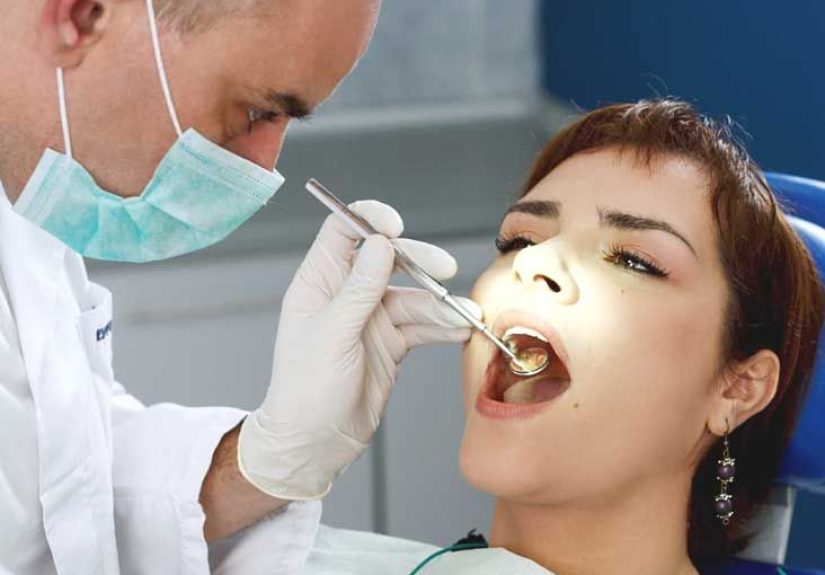
To diagnose a loose tooth, a dentist usually starts with a close exam of the tooth, gums, and bite. They may gently test the amount of movement, look for recession or pockets in the gums, tap on the tooth, and ask about pain, grinding, or recent injury. X-rays are often used to check bone levels, infection, fractures, or other structural issues.
If gum disease is suspected, the dentist may measure the spaces between the tooth and gum, which are called periodontal pockets. Deeper pockets can suggest tissue breakdown. If trauma or nerve damage is possible, the dentist may also evaluate whether the tooth is still healthy on the inside.
Treatment for a Loose Tooth in Adults
The right treatment depends entirely on the cause. The goal may be to save the tooth, reduce pain, stop infection, and prevent further damage.
Treatment for Gum Disease
If gum disease is behind the looseness, treatment may begin with a professional deep cleaning called scaling and root planing. This removes plaque and tartar below the gumline and helps reduce inflammation. In some cases, the dentist may recommend localized antibiotics or other periodontal treatment.
For more advanced disease, you may need periodontal surgery, pocket reduction procedures, or bone and tissue grafting. If the tooth still has a reasonable amount of support, these treatments can sometimes help stabilize it. The earlier you treat gum disease, the better the odds of keeping the tooth.
Treatment for Injury
If trauma caused the tooth to loosen, the dentist may reposition it and stabilize it with a splint. This is a temporary support that helps the tooth heal in a more secure position. Follow-up is important because injured teeth can later develop nerve damage, discoloration, or infection. Some teeth eventually need root canal treatment even if they looked okay at first.
Treatment for Grinding or Clenching
If bruxism is part of the problem, your dentist may recommend a night guard to reduce pressure on the teeth. They may also adjust the bite if one area is taking too much force. Stress management, sleep evaluation, and behavior changes can also help, especially if you clench during the day without noticing.
Treatment for Decay, Cracks, or Infection
If the tooth is loose because of damage or infection, treatment may involve a filling, crown, root canal, or drainage of an abscess. A root canal can help save a tooth whose pulp has been badly inflamed or infected. If the tooth is too damaged to restore, extraction may be the best option.
When Extraction Is Necessary
Sometimes a tooth cannot be saved, especially if there is severe bone loss, a major fracture, or extensive infection. In that case, the dentist may recommend removing it and discussing replacement options such as a dental implant, bridge, or partial denture. Losing a tooth is never anyone’s dream scenario, but replacing it can help restore chewing, appearance, and bite stability.
What You Can Do at Home Until You See a Dentist
Home care cannot fix a loose adult tooth, but it can help prevent extra irritation while you wait for treatment.
- Avoid wiggling the tooth, even if curiosity is winning the argument.
- Chew on the opposite side of your mouth.
- Stick with softer foods for a day or two if chewing hurts.
- Brush gently but thoroughly with a soft-bristled toothbrush.
- Floss carefully unless the area is extremely painful or your dentist told you otherwise.
- Rinse with warm salt water if your gums feel irritated.
- Use over-the-counter pain relief as directed on the label, if appropriate for you.
- Call a dentist promptly, especially if the tooth became loose after trauma.
What should you not do? Do not ignore it, do not keep testing how loose it is, and do not assume it will “tighten back up” on its own without understanding the cause.
Can a Loose Tooth Tighten Back Up?
Sometimes, yes. If the looseness is mild and the cause is treated quickly, the tooth may become more stable. This is more likely when the issue is temporary inflammation, minor trauma, or early-stage support loss that has not gone too far. But if the bone and supporting tissue are badly damaged, the tooth may not fully recover.
That is why timing matters. A loose tooth is much easier to manage when the problem is caught early rather than after months of bleeding gums, worsening pain, and a heroic level of denial.
How to Prevent Loose Teeth in Adulthood
Not every case can be prevented, but many can. The basics are not glamorous, yet they work:
- Brush twice a day with fluoride toothpaste.
- Clean between your teeth daily with floss or another dental aid.
- Get regular dental checkups and professional cleanings.
- Do not smoke or use tobacco.
- Manage conditions like diabetes with your healthcare team.
- Wear a mouthguard for sports if you are active.
- Ask about a night guard if you grind or clench.
- Do not ignore bleeding gums, gum recession, or changes in your bite.
Prevention is not flashy, but it is cheaper than emergency dentistry and less dramatic than having your tooth audition for a solo exit.
The Real-Life Experience of Having a Loose Tooth as an Adult
Adults dealing with a loose tooth often describe the experience as more stressful than painful at first. The first clue is not always a sharp ache. Sometimes it is a weird, unsettling sensation while chewing, like one tooth is moving a fraction of a second later than the rest. That small shift can make people hyperaware of every bite. Suddenly, crunchy bread feels dangerous, apples look suspicious, and even a casual salad becomes a trust exercise.
Many people say the anxiety ramps up at night. During the day, work, errands, and life keep the worry in the background. But once things quiet down, the tongue keeps checking the tooth over and over. Is it looser than this morning? Is that gum swelling? Was that a crack or just my imagination? It becomes a mental loop, and it is surprisingly common for adults to feel embarrassed, even though loose teeth are often related to common conditions like gum disease, grinding, or untreated dental work.
There is also the frustration factor. Some adults do everything they think they are supposed to do. They brush, they rinse, they show up for most dental visits, and still something feels off. Others admit the opposite: they ignored bleeding gums for months because there was no real pain, only to discover that “no real pain” was not the same as “no real problem.” A loose tooth has a way of making people suddenly interested in gum health with the passion of a last-minute exam crammer.
Pain varies a lot. For some, it is a dull soreness when they bite into something firm. For others, it is a sharp zing with hot coffee or ice water. If infection is involved, the discomfort can become throbbing and exhausting. But even when the pain is mild, the emotional discomfort can be huge. Adults worry about losing the tooth, paying for treatment, looking older, sounding different when they speak, or needing an implant. That fear is real, and dentists hear it all the time.
On the treatment side, people often report relief once they finally get answers. A deep cleaning, bite adjustment, splint, night guard, or root canal may not sound fun, but uncertainty is usually worse. Many patients say the biggest turning point was learning that the tooth could sometimes be saved if they acted quickly. Even when extraction was necessary, having a clear plan made the situation feel more manageable.
Another common experience is realizing how connected oral health is to everyday life. Eating changes. Sleep changes. Mood changes. Some people start chewing on one side for weeks and then develop jaw soreness. Others avoid smiling because they are self-conscious about the way the tooth looks. A loose tooth is rarely just a tooth problem. It can affect confidence, comfort, nutrition, and peace of mind.
The most reassuring takeaway from real-world experiences is this: many adults wait too long out of fear, but prompt dental care usually makes things simpler, not scarier. The appointment may confirm gum disease, grinding, trauma, or infection, but it also starts the fix. And once treatment begins, most people wish they had gone in sooner instead of spending three days conducting private negotiations with a molar.
Final Thoughts
A loose permanent tooth in an adult is never something to ignore. Whether the cause is gum disease, trauma, grinding, decay, or infection, the sooner you get it checked, the better your chances of protecting the tooth and avoiding more complex treatment. Pain, swelling, bleeding, and bite changes are all signs that your mouth needs attention, not a pep talk.
If your tooth feels loose, do the smart thing: be gentle with it, call a dentist, and get the cause identified. Your future self, your jaw, and your lunch plans will all appreciate it.
Disclaimer: This article is for educational purposes only and is not a substitute for medical or dental diagnosis or treatment.