Table of Contents >> Show >> Hide
- What Is Nose Acne?
- Why Acne Often Appears on the Nose
- Nose Acne vs. Rosacea: Why the Difference Matters
- What About a Pimple Inside the Nose?
- Best Treatments for Nose Acne
- Home Remedies That May Help
- Remedies to Avoid
- A Simple Nose Acne Skin Care Routine
- How to Prevent Nose Acne
- Can Diet Affect Nose Acne?
- When to See a Dermatologist or Doctor
- Experiences and Practical Lessons From Dealing With Nose Acne
- Conclusion
Nose acne has a special talent for arriving at the exact wrong moment: before a meeting, a date, a passport photo, or the one day you decide to skip concealer and “let your skin breathe.” The nose is front and center, literally, so even a tiny bump can feel like it has rented billboard space on your face.
The good news? Most nose acne is common, manageable, and not a sign that your skin has personally betrayed you. The tricky part is that not every red bump on or inside the nose is regular acne. Some bumps are blackheads, some are inflamed pimples, some are rosacea-related, and some are small infections inside the nostril that should not be treated like a normal zit.
This guide explains what causes nose acne, how to treat it safely, which home remedies are worth trying, what to avoid, and when it is time to call a dermatologist or healthcare provider.
What Is Nose Acne?
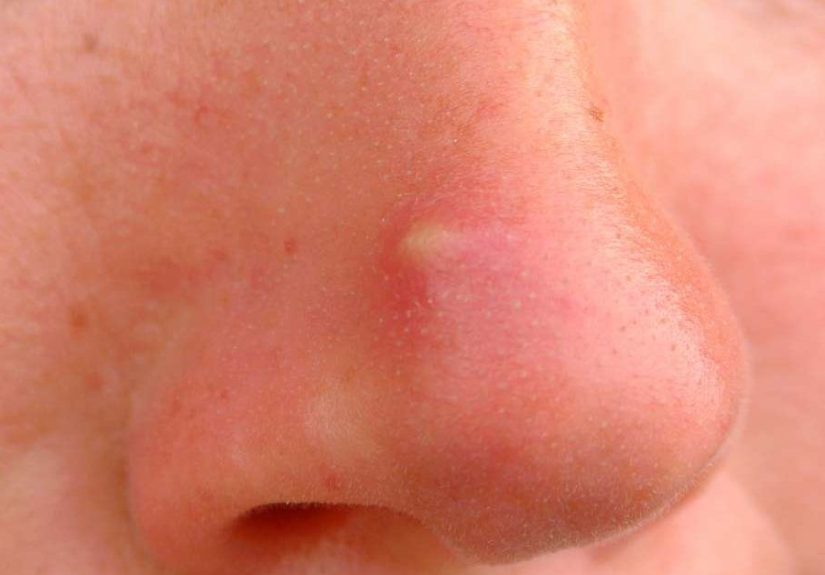
Nose acne refers to pimples, blackheads, whiteheads, clogged pores, or inflamed bumps that appear on the nose or around the nostrils. It usually happens when pores become clogged with excess oil, dead skin cells, and sometimes acne-related bacteria. Because the nose often has more active oil glands than other parts of the face, it can be a popular vacation spot for clogged pores.
Common forms of nose acne include:
- Blackheads: Open clogged pores that look dark because the trapped material oxidizes when exposed to air.
- Whiteheads: Closed clogged pores that appear as small, flesh-colored or white bumps.
- Papules: Small red or inflamed bumps without visible pus.
- Pustules: Inflamed pimples with a white or yellow center.
- Nodules or cysts: Deeper, painful bumps under the skin that may need medical treatment.
One important note: tiny dots on the nose are not always blackheads. Many people have sebaceous filaments, which are normal structures that help oil move through the pore. They can look like gray or tan dots, especially on the nose. Unlike blackheads, they tend to refill even after extraction. Annoying? Yes. Dangerous? No. Your nose is not dirty; it is just doing nose things.
Why Acne Often Appears on the Nose
The nose is part of the T-zone, the area that includes the forehead, nose, and chin. This zone often produces more sebum, the natural oil that helps protect the skin. When oil mixes with dead skin cells and gets trapped inside a pore, acne can form.
1. Excess Oil Production
Oil is not the enemy. Skin needs it. But when the nose produces more oil than the pores can comfortably handle, clogs become more likely. Hormonal changes, genetics, heat, humidity, stress, and certain products can all influence oil production.
2. Dead Skin Cell Buildup
Skin naturally sheds dead cells. Sometimes those cells do not shed evenly and instead collect inside pores. Add oil to the mix, and the pore can become blocked. This is how many blackheads and whiteheads begin.
3. Acne-Related Bacteria and Inflammation
When a clogged pore becomes inflamed, a simple plug can turn into a red, sore bump. Bacteria that normally live on the skin may contribute to inflammation, especially in deeper or more irritated pimples.
4. Skin Care and Makeup Products
Heavy creams, oily sunscreens, thick makeup, and pore-clogging products may worsen nose acne. Look for labels such as “non-comedogenic,” “oil-free,” or “won’t clog pores.” These labels are not magic spells, but they are a good start.
5. Touching, Picking, and Squeezing
Hands carry oil, bacteria, and whatever mysterious substances live on keyboards, phones, and steering wheels. Touching the nose often can irritate the skin and transfer debris. Picking or squeezing pimples can push inflammation deeper, increasing the risk of swelling, infection, dark spots, and scarring.
6. Sweat, Masks, Glasses, and Friction
Sweat and friction can irritate acne-prone skin. Face masks, sunglasses, eyeglasses, sports gear, and even wiping your nose repeatedly during allergy season can contribute to breakouts around the bridge, sides, or base of the nose.
7. Hormonal Changes
Hormonal shifts can increase oil production. This is common during puberty, menstrual cycles, pregnancy, perimenopause, and periods of high stress. Adult acne can appear on many areas of the face, including the nose.
Nose Acne vs. Rosacea: Why the Difference Matters
Sometimes acne-like bumps on the nose are not acne at all. Rosacea is a chronic inflammatory skin condition that often affects the central face, including the nose and cheeks. It may cause redness, flushing, visible blood vessels, burning, stinging, and acne-like bumps.
Rosacea bumps can be mistaken for pimples, but the treatment is different. Regular acne products, especially strong scrubs or harsh benzoyl peroxide formulas, may irritate rosacea-prone skin. Rosacea may need prescription creams, oral medication, laser treatment, trigger management, and gentle skin care.
Consider rosacea if your “nose acne” comes with frequent flushing, persistent redness, sensitivity, visible tiny blood vessels, or bumps that flare after sun exposure, spicy foods, alcohol, hot drinks, heat, or stress. If the nose becomes thickened or bumpy over time, see a dermatologist. That can be a rosacea-related condition called rhinophyma.
What About a Pimple Inside the Nose?
A bump inside the nostril deserves extra caution. The inside of the nose has delicate tissue and small hairs. A painful bump may be an ingrown hair, irritation, or a bacterial infection called nasal vestibulitis. Symptoms can include tenderness, redness, swelling, crusting, bleeding, itching, or a pimple-like sore inside the nostril.
Do not put typical acne products inside your nose. Ingredients such as benzoyl peroxide, salicylic acid, and retinoids can irritate or burn delicate nasal tissue. Do not pop a bump inside the nose, either. If pain, swelling, crusting, pus, fever, spreading redness, or recurring sores occur, contact a healthcare provider. Some nasal infections need prescription antibiotic ointment or oral antibiotics.
Best Treatments for Nose Acne
The best treatment depends on the type of acne, your skin sensitivity, and whether the bump is on the outside of the nose or inside the nostril. Start gently. Your skin is not a dirty pan; it does not need steel wool energy.
1. Use a Gentle Cleanser Twice Daily
Wash your face in the morning and at night with a mild cleanser. Cleansing helps remove excess oil, sweat, sunscreen, and makeup. Avoid harsh soaps, rough scrubs, and aggressive cleansing brushes. Overwashing can irritate the skin and make breakouts look angrier.
2. Try Salicylic Acid for Blackheads and Clogged Pores
Salicylic acid is a beta hydroxy acid that can help loosen dead skin cells and clear clogged pores. It is often useful for blackheads, whiteheads, and oily areas such as the nose. Start with a low-strength cleanser or leave-on product a few times per week, then increase slowly if your skin tolerates it.
3. Use Benzoyl Peroxide for Inflamed Pimples
Benzoyl peroxide helps reduce acne-related bacteria and inflammation. It can be helpful for red pimples and pustules. Use a thin layer on acne-prone areas, not just a single spot, unless your skin is very sensitive. Begin with a lower strength to reduce dryness. Also, benzoyl peroxide can bleach towels, pillowcases, and shirts, because apparently acne treatment also enjoys redecorating your laundry.
4. Consider Adapalene or Other Retinoids
Adapalene is an over-the-counter topical retinoid that can help prevent clogged pores and improve mild to moderate acne over time. Retinoids are especially useful for recurring blackheads and whiteheads. Apply a pea-sized amount to the acne-prone area at night, avoid the corners of the nose and eyes, and use moisturizer to reduce dryness.
5. Moisturize, Even If Your Nose Is Oily
Skipping moisturizer can backfire. Dry, irritated skin may become more inflamed and uncomfortable. Choose a lightweight, non-comedogenic moisturizer. If acne treatments make your skin flaky, apply moisturizer before or after treatment depending on your tolerance.
6. Wear Sunscreen Daily
Sun exposure can worsen dark spots after acne and irritate sensitive skin. Some acne treatments, especially retinoids, can make skin more sun-sensitive. Use a broad-spectrum SPF 30 or higher. Gel, fluid, or oil-free formulas often work well for acne-prone skin.
7. Ask About Prescription Treatments
If nose acne is painful, persistent, cystic, scarring, or not improving after consistent over-the-counter care, a dermatologist can help. Prescription options may include topical antibiotics combined with benzoyl peroxide, stronger retinoids, azelaic acid, oral antibiotics, hormonal therapies, or isotretinoin for severe acne.
Home Remedies That May Help
Home remedies can support healing, but they should be gentle and realistic. A kitchen is not a dermatology clinic, even if your turmeric mask has ambition.
Warm Compress
For a sore pimple on the outside of the nose, apply a clean warm compress for 10 to 15 minutes. This may reduce discomfort and help the bump settle. Use warm, not hot, water.
Hydrocolloid Patches
Hydrocolloid pimple patches can protect a whitehead or healing pimple from picking. They work best on surface-level pimples, not deep cysts or blackheads. Do not place them inside the nostril.
Gentle Clay Mask
A clay mask may temporarily absorb oil on the nose. Use it once weekly or less if your skin is sensitive. Do not let it dry to the point that your face feels like a cracked desert floor.
Ice for Swelling
For a red, swollen pimple, wrap ice in a soft cloth and apply briefly for a few minutes at a time. Never put ice directly on the skin for long periods.
Saline Rinse for Inside-the-Nose Irritation
If the irritation is inside the nostril, a sterile saline spray or rinse may help keep the area clean and comfortable. Avoid inserting acne creams, essential oils, toothpaste, lemon juice, or alcohol inside the nose.
Remedies to Avoid
Some popular “quick fixes” can make nose acne worse. Avoid these:
- Toothpaste: It can irritate and dry the skin without treating acne properly.
- Lemon juice: It is acidic and can cause irritation or discoloration.
- Baking soda scrubs: Too harsh for facial skin and may damage the skin barrier.
- Rubbing alcohol: It strips the skin and may trigger more irritation.
- Picking or squeezing: This increases the risk of scars, infection, and longer healing time.
- Essential oils: Many can irritate skin, especially around the nose and nostrils.
A Simple Nose Acne Skin Care Routine
Morning Routine
- Wash with a gentle cleanser.
- Apply a lightweight moisturizer.
- Use a non-comedogenic sunscreen with SPF 30 or higher.
- If needed, use oil-free makeup labeled non-comedogenic.
Evening Routine
- Remove makeup and sunscreen completely.
- Cleanse gently.
- Apply salicylic acid, benzoyl peroxide, or adapalene depending on your acne type.
- Moisturize to protect the skin barrier.
Do not start every active ingredient at once. That is how faces file formal complaints. Introduce one product at a time and give it several weeks to work. Acne improvement usually takes patience, consistency, and a small emotional support moisturizer.
How to Prevent Nose Acne
Prevention is about reducing clogs and irritation without bullying your skin. These habits can help:
- Wash your face twice daily and after heavy sweating.
- Use non-comedogenic sunscreen, moisturizer, and makeup.
- Clean eyeglass frames and sunglasses regularly.
- Change pillowcases often, especially if you use hair products.
- Avoid touching or picking your nose and face.
- Remove makeup before bed, even when your bed is calling dramatically.
- Keep hair oils and heavy styling products away from the face.
- Use acne treatments consistently instead of switching products every few days.
Can Diet Affect Nose Acne?
Diet does not affect everyone’s acne the same way. Greasy food and chocolate are often blamed, but they are not proven universal acne villains. Some research suggests that high-glycemic foods, such as sugary snacks, white bread, chips, and sweet drinks, may worsen acne in some people. Cow’s milk may also be linked with breakouts for certain individuals, although the relationship is not the same for everyone.
If you suspect a food trigger, try tracking your skin and diet for several weeks. Avoid extreme restrictions unless advised by a healthcare professional. A balanced diet with vegetables, fruit, whole grains, lean protein, and healthy fats supports overall health, and your skin is invited to that party.
When to See a Dermatologist or Doctor
Most mild nose acne can be managed at home. However, professional help is smart if you notice:
- Deep, painful, or recurring cyst-like bumps
- Acne that leaves scars or dark spots
- Breakouts that do not improve after 8 to 12 weeks of consistent treatment
- Severe redness, flushing, or visible blood vessels that suggest rosacea
- A painful bump inside the nose with crusting, bleeding, pus, or swelling
- Fever, spreading redness, or swelling around the nose or eyes
- Sudden severe irritation after using an acne product
Seek urgent care if you have trouble breathing, throat tightness, faintness, or swelling of the lips, tongue, eyes, or face after using an acne product. Rare allergic reactions can happen with over-the-counter treatments.
Experiences and Practical Lessons From Dealing With Nose Acne
Anyone who has dealt with nose acne knows it feels different from a pimple tucked quietly along the jawline. Nose acne walks into the room before you do. It catches light, casts shadows, and somehow becomes the main character in every mirror. The emotional side is real, even when the breakout is medically minor.
One common experience is the “blackhead panic.” You look closely in the mirror, see tiny dots across the nose, and immediately assume every pore is clogged beyond hope. Many people then reach for pore strips, squeezing tools, harsh scrubs, or three exfoliating products at once. The result is often a red, shiny, irritated nose that still has dots. The lesson: not every dot is a blackhead. Some are normal sebaceous filaments, and the goal is management, not total pore disappearance.
Another familiar story is the deep, sore nose pimple that feels as if it has its own heartbeat. These painful bumps tempt people to squeeze, but squeezing the nose often makes swelling worse. A better approach is boring but effective: warm compresses, hands off, gentle cleansing, and a targeted acne treatment on the outside of the nose. Boring skin care is underrated. It does not make dramatic TikTok content, but it often works better than declaring war on your face.
People who wear glasses often notice breakouts where the frames sit. Oil, sweat, sunscreen, and bacteria can collect on nose pads. Cleaning glasses daily can make a surprising difference. The same goes for masks, motorcycle helmets, sports goggles, and anything that rubs the nose. Acne is not always about what you put on your skin; sometimes it is about what keeps pressing against it.
Another lesson is that acne treatment needs time. Many people use salicylic acid on Monday, benzoyl peroxide on Tuesday, a scrub on Wednesday, and a clay mask on Thursday, then wonder why their nose is irritated by Friday. Skin likes consistency. Choose one main treatment, use it as directed, moisturize, and wait several weeks before judging results.
Finally, nose acne teaches humility. You can do almost everything right and still get a breakout because hormones, weather, stress, and genetics enjoy participating without permission. The goal is not perfect skin every day. The goal is calmer skin, fewer painful bumps, less picking, and knowing when a spot is something more than acne. Treat your nose like a sensitive neighborhood, not a construction site, and it usually behaves better.
Conclusion
Nose acne is common, visible, and occasionally dramatic, but it is usually treatable with the right routine. The most common causes include excess oil, clogged pores, dead skin cell buildup, inflammation, irritating products, friction, and hormonal changes. Salicylic acid may help blackheads and clogged pores, benzoyl peroxide may help inflamed pimples, and adapalene can help prevent future breakouts. Gentle cleansing, moisturizing, sunscreen, and patience are just as important as active ingredients.
The biggest rule is simple: do not attack your nose. Avoid picking, squeezing, harsh scrubs, toothpaste, lemon juice, and acne products inside the nostrils. If bumps are painful, persistent, scarring, inside the nose, or linked with redness and flushing, see a healthcare professional. Clearer skin is not about punishing your pores; it is about understanding what they need and giving them fewer reasons to throw a tiny rebellion.