Table of Contents >> Show >> Hide
- What’s the Trend, Exactly?
- Why This “Scary Dog Muzzle” Looks So Intense
- Costume Muzzle vs. Safety Muzzle: The Difference Matters
- The Most Humane Option for Real-World Use: Basket-Style Muzzles
- How to Muzzle Train Without Turning It Into a Drama Series
- When You Shouldn’t Use a Muzzle (Even If the Internet Is Yelling “Just Muzzle Him!”)
- So… Is the Viral “Scary Dog Muzzle From Amazon” Safe?
- How to Get the “Scary Teeth” Photo Without Stressing Your Dog Out
- FAQ: The Questions People Ask After the Laugh
- Final Thoughts: The Internet Made It FunnyBut the Lesson Is Useful
- Experiences From Dog Owners: The Funny, the Practical, and the Surprisingly Wholesome (Extra 500+ Words)
The internet has a special talent for turning perfectly normal pets into unexpected characters. One day your dog is a sweet, sleepy couch nugget. The next daythanks to a “scary dog muzzle from Amazon”they look like a tiny movie monster who just got cast as the villain in a Halloween commercial.
That contrast is exactly why this trend keeps popping up: people put the creepy-looking muzzle on their very non-creepy dogs, snap a photo, and share the results for maximum “I swear he’s friendly” comedy. But beneath the laughs is a genuinely useful conversation about muzzles, safety, and how to use them in a way that’s humane (and doesn’t turn your dog’s face into an itchy regret).
What’s the Trend, Exactly?
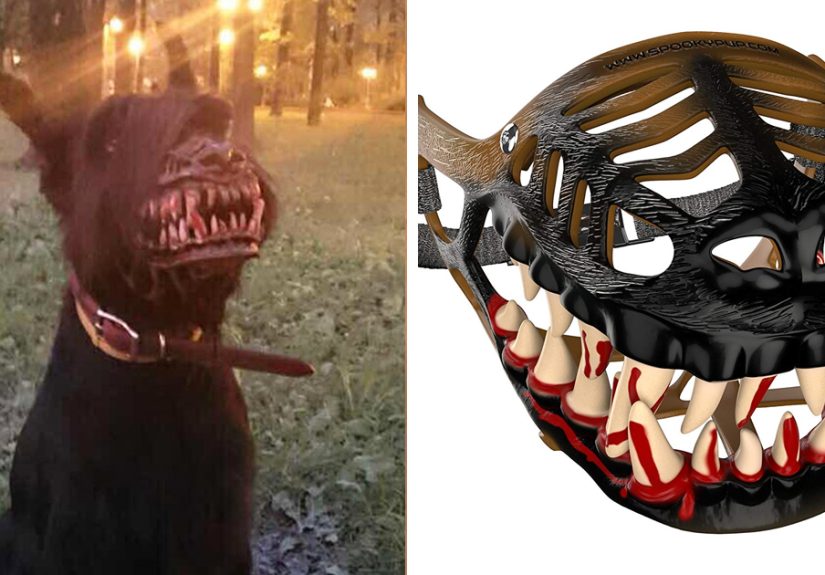
The posts usually follow a familiar script: a dog owner buys a novelty “werewolf” or “scary teeth” muzzle on Amazonoften marketed as a costume accessoryand tries it on their dog for a photo. The muzzle typically has exaggerated teeth and a snarling mouth design. From the front, it can look shockingly realistic. From the side, it looks like your Labrador is wearing a spooky prop from a haunted house.
The funniest part is rarely the muzzle itselfit’s the dog’s expression. Many dogs have that calm, slightly confused face that says, “I don’t know why we’re doing this, but I support your hobbies.” Put scary teeth on that expression and you get instant viral energy.
Why This “Scary Dog Muzzle” Looks So Intense
Most of these Amazon “scary dog muzzle” listings rely on a simple trick: the shape and color of fake canine teeth (plus shadowing around the mouth) create a 3D illusion that photographs well. In bright indoor lighting or direct sunlight, the teeth pop and the muzzle looks dramatic. In dim lighting, it can look downright nightmare-ishlike your dog just discovered tax season and decided to bite back.
That photo-ready design is why people keep sharing results: it’s an easy “before/after.” Before: your dog looks like a cinnamon roll. After: your cinnamon roll looks like it’s guarding a medieval castle.
Costume Muzzle vs. Safety Muzzle: The Difference Matters
Here’s the not-so-funny (but very important) part: not every muzzle is made for the same job. A novelty “scary dog muzzle from Amazon” is often designed mainly for looksHalloween photos, themed parties, quick videos. A true safety muzzle is designed for function and welfare, helping prevent bites while still allowing normal breathing, panting, and (ideally) drinking and taking treats.
If you only remember one thing: a muzzle should not be a punishment. It’s not a “shut your mouth” gadget to fix barking, chewing, or other long-term behavior issues. Used incorrectly, it can increase stress and make problems worse. Used correctly, it’s a toollike a seatbelt: not glamorous, but protective.
The Most Humane Option for Real-World Use: Basket-Style Muzzles
When people talk about responsible muzzle use, they’re often talking about basket muzzles. Basket designs create space around the mouth so a dog can pant to cool down, open their mouth, and accept small treats during training. Many reputable shelters, trainers, and veterinary sources prefer basket-style muzzles for walks and longer wear times because they support safer breathing and better comfort.
Soft “sleeve” muzzles (often nylon, mesh, or fabric that holds the mouth closed) can have a place in very short, closely supervised situationslike a brief nail trim or vet procedurebut they’re typically not meant for extended wear. Dogs cool themselves primarily through panting; restricting panting for too long, especially in warm weather, can be risky.
A Quick Fit Checklist (Yes, This Is the Unsexy Part That Saves the Day)
- Room to pant: your dog should be able to open their mouth enough to pant comfortably.
- No eye interference: the muzzle shouldn’t ride up into the eyes or block vision.
- No nose rubbing: watch for red marks on the bridge of the nose after even short wear.
- Secure but not tight: snug enough that it won’t slip off, loose enough to avoid pressure points.
- Supervised only: don’t leave a muzzled dog unattendedpaws are powerful and panic is real.
How to Muzzle Train Without Turning It Into a Drama Series
Muzzle training works best when it’s basically a snack-powered trust exercise. The goal isn’t “my dog tolerates this.” The goal is “my dog thinks this thing predicts excellent treats and fun outings.”
A Simple, Positive Step-by-Step Plan
- Let your dog investigate the muzzle. Put it on the floor. Reward curiosity. If your dog side-eyes it like it’s hauntedtotally normal.
- Make it a treat bowl. Smear a little peanut butter or soft treat inside (only dog-safe amounts) so your dog voluntarily puts their nose in.
- Build duration slowly. One second becomes three, then five, then tenalways calm, always rewarded.
- Add the strap like it’s no big deal. Touch the strap, treat. Hold it behind the head, treat. Fasten briefly, treat.
- Practice in real life. Short sessions before walks can help your dog connect the muzzle with something they love: going outside.
If your dog paws at it, freezes, or tries to back away, that’s not “stubbornness.” That’s information. Go back a step, make it easier, and pay in snacks. Training should feel like you’re building confidence, not winning an argument.
When You Shouldn’t Use a Muzzle (Even If the Internet Is Yelling “Just Muzzle Him!”)
Muzzles can be helpful, but they’re not magic and they’re not a replacement for training or professional support. Avoid using a muzzle as a long-term solution for chronic behavior problems without addressing the cause (fear, pain, anxiety, reactivity, lack of socialization).
- Don’t use it to stop barking or to “teach a lesson.”
- Don’t use tight, mouth-closing styles for long periods or in heat.
- Don’t rely on a novelty costume muzzle as bite-prevention gearespecially if it limits panting or comfort.
- Don’t muzzle and forget. Supervision matters, always.
So… Is the Viral “Scary Dog Muzzle From Amazon” Safe?
“Safe” depends on the specific product design, fit, materials, and how you use it. Many scary costume muzzles are best treated like a prop: short wear, supervised, and only if your dog is comfortable. If the muzzle restricts panting, rubs the nose, irritates the skin, or triggers stress, it’s not worth the joke.
If your goal is a real-world safety tool (for vet visits, grooming, reactive dog training, or scavenging prevention on walks), consider a properly fitted basket muzzle designed for that purposethen condition your dog to love it through positive reinforcement.
How to Get the “Scary Teeth” Photo Without Stressing Your Dog Out
If you’re doing this trend for laughs, you can still do it respectfully. Your dog doesn’t need to “endure” a costume for content. The best posts tend to come from owners who keep it brief and upbeatmore “funny moment” than “staged production.”
Tips for a Better (and Kinder) Photo
- Do a quick comfort test first: let your dog sniff it, reward, and stop if they look uncomfortable.
- Keep it short: think seconds, not minutes, especially if it’s a costume-style muzzle.
- Pair it with treats: the fastest way to turn “weird thing” into “okay thing” is snacks.
- Avoid hot environments: costume muzzles can trap heat depending on material and fit.
- Watch body language: whale eye, tucked tail, freezing, repeated pawing, lip licking, and trying to flee are “please stop” signals.
Pro tip: the funniest photos often happen when you don’t fight your dog for the “perfect shot.” One mildly crooked, “why are you like this?” expression is worth a thousand overly-directed takes.
FAQ: The Questions People Ask After the Laugh
Does a muzzle mean a dog is aggressive?
Not necessarily. Many dogs wear muzzles to prevent scavenging dangerous stuff on walks, to safely manage fear at the vet, or during training while building skills. A muzzle can be a sign of a responsible owner, not a “bad dog.”
Can dogs drink water while wearing a muzzle?
Many basket muzzles allow drinking; many soft, mouth-closing muzzles do not. If you need a dog to wear a muzzle for more than a brief moment, prioritize designs that support panting and, ideally, drinking.
Is it okay to use a muzzle for grooming?
Sometimes, yesespecially for short, supervised procedures when safety is a concern. The best approach is to pair equipment with training, go at your dog’s pace, and work with a groomer or vet team that uses low-stress handling.
Final Thoughts: The Internet Made It FunnyBut the Lesson Is Useful
The “People are sharing what their dogs look like with this scary dog muzzle from Amazon” trend is hilarious because it flips expectations: the world’s sweetest dog suddenly looks like a creature feature extra. But it also reminds us of something bigger: muzzles are tools, and tools work best when they’re chosen thoughtfully and introduced kindly.
If you want the laughs, keep it short and comfortable. If you want real-world safety, invest in a humane design, get the fit right, and do the training. Your dog doesn’t need to become a werewolf to be safethey just need you to set them up to succeed.
Experiences From Dog Owners: The Funny, the Practical, and the Surprisingly Wholesome (Extra 500+ Words)
When people talk about the scary muzzle trend, the comments section is basically a digital dog parkeveryone shows up with a story, a photo, and at least one friend yelling, “I WOULD DIE FOR HIM.” A lot of owners say they bought the scary teeth muzzle thinking it would be a quick Halloween gag, then discovered their dog had very strong opinions about becoming a monster.
One common theme: the gentlest dogs look the funniest. Owners describe Goldens and Labs staring into the camera with their usual “I love you” softness while the muzzle screams “I guard the gates of doom.” The contrast gets people every time. Several owners say their dogs didn’t even flinchbecause these are the same dogs who tolerate sweaters, birthday hats, and the emotional turbulence of watching a human open cheese.
Another theme: the drama kings and queens. Some dogs respond the second the muzzle touches their face as if they’ve been cast in a tragic opera. Owners report a slow, dramatic flop onto the carpet, complete with a sigh that somehow communicates, “This is my life now.” In those cases, many people said they ditched the idea and switched to a less intrusive costume accessorylike a bandana or a silly collarbecause the joke isn’t worth stressing a dog out. The best “experience” posts actually come with a little learning moment: if your dog hates it, don’t force it.
Then there are the owners who accidentally stumbled into something more useful. A few people say the viral posts led them to research real muzzle training, especially if they had a reactive dog, a nervous rescue, or a pup who treats sidewalks like an all-you-can-eat buffet. They realized a muzzle doesn’t have to be scary (even if the teeth are). It can be a safety plan: helping a dog feel less pressured in public because everyone gives them space, or preventing a bite in a high-stress situation while training progresses. Several owners describe the “aha” moment of turning the muzzle into a treat gameteaching their dog that the muzzle predicts good things, not scary things.
A more practical set of experiences comes from people who tried the costume-style muzzle and noticed comfort issues: rubbing on the nose bridge, straps that slid, or materials that felt warm. Those owners often advise others to keep wear time extremely short, watch for panting, and never use a novelty muzzle as a substitute for properly designed safety equipment. Some even say they used the trend as a reminder to measure their dog’s snout and invest in a basket muzzle that fit correctly, because “the internet joke” made them realize they should be prepared for vet visits, emergencies, or unpredictable encounters.
The sweetest stories come from owners who used the trend for a quick laugh and then immediately followed it with something positive: a treat scatter in the yard, a favorite toy, or a walk. They describe it as a tiny trust ritual“We did your silly human thing for ten seconds, and then we did your dog thing for ten minutes.” If you’re going to join the trend, that’s the energy to copy: brief, kind, supervised, and followed by something that makes your dog’s tail say, “Okay, you’re weird, but you’re my weird.”