Table of Contents >> Show >> Hide
- The Comment That Wouldn’t Die
- What Mackey Got Right
- Where the Story Gets More Nuanced
- The Sustainability Argument Is Still Strong
- Why Sales Cooled After the Hype
- How to Shop Smart for Plant-Based Meat Alternatives
- So, Was the Whole Foods CEO Right?
- Real-World Experiences With Plant-Based Meat Alternatives
Plant-based meat alternatives have a talent for starting arguments at dinner parties. One person calls them the future, another calls them chemistry homework, and someone in the corner quietly wonders whether black beans are offended by the whole conversation. That tension is exactly why the topic exploded when former Whole Foods CEO John Mackey criticized popular plant-based meats for being highly processed. His point landed because it poked a hole in a very modern assumption: if it says plant-based, it must be healthy enough to wear a halo.
Here is the more useful truth. Plant-based meat alternatives are not nutritional saints, but they are not villains either. They sit in a complicated middle ground between whole-food plant eating and conventional meat. Some products can help people reduce red meat, lower saturated fat intake, and add fiber. Others are pricey, salty, engineered to the moon and back, and better suited for the occasional burger craving than for daily breakfast, lunch, and dinner. In other words, this is less a fairy tale and more a grocery aisle plot twist.
If you are searching for a simple verdict, this article offers a better question instead: better than what? Better than a greasy fast-food burger? Often, yes. Better than a bowl of lentils, roasted vegetables, and brown rice? Usually, no. That distinction matters, and it is the key to understanding both Mackey’s criticism and the real future of meat alternatives.
The Comment That Wouldn’t Die
The phrase “Whole Foods CEO” still gets attached to this debate because John Mackey’s remarks were memorable, blunt, and perfectly designed for the internet. He argued that many plant-based meats were good for the environment, but not necessarily good for your health. That was not an anti-plant statement. It was an anti-health-halo statement. He was essentially saying: do not confuse a lab-engineered imitation burger with a plate full of actual whole plants.
There is an important timeline detail here. Mackey is the former Whole Foods CEO, and Whole Foods is now led by Jason Buechel. But Mackey’s old comments still matter because they framed a debate that consumers, dietitians, researchers, and manufacturers are still having today: should plant-based meat be judged as a replacement for beef, or as a replacement for whole foods? Those are not the same contest, and the winner changes depending on which ring you choose.
What Mackey Got Right
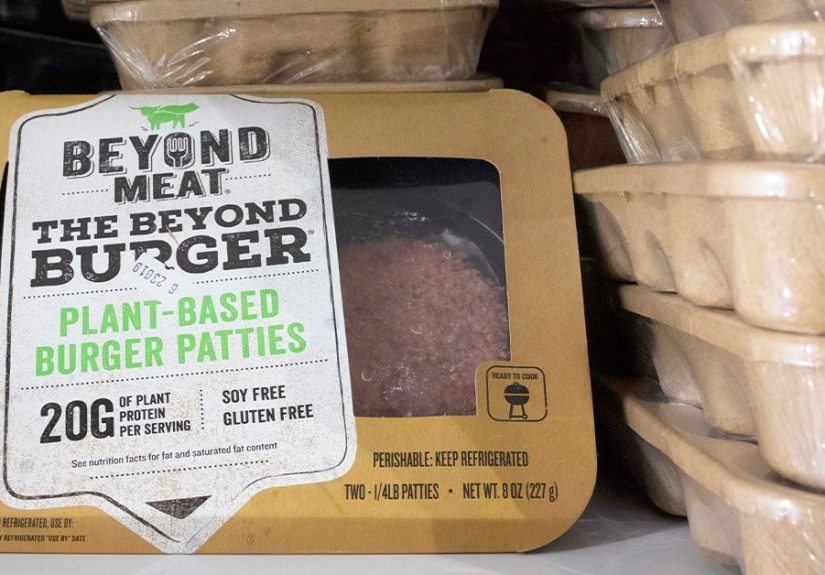
Mackey’s core criticism has held up surprisingly well. Many popular meat alternatives are ultra-processed. That does not automatically make them dangerous, but it does mean they often contain long ingredient lists, isolated plant proteins, flavor systems, stabilizers, oils, binders, and enough sodium to make your water bottle feel personally responsible. A burger can be vegan and still have an ingredient list longer than a streaming service password policy.
That matters because consumers often treat the phrase plant-based as shorthand for “healthy by default.” It is not. Health experts have repeatedly warned that some plant-based burgers, sausages, and nuggets can be high in sodium and occasionally high in saturated fat, depending on the oils used. If your cart is full of foods that merely cosplay as vegetables, your body may remain unconvinced.
The broader concern about ultra-processed foods also adds context. Public health experts increasingly distinguish between minimally processed foods and industrially formulated ones. Fruits, beans, oats, tofu, lentils, nuts, and vegetables do not live in the same nutritional neighborhood as a heavily formulated burger patty, even if both technically come from plants. A plant is not a magic eraser.
Where the Story Gets More Nuanced
Now for the part that gets flattened in hot takes. Saying plant-based meat is processed is not the same as saying it is worse than the meat it replaces. That comparison is where the conversation becomes much more interesting. Researchers and nutrition experts have noted that many plant-based meat products tend to contain less saturated fat than red meat, no cholesterol, and some fiber. They often deliver protein levels in the same ballpark as beef burgers too.
That is why many nutrition experts land on a more measured conclusion than Mackey’s famous sound bite. Plant-based meat alternatives may not be the pinnacle of health, but they can still be a reasonable step in the right direction for people trying to eat less red or processed meat. From that angle, the right comparison is not a perfect homemade lentil stew. It is the burger, sausage, or processed deli meat a shopper would otherwise have eaten.
Better Than Beef? Sometimes, Yes
Several expert reviews have found that the best plant-based meat alternatives generally outperform conventional red meat on a few big nutritional markers. They often contain less saturated fat, include fiber, and avoid cholesterol entirely. Those are meaningful advantages, especially in a country where fiber intake is chronically low and red meat still occupies the center of the plate like it pays rent.
Clinical research has also offered some encouraging signs. In one widely discussed trial from Stanford, people who swapped plant-based meat for animal meat showed improvements in certain cardiovascular risk factors, including lower LDL cholesterol, lower TMAO, and modest weight loss. That does not prove all fake meat is a miracle food. It does suggest that replacing meat with plant-based alternatives can improve health markers in real people under real dietary conditions.
Better Than Whole Plant Foods? Usually, No
This is where Mackey’s argument becomes strongest. Whole or minimally processed plant proteins still look better on the scoreboard. Beans, lentils, chickpeas, tofu, tempeh, edamame, nuts, seeds, and peas typically deliver protein with less sodium, fewer additives, and more naturally occurring plant compounds. They are also usually cheaper, which is a lovely surprise in an era when a fancy plant burger can cost more than a small existential crisis.
That is why dietitians often recommend a “plant-forward” pattern instead of a “fake-meat-every-night” routine. In practical terms, that means making plants the center of the meal and using meat alternatives strategically, not constantly. A black bean bowl, tofu stir-fry, tempeh tacos, or lentil chili will usually do more for long-term diet quality than a freezer full of imitation sausage patties.
The Sustainability Argument Is Still Strong
Even Mackey acknowledged that plant-based meat alternatives can be better for the environment than conventional meat. On that point, much of the broader research agrees. Diets centered more heavily on plant foods generally require less land and water and produce fewer emissions than diets built around industrial animal agriculture. The exact environmental math depends on the product and production method, but the direction of travel is fairly clear: less meat, especially less beef, usually helps.
That is one reason plant-based meats took off in the first place. They were not sold only as health foods. They were marketed as climate-conscious substitutes for people who still wanted the burger experience. The promise was simple: keep the familiar taste and texture, reduce the environmental burden, and maybe feel slightly more virtuous while eating at a drive-thru. America does love a shortcut.
Still, sustainability alone has not been enough to guarantee success. Plenty of shoppers support the idea of plant-based eating in theory, then immediately buy something else if the product is too expensive, too salty, or tastes like a damp science fair. Noble intentions are nice, but flavor remains undefeated.
Why Sales Cooled After the Hype
The plant-based category is not dead, but it has definitely lost some of its early rocket fuel. Recent market data shows a tougher retail environment for plant-based meat and seafood in the United States, with category sales declining over multiple years. The overall plant-based foods market remains sizable, but meat alternatives in particular have struggled more than categories like tofu, tempeh, and plant-based milk.
Why the slowdown? Three reasons keep showing up again and again: price, taste, and processing concerns. Consumers are more skeptical of premium-priced products than they were during the first wave of hype. Many shoppers also want cleaner labels and more familiar ingredients. Meanwhile, manufacturers still have to solve the hardest food challenge in the world: making something healthier, more sustainable, and just as craveable as a juicy burger. That is not a small assignment.
The market shift has actually reinforced Mackey’s point. As consumers read labels more carefully, the distinction between “plant-based” and “whole-food healthy” has become more obvious. Products made from tofu, tempeh, beans, and simpler ingredient decks often look more resilient because they ask for less suspension of disbelief. A soy patty can be understood. A 19-ingredient pseudo-beef puck requires a little faith.
How to Shop Smart for Plant-Based Meat Alternatives
If you want to buy plant-based meat without turning your grocery trip into a doctoral dissertation, start with the basics.
1. Check sodium before you check the branding
Some meat alternatives are surprisingly salty. Compare labels and aim for products that do not use sodium as a personality trait.
2. Look at saturated fat
Plant-based does not automatically mean low in saturated fat. Coconut oil often raises the number. If heart health is your focus, compare brands instead of assuming they are all equal.
3. Favor shorter, more recognizable ingredient lists when possible
You do not need to fear every additive, but simpler formulations can make it easier to understand what you are eating. Tofu, tempeh, seitan, and bean-based patties often have an easier-to-read label story.
4. Think in meal patterns, not miracle products
A plant burger once or twice a week is one thing. Building your entire diet around imitation meat is another. Zoom out and ask what the rest of your plate looks like.
5. Remember the gold standard
Whole plant foods still deserve the trophy. Beans, lentils, peas, edamame, nuts, seeds, mushrooms, and whole grains are usually the best long-game choice for health, cost, and everyday eating.
So, Was the Whole Foods CEO Right?
Yes, but only partly. Former Whole Foods CEO John Mackey was right to challenge the lazy assumption that all plant-based meat is healthy simply because it comes from plants. He was also right to emphasize whole foods over heavily processed alternatives. That remains excellent advice.
But the full story is bigger than that. Plant-based meat alternatives can still be useful, especially when they help people cut back on red meat, reduce saturated fat, add fiber, or make the transition toward a more plant-forward diet feel realistic. For busy eaters, reluctant meat reducers, and burger lovers who are not ready to become lentil poets overnight, these products can be a practical bridge.
The smartest takeaway is not “eat fake meat” or “never touch fake meat again.” It is this: use plant-based meat alternatives as a stepping stone, not a nutritional identity. The healthiest future probably looks less like a freezer aisle revolution and more like a plate filled with beans, grains, vegetables, nuts, and the occasional well-chosen meat alternative that earns its place. Mackey saw the difference. The rest of the market is finally catching up.
Real-World Experiences With Plant-Based Meat Alternatives
In real kitchens, the story of plant-based meat alternatives is rarely dramatic. It is usually practical. A parent buys meatless nuggets because one child likes them, the other child does not notice, and everyone gets through Wednesday soccer practice with dinner on time. A young professional grabs plant-based burgers because they cook fast after work and feel lighter than takeout. A couple trying to reduce red meat starts with “Meatless Monday,” then realizes Tuesday is easier too. This is how food trends become habits: not through ideology, but through convenience, repetition, and small wins.
Many first-time buyers also go through the same emotional arc. Step one: excitement. Step two: sticker shock. Step three: reading the label like a detective in a grocery noir film. Some products impress right away, especially when grilled, seasoned well, or tucked into tacos, pasta sauce, chili, or sloppy joes where texture matters less than flavor. Others disappoint because they promise steakhouse magic and deliver what can only be described as “confident tofu.” That gap between marketing and reality is one reason consumers have become more selective.
Home cooks often discover something important after the novelty wears off: plant-based meat works best when it is treated as one tool, not the whole toolbox. Someone who starts with imitation burgers often ends up branching into lentil soup, chickpea salad wraps, tempeh stir-fry, black bean enchiladas, or tofu fried rice because those foods are cheaper and easier to make part of everyday life. In that sense, plant-based meat can act like training wheels. It does not have to be the forever vehicle to still be useful.
There is also a social side to the experience. Plant-based meat alternatives lower the friction in mixed households where one person wants less meat and another still wants familiar comfort foods. It is easier to convince skeptical eaters to try a taco night, burger night, or pasta night with a decent meat alternative than to announce, with great ceremony, that the family will now be living on steamed lentils and moral superiority. Familiar formats help people experiment without feeling like they have joined a movement.
At the same time, experienced shoppers usually become more label-savvy over time. They learn which brands are too salty, which ones brown nicely in a skillet, which freeze well, and which are all marketing and no magic. They also learn that tofu and tempeh stop looking boring once marinades, sauces, char, and crunch enter the conversation. That is often the graduation moment: when a person realizes that reducing meat does not require eating expensive imitation burgers forever. It just requires a wider view of what counts as dinner.
That may be the most honest experience-based lesson of all. Plant-based meat alternatives are not the final answer to healthy eating, environmental sustainability, or the future of food. But for many people, they are a useful middle chapter. They make change feel familiar. They make a barbecue invitation less awkward. They help bridge the distance between what people know they should eat and what they are actually willing to cook on a Tuesday night. And in the real world, that kind of bridge matters more than perfection.