Table of Contents >> Show >> Hide
- Where the Claim Comes From and Why It Keeps Circling Back
- Prince Philip’s View of Duty Was the Whole Story
- The Wedding Was Beautiful. The Warning Signs Were Not Exactly Hiding.
- Why the “Bamboozled” Framing Works So Well in Headlines
- The Sussex Problem for the Monarchy Was Never Just Meghan
- Why This Claim Matters in 2026
- The Human Experience Behind the Headline
Royal stories have a special talent for doing three things at once: sparkling, spiraling, and refusing to stay in the past. The latest example is a headline-grabbing claim that Prince Philip warned Prince Harry before his 2018 wedding to Meghan Markle, with some retellings framing Harry as “bamboozled” by love, glamour, and the general chaos that tends to follow whenever royalty meets celebrity. It is a juicy phrase, no doubt. But the more carefully reported version is a little less tabloid fireworks and a little more old-school royal skepticism.
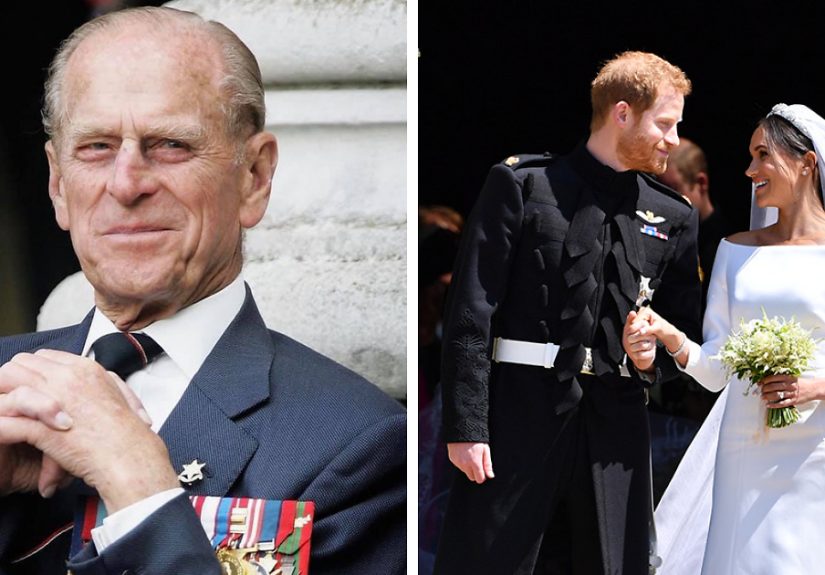
According to biographer Andrew Lownie, Prince Philip allegedly reacted to Harry’s engagement with a famously sharp line: “One steps out with actresses, one doesn’t marry them.” Whether that sounds brutally honest, hopelessly outdated, or peak Philip depends on your tolerance for royal one-liners. Either way, the quote has stuck around because it captures a larger tension that shaped the Harry and Meghan saga from the beginning: love versus institution, spontaneity versus protocol, modern celebrity versus a monarchy built on patience, hierarchy, and duty.
This is also why the story keeps resurfacing. It is not just about one reported warning before one very expensive wedding. It is about a family that saw storm clouds where Harry saw sunshine, and a couple who believed they could modernize royal life only to find out that palace walls are much thicker than Instagram captions. Put plainly, Prince Philip’s alleged remark has become shorthand for an entire royal-era collision.
Where the Claim Comes From and Why It Keeps Circling Back
The headline itself may sound fresh, but the underlying claim is not brand new. Reporting around Prince Philip’s supposed skepticism has circulated for years, and Lownie’s account brought it back into the spotlight by tying it to a larger portrait of royal unease before Harry and Meghan’s wedding. Other royal writers, including Ingrid Seward, have also described Philip as wary of Meghan’s arrival into the family, even while acknowledging that he initially made efforts to welcome her.
That detail matters. The strongest versions of this story do not portray Philip as cartoonishly hostile from day one. Instead, they suggest something more traditionally royal and therefore more believable: he may have understood what it meant to marry into the institution, recognized the cost of it, and doubted that Harry fully grasped what he was signing up for. In that reading, Philip was not merely judging Meghan because she was an actress. He was warning Harry that marrying a public figure with an established identity, career, and media profile would be very different from dating one.
And to be fair, history has not exactly argued with the notion that this would be “very different.” Harry and Meghan’s relationship was fast-moving, hyper-visible, globally debated, and followed almost immediately by intense media scrutiny, internal palace tension, and competing narratives about race, class, modernity, and loyalty. If Philip did say something blunt, it likely landed in a family already wondering whether the romance was moving at warp speed while the monarchy still operated at carriage pace.
Prince Philip’s View of Duty Was the Whole Story
To understand why this alleged warning resonates, you have to understand Prince Philip’s worldview. He was not a romantic-comedy grandpa handing out relationship advice over tea and biscuits. He was, by reputation and biography, a man obsessed with duty, resilience, and the idea that the monarchy survives only when personal feelings take second place. In royal terms, he was less “follow your heart” and more “kindly report to formation.”
That mentality explains why some biographers say he later compared Harry and Meghan’s trajectory to the abdication-era drama surrounding Wallis Simpson. For Philip, service came first, second, and third. Personal happiness was welcome only after it stopped making trouble for the institution. So if he believed Harry was making an emotional choice without fully appreciating the constitutional, media, and family consequences, his response would almost certainly have been unsentimental. Delicacy was never exactly his love language.
There is also an irony here that gives the story extra bite. Philip himself had married into an extraordinary and restrictive life, gave up his naval career, and spent decades supporting the Crown from a complicated second-row position. That meant he knew firsthand what a royal marriage could demand from the outsider. In some tellings, that experience made him sympathetic to Meghan at first. In others, it made him especially sensitive to any sign that Harry and Meghan did not appreciate the scale of what royal life required.
The Wedding Was Beautiful. The Warning Signs Were Not Exactly Hiding.
Harry and Meghan’s May 2018 wedding at St. George’s Chapel was gorgeous, historic, and televised with the kind of grandeur usually reserved for coronations, moon landings, and sports finals that end in tears. It also symbolized a dramatic modern turn for the monarchy: an American bride, a former actress, a biracial duchess, a gospel choir, and a sermon by Bishop Michael Curry that felt miles away from dusty royal convention. Visually and culturally, it was a statement.
But behind the pageantry, reports have long suggested that the pre-wedding period was not exactly friction-free. Various biographers and royal correspondents have described tensions over planning, protocol, personalities, and family dynamics. Stories have resurfaced about Queen Elizabeth feeling left out of some wedding discussions, about Harry growing defensive, and about broader unease among senior royals over how quickly everything was unfolding.
Prince William reportedly expressed concerns of his own, though Harry later clarified that William did not try to stop the marriage. Instead, according to Harry, William suggested early on that life with Meghan inside the royal machine was going to be difficult. That is an important distinction. The concern, at least in better-sourced accounts, was not always “don’t marry her.” It was closer to “you may not realize how hard this is about to get.”
Seen through that lens, Prince Philip’s alleged warning and Prince William’s reported concerns start to sound less like isolated family shade and more like a pattern. Different family members, different tones, same general message: slow down, understand the institution, and do not assume love alone can out-negotiate the monarchy. Spoiler alert: it cannot.
Why the “Bamboozled” Framing Works So Well in Headlines
The word “bamboozled” is catnip for celebrity coverage because it carries both drama and judgment. It implies that Harry was not simply in love, but dazzled, misled, enchanted, or maybe emotionally speed-walked into a life-changing decision. It is a flashy word, and that flash is exactly why it spreads.
Still, readers should separate the headline spin from the sturdier reporting. The core reported remark is the alleged “actresses” line. The “bamboozled” framing is better understood as an interpretive gloss built around the larger biographer narrative that Harry was overwhelmed by Meghan’s charisma, confidence, and outsider energy. That is a meaningful difference, especially for a piece intended for web publication and not the digital equivalent of royal whispering in the palace pantry.
In other words, the headline sells a psychological verdict. The underlying story offers a family warning. Those are cousins, not twins.
The Sussex Problem for the Monarchy Was Never Just Meghan
One reason this story still performs so well online is that it taps into a misleading but very marketable theory: that Meghan arrived, waved a California wand, and Harry instantly transformed into someone his family no longer recognized. That narrative is simple. It is also too simple.
Harry had long shown signs of frustration with palace culture, press intrusion, and the emotional cost of royal life. Meghan may have accelerated or sharpened those tensions, but she did not invent them from thin air. The Oprah interview, the Netflix series, Harry’s memoir Spare, and the couple’s departure from royal duties all made clear that the break with the institution was about more than one romance. It was also about identity, control, media hostility, security, and Harry’s longstanding grievances.
That is why Prince Philip’s warning, if accurately reported, now reads as both pointed and incomplete. He may have seen real trouble ahead. He may also have misunderstood how much of that trouble was already brewing within Harry himself. Families are excellent at sensing a train wreck and absolutely terrible at agreeing on who built the tracks.
Why This Claim Matters in 2026
The timing of the renewed attention is no accident. In 2026, fresh royal-book excerpts and forceful responses from Harry and Meghan’s spokesperson have pushed old tensions back into the headlines. Every new book, leaked anecdote, or palace-adjacent quote revives the same unresolved question: did the family try to protect Harry, or did they simply fail to understand him? Depending on who is telling the story, Prince Philip’s warning becomes either evidence of wise foresight or another example of a rigid institution judging Meghan before she had a fair chance.
That ambiguity is exactly why the topic remains irresistible. The quote is memorable. The marriage changed history. The family fracture never fully healed. And the public still wants to know whether this was a tragic mismatch, a predictable institutional clash, or a royal disaster hiding in a wedding hat from the very beginning.
Most likely, it was all three.
The Human Experience Behind the Headline
Strip away the coronets, the chapel bells, and the endless parade of expert commentary, and this story feels familiar in a way that explains its staying power. Plenty of people have lived some version of it. You fall hard for someone. Your family gets nervous. A grandparent says something blunt enough to stun the wallpaper. An older sibling hints that love is not the only thing in the room. You feel misunderstood, judged, and maybe a little more determined because everyone keeps acting like your heart needs adult supervision.
That is part of why people keep clicking on stories like this one. On the surface, it is a royal-family drama. Underneath, it is a story about what happens when marriage becomes a referendum. The moment a relationship stops being just about two people and starts carrying the expectations of parents, grandparents, institutions, friends, traditions, reputations, and social class, the emotional temperature changes fast. Suddenly, every dinner conversation feels like a committee hearing.
There is also a deeper experience here that many couples understand: the difference between being welcomed and being managed. When one partner comes from a world with strong rules, inherited habits, and unspoken codes, the outsider can feel as if every move is being evaluated. How do you dress? How do you speak? How much do you reveal? How much do you adapt? In ordinary families, that can be stressful enough. In a family that doubles as a global institution, it becomes a pressure cooker with better tailoring.
On the other side, families often believe they are offering caution when the couple hears criticism. They think they are protecting tradition, protecting the person they love, or protecting them from consequences they can already see coming. But warnings, even well-meant ones, can sound like rejection when emotions are high. And once people feel rejected, they rarely hear nuance. They hear a verdict.
That is why the alleged Prince Philip warning still lands. It captures the emotional geometry of so many big relationships: one person in love, one family on edge, and one institution or culture looming over the whole thing like a stern wedding planner with a clipboard. Whether readers side with Harry, Meghan, Philip, or absolutely nobody with a title, they recognize the shape of the conflict.
Maybe that is the truest reason this story will not disappear. It is not only about monarchy. It is about the universal messiness of choosing a partner while other people quietly, loudly, or spectacularly panic about what that choice means. Royal or not, that experience is timeless. The difference here is that most families do not have biographers turning their awkward pre-wedding opinions into a global headline years later. Lucky them.
In the end, the claim about Philip’s warning matters less as a perfect quote and more as a symbol. It represents the clash between romance and realism, personal freedom and inherited duty, private choice and public fallout. And that, more than the sparkle of the wedding day itself, is why this story still feels alive.