Table of Contents >> Show >> Hide
- Why Psoriatic Arthritis and Sleep Clash So Often
- 1. Focus on Disease Control First, Not Just Sleep Hacks
- 2. Keep a Consistent Sleep Schedule, Even When Your Body Feels Chaotic
- 3. Calm Pain and Stiffness Before Bed Instead of Wrestling With Them at 2 A.M.
- 4. Tackle Itch and Skin Irritation Like They Are Part of Your Sleep Plan, Because They Are
- 5. Move Your Body During the Day, but Do Not Save Your Heroics for Bedtime
- 6. Cut Down the Sneaky Sleep Saboteurs: Screens, Caffeine, Alcohol, Heavy Meals, and Stress
- 7. Rule Out Hidden Sleep Problems and Ask for Help Early
- When to Call Your Doctor Sooner
- Conclusion
- What Living With This Can Feel Like: Common Experiences People With Psoriatic Arthritis Describe
- SEO Tags
If psoriatic arthritis has turned bedtime into a nightly negotiation, you are very much not alone. Plenty of people with PsA crawl into bed feeling hopeful, only to be greeted by stiff fingers, aching hips, an itchy patch of skin with terrible timing, or a brain that suddenly wants to replay every awkward moment since middle school. Sleep, in other words, can start to feel less like a basic human function and more like an expensive luxury item.
That is especially frustrating because good sleep is not just “nice to have” when you live with psoriatic arthritis. It is part of symptom management. Poor sleep can leave you feeling more sensitive to pain, more drained during the day, and less equipped to deal with stress, movement, work, and everything else on your calendar. PsA already brings enough drama. Your pillow should not join the cast.
The good news is that better rest is possible. Usually, it does not come from one magic trick. It comes from a combination of better disease control, smarter sleep habits, more strategic pain and itch management, and knowing when to ask for help. Here are seven practical tips that can make nights easier and mornings less rude.
Why Psoriatic Arthritis and Sleep Clash So Often
Psoriatic arthritis is a chronic inflammatory disease that can cause joint pain, swelling, stiffness, fatigue, and tenderness where tendons and ligaments attach to bone. It also often overlaps with psoriasis, which can bring itching, burning, scaling, and skin discomfort that seem to get extra chatty at night. Add stress, flares, medication side effects, and possible sleep disorders such as sleep apnea, and you have a perfect recipe for broken sleep.
Many people with PsA describe a frustrating loop: pain and itch keep them awake, poor sleep makes them feel more wiped out and more sensitive to pain the next day, and that rough next day makes the following night even harder. It is like your symptoms and your mattress formed an alliance against you. Rude, honestly.
That is why the best sleep advice for PsA is not just generic “drink herbal tea and think sleepy thoughts” guidance. It has to account for inflammation, flares, joint positioning, skin irritation, stress, and related conditions that may be quietly sabotaging your rest.
1. Focus on Disease Control First, Not Just Sleep Hacks
If your psoriatic arthritis is active, no silk pillowcase on Earth will fully outsmart inflamed joints. One of the most important steps toward better sleep is getting the disease itself under better control. That means talking with your rheumatologist and, if skin symptoms are a big part of the problem, your dermatologist too.
Nighttime can reveal patterns that are easy to miss during a rushed office visit. Maybe your back pain ramps up after lying still for 20 minutes. Maybe your knees wake you every night around 3 a.m. Maybe your skin is calm during the day but itchy enough at bedtime to make you consider sleeping in oven mitts. Those details matter because they can help your care team decide whether your current treatment plan is doing enough.
If sleep has gotten worse, consider whether you are also seeing more morning stiffness, more swollen joints, more flares, or more skin activity. Those can be signs that your treatment may need adjusting. In some cases, the issue is not just the disease itself but also timing: when you take certain medications, when you use topical products, and what happens if they wear off before the night is over.
The takeaway is simple: do not treat poor sleep like a separate personal failure. Sometimes it is a signal that your PsA or psoriasis needs more attention.
2. Keep a Consistent Sleep Schedule, Even When Your Body Feels Chaotic
When life with chronic illness feels unpredictable, routine can be surprisingly powerful. A regular sleep and wake time helps reinforce your internal body clock, which can make it easier to fall asleep and stay asleep. It is not glamorous advice, but it works better than many flashy “sleep secrets” sold on the internet by people who have never tried to nap with a throbbing ankle.
Try going to bed and getting up at about the same time every day, including weekends. Yes, even on Saturday. Your body loves consistency more than it loves your plans to “catch up” until noon. If you cannot fall asleep after about 20 minutes, get out of bed and do something quiet and relaxing, then return when you feel sleepy. This helps keep your brain from turning the bed into a stage for frustration.
If fatigue pushes you toward naps, be strategic. A short daytime nap may be reasonable for some people, especially during a flare, but long or late naps can make nighttime sleep worse. Think of naps like hot sauce: a little may help, too much can ruin the meal.
3. Calm Pain and Stiffness Before Bed Instead of Wrestling With Them at 2 A.M.
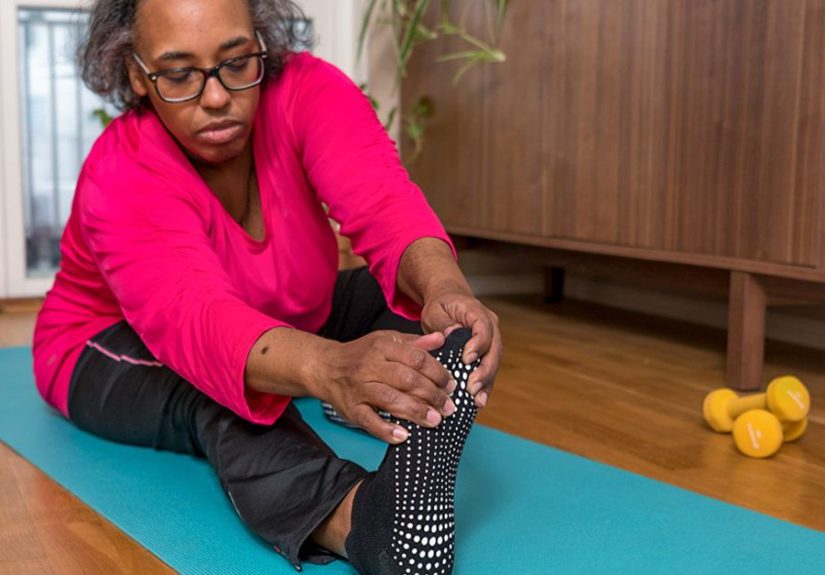
Bedtime is easier when your body is not entering the night already irritated. Build a short wind-down routine aimed specifically at pain and stiffness. This could include a warm bath, a warm shower, gentle stretching, light range-of-motion exercises, or a few minutes of relaxation breathing. The goal is not to become an Olympic mobility champion before bed. The goal is simply to arrive at bedtime less wound up.
Your sleep setup matters too. A supportive mattress, comfortable sheets, and strategic pillows can make a real difference. If your knees or hips ache, placing a pillow between your knees may help keep your spine better aligned and reduce pressure. If shoulder pain is the problem, experiment with side-to-side support and avoid positions that leave that joint screaming into the void.
Think like an engineer, not a martyr. If one position always leads to pain, stop trying to prove you can “tough it out.” The smartest sleep position is the one your joints can tolerate for the longest stretch. Some people also do better if they loosen up stiff areas before bed with a heating pad, while others prefer cool therapy after a hot, inflamed day. Your body gets a vote here.
And if pain is consistently waking you up early or keeping you from falling asleep, bring that up with your clinician. It is a medical issue, not just a “bad sleeper” issue.
4. Tackle Itch and Skin Irritation Like They Are Part of Your Sleep Plan, Because They Are
People often talk about PsA as the “joint part” and psoriasis as the “skin part,” but at bedtime those lines blur fast. An itchy plaque on your scalp, leg, or back can ruin sleep just as efficiently as a stiff wrist. If your skin symptoms flare at night, they deserve a spot in your evening routine.
Moisturize consistently, especially after bathing, and use any prescribed topical medications exactly as directed. If your clinician has recommended an anti-itch or numbing product, bedtime may be the perfect time to use it. Soft, breathable fabrics such as cotton can reduce irritation, while rough or tight clothing can turn a manageable itch into a full-night grudge match.
Temperature matters too. Many people sleep better in a cool, dark room, and cooler air may also help if heat tends to aggravate itching. A humidifier in the bedroom can be helpful when dry indoor air makes skin feel tight or scratchy. Keep nails trimmed, not because you are auditioning for a hand model gig, but because accidental scratching during sleep can worsen skin damage and leave you sorer the next morning.
If nighttime itch is relentless, do not just keep “being strong.” Let your dermatologist know. Better skin control can translate into better sleep, and better sleep can make the whole condition feel more manageable.
5. Move Your Body During the Day, but Do Not Save Your Heroics for Bedtime
It sounds backward when you are exhausted, but regular movement can help you sleep better. Exercise supports joint function, helps reduce fatigue over time, improves mood, and can make the body more ready for rest at night. With arthritis, the key is choosing movement that helps rather than punishes.
Low-impact activities such as walking, cycling, swimming, water exercise, light strength training, and mobility work are often easier on sore joints. Some people do best with short movement “snacks” spread throughout the day instead of one long workout. That can be especially useful during a flare, when energy is unpredictable and your joints have very strong opinions.
Timing matters. Vigorous exercise too close to bedtime can leave you feeling wired instead of sleepy. Earlier in the day is usually the better bet. A morning or lunchtime walk can be a double win because it combines movement with natural light, which can support a healthier sleep-wake rhythm.
The goal is consistency, not perfection. You do not need to train like you are preparing for a superhero reboot. You just want enough regular movement to help your body feel less stiff, less stressed, and more ready to settle down at night.
6. Cut Down the Sneaky Sleep Saboteurs: Screens, Caffeine, Alcohol, Heavy Meals, and Stress
When sleep is rough, it is tempting to focus only on the big obvious culprit, like pain. But smaller habits can quietly make a bad situation worse. Start with screens. Phone, tablet, and laptop light can make it harder for your brain to shift into sleep mode, and doomscrolling before bed is basically handing your nervous system a megaphone. Try powering down earlier and choosing something calmer instead, like reading, stretching, soft music, or a boring podcast hosted by someone with the emotional range of a beige wall.
Then there is the kitchen. Caffeine late in the day can hang around longer than you think, and alcohol, while initially sedating, can disrupt sleep later in the night. Large or heavy meals close to bedtime can also leave you uncomfortable when you should be winding down. If reflux, bloating, or bathroom trips are part of your nighttime chaos, what and when you eat and drink may be worth adjusting.
Stress deserves special mention. Psoriatic arthritis does not just affect joints and skin; it can affect mood, confidence, planning, work, and relationships. That emotional load does not magically disappear when the lights go off. A simple bedtime routine can help: write tomorrow’s to-do list before bed, try a few minutes of meditation or breathing, or practice a relaxation exercise that signals “we are off duty now.” Your body may not fully believe you at first, but repetition helps.
7. Rule Out Hidden Sleep Problems and Ask for Help Early
Sometimes the problem is not only PsA. It is PsA plus something else. Sleep apnea, restless legs syndrome, anxiety, depression, and medication side effects can all interfere with sleep. If you snore loudly, gasp awake, feel overwhelmingly sleepy during the day, wake with headaches, or have creepy-crawly leg sensations that make it hard to stay still, it is worth bringing up with a doctor.
A sleep diary can help you spot patterns and make appointments more useful. Track when you go to bed, how often you wake up, naps, caffeine, alcohol, exercise, medications, and how tired you feel the next day. It does not need to be beautiful. This is not a scrapbook. It just needs to tell the truth.
Some people benefit from seeing a sleep specialist, especially if sleep hygiene changes have not helped. Cognitive behavioral therapy techniques can also be useful when the problem becomes a cycle of poor sleep plus worry about poor sleep. And while some sleep aids may have a role in certain situations, long-term improvement usually comes from figuring out what is keeping you awake in the first place.
When to Call Your Doctor Sooner
Do not wait months to speak up if:
- Your pain or stiffness wakes you up regularly.
- Your skin symptoms are significantly worse at night.
- You are exhausted during the day even when you spend enough time in bed.
- You snore heavily, gasp, or stop breathing during sleep.
- Your sleep has worsened since starting or changing a medication.
- You feel anxious, low, or overwhelmed enough that sleep has become another casualty.
Better sleep is not a vanity project. It is part of living better with psoriatic arthritis.
Conclusion
Psoriatic arthritis can absolutely make sleep harder, but it does not get to own your nights forever. The most effective approach is usually a layered one: control inflammation as well as possible, protect your joints at bedtime, calm itch, move regularly, clean up your sleep habits, and get evaluated for hidden sleep disorders when needed. Small changes may not feel dramatic on night one, but over time they can add up to fewer wakeups, less morning misery, and a version of rest that actually feels restorative.
Think progress, not perfection. Maybe you do not become the kind of person who “sleeps like a log.” Maybe you become the kind of person who sleeps more comfortably, wakes less often, and no longer dreads bedtime. With PsA, that is not a small win. That is a big deal.
What Living With This Can Feel Like: Common Experiences People With Psoriatic Arthritis Describe
One of the hardest parts of psoriatic arthritis-related sleep trouble is that it is rarely just one thing. A lot of people say they can fall asleep, but they cannot stay asleep. They drift off just fine, then wake up because their lower back feels locked, a knee starts throbbing, or their fingers ache the moment they roll over. Morning can feel like waking up inside someone else’s body, especially when stiffness is worst after hours of lying still.
Others say the skin side of psoriatic disease is the nighttime troublemaker. During the day, itching may be annoying but manageable. At night, with fewer distractions and more awareness of every sensation, it can feel enormous. Some people describe absentmindedly scratching in their sleep and waking up sore, irritated, and frustrated. It is not vanity. It is a real sleep disruptor that can shape mood, energy, and confidence the next day.
Fatigue adds another strange layer. Many people with PsA say they feel exhausted all day but somehow wide awake once they finally get into bed. That “tired but wired” feeling can come from pain, stress, poor sleep habits, or the simple mental load of living with a chronic inflammatory condition. When bedtime becomes associated with worrying about whether you will sleep, your brain can start treating the bedroom like a performance review. Not exactly relaxing.
There is also the emotional side people do not always say out loud. Some feel guilty for being tired. Some feel irritated that friends or family do not understand why “just go to bed earlier” is not a real solution. Some worry that poor sleep means their disease is getting worse. And many quietly grieve the ease they used to have around something as basic as lying down and resting without a strategy.
But there are encouraging experiences too. People often report that sleep improves when they finally connect the dots between symptoms and habits. A better pillow setup, more consistent medication routine, earlier exercise, less scrolling before bed, or a treatment adjustment can make nights less chaotic. Sometimes the win is modest at first: one fewer wake-up, less intense morning stiffness, or waking up feeling 20% more human. In chronic illness, that 20% can feel glorious.
Many people also say that once they stop blaming themselves and start treating sleep as part of PsA care, things improve. Bedtime becomes less of a battle and more of a plan. They learn what their joints tolerate, what calms their skin, what signals a flare, and when it is time to ask for medical help instead of suffering through it. Better rest may not arrive all at once, but it often becomes more realistic when sleep is treated as essential care, not an optional bonus.