Table of Contents >> Show >> Hide
- What It Is (And Why People Get Weirdly Attached to It)
- Specs at a Glance
- Why Enamelware Is a Big Deal (Even When It’s Small)
- What the 230 mL Size Is Best For
- How It Compares to Other Kitchen Canisters
- Care and Cleaning: Keep It Pretty (Without Babying It)
- Pantry and Countertop Styling: Making “Useful” Look Good
- Buying Checklist: Is This the Right Canister for You?
- FAQs
- Real-Life Experiences with a Riess Enamel Canister 230 mL (The Extra )
If your kitchen counters are basically a “small-item witness protection program” (salt shaker here, loose tea tin there, rogue paper clips everywhere),
the Riess Enamel Canister 230 mL is the kind of tiny, tidy upgrade that makes everything look intentional. It’s small enough to fit
anywhere, attractive enough to leave out, and practical enough to earn its keepwhether it’s holding your fancy flaky salt, your “emergency” chocolate,
or the one spice you swear you use daily but can never locate at the exact moment you need it.
This guide breaks down what the 230 mL Riess canister is, why enamel + ash wood is a surprisingly smart combo, what it’s best for (and what it’s not),
and how to keep it looking good for years. We’ll also talk about pantry organization strategies, food-storage considerations, and real-life ways people
end up using a little canister like this far beyond the pantry shelf.
What It Is (And Why People Get Weirdly Attached to It)
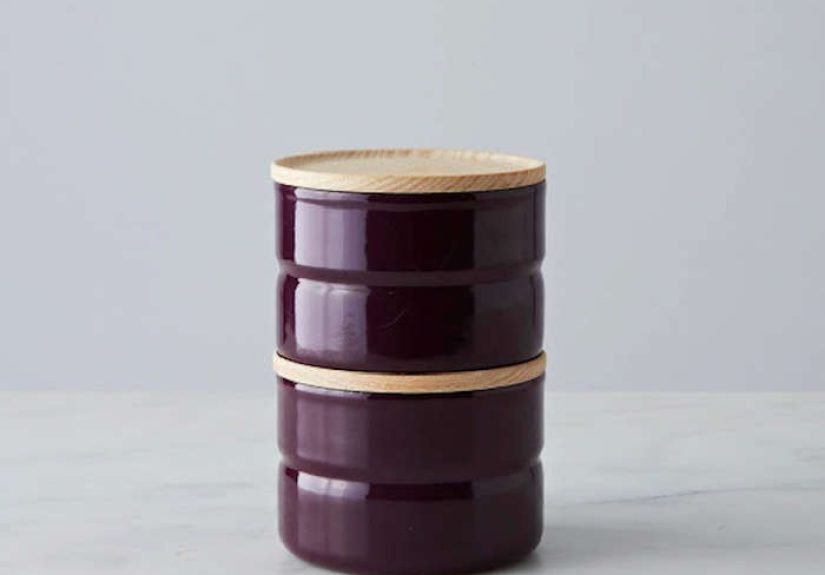
The Riess Enamel Canister 230 mL is a compact, stackable storage container made from enamel-coated steel and topped with an ash-wood lid. It’s designed
for storing small amounts of dry goodsthink spices, tea, herbs, sugar, salt, baking sprinkles, or anything else you want protected, contained, and easy
to grab.
“230 mL” sounds technical, but in everyday kitchen terms it’s roughly about 1 cup (just a touch under). That makes it ideal for small-batch
storage: enough to be useful, not so large that it turns into a bulk bin you’ll ignore until 2029.
Specs at a Glance
- Capacity: 230 mL (about 1 cup / ~7.8 fl oz)
- Material: Enamel-coated steel body; ash-wood lid
- Approx. size: Around 3 inches wide and about 2.3 inches tall (small enough for tight shelves and countertop “stations”)
- Look/feel: Opaque enamel (no light exposure like clear jars) + warm natural wood for contrast
Why Enamelware Is a Big Deal (Even When It’s Small)
Enamel is basically glass… fused to metal
Porcelain enamel (often called vitreous enamel) is made by fusing a glass-like coating onto metal at very high temperatures. The result is a hard, smooth
surface that’s non-porous, easy to clean, and generally flavor-neutralmeaning it’s less likely to hang onto odors the way some plastics can.
Opaque storage helps protect flavor
Light and air are the enemies of “fresh.” Coffee, tea, herbs, and spices all suffer when they’re left exposedespecially if they sit in bright areas.
An opaque canister helps reduce light exposure, and a tight-fitting lid helps reduce airflow.
One important nuance: many “pretty countertop canisters” are not truly airtight. Some pantry-container experts recommend lids with a gasket or a
locking mechanism when airtightness is critical. So if you’re storing something especially sensitive (like coffee), treat this as a stylish, protective
canisterbut consider your freshness needs and how quickly you’ll use what’s inside.
It’s not plastic (and that matters to many shoppers)
Plenty of people are trying to reduce plastic in food storagewhether for taste, durability, sustainability, or peace of mind. Enamel-coated steel is a
long-lived material, and it looks good doing it. This canister isn’t trying to be a disposable organizer trend; it’s trying to be the container you keep
using long after your label maker runs out of tape.
What the 230 mL Size Is Best For
The magic of 230 mL is that it’s “small but not useless.” It’s perfect for items you want at your fingertips, but don’t need in bulk. Here are the most
common (and genuinely practical) uses:
1) Salt, sugar, and “daily pinches”
A small canister shines for ingredients you use constantly: flaky finishing salt, kosher salt, sugar for coffee, or even cinnamon sugar for toast.
It’s especially handy if you’re building a tiny coffee/tea station and want it to look calm instead of chaotic.
2) Loose-leaf tea and herbal blends
Tea benefits from being stored away from light and moisture. This size is great for a favorite everyday blendenough to last a while, small enough to
rotate seasonally (hello, winter chai; goodbye, summer mint).
3) Spices you buy in small quantities
Saffron, smoked salt, dried chili flakes, specialty peppercornsthese are often purchased in smaller amounts and deserve better than a half-torn bag with
a clip that vanished into another dimension.
4) Baking boosters
Vanilla sugar, decorative sprinkles, mini chocolate chips, dried lavender, or “backup baking powder” for the day yours is mysteriously expired even though
you swear you just bought it.
5) Not-food storage (because real life happens)
The brand and many retailers position these as flexible “organizers,” not strictly food-only. People use them for cotton rounds, cotton swabs, hair ties,
paper clips, push pins, or desk odds-and-endsespecially in bathrooms and home offices where you want things tucked away but still accessible.
How It Compares to Other Kitchen Canisters
Versus clear plastic containers
Clear plastic is great for visibility and stacking, and it’s often budget-friendly. But it can stain, hold odors, scratch, and eventually look… tired.
Enamel tends to feel more permanent and stays “nice looking” longer, assuming you don’t chip it.
Versus glass jars
Glass is non-porous and odor-resistant, and you can see what’s inside. But glass lets in light (unless tinted), and it can be heavy or fragile.
Enamel gives you durability and light protection, with a cozy, old-school design vibe.
Versus stainless steel canisters
Stainless can look sleek and professional, but it can show fingerprints and scratches. Enamel has a softer, colorful presence and is usually easier to
match with warm wood accents in a home kitchen.
Care and Cleaning: Keep It Pretty (Without Babying It)
Enamel is tough, but not invincible. The goal is simple: avoid chipping, avoid harsh abrasion, and keep it dry before storage.
Smart everyday cleaning
- Wash with warm, soapy water and a soft sponge or non-scratch scrubber.
- Avoid steel wool and very abrasive powders, which can scratch surfaces over time.
- Dry thoroughly before putting it away (especially around rims/edges).
What about the ash-wood lid?
- Don’t soak the lid. Wipe it clean with a damp cloth, then dry it right away.
- Keep it out of the dishwasher unless the product specifically says otherwise (wood and dishwashers rarely become friends).
- If it ever looks dry, a tiny amount of food-safe mineral oil can help (wipe on, wipe off, keep it subtle).
Handling tips to prevent chips
Enamel-coated steel can chip if it’s dropped or knocked hard against heavy objects. Treat it like you would a favorite mug: it can handle daily use, but
it doesn’t enjoy being launched into the sink like an Olympic sport.
Pantry and Countertop Styling: Making “Useful” Look Good
This is where the Riess canister tends to win people over: it’s functional, but it also makes your kitchen look like it has its life together.
(Even if the “junk drawer” is currently holding three screwdrivers and a birthday candle from 2017.)
Build a mini “station”
A small canister is perfect for creating a micro-zone: a coffee station, a baking shelf, a spice corner, or a tea tray. Organization pros often recommend
grouping items by how you actually use them, not by what category they “should” belong to. When your morning routine is in one spot, mornings get easier.
Label like a normal person (not a pantry influencer)
Labeling is practicalespecially when you decant items from original packaging. Some organizing advice includes writing purchase or expiration dates on
containers so you can rotate pantry items and avoid stale surprises.
With a wood lid, you can keep labeling simple: a small adhesive label, a removable tag, or even a pencil mark you refresh when you refill. The point is
clarity, not perfection.
Buying Checklist: Is This the Right Canister for You?
- You want small, attractive storage for dry goods you use often.
- You care about light protection (tea, coffee, herbs, spices, sensitive pantry items).
- You like durable materials and prefer enamel/steel over plastic.
- You’re okay with “tight-sealing” rather than expecting an industrial airtight lock.
- You’ll hand-wash and dry it (especially the lid) to keep it looking great.
FAQs
Is 230 mL big enough to matter?
Yesif you use it for the right things. It’s ideal for high-impact small items: daily salt, loose tea, your favorite spice blend, or a countertop “pinch”
ingredient. For flour or pasta, you’ll want a larger container.
Can I store liquids in it?
It’s primarily designed for dry storage. The lid is wood, and frequent contact with liquids can cause warping or staining over time. For soups, sauces, or
anything wet, pick a container designed for liquid storage with a proper gasket and leak-proof seal.
Does enamel “absorb” smells?
Enamel’s smooth, glass-like surface is generally less likely to hold odors than porous materials. That’s one reason people like it for tea, spices, and
coffee-adjacent storage.
Real-Life Experiences with a Riess Enamel Canister 230 mL (The Extra )
The funny thing about a small canister is that you don’t always buy it for the job it ends up doing. People often start with a tidy, responsible plan
“I will store my loose-leaf tea like an adult”and then the canister becomes the hero of a totally different storyline.
One common experience is the coffee station upgrade. Someone moves their beans or grounds into an opaque container to protect flavor,
then realizes they also need a place for sugar packets, cinnamon, or that fancy finishing salt they put on chocolate chip cookies (don’t judgetry it).
A 230 mL canister is the perfect sidekick: small enough to sit next to a mug tree, good-looking enough to stay out, and easy to grab with one hand while
your other hand is desperately trying to wake your brain up.
Another real-world scenario: spice chaos intervention. You know the momentyour recipe calls for smoked paprika, and you own it, and you
believe in it, but it’s currently hiding behind three duplicates of “Italian seasoning.” A small enamel canister won’t organize your entire spice
cabinet by itself, but it can hold the “top tier” items you reach for constantly. Think: kosher salt, chili flakes, garlic powder, your house blend,
or the one spice you always refill. It turns the “where is it?” problem into the “oh, right here” experience.
Then there’s the snack strategy. A lot of people discover that a small, opaque canister is oddly great for treats they want to keep
accessible but not too accessible. A few dark chocolate squares. A handful of hard candies. A stash of gum. It’s the “I’m being reasonable” container
which is hilarious, because it’s also the container you open six times during a Zoom call.
Bathrooms and desks are another surprise win. In a bathroom, the canister becomes a sleek holder for cotton rounds, hair ties, or spare travel items.
On a desk, it can corral paper clips, USB adapters, or the tiny tools that otherwise multiply and migrate. The lid is the secret sauce here: even if you’re
not trying to “preserve freshness,” you’re keeping visual clutter out of sight. And somehow that makes a room feel calmer.
Finally, there’s the gift factor. A 230 mL canister is small enough to fill with something personalloose tea, a spice blend, fancy salt,
homemade sugar scrub (stored carefully and kept dry), or a handwritten set of pantry labelsand give as a thoughtful, “I noticed what you like” present.
It’s the kind of object that looks curated, not random. And because it’s not huge, it doesn’t feel like you’re gifting someone a new responsibility.
You’re gifting them a tiny upgradeone they’ll probably move around the house until it finds its forever job.