Table of Contents >> Show >> Hide
- What a Garden Tiller Actually Does
- When Renting a Garden Tiller Makes the Most Sense
- When Buying a Garden Tiller Makes More Sense
- Choose the Right Type Before You Spend a Dollar
- The Part Nobody Mentions Enough: Tilling Is Helpful, but Not Always Healthy
- How Soil, Size, and Timing Change the Answer
- The Hidden Costs of Ownership
- So, Should You Buy or Rent a Garden Tiller?
- Smart Tips Before You Till Anything
- Experience From the Garden Path: What This Decision Looks Like in Real Life
- Final Thoughts
Note: Clean HTML only, ready for publishing, with no source links or citation artifacts.
If you have ever stared at a patch of hard soil and thought, “This yard is one bad weekend away from becoming a tomato empire,” you have probably also wondered whether you should buy or rent a garden tiller. It is a fair question. A tiller can turn compacted ground into plant-ready soil, mix in compost, and make you feel wildly productive in under an hour. It can also become that expensive machine in the garage that gets used twice a year and spends the rest of its life judging your bicycle.
The truth is that there is no one-size-fits-all answer. Buying a garden tiller makes sense for some gardeners, especially people with larger spaces, ongoing projects, or multiple beds to maintain. Renting makes more sense for people doing one big job, testing a new garden setup, or avoiding the extra costs of maintenance, fuel, and storage. And then there is the plot twist many home gardeners do not see coming: sometimes the best answer is neither. Sometimes you do not need a tiller at all.
That does not mean tillers are bad. It means they are specific. A tiller is a tool, not a personality trait. The smartest decision comes down to how often you will use it, how much ground you need to cover, what kind of soil you have, and whether you are starting from scratch or working with an established bed. Once you break those pieces down, the buy-versus-rent question gets a whole lot easier.
What a Garden Tiller Actually Does
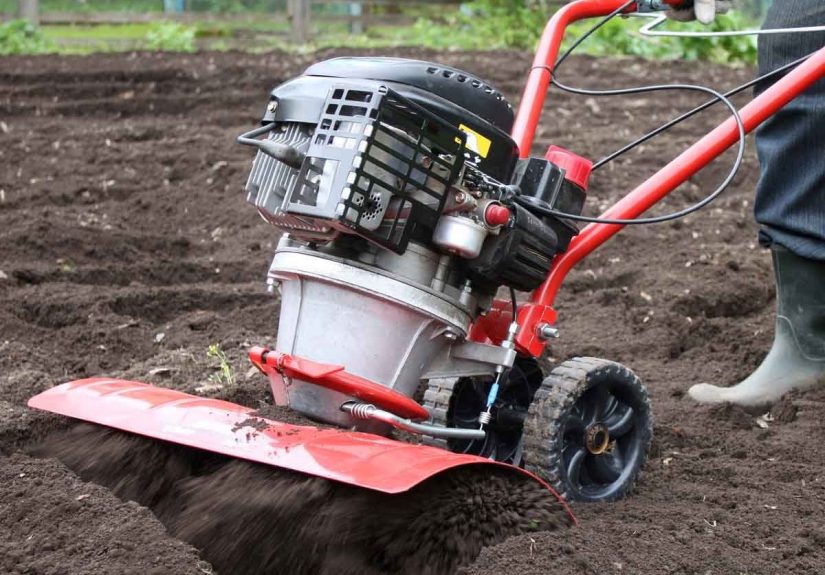
A garden tiller is built for heavier soil work. It breaks up compacted ground, turns soil over, mixes in amendments, and helps create a looser seedbed for planting. That is why tillers shine when you are opening new ground, dealing with dense clay, or reclaiming a neglected plot that currently looks better suited to archaeology than zucchini.
But gardeners often lump tillers and cultivators together, and that can lead to overspending. A cultivator is lighter and better for shallow mixing, weeding, and refreshing already-loose soil. A tiller is the bigger, tougher cousin that shows up when the job is rude. If your beds are already established and you mostly need to stir in compost or tidy up between rows, a full-size tiller may be more machine than mission.
This distinction matters because many people buy a tiller for a single “break new ground” moment and then discover that their long-term maintenance needs are much lighter. Suddenly, the machine that felt heroic in April feels unnecessary in July.
When Renting a Garden Tiller Makes the Most Sense
For many homeowners, renting is the better deal. If you are creating a garden for the first time, expanding a landscape bed, or renovating a compacted area once a season, renting gives you access to more power without forcing you into a long-term relationship with a gas engine.
Renting is especially smart when your job is big but temporary. Maybe you are converting a grassy patch into a vegetable garden. Maybe you are working with clay-heavy soil. Maybe you need a heavier rear-tine unit for one weekend because your yard has the temperament of a parking lot. In that case, a rental gives you the right machine for the hard part without making you store and maintain it all year.
There is also a money angle that gardeners sometimes underestimate. Buying sounds efficient until you add up the real ownership costs: the machine itself, fuel, oil, tune-ups, spark plugs, storage space, and the occasional muttered sentence that begins with, “Why won’t this thing start?” Rental programs are appealing because they cut out that ownership burden. You pay for the time you need, return the machine, and reclaim your garage for more noble purposes, like storing bags of mulch you also swore you would use by now.
Renting is also ideal if you are still figuring out what kind of tiller you need. Lightweight tillers are great for small beds and narrow spaces. Front-tine machines handle general garden prep well. Rear-tine tillers are the bruisers for larger plots and heavier soils. If you are not yet sure where you fall, renting first is the gardening equivalent of dating before marriage. Sensible. Mature. Less expensive to reverse.
Rent if any of these sound like you:
You are starting one new garden bed. You only till once or twice a year. You do not have much storage space. You want to avoid maintenance. You need a bigger machine than you would normally buy. You are testing whether tilling even fits your garden style.
When Buying a Garden Tiller Makes More Sense
Buying starts to look smarter when gardening is not a one-off project but a repeat habit. If you have multiple beds, a long growing season, regular soil-amendment routines, or a property that seems determined to harden up every few months, owning a tiller can be more convenient and more economical over time.
The biggest advantage of buying is access. Your tiller is there when you need it. No reservation. No pickup. No racing the clock on a rental window while also trying to spread compost, wrangle seedlings, and remember where you left your gloves. If you garden often, convenience matters. Being able to till when conditions are right can be worth a lot more than people expect.
Owning also makes sense if your needs are modest but frequent. Plenty of homeowners do not need a huge rear-tine gas monster. They need a small or mid-size machine for regular garden upkeep, raised beds, or seasonal soil prep. In that scenario, buying a manageable tiller or tiller-cultivator can feel practical instead of excessive.
Cost supports that logic too. Home tillers now span a broad range. Smaller homeowner models can live in the low hundreds, many common residential options land around the mid-hundreds, and bigger rear-tine models can climb well beyond that. If you will use the machine enough over several seasons, ownership can win the math battle. The key phrase is use enough. Buying a tiller you will use eight times a year is one thing. Buying one for a single dramatic weekend is how garages become museums.
Buy if these sound like you:
You garden every season. You maintain several beds or a large food garden. You want immediate access without rental scheduling. You have space to store the machine. You do not mind maintenance. You know exactly what type of tiller fits your property.
Choose the Right Type Before You Spend a Dollar
The buy-or-rent decision gets easier once you know what kind of tiller the job requires.
Mini tillers
Mini tillers are great for tight spaces, raised beds, and smaller gardens. If your growing area is modest and you mostly need shallow cultivation, they are nimble, easier to transport, and less intimidating to use. They are not the best answer for opening up a large patch of stubborn ground, but they are handy for gardeners who want light-duty help without wrestling a machine the size of a small pony.
Front-tine tillers
Front-tine tillers are a strong middle ground. They are useful for seedbed prep, general garden work, and medium-size spaces. They tend to be more maneuverable than bigger rear-tine units, which makes them popular for homeowners who want real tilling power without going fully commercial.
Rear-tine tillers
Rear-tine tillers are built for harder, larger jobs. They are better for breaking new ground, tackling denser soil, and handling bigger plots where you want more traction and power. They are often the right choice for clay-heavy yards, large vegetable patches, or neglected spaces that need a serious reset. They also tend to be the most expensive and the least charming to store.
The Part Nobody Mentions Enough: Tilling Is Helpful, but Not Always Healthy
Here is where the conversation gets more interesting. Tilling can absolutely help when you are establishing a new bed or incorporating organic matter into rough soil. But repeated tilling is not automatically good gardening. In fact, over-tilling can damage soil structure, increase erosion, encourage compaction over time, and disrupt the soil life that healthy gardens depend on.
That means the smartest gardener is not the one who tills the most. It is the one who tills only when there is a clear reason. If you are opening brand-new ground, sure, a tiller can save your back and speed up the job. If your beds are already productive and crumbly, you may be better off adding compost, mulching well, and disturbing the soil as little as possible. Your earthworms would probably send a thank-you note if they had better handwriting.
This is one of the strongest arguments for renting instead of buying: many gardens need one heavy round of tilling in the beginning, then much less disturbance later. Once beds are established, a broadfork, hand tools, or a small cultivator may be enough. Buying a large tiller for a garden that eventually becomes low-till or no-dig can feel like buying a snowplow for one dramatic flurry.
How Soil, Size, and Timing Change the Answer
Garden size matters. A tiny raised-bed setup does not justify the same equipment as a sprawling backyard vegetable plot. A mini tiller or cultivator may be perfect for small beds, while a larger ground-level garden may benefit from a front-tine or rear-tine machine.
Soil type matters too. Loose, improved soil is one thing. Dense clay, rocky areas, or compacted ground are another. Heavier soil often calls for a more powerful machine, which is one reason renting can be so smart. You can bring in a stronger tool for the hard phase and avoid paying year-round for horsepower you do not need once the bed is established.
Timing matters as well. Tilling wet soil is a classic mistake. It can wreck soil structure and leave behind clods and compaction problems that haunt the garden later. So even if you own a tiller, that does not mean you should rush out the second the calendar says spring. The better move is to wait until the soil is ready, then make fewer, smarter passes.
The Hidden Costs of Ownership
When gardeners compare buying and renting, they often compare only the sticker price. That is incomplete. Ownership brings a string of smaller responsibilities that quietly add up: fuel, oil checks, maintenance, off-season storage, replacement parts, battery charging if you go cordless, and the occasional repair bill. None of these are shocking on their own. Together, they can turn a “good deal” into a surprisingly expensive hobby side quest.
There is also the storage question. A compact cordless model is one thing. A large gas rear-tine tiller is another. If your garage is already packed, buying a tiller can create more frustration than convenience. Renting keeps the machine out of your way once the job is done.
So, Should You Buy or Rent a Garden Tiller?
For most casual home gardeners, renting is the smarter first move. It is cheaper up front, avoids maintenance and storage, gives you access to stronger equipment, and lets you match the machine to the project. It is ideal for first-time garden builds, occasional soil prep, and one-off heavy jobs.
Buying makes sense for committed gardeners who work multiple beds, garden frequently, know exactly what machine size they need, and want the convenience of using it on their own schedule. If that is you, ownership can save money over time and reduce the hassle of repeated rentals.
But here is the most useful answer of all: before deciding whether to buy or rent a tiller, decide whether you truly need one. If you are opening new ground, yes, probably. If you are managing established beds, maybe not. A tiller is a great tool. It is just not the automatic answer to every gardening problem.
Smart Tips Before You Till Anything
Use the smallest machine that can realistically do the job. Avoid tilling wet soil. Do not till more often than necessary. Add compost and organic matter thoughtfully instead of treating the soil like cake batter. And follow basic safety habits every single time: start the machine correctly, keep hands clear of moving parts, never adjust it while it is running, and do not leave it unattended with the engine on.
A tiller can make garden prep faster, but speed is not the same as wisdom. Fast mistakes are still mistakes. They are just louder and more expensive.
Experience From the Garden Path: What This Decision Looks Like in Real Life
In real life, the buy-or-rent decision usually plays out in a few familiar ways. The first is the classic weekend gardener. This person has one patch of compacted backyard, one hopeful bag of seeds, and exactly one sunny weekend to turn a lawn corner into a vegetable bed. Renting is almost always the better call here. You get enough power to break the ground, mix in compost, and build a proper seedbed without committing to a machine you may not touch again until next spring. It feels efficient, satisfying, and beautifully temporary. You return the tiller, drink cold lemonade, and enjoy the thrilling illusion that all future gardening will be this organized.
Then there is the enthusiastic gardener who starts with two beds and somehow ends up with tomatoes, peppers, herbs, flowers, and a strong opinion about mulch depth. This is the person who actually benefits from buying. A smaller tiller or tiller-cultivator becomes a regular helper, not a dusty monument to ambition. Owning makes seasonal work easier, especially when weather windows are short and rental timing is inconvenient. If you know you will use the machine repeatedly, the convenience can feel worth every penny.
Another common experience is the “I bought too much tiller” story. It starts with good intentions and ends with a huge gas machine sitting in the shed because the garden itself is not that big. The owner learns that a large rear-tine tiller is fantastic for opening hard ground, but awkward for the day-to-day maintenance of modest beds. This is why matching the machine to the actual garden matters so much. Bigger is not always better. Sometimes bigger is just harder to turn around near the lettuce.
And then there is the low-till convert. This gardener tills heavily once to establish beds, improves the soil with compost, starts mulching, and gradually realizes that constant tilling is not part of the plan anymore. The garden gets healthier, the soil gets looser, and the tiller gets used less and less. For this person, renting in year one would have made more sense than buying. A machine that felt essential at the beginning turned out to be temporary.
That is really the heart of the decision. A tiller is either an occasional solution or an ongoing tool. If it solves one short-term problem, rent it. If it supports a long-term garden routine, buy it. And if your beds are already healthy and productive, you may discover that the best gardening move is to step away from the tiller aisle entirely and spend that money on compost, mulch, and plants you will definitely claim were “just a few things.”
Final Thoughts
If you are deciding today, start with this rule: rent for the project, buy for the pattern. A one-time garden build, a temporary landscaping push, or a trial run with heavy soil usually points to renting. A long-term gardening habit with repeated seasonal use points to buying. And a healthy established bed may point to skipping a tiller altogether.
That answer may not be as dramatic as charging into the yard with a brand-new machine, but it is smarter. And smart gardening usually wins. Your plants like it, your soil likes it, and your wallet may stop giving you that disappointed look.