Table of Contents >> Show >> Hide
- Table of contents
- Why slow cooker flavor can get muted
- Layer flavor like a pro (the secret is timing)
- Brown, sauté, toast: the “before” steps that change everything
- Spices, herbs, and seasonings: what to add and when
- Umami boosters that don’t taste “weird” (just delicious)
- Salt and acid: the two knobs you should actually turn
- Control liquid so flavor doesn’t get diluted
- Finish strong: last-minute add-ins that wake everything up
- Fast fixes for bland slow cooker meals
- Flavor blueprints: 6 slow cooker meal examples
- Key takeaways: How to add flavour to slow cooker recipes
- Extra: 500-word experienceswhat actually worked for me
- SEO tags (JSON)
Slow cookers are basically culinary time machines: you toss in ingredients, walk away, and come back to something that smells like you’ve been
adulting responsibly all day. The only catch? “Low and slow” can sometimes mean “mild and… also slow.” Long cooking times soften sharp edges,
mellow spices, and can turn bright flavors into a cozy, quiet background hum.
The good news: you don’t need a cabinet full of fancy ingredients to make slow cooker food taste bold. You just need a few smart techniques that
build layerslike a great playlist, but for your taste buds. Below are the most reliable ways to add flavor to slow cooker recipes, with specific
examples you can use tonight.
Why slow cooker flavor can get muted
Slow cookers are moist, covered environments. That’s great for tendernessbut not always for punch. Here’s what tends to happen:
- Less evaporation: With the lid on, liquids don’t reduce much, so flavors can stay diluted.
- Gentle heat: Many spices and aromatics bloom better with a quick hit of heat (like sautéing).
- Long cooking softens sharp notes: Garlic, onions, herbs, and chilies mellow over time.
- Fat and salt might be too low: Slow cooker recipes often go “healthy,” and flavor sometimes goes missing in action.
The solution isn’t “add everything and hope.” It’s layering: building a base early, and then adding bright notes and balance near the end.
Layer flavor like a pro (the secret is timing)
Think of flavor in three stages: base (deep, savory), body (main character ingredients), and finish
(brightness, aroma, contrast). Slow cooker recipes usually nail the base and body. It’s the finish that gets forgottenlike wearing a great outfit
but skipping shoes.
Stage 1: Build a flavorful base
- Aromatics (onion, garlic, celery, carrots, ginger)
- Caramelized tomato paste or browned meat
- Spices toasted briefly
- A flavorful cooking liquid (stock, broth, salsa, coconut milkmore on this later)
Stage 2: Let the slow cooker do its thing
This is where tough cuts get tender and soups get cozy. Don’t fight itjust make sure you aren’t diluting flavor with too much liquid.
Stage 3: Finish with brightness and aroma
- Acid (lemon/lime juice, vinegar, pickled jalapeños)
- Fresh herbs (cilantro, parsley, basil, chives)
- Bold condiments (hot sauce, mustard, pesto)
- Texture toppers (toasted nuts, crispy onions, fresh slaw)
Brown, sauté, toast: the “before” steps that change everything
If you only do one extra step to add flavor to a slow cooker recipe, do this: brown something.
Browning creates deep, savory complexity (aka the kind of flavor that makes people say, “Wait… what did you put in this?”).
Brown meat (and don’t skip the crust)
For pot roast, short ribs, pulled pork, chicken thighs, or stew meat, sear in a hot pan with a little oil until you get a golden-brown crust.
That crust becomes flavor throughout the dish.
Quick example: For beef stew, sear beef cubes in batches, then deglaze the pan with a splash of broth or wine and pour that into the slow cooker. That browned fond is basically free flavor.
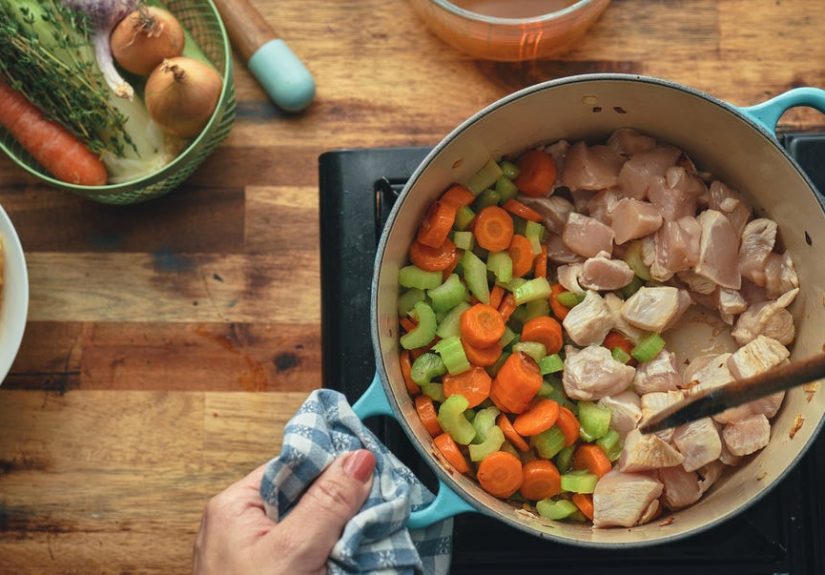
Sauté aromatics for sweetness and depth
Raw onions and garlic in a slow cooker are finebut sautéing them first makes them sweeter and richer. If your recipe has onions + garlic,
sauté them until translucent (or lightly golden) before adding.
Toast spices for a bolder “restaurant” taste
Ground spices (cumin, chili powder, paprika, curry powder) taste fuller when briefly heated in oil. A 30–60 second toast in the pan can make a
slow cooker chili taste like it’s been training for this moment.
Spices, herbs, and seasonings: what to add and when
Not all seasonings behave the same over long cooks. Some get better. Some get shy. And some can turn bitter if overcooked.
Add early (they like long cooks)
- Dried herbs: oregano, thyme, rosemary (use less than you think; they concentrate)
- Warm spices: cumin, coriander, smoked paprika, chili powder
- Whole spices: bay leaf, cinnamon stick, star anise (remove before serving)
Add mid-way or near the end (they fade over time)
- Fresh garlic (if you want a sharper garlic bite, add some near the end)
- Delicate herbs: basil, cilantro, parsley, chives
- Citrus zest: lemon/lime/orange zest for aroma
Use carefully (they can overpower or get bitter)
- Fresh rosemary and sage: powerfuluse small amounts or add late
- Alcohol: wine/beer can taste harsh if dumped in without reducing first; consider simmering 5 minutes before adding
- Hot peppers: heat can build over time; start small and adjust at the end
Umami boosters that don’t taste “weird” (just delicious)
Umami is that savory “more-ness” that makes soups and stews taste fuller. The trick is adding umami without turning your dinner into a science
experiment. Try one of these:
- Tomato paste: brown it in a pan first for extra depth.
- Soy sauce or tamari: a teaspoon or two in beef, chicken, or veggie stews boosts savory notes.
- Worcestershire sauce: classic for pot roast and chili.
- Miso paste: stir in near the end (don’t boil hard) for rich savoriness.
- Mushroom powder or dried mushrooms: especially great for vegetarian slow cooker recipes.
- Parmesan rind: simmer in soups or beans for a subtle, nutty depth (remove before serving).
Tip: Use one umami booster at a time at first. Flavor stacking is fun until it becomes “Why does my stew taste like a snack aisle?”
Salt and acid: the two knobs you should actually turn
If your slow cooker meal tastes “flat,” it usually needs salt, acid, or both. These two don’t just add flavor
they help you taste the flavor that’s already there.
Salt: season in layers
- Lightly salt the meat before browning.
- Add a modest amount early (especially for soups/stews).
- Adjust at the end once flavors concentrate and ingredients soften.
If you’re using salty ingredients (broth, soy sauce, canned beans), go easy early and correct at the finish line.
Acid: add it late for brightness
Acid perks up slow cooker dishes the way sunlight perks up a gloomy room. Add at the end so it stays bright:
- Vinegars: apple cider vinegar (pork, beans), red wine vinegar (beef), rice vinegar (Asian-style dishes)
- Citrus: lemon or lime juice for soups, chicken, carnitas, curries
- Pickled ingredients: pickled jalapeños, capers, pepperoncini
Start with 1 teaspoon, taste, then add more. Acid is powerfuland unlike glitter, you can’t always get it back out once it’s in.
Control liquid so flavor doesn’t get diluted
A common slow cooker mistake: adding too much liquid. Meat and vegetables release water as they cook, and the lid prevents evaporation. So if you
add “enough liquid to cover everything,” you might end up with a delicious broth and a less-delicious everything else.
Better rule of thumb
- For roasts and braises: add liquid about 1/4 to 1/2 of the way up the meat (not submerged).
- For soups: start with less broth than you think and add more later if needed.
- For saucy dishes: use thicker liquids (salsa, crushed tomatoes, coconut milk) instead of lots of thin broth.
Concentrate the cooking liquid
Want a richer taste? Swap water for stock. Use a reduced broth. Add a spoonful of better-than-bouillon-style paste (or a concentrated stock base).
Or add aromatics like garlic, onion, and bay leaf to the liquid so it carries flavor through the whole pot.
Finish strong: last-minute add-ins that wake everything up
This is where slow cooker meals go from “nice” to “can I get the recipe?” The end-of-cook finishers add aroma, brightness, and contrastthings
long cooking can’t deliver on its own.
Fresh herbs and greens
- Stir in chopped parsley or cilantro right before serving.
- Add baby spinach or kale in the last 5–10 minutes for color and freshness.
Bold sauces
- Hot sauce, chili crisp, harissa, or salsa verde for heat and tang
- Mustard or a little BBQ sauce for pulled pork
- Pesto swirled into chicken soup or white bean stew
Crunch and texture toppers
Texture is flavor’s best friend. Add a topping and suddenly your slow cooker meal tastes more “complete.”
- Toasted breadcrumbs or croutons
- Crispy fried onions
- Pickled onions
- Toasted nuts or seeds
- Fresh slaw on pulled pork or tacos
Fast fixes for bland slow cooker meals
Your slow cooker dinner is done, and it tastes like it was cooked with “thoughts and prayers.” Don’t panictry this quick troubleshooting order:
- Add salt (a small pinch, stir, taste).
- Add acid (a teaspoon of vinegar or lemon juice, stir, taste).
- Add umami (a splash of soy sauce or Worcestershire, or a small spoon of miso).
- Add aroma (fresh herbs, citrus zest, black pepper).
- Reduce the sauce (see below).
How to reduce sauce fast
If your dish is watery, remove the lid and cook on HIGH for 15–30 minutes if your slow cooker allows. Or ladle the liquid into a saucepan and
simmer until thickened, then pour it back in. For stews, a cornstarch slurry (cornstarch + cold water) can thicken quicklyadd gradually and stir
until glossy.
Flavor blueprints: 6 slow cooker meal examples
1) Slow cooker beef stew (deep and rich)
- Base: brown beef + sauté onions, carrots, celery; tomato paste browned in the pan
- Body: beef stock, potatoes, thyme, bay leaf
- Finish: splash of red wine vinegar + chopped parsley + black pepper
2) Slow cooker pulled pork (smoky and tangy)
- Base: rub with salt, paprika, cumin, brown sugar; sear if possible
- Body: onion, a little broth, optional chipotle or smoked paprika
- Finish: apple cider vinegar + BBQ sauce to taste + crunchy slaw
3) Slow cooker chili (bold and layered)
- Base: brown beef (or turkey); sauté onion + garlic; toast chili powder + cumin
- Body: crushed tomatoes, beans, a spoon of cocoa or coffee (optional, tiny amount)
- Finish: lime juice + cilantro + sharp cheddar or pickled jalapeños
4) Slow cooker chicken tortilla soup (bright and zippy)
- Base: sauté onions + garlic + cumin; add salsa or fire-roasted tomatoes
- Body: chicken thighs, broth, corn, beans
- Finish: lime + cilantro + tortilla strips + avocado
5) Slow cooker vegetarian lentil stew (savory without meat)
- Base: sauté onions + carrots + celery; tomato paste browned
- Body: lentils, broth, bay leaf; add dried mushrooms or mushroom powder
- Finish: lemon juice + olive oil drizzle + chopped parsley
6) Slow cooker curry (fragrant and balanced)
- Base: sauté curry paste/spices in oil (or toast curry powder) with onion and garlic
- Body: coconut milk + broth; chicken or chickpeas; sweet potato
- Finish: lime + fish sauce (tiny amount) + fresh basil or cilantro
Key takeaways: How to add flavour to slow cooker recipes
- Brown and sauté first when you canthis is the fastest path to deeper flavor.
- Layer seasoning (some early, some late) instead of dumping everything in at the start.
- Use umami wisely to add savoriness without making flavors muddy.
- Adjust with salt and acid at the end for a brighter, more balanced final taste.
- Control liquid so your dish tastes concentrated, not watered down.
Extra: 500-word experienceswhat actually worked for me
The first slow cooker meal I ever felt truly proud of was a basic pot roast… that I accidentally made bland enough to qualify as a “comfort food
meditation.” It was tender, sure. But flavor? It was like the roast had spent eight hours thinking about seasoning instead of using it.
That experience taught me the most important slow cooker lesson: tenderness is not the same as taste.
The fix wasn’t complicatedit was strategic. The next time, I browned the roast properly (no “lightly tan,” I mean actual golden crust), then
sautéed onions until they smelled sweet instead of sharp. I even browned tomato paste for a minute, which felt like a tiny chef flex. The slow
cooker did the long work, but the pan did the flavor work. That roast came out tasting like I’d done something impressive, when really I’d just
taken a few minutes to build a foundation.
Another big learning moment: the end matters more than you think. I used to taste slow cooker soup and keep adding salt,
wondering why it still felt flat. Then I discovered the “acid finish” trick. A little lemon juice in chicken soup. A teaspoon of vinegar in bean
stew. A splash of lime in chili. Suddenly the same pot tasted brighter and more “alive,” like it had opened a window and let fresh air in.
I now treat acid like the final edit on a good story: it’s not the plot, but it makes the plot work better.
I’ve also learned to be careful with delicate flavors. Fresh herbs added at the beginning often disappear into the background. But the same herbs
stirred in right before serving smell amazing and taste vibrant. The first time I finished a slow cooker curry with fresh cilantro and lime zest,
it went from “good weeknight dinner” to “why does this taste like it came from a place with cloth napkins?” It wasn’t magicit was timing.
And then there’s the slow cooker’s sneaky villain: too much liquid. I used to pour in broth like I was filling a swimming pool.
The result was a diluted sauce and the feeling that something was missing. Once I started using less liquidand using thicker, flavorful liquids
like crushed tomatoes, salsa, or coconut milkthe taste got stronger with zero extra effort. If I ended up with too much broth anyway, I learned
to reduce it in a saucepan at the end. It’s a little extra step, but it turns “watery” into “wow.”
My current slow cooker flavor routine is simple: brown when it matters, season in layers, finish with acid and something fresh, and always add one
texture topping if the dish feels “soft.” Crispy onions on chili. Toasted pepitas on stew. Tortilla strips on soup. That crunch makes the whole
meal feel intentionaleven if I made it while answering emails and pretending I’m a productivity influencer.