Table of Contents >> Show >> Hide
- What Are Narcotics?
- Narcotics vs. Opioids: Is There a Difference?
- Common Examples of Narcotics
- Medical Uses of Narcotics
- How Narcotics Work in the Body
- Short-Term Effects of Narcotics
- Long-Term Effects and Risks
- What Is Opioid Use Disorder?
- Signs of a Narcotic Overdose
- Naloxone: A Safety Tool That Saves Lives
- How to Use Prescription Narcotics Safely
- Who Is at Higher Risk?
- Myths About Narcotics
- Alternatives to Narcotics for Pain
- When to Call a Doctor
- Experiences Related to Narcotics: Real-World Lessons Patients and Families Often Learn
- Conclusion
The word “narcotics” sounds like it belongs in a gritty police drama, probably whispered by someone wearing sunglasses indoors. In real life, though, the term is less dramatic and much more important. Narcotics usually refer to opioid drugssubstances that act on the brain and nervous system to relieve pain, create sedation, and, when misused, cause dependence, addiction, overdose, or death.
Some narcotics are prescribed by doctors after surgery, injury, cancer treatment, or severe pain. Others, such as heroin or illegally made fentanyl, are sold outside medical settings and carry a high risk of harm. Because the same drug family can include both hospital pain medicine and dangerous street drugs, understanding narcotics is not just “nice to know.” It is practical safety knowledge for patients, parents, caregivers, workers, and anyone with a medicine cabinet.
What Are Narcotics?
In medical and legal language, “narcotics” most often means opioids. Opioids are natural, semi-synthetic, or synthetic drugs that bind to opioid receptors in the body. These receptors help control pain, mood, breathing, digestion, and reward. When opioids attach to them, pain signals may quiet down. That is the helpful part. The less helpful part? The same process can also slow breathing, cause drowsiness, trigger euphoria, and train the brain to want more.
The term “narcotic” is sometimes used loosely, especially in law enforcement, to describe illegal drugs in general. However, medically speaking, narcotics are usually opioid pain-relieving drugs. That difference matters because not every controlled substance is a narcotic, and not every narcotic is illegal. Morphine in a hospital is not the same situation as a counterfeit pill bought online, even though both may affect opioid receptors.
Narcotics vs. Opioids: Is There a Difference?
In everyday conversation, “narcotic” and “opioid” are often used as if they mean the same thing. Technically, “opioid” is the clearer medical term. It includes natural opioids such as morphine and codeine, semi-synthetic opioids such as oxycodone and hydrocodone, and synthetic opioids such as fentanyl and methadone.
“Narcotic” is an older, broader word. It originally referred to substances that dull the senses or induce sleep. Today, U.S. agencies often use it to refer to opioid analgesics. For SEO and reader clarity, this article uses both terms naturally: narcotics, opioid drugs, prescription opioids, opioid pain medicine, narcotic analgesics, and opioid safety.
Common Examples of Narcotics
Narcotics can be prescription medications, drugs used in hospitals, medications for opioid use disorder, or illegal substances. The legal status depends on the drug, its approved medical use, and how it is obtained.
Prescription Narcotics
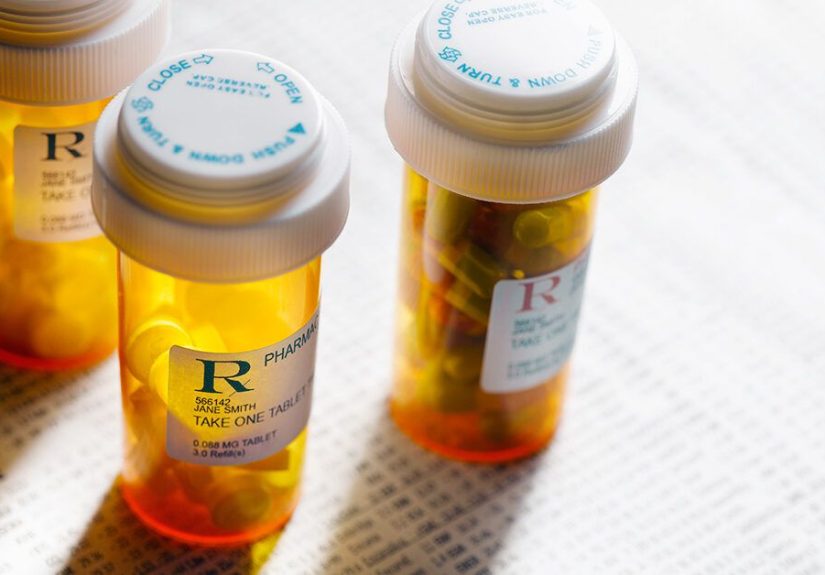
Prescription opioids are used for moderate to severe pain when other treatments are not enough or cannot be used. Common examples include:
- Morphine: often used for severe pain, surgical pain, trauma, or cancer-related pain.
- Oxycodone: found in products used for serious pain; misuse can cause overdose.
- Hydrocodone: commonly prescribed in combination with acetaminophen for pain.
- Codeine: sometimes used for pain or cough, though use is more restricted than in the past.
- Hydromorphone: a powerful opioid used for severe pain.
- Fentanyl: a very strong synthetic opioid used medically in carefully controlled settings.
- Tramadol: an opioid-like pain medicine with its own risks for dependence and side effects.
Illegal or Nonmedical Narcotics
Some narcotics are illegal or become illegal when used without a prescription. Heroin is an illegal opioid made from morphine. Illegally made fentanyl is a major driver of overdose deaths because it is extremely potent and may be mixed into counterfeit pills, cocaine, methamphetamine, or heroin without the user knowing. In other words, the drug supply has become a bad mystery boxand nobody should gamble with a mystery box that can stop breathing.
Medications Used to Treat Opioid Use Disorder
Not all opioid-related medications are used simply for pain. Methadone and buprenorphine may be used as evidence-based treatments for opioid use disorder. These medications can reduce cravings and withdrawal symptoms when prescribed and monitored properly. Naltrexone, while not a narcotic, blocks opioid effects and may also be part of treatment for some people.
Medical Uses of Narcotics
Narcotics are not “bad” by default. In medicine, they can be powerful tools when used carefully. The problem is not that opioids exist; the problem is that they require respect, monitoring, and a clear reason for use.
Severe Acute Pain
Opioids may be prescribed after major surgery, serious injury, burns, or other painful conditions. They are usually intended for short-term use at the lowest effective dose. For many patients, this means a few days rather than weeks or months.
Cancer and Palliative Care
Narcotics can play an important role in cancer pain, hospice care, and palliative care. In these settings, comfort and quality of life are central goals. A patient with severe cancer pain should not be expected to “just breathe through it” like they are trying to survive a dental cleaning with meditation.
Anesthesia and Hospital Care
Drugs such as fentanyl and morphine may be used before, during, or after surgery. In hospitals, they are given by trained professionals who monitor breathing, blood pressure, sedation, and other safety concerns.
How Narcotics Work in the Body
Narcotics work by binding to opioid receptors in the brain, spinal cord, and other tissues. This can reduce the perception of pain and change the emotional reaction to pain. That is why someone with a broken bone may still have an injury, but the pain feels less overwhelming after receiving an opioid.
Opioids also affect the brain’s reward system. Some people experience relaxation or euphoria, especially when opioids are taken in high doses, used differently than prescribed, or taken without medical need. This reward effect can increase the risk of repeated use, tolerance, dependence, and opioid use disorder.
Short-Term Effects of Narcotics
The short-term effects of narcotics depend on the drug, dose, route of use, health of the person, and whether alcohol, benzodiazepines, sleep medicines, or other sedatives are involved. Common short-term effects include:
- Pain relief
- Drowsiness or sleepiness
- Relaxation
- Nausea or vomiting
- Constipation
- Itching or sweating
- Mental fog or confusion
- Slower breathing
- Impaired judgment and coordination
That “mental fog” is one reason people should not drive, operate machinery, or make big decisions while affected by narcotics. This is not the moment to sign a contract, climb a ladder, or text your ex with “just one quick thought.”
Long-Term Effects and Risks
Long-term opioid use can create serious risks, even when the medication began as a legitimate prescription. Some people develop tolerance, meaning the same dose provides less effect over time. Others develop physical dependence, meaning the body adapts and withdrawal symptoms appear when the drug is stopped suddenly.
Long-term effects and risks may include chronic constipation, hormonal changes, increased sensitivity to pain, sleep problems, depression, reduced concentration, falls, fractures, and opioid use disorder. The risk rises when opioids are taken at higher doses, used for longer periods, mixed with other sedatives, or taken without medical supervision.
What Is Opioid Use Disorder?
Opioid use disorder is a medical condition, not a character flaw or a failure of willpower. It involves a pattern of opioid use that causes significant impairment or distress. Signs may include cravings, inability to cut down, spending a lot of time getting or using opioids, neglecting responsibilities, continuing use despite harm, or using opioids in dangerous situations.
Effective treatment exists. Medication-assisted treatment, counseling, harm reduction services, recovery support, and medical care can help people recover. Shame is not a treatment plan. It is more like a brick in someone’s backpack.
Signs of a Narcotic Overdose
Opioid overdose is a medical emergency. Narcotics can slow or stop breathing, which can lead to brain injury or death. Warning signs may include:
- Very slow, shallow, or stopped breathing
- Unconsciousness or inability to wake up
- Blue, gray, or purple lips or fingernails
- Pinpoint pupils
- Cold, clammy, or pale skin
- Gurgling, choking, or snoring-like sounds
- Limp body
- Slow heartbeat
If an overdose is suspected, call 911 immediately and give naloxone if available. Naloxone can reverse opioid overdose temporarily, but emergency care is still needed because symptoms can return. If the person is not breathing normally, rescue breathing or CPR may be necessary until help arrives.
Naloxone: A Safety Tool That Saves Lives
Naloxone is a medication that rapidly blocks opioid receptors and can reverse slowed breathing caused by opioid overdose. It is available in nasal spray and injectable forms. Many states allow naloxone to be purchased without an individual prescription, and communities increasingly place it in schools, workplaces, libraries, and public buildings.
Keeping naloxone nearby is not “encouraging drug use.” It is more like keeping a fire extinguisher in the kitchen. Nobody buys a fire extinguisher because they are excited to burn dinner. They buy it because emergencies happen, and quick action matters.
How to Use Prescription Narcotics Safely
Prescription narcotics should be used exactly as directed by a licensed healthcare professional. Safe use starts before the first pill is taken.
Ask Questions Before Taking an Opioid
Patients should ask why the opioid is needed, how long it should be used, what side effects to watch for, whether non-opioid options are available, and how to stop safely. For short-term pain, many people can transition to acetaminophen, nonsteroidal anti-inflammatory drugs, physical therapy, ice, heat, rest, or other approaches when appropriate.
Follow the Prescription Exactly
Taking extra doses, taking doses more often, crushing extended-release tablets, or combining opioids with alcohol can be dangerous. Extended-release medications are designed to release slowly. Breaking that design can deliver too much opioid at once, which is a very bad plot twist.
Avoid Dangerous Combinations
Narcotics should not be mixed with alcohol, benzodiazepines, sleeping pills, muscle relaxers, or other sedating substances unless a clinician specifically approves and monitors the combination. These substances can stack their effects on breathing and alertness.
Store Narcotics Securely
Keep opioids in a locked cabinet or lockbox, away from children, teens, visitors, and pets. Do not leave them in a purse, backpack, bathroom drawer, or kitchen counter. A medicine bottle is not a community snack jar.
Dispose of Leftover Medication
Unused opioids should be disposed of promptly through a drug take-back program, pharmacy disposal option, mail-back envelope, or FDA-recommended disposal method. Never share prescription narcotics. A medication that is safe for one patient may be dangerous or deadly for someone else.
Who Is at Higher Risk?
Some people face higher risks from narcotics. This includes people with sleep apnea, lung disease, liver or kidney problems, older adults, pregnant people, people with a history of substance use disorder, people taking sedatives, and those with depression or other mental health conditions. Genetics, environment, trauma, access to care, and social support can also influence risk.
Higher risk does not mean someone can never receive pain relief. It means the care plan should be more careful, more personalized, and more closely monitored.
Myths About Narcotics
Myth 1: Prescription Means Risk-Free
Prescription opioids can be appropriate, but they are not risk-free. They can cause dependence, overdose, and dangerous interactions, especially when misused.
Myth 2: Addiction Only Happens to “Other People”
Opioid use disorder can affect people from any background. It does not check ZIP codes, job titles, or whether someone owns a reusable water bottle.
Myth 3: If Pain Is Real, Addiction Cannot Happen
Real pain and opioid use disorder can exist in the same person. Compassionate medical care recognizes both pain relief and safety.
Myth 4: Naloxone Is Only for People Who Use Illegal Drugs
Naloxone can help reverse overdose from prescription opioids, heroin, fentanyl, and other opioids. Families with prescription opioids at home may benefit from having naloxone available.
Alternatives to Narcotics for Pain
Not every pain problem requires an opioid. Depending on the condition, alternatives may include acetaminophen, ibuprofen or naproxen, topical pain relievers, nerve pain medications, antidepressants used for pain, physical therapy, exercise therapy, injections, surgery, cognitive behavioral therapy, acupuncture, massage, heat, ice, and lifestyle changes.
The best pain plan is not always the strongest pill. Often, it is a combination of treatments that reduces pain while helping the person function better. Pain management should aim for real life: walking the dog, sleeping through the night, returning to work, cooking dinner, or sitting through a movie without bargaining with your spine.
When to Call a Doctor
Call a healthcare professional if pain is not controlled, side effects are severe, you feel unusually sleepy, you are taking more than prescribed, you feel cravings, or you are worried about dependence. Never stop long-term opioids suddenly without medical guidance, because withdrawal can be intense and sometimes medically complicated.
Call 911 for suspected overdose, slowed breathing, unconsciousness, blue lips, or inability to wake someone. In overdose situations, waiting to “see if they sleep it off” can be fatal.
Experiences Related to Narcotics: Real-World Lessons Patients and Families Often Learn
Many people first encounter narcotics after surgery, dental work, a serious injury, or a painful medical condition. The experience can be confusing because opioids may help dramatically at first. Someone who could barely stand after surgery may take a prescribed pill and finally sleep. That relief is real, and it matters. But the lesson many patients learn is that relief should come with a plan. How many days should the medicine be used? What side effects are expected? When should non-opioid pain relief take over? A prescription without a plan can feel like being handed car keys without directions.
Families often learn another lesson: storage matters more than people think. A half-used bottle left in a bathroom cabinet can sit there for months. A curious teen, a visitor, or someone struggling privately may find it. Many opioid misuse stories begin not with a shadowy alley but with an unlocked medicine cabinet next to the toothpaste. Safe storage may feel boring, but boring is excellent when the alternative is an emergency.
Caregivers also discover that narcotic side effects can be surprisingly ordinary before they become dangerous. Constipation, nausea, sleepiness, and confusion may seem manageable at first, but they deserve attention. Older adults are especially vulnerable to falls and mental fog. A family member who appears “just tired” may actually be overly sedated. Checking breathing, alertness, and medication timing can prevent problems.
Another common experience is fear of discussing opioid concerns with a doctor. Patients may worry they will be judged if they say the medicine makes them feel euphoric, or that they are craving the next dose, or that stopping feels harder than expected. Honest conversations are essential. Clinicians have heard these concerns before. The goal is not to scold the patient; the goal is to adjust treatment safely.
People in recovery often describe naloxone access as a turning point. It does not cure opioid use disorder, but it keeps people alive long enough to reach treatment, rebuild relationships, and make new choices. Communities that treat overdose response like basic first aid send a powerful message: your life is worth saving today, even if yesterday was messy.
The final lived lesson is balance. Narcotics can be helpful, harmful, or lifesaving depending on context. A carefully monitored morphine dose after surgery is very different from an unknown counterfeit pill. The safest approach is not panic and not carelessness. It is knowledge, communication, secure storage, proper disposal, naloxone access, and respect for how powerful these medications are.
Conclusion
Narcotics, most commonly known as opioids, are powerful drugs that can relieve severe pain but also carry serious risks. Examples include morphine, oxycodone, hydrocodone, codeine, fentanyl, methadone, tramadol, and heroin. Their medical uses are legitimate, especially for severe pain, surgery, cancer care, and palliative care. Yet misuse can lead to dependence, opioid use disorder, overdose, and death.
The safest way to approach narcotics is with clear information and practical habits: use them only as prescribed, avoid alcohol and sedatives, store them securely, dispose of leftovers, ask about alternatives, and keep naloxone available when appropriate. Narcotics are not casual medications. They are powerful toolsmore chainsaw than butter knife. Useful? Absolutely. Something to handle carelessly? Not unless you enjoy avoidable disasters.
Note: This article is for educational purposes only and should not replace medical advice, diagnosis, emergency care, or treatment from a licensed healthcare professional.