Table of Contents >> Show >> Hide
- The simplest definition (aka, what you can say confidently at brunch)
- The anatomy of an éclair: shell, filling, and the glossy hat
- What makes choux pastry different from “regular” dough?
- So… is an éclair a donut? A cream puff? A pastry submarine?
- Where did the éclair come from, and why is it called “lightning”?
- Common éclair styles you’ll see (and how to decode them like a pastry detective)
- How to spot a great éclair (so you don’t waste calories on a sad one)
- Storage and serving: why éclairs are divas (in the most lovable way)
- Want to make éclairs at home? Here’s the practical roadmap
- Why éclairs are still popular (besides the obvious: cream)
- Final bite: what exactly is an éclair?
- Éclair Experiences: What It’s Like to Meet One in the Wild
An éclair looks like it was invented by a pastry chef who thought, “What if a donut had better posture and a graduate degree?”
It’s sleek, shiny, and suspiciously good at disappearing in under 90 seconds. But beyond the bakery display-case glamour, an
éclair is a very specific kind of French pastry with a simple (and wonderfully dramatic) construction: a crisp, hollow shell,
a creamy filling, and a glossy topping.
Let’s break down what an éclair actually is, what it’s made of, why it sometimes tastes like a dream and sometimes like a
regrettable pudding sandwich, and how this “lightning bolt” dessert earned its fame.
The simplest definition (aka, what you can say confidently at brunch)
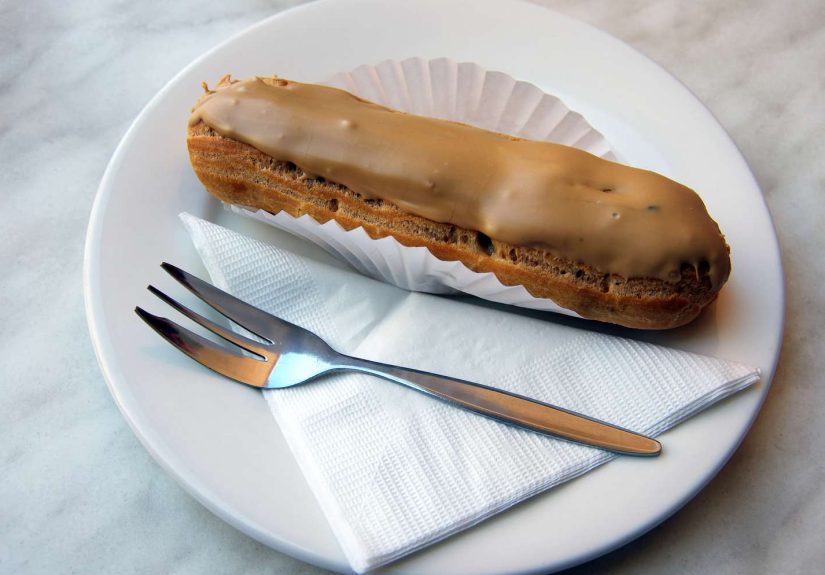
An éclair is an oblong pastry made from choux pastry (also called pâte à choux), baked until crisp and hollow, then
filled with a creamy mixture like pastry cream (crème pâtissière), custard, or whipped cream, and finished with a toppingmost
famously chocolate.
In other words, an éclair is a three-part harmony:
(1) a shell that puffs dramatically in the oven,
(2) a filling that makes you close your eyes for a second,
and (3) a topping that gives it that “I’m fancy” shine.
The anatomy of an éclair: shell, filling, and the glossy hat
1) The shell: choux pastry that puffs up and hollows out
The éclair’s body is made from choux pastry, a unique dough/paste that starts on the stovetop and finishes in the oven.
When baked correctly, it becomes light, crisp on the outside, and hollow insidelike a tiny edible canoe built to carry cream.
The magic trick here is steam. Choux pastry contains a lot of moisture; as it bakes, that moisture turns to steam, inflating
the pastry from the inside. That’s why a good éclair shell isn’t dense like cake or flaky like puff pastryit’s airy and structured,
with a cavity designed for filling.
2) The filling: pastry cream, custard, or whipped cream (choose your fighter)
Classic éclairs are often filled with pastry creama thick, rich custard cooked on the stovetop, commonly flavored with vanilla.
It’s smooth like pudding, but sturdier and silkier, so it can be piped cleanly into the shell.
Depending on the bakery, you might also find éclairs filled with:
- Chocolate pastry cream (deep cocoa flavor, less “sweet milk,” more “dark chocolate hug”)
- Coffee pastry cream (the “I drink espresso and have opinions” version)
- Whipped cream or Chantilly (lighter, softer, more delicate)
- Hybrid creams (like pastry cream folded with whipped cream for extra airiness)
The filling matters because it’s the main event. The shell is the stage, the topping is the spotlight, and the cream is the lead actor
who demands applause.
3) The topping: chocolate glaze, fondant icing, or modern “designer runway” finishes
The iconic éclair finish is a chocolate glazesometimes a ganache-style topping, sometimes a fondant-based icing, depending on the style.
The goal is the same: a smooth, shiny layer that sets on top, adds sweetness and flavor, and gives the pastry that polished look.
Modern pastry shops also get creative. You’ll see fruit glazes, nutty toppings, caramel finishes, and decorative piping that looks like it belongs
in an art museum with security guards.
What makes choux pastry different from “regular” dough?
If you’ve ever made cookies, you’re used to mixing ingredients and baking. Choux pastry is a little more theatrical. It’s made in two main stages:
cooked first on the stovetop, then baked (or sometimes fried) to puff.
Stage 1: cooking the paste
Choux starts by heating water (sometimes milk), butter, and salt, then stirring in flour to form a thick paste. This cooking step helps
gelatinize starches and creates structure. You’ll often hear bakers talk about cooking until a thin film forms on the bottom of the pan
a classic sign that moisture is evaporating and the paste is ready.
Stage 2: adding eggs for structure and lift
Eggs get beaten in after the paste cools slightly. This is where the dough becomes glossy and pipeable. The eggs provide structure,
emulsification, and the “puff power” that helps create that hollow interior.
Stage 3: baking for rise, then drying for crispness
Choux needs enough time in the oven not only to rise but also to dry out. If it’s underbaked, it can collapse or become soggy once cooled.
That’s why good éclair shells feel light, crisp, and sturdynot soft like a hot dog bun (tragic), and not wet like a rainy sponge (also tragic).
So… is an éclair a donut? A cream puff? A pastry submarine?
An éclair is part of the choux family, which includes cream puffs (round), profiteroles (round, often with ice cream), and savory gougères (cheese puffs).
Same basic dough, different shapes and destinies.
If a cream puff is choux pastry wearing a fluffy winter coat, an éclair is choux pastry in a tailored suit.
Same material. Different vibe.
Where did the éclair come from, and why is it called “lightning”?
Éclairs are strongly associated with French pâtisserie, and most food histories place their popularization in the 19th century, when choux-based
pastries became more refined and showpiece-worthy. Culinary writers commonly link their development to the broader evolution of French pastry work
during that era.
The name comes from the French word for “lightning” (éclair). Why lightning? The most repeated explanations are:
it’s eaten “in a flash” (because it’s that good), or the glossy icing resembles a shiny streak.
Either way, the pastry earned a name that sounds fastand it tends to live up to it.
Common éclair styles you’ll see (and how to decode them like a pastry detective)
Classic chocolate éclair
The most familiar version: choux shell + vanilla or chocolate pastry cream + chocolate glaze. It’s the little black dress of the éclair world:
classic, dependable, and always invited to the party.
Coffee, caramel, and nut-forward éclairs
Coffee-flavored filling is a longtime favorite, and caramel or praline flavors show up often in modern pastry shops. Nut garnishes (hazelnut, almond,
pistachio) add crunch and a deeper flavor that balances sweetness.
Fruit éclairs
Fruit versions often use a lighter cream and a fruit glaze (or a thin layer of icing) on top. These tend to feel brighter and less heavy,
with a sweet-tart punch that makes you think, “This is basically health food.” (It’s not, but we support your optimism.)
“Frozen éclairs” and American-inspired variations
In the U.S., you’ll also see desserts labeled “éclair” that aren’t classic éclairslike frozen versions filled with ice cream,
or the popular “éclair cake” (often an icebox-style dessert layered with crackers or cookies, pudding, and frosting).
They’re inspired by the flavor profilecream + chocolatemore than the traditional choux construction.
How to spot a great éclair (so you don’t waste calories on a sad one)
A truly good éclair is a study in contrast: crisp shell, creamy interior, smooth topping. Here’s what to look for:
- Shell texture: crisp and light, not soggy or bready.
- Hollow interior: enough space for filling, not dense all the way through.
- Filling quality: smooth, rich, and not overly sweet; it should taste like real dairy and vanilla (or chocolate/coffee), not just sugar.
- Balance: the best éclairs don’t rely on frosting thickness to do the emotional labor.
- Freshness: éclairs are best the day they’re assembled; time is the natural enemy of crisp choux.
Storage and serving: why éclairs are divas (in the most lovable way)
Choux pastry hates humidity. Pastry cream needs refrigeration. Put them together and you get a dessert that’s glorious… and time-sensitive.
That’s why many bakers store shells and filling separately and assemble close to serving.
If you’re buying éclairs:
- Plan to eat them the same day for the best shell texture.
- Keep them refrigerated, but let them sit a few minutes before eating so flavors bloom.
- Don’t leave them uncovered in the fridge (they’ll dry out and absorb weird fridge vibes).
Want to make éclairs at home? Here’s the practical roadmap
Homemade éclairs are absolutely doable, but they reward patience and attentionlike a cat that finally lets you pet it.
The process boils down to three components:
1) Make the choux pastry
- Cook water/milk + butter + salt, then add flour to form a paste.
- Cook briefly to dry it out (this helps prevent collapse).
- Beat in eggs gradually until glossy and pipeable.
- Pipe into logs and bake until deeply golden and dry.
2) Make the pastry cream
- Heat milk (often with vanilla), whisk yolks + sugar + thickener, then cook until thick.
- Chill fully so it sets and pipes cleanly.
3) Fill and glaze
- Pipe filling into cooled shells (or slice and fill).
- Top with chocolate glaze or icing; let it set.
Common home-baker pitfalls (and how to dodge them)
- Collapsed shells: usually underbaked or not dried enoughleave them in until firm and golden.
- Runny choux dough: too many eggsadd eggs slowly and stop when the texture is right.
- Lumpy pastry cream: keep whisking, strain if needed, and don’t crank the heat like you’re starting a lawnmower.
- Soggy éclairs: assemble too earlyfill close to serving for maximum crispness.
Why éclairs are still popular (besides the obvious: cream)
Éclairs hit a rare sweet spot: they’re elegant without being precious, structured without being dry, and customizable without losing their identity.
A bakery can riff on flavors endlesslyvanilla, chocolate, coffee, fruit, nut pasteswhile the basic éclair “idea” stays recognizable.
Plus, an éclair is a dessert with built-in drama. It’s shiny. It’s filled. It’s slightly messy in a way that makes you feel alive.
It’s basically a controlled pastry event.
Final bite: what exactly is an éclair?
An éclair is a classic French choux pastry shaped into a log, baked until hollow and crisp, filled with pastry cream (or another creamy filling),
and topped with icingoften chocolate. When it’s fresh and well-made, it’s one of the best “simple” desserts on earth: crisp, creamy, sweet, and
just sophisticated enough to make you sit up straighter while you eat it.
Éclair Experiences: What It’s Like to Meet One in the Wild
If you’ve ever had a really good éclair, you probably remember the moment in oddly cinematic detail. First comes the visual: a glossy chocolate top
that catches the light like it’s auditioning for a skincare commercial. Then the smellsoft vanilla, cocoa, warm buttersubtle, but persuasive.
Even before the first bite, an éclair has a way of making you feel like you made excellent life choices today.
The first bite is usually where the truth reveals itself. A great éclair makes a gentle crackle as the choux shell gives way, then the filling
arrives like a smooth tidal wave. There’s a brief second where you realize the ratio is perfectcrisp shell, creamy center, chocolate finishand your
brain goes quiet. Not “quiet because you’re thinking deeply,” quiet because your mind is busy filing this under: important happiness.
Then there are the less perfect experiencesthe “learning moments,” if we’re being polite. You’ve probably met the éclair that looks gorgeous but
bites like a soft sandwich roll. Or the one with filling that tastes like it came from a packet that said “just add regret.” Maybe you’ve even had
a refrigerated éclair that’s been sitting long enough for the shell to surrender to moisture, turning from crisp to spongy. Those éclairs teach you
something valuable: this pastry is not just about flavor; it’s about texture and timing. Freshness isn’t a bonus featureit’s the whole plot.
If you’ve tried making éclairs at home, you’ve likely experienced the emotional roller coaster of choux pastry. There’s the hopeful piping stage,
where you’re convinced your logs are uniform and professional (they are not, but confidence is important). Then baking begins, and suddenly the oven
window becomes your favorite TV show. You watch them puff and think, “I have become a person who bakes French pastries.” Five minutes later you’re
whispering, “Please don’t collapse,” like you’re coaching a tiny pastry team to victory.
And when it workswhen the shells cool with that hollow interior intactit feels ridiculously satisfying. Filling them is its own experience, too:
you can feel the pastry grow heavier in your hand as the pastry cream goes in, like it’s being upgraded from “snack” to “serious dessert.”
Then comes the glaze, which somehow makes everything look more official. Even if the tops aren’t perfectly smooth, the moment you see that chocolate
sheen, you understand why bakeries display éclairs front and center. They’re edible confidence.
The most relatable éclair experience might be this: you plan to “save half for later.” You cut it carefully, like a responsible adult.
You eat the first half slowly, appreciating the craftsmanship. Then you look at the second half and realize you’ve made a terrible mistake by leaving
it unattended. The second half doesn’t feel like leftovers; it feels like a promise. And in a flashtrue to the namethe éclair is gone.