Table of Contents >> Show >> Hide
- What Faux Painting Means (In Plain English)
- Why Faux Finishes Work: The Simple Science of “Depth”
- Tools and Materials You’ll Actually Use
- Faux Painting Basics: Prep, Base, Glaze, Repeat
- Faux Painting Techniques (From Beginner-Friendly to “I Watched Three Tutorials”)
- Faux Painting Ideas You Can Steal (Respectfully) for Your Home
- How to Choose Colors Without Regretting Everything
- Common Faux Painting Mistakes (and How to Avoid Them)
- DIY vs. Hiring a Pro: Time, Cost, and Realistic Expectations
- Experiences With Faux Painting: What People Learn After the First Wall (About )
- Conclusion
Faux painting is basically the interior-design version of a movie stunt double: it makes a wall, ceiling, or piece
of furniture look like something it’s notmarble, linen, weathered wood, old plaster, brickwithout the
matching price tag (or the matching weight, dust, and contractor schedule).
If you remember faux finishes from the “Tuscan kitchen” era, you’re not imagining things. Faux painting had a big
moment, then got unfairly blamed for every sponge-painted bathroom of 1998. But here’s the twist: faux painting
never actually left. It just grew up. Today’s faux finishes are more subtle, more layered, and way more likely to
say “soft limewash vibe” than “I rolled this with a crumpled grocery bag and called it art.”
In this guide, you’ll learn what faux painting is, how it works (spoiler: base coat + translucent glaze +
texture), the most popular faux finish techniques, and practical ideas for where to use themplus a longer,
real-world section on the experiences DIYers tend to have when they actually pick up the sponge.
What Faux Painting Means (In Plain English)
Faux painting (also called faux finishing) is a set of decorative paint techniques
designed to imitate the look of higher-end materials or aged surfaces. Instead of installing stone, plaster, or
wood paneling, you use paint, glaze, and tools to create depth and variation that “reads” like the real thing
from across the room.
Faux painting can be dramatic (a convincing faux marble tabletop) or whisper-quiet (a barely-there color wash that
makes flat drywall look like old-world plaster). The best results are intentional: the texture has a plan, the
color has a purpose, and the finish looks “layered,” not “oops.”
Why Faux Finishes Work: The Simple Science of “Depth”
Most faux paint finishes rely on translucency. A glaze is semi-transparent, so it lets the base
color show through while adding a second (or third) tint on top. When you manipulate the glazedab, drag, roll,
wipeyou create irregular patterns that mimic natural variation found in stone, fabric, plaster, and wood.
Think of it like Instagram lighting for your walls: the surface suddenly has dimension, shadows, and highlights,
even though it’s still… drywall. (Drywall with better PR.)
Tools and Materials You’ll Actually Use
You don’t need a studio full of mysterious brushes. Most faux painting projects start with a short, sensible list:
- Base coat paint (often eggshell or matte; matte can be easier for glazing)
- Glaze (clear mixing glaze or a ready-to-use faux glaze)
- Tint paint (the color you mix into the glaze)
- Painter’s tape and drop cloths (because gravity is undefeated)
- Rollers and brushes (for base coat and cutting in)
- Application tools: natural sea sponge, synthetic sponge, rags, cheesecloth, soft brushes, combs, or a specialty graining tool
- Practice surface: foam board, cardboard, or sample drywall (your future self will thank you)
- Topcoat (optional): clear coat for tabletops, cabinets, or high-touch furniture
A quick word about glaze (because it’s the MVP)
Glaze is the medium that keeps your faux finish workable long enough to manipulate. Some glazes are water-based
(easier cleanup, faster dry time). Others are oil/alkyd-based (longer working time, but stronger odor and solvent
cleanup). If you’re new to faux painting, water-based glaze is typically the friendlier first date.
Faux Painting Basics: Prep, Base, Glaze, Repeat
A faux finish is only as good as what’s underneath it. If your wall is dirty, glossy, or bumpy in a “not charming”
way, the finish will highlight every issue like a spotlight on opening night.
Step 1: Prep like you mean it
- Clean the surface (grease and dust are texture’s worst friends).
- Patch holes and sand smooth.
- Prime if needed (especially over stains, repairs, or glossy paint).
- Remove or mask outlet covers and trim.
Step 2: Lay down your base coat
Your base coat is the “background color” that peeks through the glaze. Let it dry fully. Faux painting rewards
patience and punishes “it seems dry-ish.”
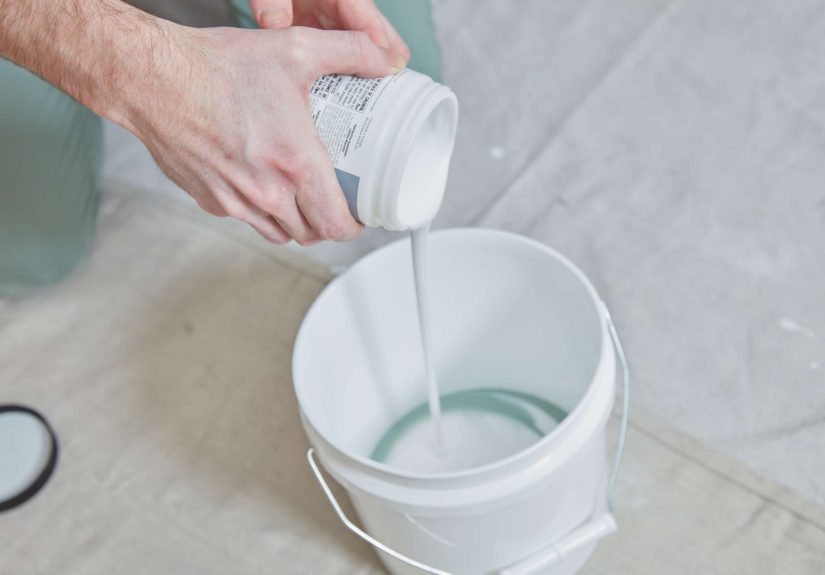
Step 3: Mix a workable glaze
Most techniques use glaze tinted with a small amount of paint. Start lighter than you think; you can always add
another layer, but you can’t un-paint a wall without a dramatic monologue and a weekend.
Step 4: Work in sections and keep a wet edge
Faux finishes are usually applied in small areas (like 3×3 or 4×4 feet). You want the glaze wet while you texture
it, blend it, and make it look intentional.
Faux Painting Techniques (From Beginner-Friendly to “I Watched Three Tutorials”)
Sponge Painting
Sponge painting creates a soft, mottled texturegreat for adding movement to flat walls. It’s one of the most
approachable faux finishes because the pattern is supposed to be irregular.
- Apply base coat and let it cure fully.
- Mix glaze with a coordinating accent color.
- Dampen a sea sponge, wring well, then dab into the glaze mixture.
- Blot excess on paper, then dab lightly in a random pattern.
- Rotate the sponge often so you don’t stamp repeating shapes.
- Step back frequently to check for heavy spots and fill gaps gently.
Best for: bedrooms, hallways, powder rooms, and subtle accent walls.
Looks like: soft stone variation or gentle aged plasterdepending on color choices.
Rag Rolling (and Ragging)
Rag rolling is related to sponge painting, but it tends to create a more fabric-like, broken color effect. You roll
or twist a rag and move it through wet glaze to create texture. It’s forgiving, but it’s faster-paced than it looks.
- Apply glaze to a small wall section using a roller or brush.
- While wet, roll a bunched-up rag over the surface (or twist and dab for ragging).
- Change direction and pressure to avoid a “barcode” pattern.
- Switch rags when they get saturated.
Pro tip: Many DIYers find rag rolling easier with two people: one applies glaze, the other textures.
Color Washing
Color washing uses a translucent layer to create a soft, cloudy depthoften described as “old world,” “sun-washed,”
or “Mediterranean,” depending on your palette. It can be brushed on for more texture or applied with a sponge/rag
for a softer look.
- Choose a base coat (often lighter) and a glaze color (often deeper).
- Mix glaze and paint until it’s translucent, not opaque.
- Apply in loose, overlapping strokes or circular motions.
- Soften edges with a dry brush or rag as you go.
- Build layers slowly until it looks naturally varied.
Best for: dining rooms, living rooms, entrywaysplaces where you want warmth and texture without a busy pattern.
Strié (Dragging) for a Faux Fabric Look
Strié is the technique behind many faux linen and denim looks. You apply tinted glaze, then drag a dry brush
(or specialty tool) through it to create fine lines. The result can be crisp and tailored or soft and breezy.
- Apply glaze evenly.
- Drag a dry brush vertically (or horizontally) in long strokes.
- Wipe the brush often to avoid buildup.
- Overlap sections carefully so the lines stay continuous.
Works best on: smooth walls in good condition, because strié is not here to hide drywall drama.
Antiquing Glaze (Aging and Patina)
Antiquing is less about “pattern” and more about “time.” You apply glaze, then wipe it back so pigment settles
into corners, details, or texturemaking trim, furniture, or decorative pieces look older and richer.
- Brush glaze on.
- Wipe gently with a rag, leaving more glaze in crevices and less on high points.
- Build slowly. Too much too fast can look muddy.
Crackle Finish
Crackle is the “aged paint” trick: a special crackle medium goes between layers of paint, causing the top coat to
crack as it dries. The base coat shows through like a vintage door that has survived three decades of weather and
at least one bad band sticker.
Best for: furniture, frames, small accentsunless you’re fully committed to cottagecore chaos on a whole wall.
Faux Wood Grain (Faux Bois)
Faux wood grain can transform a plain door, piece of furniture, or even laminate paneling into something that looks
convincingly wood-toned. The trick is layered color + a graining tool that creates repeating arcs and pores.
- Paint a light base (like maple or oak tones).
- Apply a slightly darker glaze layer.
- Pull a graining tool through the wet glaze, varying speed and pressure.
- Add knots or fine lines with a small brush if you want realism.
Tip: Real wood has variation. If your faux grain is perfectly uniform, it will read like wallpaper.
Beginner-Friendly Faux Marble
Faux marble looks fancy because real marble is basically nature showing off. The easiest DIY faux marble approach
uses a light base, soft gray veining, and strategic blending. It’s especially popular on tabletops, trays, or
furniture tops where the scale is manageable.
- Paint a white or off-white base coat.
- Use a feather, soft brush, or small angled brush to sketch faint gray veins.
- Blur veins lightly with a clean, damp brush or sponge.
- Add a few darker “accent veins” sparingly.
- Seal with a clear topcoat for durability.
Faux Painting Ideas You Can Steal (Respectfully) for Your Home
Living room: Soft plaster walls
Use a gentle color wash or two-tone patina-style glazing for a relaxed “depth without a pattern” look. Keep contrast
low (think one shade apart) for modern rooms, or slightly higher contrast for a traditional feel.
Bedroom: Linen-look accent wall
Try strié in a warm neutral (sand, putty, mushroom) for a finish that reads like fabric. Pair with simple bedding
so the wall feels intentional, not competitive.
Kitchen: Faux brick backsplash panel
Faux painted brick works well on a removable panel or a protected wall area. Keep it matte, keep the mortar lines
subtle, and avoid super-high contrast unless your kitchen is already bold.
Bathroom: Calm stone texture
Sponge painting in spa tones (warm gray, clay, pale sage) can add softnessjust be mindful of ventilation and use
moisture-resistant paint where needed.
Furniture: Aged, antique finish
Antiquing glaze over painted furniture is one of the fastest ways to add character. It’s also easy to control:
wipe more for subtle, leave more for drama.
Ceilings: Subtle cloud or wash
Yes, ceilings can be interesting without becoming “theme.” A soft wash in a whisper of color can warm up a room and
make overhead light feel less harsh.
How to Choose Colors Without Regretting Everything
Faux painting is a color relationship, not a color solo. Here are reliable pairing approaches:
- Low contrast (modern subtle): base + glaze from the same color strip, one shade apart.
- Medium contrast (classic depth): base one shade lighter, glaze one shade deeper.
- High contrast (bold texture): base light, glaze much darkeruse carefully, best on accents.
If you’re unsure, start with a neutral base and use a glaze tinted with a slightly warmer or cooler neutral.
The result is usually sophisticated, and it won’t fight your furniture.
Common Faux Painting Mistakes (and How to Avoid Them)
-
Skipping practice boards: Faux painting is 50% technique, 50% confidence. Practice turns “random”
into “controlled random.” - Working too big: Huge sections dry before you finish. Smaller sections keep edges blendable.
- Too much glaze at once: Heavy application can look blotchy or muddy. Build depth in lighter passes.
-
Repeating patterns: Rotate tools, change direction, step back often. Your wall should not look
like it was printed. -
Wrong sheen: Ultra-gloss can highlight every bump. Many faux looks are best in matte/eggshell,
with selective protection added where needed.
DIY vs. Hiring a Pro: Time, Cost, and Realistic Expectations
Faux painting can be budget-friendly, but it’s not always “fast.” Materials are generally affordablepaint, glaze,
and toolswhile your biggest “cost” is time and learning curve.
DIY makes sense when: you’re doing one wall, one room, furniture, or an accent piece; you enjoy
hands-on projects; you can practice first; and you can live with small imperfections that read as “handmade.”
A pro can be worth it when: you want a large-scale faux marble wall, a highly realistic wood grain
across many surfaces, or a finish that must look consistent in strong natural light. Decorative finishing is part
artistry, part process control.
Experiences With Faux Painting: What People Learn After the First Wall (About )
If you read faux painting tutorials long enough, you’ll notice a pattern: the techniques sound simple, and then the
comments section quietly turns into a support group. That’s not because faux painting is impossibly hardit’s because
it rewards a slightly different mindset than regular painting.
The most common experience is the “this looks awful… wait… now it looks amazing” emotional arc.
Early on, glaze can look streaky, blotchy, or uneven. That’s normal. Faux finishes often look messy before the
pattern settles and the layers dry. DIYers who push through (without panic-repainting the whole wall) usually end
up with a richer finish, because the second pass corrects heavy spots and evens out transitions.
Another frequent lesson: lighting is a co-designer. A color wash that looks buttery and subtle at
noon can look dramatically textured under warm lamps at night. People often report they “fell in love” with the
finish only after changing bulbs or adding dimmers. The takeaway is practical: test your sample board in the room at
multiple times of day, and don’t judge it under one overhead light like it’s an interrogation.
Many first-timers also discover the importance of pace and setup. Faux painting is easier when
everything is staged: mixed glaze in a tray, clean rags ready, a trash bag nearby, painter’s tape pressed down, and a
plan for corners. Running around mid-wall to rinse a sponge is how people end up with “hard edges” where one section
dried before the next blended in. The better experience is to work in small, repeatable zones and keep a wet edge,
so each section melts into the next.
There’s also a common “tool surprise.” Some DIYers start with a cheap sponge and get frustrated by harsh, stamped
shapes. Then they switch to a natural sea sponge (or a softer rag) and suddenly the finish becomes organic. The
experience here isn’t about buying fancy gearit’s about matching the tool to the look. Crisp stamps create bold
patterning; softer tools create natural variation. If your goal is gentle plaster, a stiff sponge will fight you.
Finally, a lot of people learn that faux painting works best when it complements the room rather than starring in
every scene. A heavily patterned rag roll in a busy living room can feel like visual noise, while the same finish
in a calm entryway can feel like instant character. The happiest projects tend to choose one hero surface (one wall,
one piece of furniture, one ceiling), keep the palette intentional, and let the finish add depth instead of demanding
attention. In other words: faux painting is like seasoningenough makes everything better; too much and you’re
drinking water between bites.
Conclusion
Faux painting is a smart, creative way to add texture and personality without remodeling your entire life.
Start with a technique that matches your patience level (sponge painting, rag rolling, or color washing are great
first projects), practice on a board, work in small sections, and build layers gradually. Whether you’re after a
soft plaster vibe, a linen-like strié wall, or a faux marble tabletop that makes guests squint suspiciously,
the goal is the same: depth that looks intentional.