Table of Contents >> Show >> Hide
- What Is Fennel?
- What Does Fennel Taste Like?
- Is Fennel Good for You?
- How to Choose Fennel at the Store
- How to Prep Fennel
- How to Cook With Fennel
- What Pairs Well With Fennel?
- Common Mistakes to Avoid
- Easy Ways to Start Cooking With Fennel Tonight
- Real-Life Experiences Cooking With Fennel
- Conclusion
- SEO Tags
Note: Original, web-ready HTML body content in standard American English, with SEO tags in JSON format at the end.
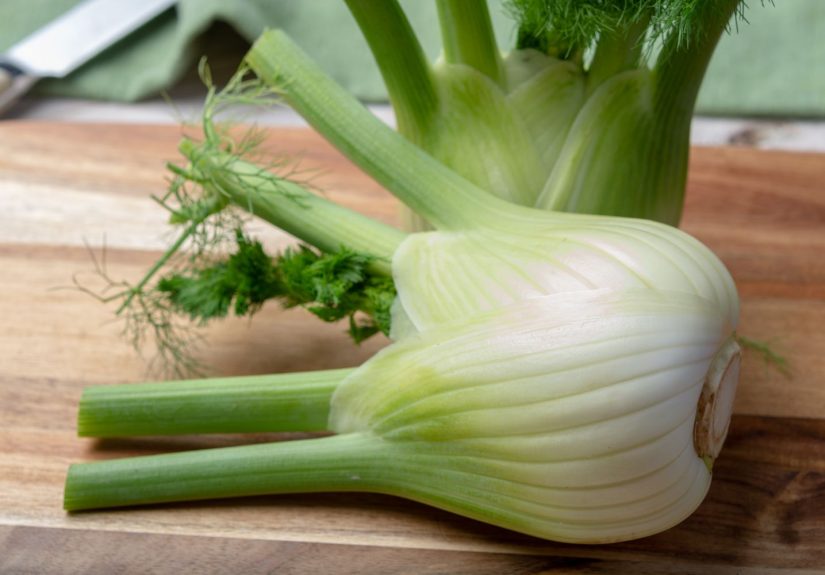
Fennel is one of those vegetables that makes people do a double take at the grocery store. It has a pale white bulb, long green stalks, feathery fronds, and the general vibe of celery that went to finishing school in Italy. Some shoppers grab it immediately. Others walk past it like it just asked them to solve a chemistry problem.
That hesitation is understandable. Fennel has a light licorice or anise flavor, which can sound a little intense if you are imagining a bag of black jelly beans. But here is the good news: fennel is much friendlier than its reputation suggests. Raw fennel is crisp, juicy, and refreshing. Cooked fennel turns mellow, sweet, and almost buttery, with a flavor that lands somewhere between onion, celery, and a whisper of anise. In other words, it is far more “please invite me to dinner again” than “surprise, I am candy from 1957.”
If you have ever wondered what fennel is, how it tastes, and what on earth to do with it once it lands on your cutting board, this guide has you covered. From the bulb to the fronds to the seeds, here is how to buy it, prep it, cook it, and actually enjoy it.
What Is Fennel?
Fennel is an aromatic plant in the carrot family. The variety most often sold in produce sections is Florence fennel, grown for its swollen bulb-like base. That white bulb is the part most people cook with, but the stalks and fronds are edible too. Even the seeds are used in cooking, although fennel seeds are a different pantry ingredient than the fresh bulb you buy in the produce aisle.
The whole plant is useful:
- The bulb is crunchy and juicy when raw, and tender and sweet when cooked.
- The stalks are firmer and more fibrous, but great for stocks, soups, and braises.
- The fronds are soft and feathery, like dill’s stylish cousin, and work beautifully as a fresh herb or garnish.
- The seeds are warm, sweet, and aromatic, often used in sausage, spice blends, breads, and teas.
Fresh fennel is popular in Mediterranean cooking, especially in Italian and French dishes, but it fits just as easily into modern American kitchens. It plays well with citrus, apples, Parmesan, garlic, white beans, tomatoes, chicken, pork, and seafood. Basically, fennel is that dinner guest who somehow gets along with everyone.
What Does Fennel Taste Like?
Raw fennel has a crisp bite and a bright, slightly sweet flavor with a mild licorice note. The texture is similar to celery, but juicier and more delicate. Thinly sliced fennel can add crunch to salads and slaws without taking over the whole bowl.
Cook fennel, though, and the magic really starts. Heat softens the sharper anise notes and brings out a deeper sweetness. Roasted fennel becomes caramelized at the edges. Braised fennel turns silky and mellow. Sautéed fennel becomes savory and aromatic, like onions that learned a few Mediterranean pickup lines.
If you think you do not like licorice, do not write fennel off too quickly. Many people who avoid anise-flavored candy still love roasted or braised fennel because the flavor becomes gentler and more balanced.
Is Fennel Good for You?
Yes. Fennel is low in calories and brings useful nutrients to the table, including fiber, vitamin C, and potassium. It also adds a lot of flavor without needing much fuss, which is always a win. That said, most people are not eating fennel because they are chasing a miracle food. They are eating it because it tastes fresh, bright, and far more interesting than yet another pile of steamed vegetables.
How to Choose Fennel at the Store
Look for fennel bulbs that feel firm, heavy for their size, and mostly white or pale green. The stalks should look fresh, and the fronds should be bright and feathery, not wilted into sad little tangles.
What to look for
- Firm, tight bulbs with no major soft spots
- Fresh green stalks and lively fronds
- A clean, mild aroma
- Small to medium bulbs if you want a more tender texture
What to avoid
- Bulbs with browning, splitting, or mushy patches
- Wilting stalks or dried-out fronds
- Bulbs that feel light, spongy, or tired
Once you get fennel home, store it in the refrigerator. It is best used within several days for peak freshness, especially if you want to eat it raw. If the fronds are especially pretty, you can trim and save them separately so they do not get squashed in the crisper drawer.
How to Prep Fennel
Fennel looks fancy, but prepping it is simple.
- Rinse the bulb, stalks, and fronds well.
- Trim off the stalks where they meet the bulb. Save the fronds.
- Slice a thin piece off the root end if it looks dry or tough, but do not hack off too much or the layers will fall apart.
- Cut the bulb in half lengthwise.
- If the core seems especially tough, cut a small wedge from the center. For roasting or grilling, leaving some core attached can help the slices hold together.
- Slice, shave, dice, or wedge the bulb depending on how you plan to cook it.
Best cuts for different dishes
- Thin shavings: best for salads, slaws, and quick pickles
- Half-moons or slices: ideal for sautéing or adding to pasta and soups
- Wedges: great for roasting, braising, and grilling
- Small dice: useful for soups, stews, stuffing, and sauces
How to Cook With Fennel
Fennel is versatile enough to go from crisp and refreshing to cozy and deeply savory. Here are the best ways to cook with it.
1. Eat it raw in salads and slaws
If you want to understand fennel quickly, shave it thin and toss it with lemon juice, olive oil, salt, and black pepper. That simple combination wakes up the bulb’s crisp texture and fresh flavor. Add shaved Parmesan, apple slices, orange segments, walnuts, or arugula and you suddenly have a salad that looks like you own linen napkins.
Raw fennel works especially well when paired with ingredients that balance its sweetness and aroma. Citrus is a classic match. So are apples, radishes, celery, mint, and salty cheeses.
2. Roast it until sweet and caramelized
Roasting is the gateway method for fennel skeptics. Cut the bulb into wedges or thick slices, toss with olive oil, salt, and pepper, and roast at a hot oven temperature until tender and golden. The edges caramelize, the interior softens, and the flavor becomes mellow and rich.
Roasted fennel makes an easy side dish for roast chicken, pork tenderloin, salmon, or white beans. It is also excellent with a squeeze of lemon and a shower of chopped fronds. Add Parmesan if you want to lean into comfort-food territory.
3. Sauté it for pasta, grains, and quick dinners
Slice fennel and sauté it in olive oil or butter with onions or shallots. As it softens, it builds a savory base for pasta sauces, grain bowls, soups, and skillet dinners. Fennel and onion together are especially good with garlic, tomatoes, sausage, and white wine.
One easy example: sauté sliced fennel with onion, stir in garlic and crushed red pepper, add canned tomatoes, and finish with pasta and Parmesan. Suddenly dinner looks far more intentional than it really was.
4. Braise it when you want something silky
Braised fennel is excellent if you want a softer, more elegant side dish. Start by browning wedges in a skillet, then add broth, wine, or a mix of both. Cover and cook gently until the fennel is tender. The liquid reduces into a glossy sauce, and the fennel becomes almost spoon-soft.
This method pairs beautifully with fish, chicken thighs, or beans. You can also add garlic, thyme, mustard, or a splash of cream for extra depth.
5. Grill it for smoky flavor
Yes, fennel loves the grill. Cut the bulb into thick wedges or planks, brush with oil, and grill until tender with charred edges. Grilling adds smoky bitterness that balances fennel’s natural sweetness. Serve it warm with lemon, yogurt sauce, or a vinaigrette.
Grilled fennel is especially good next to sausages, grilled chicken, or seafood. It also works surprisingly well in warm salads with oranges or olives.
6. Add it to soups and stews
Fennel can stand in for part of the onion or celery in soups and stews, bringing extra aroma and subtle sweetness. Dice it and cook it with other vegetables at the start, or let slices simmer in broth until tender.
It works well in tomato soup, seafood stew, white bean soup, chicken soup, and vegetable soup. If you have stalks left over, toss them into the pot for extra flavor, then fish them out before serving if needed.
7. Use the fronds like an herb
Do not throw away the fronds. They are light, tender, and pleasantly aromatic. Use them as a garnish on roasted vegetables, fish, soups, grain bowls, or salads. You can chop them into dressings, stir them into yogurt sauce, or blend them into pesto with lemon, garlic, olive oil, nuts, and Parmesan.
The flavor is delicate, so think of fennel fronds more like dill or parsley than like a sturdy woody herb.
8. Cook with fennel seeds too
Fennel seeds are not the same as fresh fennel bulb, but they share that sweet anise-like aroma. Use fennel seeds in sausage, tomato sauce, dry rubs, roasted vegetables, breads, and spice blends. Toasting them briefly in oil wakes up their flavor.
If your recipe uses both bulb and seeds, you get layered fennel flavor: fresh and sweet from the bulb, warm and fragrant from the seeds.
What Pairs Well With Fennel?
Fennel gets along with a long list of ingredients, which is part of why cooks love it.
Great fennel pairings
- Citrus: lemon, orange, grapefruit
- Fruit: apple, pear, figs, grapes
- Cheese: Parmesan, pecorino, goat cheese
- Proteins: chicken, pork, sausage, salmon, cod, shrimp
- Pantry staples: olive oil, white beans, tomatoes, garlic, onions
- Herbs and extras: parsley, dill, mint, thyme, olives, capers
One of the easiest ways to start cooking with fennel is to pair it with something familiar, like onions and garlic, then add a bright element such as lemon or orange. That combination makes fennel feel less mysterious and more like a useful weeknight ingredient.
Common Mistakes to Avoid
Using slices that are too thick for raw dishes
For salads, thin really means thin. A mandoline is handy, but a sharp knife works too. Thick raw chunks can taste harsher and feel awkwardly crunchy.
Throwing away the fronds
This is basically free flavor. Save them.
Underseasoning it
Fennel is subtle, not bland. Salt, acid, and olive oil help it shine.
Only trying it raw if you are unsure about anise flavor
If fennel’s aroma makes you nervous, roast it first. Heat transforms the flavor in a big way.
Confusing the bulb with the seeds
The fresh bulb is a vegetable. Fennel seeds are a spice. They are related, but not interchangeable in most recipes.
Easy Ways to Start Cooking With Fennel Tonight
If you want low-stress ideas, start here:
- Roast fennel wedges with olive oil, salt, pepper, and Parmesan
- Shave fennel into a salad with apple, lemon, and walnuts
- Sauté sliced fennel with onion and add it to pasta sauce
- Braise fennel with broth and serve it under roasted salmon
- Use chopped fronds in a lemony yogurt sauce
- Add diced fennel to soup instead of relying on celery alone
Once you cook with fennel a couple of times, it stops feeling like an exotic produce aisle riddle and starts feeling like a secret weapon.
Real-Life Experiences Cooking With Fennel
The first time many people buy fennel, it is usually for one very specific recipe. Maybe it is a roasted fish dish, a winter salad, or something ambitious pulled from a magazine while feeling unusually optimistic on a Sunday afternoon. Then the fennel comes home, gets set on the counter, and suddenly nobody feels quite so confident. There is a bulb. There are stalks. There are fronds. It looks edible, but also like it might belong in a floral arrangement.
That first experience is often a mix of curiosity and suspicion. Raw fennel smells distinctly aromatic when you slice into it, and the licorice note can be stronger at the cutting board than it is on the plate. This is where people tend to split into two groups: the instant fans and the cautious skeptics. The funny thing is that both groups usually meet in the middle once fennel is cooked.
Roasting is where conversion stories happen. A lot of home cooks discover that the sharp edge they noticed at first melts away in the oven. What comes out is tender, lightly caramelized, and far sweeter than expected. It is one of those vegetables that makes people pause after the first bite and say, “Wait, this is fennel?” That moment happens a lot, especially when it is served with chicken, pork, or a little Parmesan.
Another common experience is realizing that fennel works best when treated as part of a team. On its own, it is interesting. With lemon, garlic, olive oil, and a pinch of salt, it becomes a star. With oranges in a salad, it tastes brighter. With onions in a skillet, it tastes deeper. With white beans or sausage, it becomes hearty enough for dinner. That is one reason fennel starts showing up repeatedly once people get comfortable with it. It is not just a one-recipe ingredient. It is a supporting player that can quietly improve a lot of meals.
Many cooks also end up surprised by the fronds. At first, they seem decorative, like the vegetable equivalent of unnecessary packaging. Then someone chops them over roasted fennel, folds them into a vinaigrette, or stirs them into yogurt with lemon, and suddenly the “garnish” becomes something worth saving every time. The stalks tend to earn respect more slowly, but they are excellent in stock pots and braises, where they add background flavor without demanding attention.
There is also a practical side to the fennel experience: it makes a meal feel more sophisticated without requiring restaurant-level effort. A shaved fennel salad sounds impressive, but it is really just slicing, tossing, and seasoning. Braised fennel sounds like something served under soft jazz in a dim dining room, but it is basically browning, adding liquid, and waiting. Fennel has a talent for making everyday cooking feel just a little more elegant, which is not a bad trick for a vegetable that often sits ignored between the leeks and the radicchio.
Over time, fennel becomes less of a mystery and more of a mood. In colder months, it feels cozy when roasted or folded into gratins and soups. In warmer weather, it feels crisp and refreshing shaved into salads with citrus and herbs. And once people figure out that they do not have to use every part in the same recipe, the intimidation factor drops fast. Some nights the bulb goes into the oven. Some nights the fronds top a salad. Some nights the seeds do all the work from the spice jar.
That may be the best real-life lesson fennel teaches: it rewards experimentation. You do not need to master it in one go. Slice it thin. Roast it hard. Pair it with lemon. Save the fronds. Try it with fish one week and pasta the next. Before long, fennel stops being “that weird bulb” and starts becoming one of those ingredients you buy on purpose.
Conclusion
Fennel is a crisp, aromatic vegetable that can be eaten raw, roasted, sautéed, braised, grilled, or stirred into soups and sauces. Its fresh bulb, flavorful fronds, and useful seeds make it one of the most versatile ingredients in the produce aisle. If you are new to fennel, start with roasting or a simple shaved salad. Once you taste how its flavor changes with heat and seasoning, you will understand why so many cooks keep coming back to it.
In other words, fennel is not weird. It is just misunderstood. And like many misunderstood things, it becomes much more lovable once dinner is involved.