Table of Contents >> Show >> Hide
- What Exactly Is Labneh?
- How Is Labneh Made?
- Is Labneh Actually Cheese or Is It Just Very Ambitious Yogurt?
- What Does Labneh Taste Like?
- Labneh Nutrition: Is It Good for You?
- How to Eat Labneh
- Labneh vs. Greek Yogurt vs. Cream Cheese
- How to Make Labneh at Home
- How Long Does Labneh Last?
- Experiences With Labneh: What It’s Like to Actually Live With This Stuff
- Final Thoughts
If cream cheese and Greek yogurt had a very tangy, very charming cousin with excellent taste in olive oil, that cousin would be labneh cheese. Rich, creamy, and pleasantly tart, labneh has been beloved in Middle Eastern kitchens for a long time, but it has finally started getting the mainstream attention it deserves in the United States. And honestly? About time.
You may have spotted it near hummus, dips, or specialty cheeses and wondered whether it’s a spread, a soft cheese, a yogurt, or a dairy identity crisis in a tub. The answer is: a little of all three. Labneh is usually made by straining yogurt until much of the whey drains away, leaving behind a thicker, denser, tangier result. It’s spoonable, spreadable, and wildly useful. Put it on toast, swirl it under roasted vegetables, dollop it onto grilled meat, or eat it with warm pita and call that lunch. No judgment here.
In this guide, we’ll break down exactly what labneh is, what it tastes like, how it’s made, whether it’s actually cheese, how it compares with Greek yogurt, and the best ways to use it at home. If you’ve been curious about this creamy dairy staple, welcome. You are about to become the kind of person who keeps saying, “You know what would make this better? Labneh.”
What Exactly Is Labneh?
Labneh, sometimes spelled labne or labaneh, is a thick, strained dairy product commonly described as a Middle Eastern yogurt cheese. It starts with yogurt, then gets strained until it loses a good amount of liquid whey. What remains is smoother, thicker, and more concentrated in flavor than regular yogurt.
That is why people often compare labneh to a cross between Greek yogurt, cream cheese, and sour cream. It has the tang of cultured dairy, the richness of a soft spread, and the kind of texture that makes you want to drag a piece of warm flatbread through it immediately.
Traditionally, labneh is served as part of a mezze spread, often finished with olive oil and seasonings like za’atar. But it is not limited to one role. It can be a dip, a spread, a sauce base, a breakfast item, a side dish, or the thing you add to a plate when you want dinner to look like it belongs in a magazine.
How Is Labneh Made?
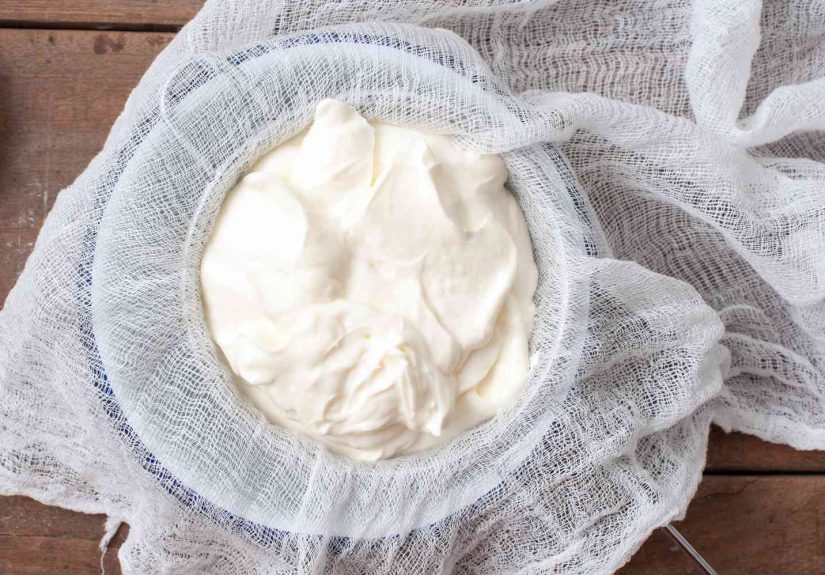
The basic process is wonderfully simple. Yogurt is mixed with a little salt, placed in cheesecloth or a fine strainer, and left to drain in the refrigerator for several hours or overnight. As the whey separates, the yogurt becomes thicker and creamier. Strain it for a shorter time and you get something soft and spoonable. Leave it longer and it can become dense enough to shape.
Whole-milk yogurt is often preferred because it gives labneh a richer texture, though lower-fat versions can also work. Some traditional versions use goat’s milk yogurt, while many products sold in the U.S. are made from cow’s milk.
The beauty of homemade labneh is that the process is low effort and high reward. You are basically letting time do the hard work. It’s the culinary equivalent of setting an out-of-office reply and coming back better than ever.
Is Labneh Actually Cheese or Is It Just Very Ambitious Yogurt?
This is the fun part. Labneh is commonly called labneh cheese because of its thick, spreadable texture and the way it behaves like a soft fresh cheese. But technically, it begins as yogurt, not as curds separated with rennet like many traditional cheeses.
So is it cheese? In everyday food language, yes, people absolutely treat it like one. In a stricter dairy-science sense, it sits in a gray area between cultured yogurt and fresh cheese. That is why the term yogurt cheese shows up so often.
For most home cooks, the label matters less than the use. If it spreads like cream cheese, tastes tangy like cultured dairy, and upgrades everything it touches, it has already earned its place in the fridge.
What Does Labneh Taste Like?
Labneh tastes tangy, creamy, slightly salty, and rich. The flavor is more concentrated than regular yogurt because straining removes water and intensifies the cultured dairy taste. It is less sharp than some aged cheeses, but more flavorful than plain Greek yogurt.
The texture is one of its biggest selling points. Good labneh feels lush and velvety, somewhere between whipped cream cheese and very thick yogurt. Some versions are mild and buttery; others are punchier and more tart. A lot depends on the yogurt used, the amount of salt, and how long it was strained.
That balance of tang plus creaminess is why labneh works so well with bold toppings. Olive oil, za’atar, cucumbers, herbs, roasted tomatoes, chili crisp, honey, and even fruit all have a happy future with labneh.
Labneh Nutrition: Is It Good for You?
Like many cultured dairy foods, labneh can be a smart addition to a balanced diet. Because it comes from yogurt, it may offer some of the same nutritional strengths people like in fermented dairy: protein, calcium, and live cultures, depending on the product.
That said, labneh is not one-size-fits-all nutritionally. A couple of tablespoons may provide a modest amount of protein, but the numbers vary quite a bit from brand to brand. Some products are lighter and more yogurt-like, while others are richer and more cheese-like. That means calories, saturated fat, and sodium can shift noticeably depending on what you buy.
Here’s the practical version: labneh can be a great swap when you want something creamy with more personality than plain yogurt and, in some cases, less heaviness than cream cheese. But check the label if you are watching sodium or saturated fat. That tiny tub can be sneaky in the way all delicious things sometimes are.
Another point worth knowing is lactose. Because labneh is fermented and strained, some people find it easier to tolerate than milk or less-concentrated dairy products. Still, it is not automatically lactose-free, so anyone with lactose intolerance should test their own tolerance and read labels carefully.
A simple nutrition mindset for labneh
Think of labneh as a flavorful dairy staple, not a miracle food and not a villain. It can fit beautifully into a healthy eating pattern when you use it the same way you’d use other rich spreads: intentionally, joyfully, and with a spoon that understands boundaries.
How to Eat Labneh
If you’re wondering how to use labneh, the short answer is: on almost everything.
The classic way is to spread it on a plate, make a swoosh with the back of a spoon, drizzle it with olive oil, and finish with za’atar. Serve it with pita, cucumbers, olives, and tomatoes, and suddenly you look like someone who hosts excellent brunches.
But labneh is just as good beyond the mezze board. Here are some of the best ways to use it:
1. As a spread
Use it on toast, sandwiches, wraps, and bagels. It brings more tang than cream cheese and more body than plain yogurt. Add sliced cucumbers, smoked salmon, roasted peppers, or jam if you like a sweet-savory situation.
2. As a dip
Pair labneh with herbs, garlic, hot honey, roasted onions, or scallion oil. It makes an excellent base for dips because it is already thick and creamy, which means less fuss and more glory.
3. Under roasted vegetables or grilled meats
Swipe labneh across a plate and pile roasted carrots, beets, eggplant, lamb, chicken, or kebabs on top. This is one of the easiest ways to make a weeknight dinner look expensive.
4. In sauces and dressings
Thin it with lemon juice or a splash of water and whisk in herbs, garlic, or tahini. The result is a sauce that works on grain bowls, salads, grilled fish, and roasted potatoes.
5. In sweet dishes
Yes, really. Labneh can work with fruit, honey, pistachios, and citrus. It also shows up in cheesecakes, panna cotta-style desserts, and breakfast bowls when you want tanginess without using plain yogurt.
Labneh vs. Greek Yogurt vs. Cream Cheese
This is where things get interesting. If you’ve ever asked, “Is labneh the same as Greek yogurt?” the answer is no, but they are closely related.
Greek yogurt is strained yogurt, too, but labneh is usually strained longer and often salted, which makes it thicker, denser, and more savory. Greek yogurt is generally more spoonable for breakfast bowls, while labneh feels more at home as a spread or dip.
Cream cheese, on the other hand, is richer and less tangy in a yogurt-like way. Labneh can mimic cream cheese in texture, but the flavor is brighter and more cultured. If cream cheese is smooth jazz, labneh is jazz with a lemon twist and a drizzle of olive oil.
So which should you choose? Use Greek yogurt when you want a breakfast staple or a lighter creamy ingredient. Use cream cheese when you want richness and classic cheesecake energy. Use labneh when you want somewhere in the middle, with more tang, more flexibility, and a little Mediterranean flair.
How to Make Labneh at Home
If store-bought labneh is hard to find near you, homemade labneh is absolutely doable.
Basic method
Start with plain whole-milk yogurt and stir in a pinch of salt. Line a sieve or colander with cheesecloth, place it over a bowl, and spoon in the yogurt. Cover it and refrigerate for about 8 to 24 hours, depending on how thick you want it.
Once it reaches the texture you like, transfer it to a clean container. Finish with olive oil, herbs, or spices, or keep it plain for a blank-canvas spread you can use all week.
Pro tips
Use full-fat yogurt for the creamiest texture. Don’t skip the fridge while draining. And if you strain it until it becomes very thick, you can shape it into small balls and preserve it in olive oil for a more old-school presentation.
How Long Does Labneh Last?
Store-bought labneh should be kept refrigerated and used according to the package date. Homemade labneh is best kept in an airtight container in the refrigerator and enjoyed within several days. Always use a clean spoon, keep it cold, and trust your senses. If it smells off, looks questionable, or has been sitting around like it pays rent, let it go.
Experiences With Labneh: What It’s Like to Actually Live With This Stuff
The first time many people try labneh, there is usually a brief pause after the first bite. Not because it’s confusing, but because your brain is busy sorting out what just happened. It’s creamy like cream cheese, but tangier. It looks like yogurt, but behaves like a spread. It tastes familiar, but also just different enough to make you wonder why you haven’t been eating it for years.
One of the most relatable experiences with labneh is how quickly it goes from “interesting specialty ingredient” to “why is this suddenly on everything I make?” You buy it for one recipe, maybe a dip or a mezze board, and then three days later you’re smearing it on toast, adding it to wraps, dolloping it onto soup, and defending the last spoonful like it’s family property.
Breakfast is often where labneh really wins people over. A thick swipe on toasted sourdough with cucumbers, mint, and olive oil feels fancy but takes almost no effort. Add tomatoes and flaky salt, and suddenly a normal weekday morning has main-character energy. People who normally rotate between butter, peanut butter, and cream cheese often realize labneh belongs in that same category, except with more tang and a little more personality.
Then there’s the cooking experience. Labneh has this magical ability to make simple meals feel more finished. Roast some carrots, spoon labneh onto a plate, add the carrots on top, and dinner looks restaurant-ready. Toss together grilled chicken, rice, and herbs, and a scoop of labneh makes the whole thing taste more thoughtful. It’s the kind of ingredient that creates the illusion that you planned the meal very carefully, even if you were mostly just trying to use what was in the fridge.
Another common experience is discovering how flexible it is socially. Put a bowl of labneh on the table with olive oil and za’atar, and people gather around it fast. Even guests who have never heard of it usually get on board after one bite. It feels both comforting and slightly special, which is a hard combo to beat.
And if you make it at home, there’s a tiny thrill to coming back to the fridge the next day and finding that plain yogurt has transformed into something richer and more elegant. It feels low-key miraculous, like kitchen alchemy without the drama.
In other words, the experience of labneh is not just about taste. It’s about usefulness, surprise, and that very satisfying feeling of discovering an ingredient that instantly earns a permanent spot in your rotation.
Final Thoughts
So, what is labneh cheese? It’s a thick, tangy strained dairy spread that sits beautifully between yogurt and soft cheese. It’s versatile, flavorful, and easy to use, whether you buy it ready-made or make it at home. If you love creamy foods with a little brightness, labneh deserves a place in your kitchen.
Try it the classic way with olive oil and za’atar, or use it anywhere you’d normally reach for cream cheese, sour cream, or Greek yogurt. Once you get used to that silky texture and punchy flavor, there’s a decent chance you’ll start recommending it to friends with the slightly overexcited tone of someone who has seen the light.