Table of Contents >> Show >> Hide
- What Is the White Porcelain Series Ceiling & Wall O1?
- Why Porcelain Works So Well in Modern Lighting
- The Beauty of the Opaline Diffuser
- Design Style: Minimalism Without the Cold Shoulder
- Where to Use the White Porcelain Series O1
- Lighting Performance: Think Lumens, Warmth, and Layers
- How to Style the O1 in Real Interiors
- Ceiling Mount vs. Wall Mount: Which Is Better?
- Installation Considerations
- Maintenance and Cleaning
- Who Should Choose the White Porcelain Series O1?
- Common Design Mistakes to Avoid
- Experience Notes: Living With a White Porcelain Ceiling and Wall Light
- Conclusion
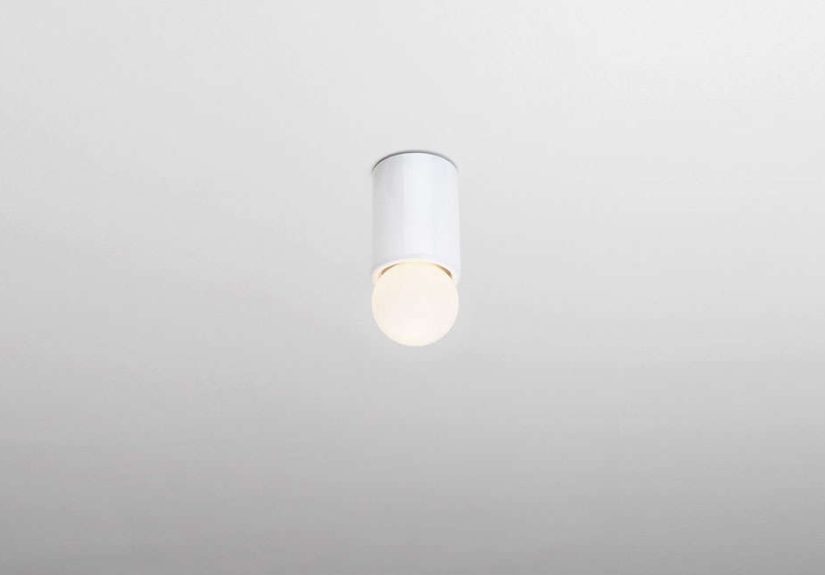
The White Porcelain Series – Ceiling & Wall O1 is the kind of light fixture that refuses to shout, wave, or wear a dramatic hat to get attention. Instead, it does something far more difficult: it makes restraint feel luxurious. Designed by Michael Anastassiades, the O1 belongs to a refined lighting family built around porcelain, opaline diffusion, simple geometry, and the quiet pleasure of material honesty.
At first glance, this ceiling and wall light looks almost modest. A compact white porcelain body. A soft opaline diffuser. A clean cylindrical form. No decorative acrobatics. No “look at me” metalwork. But spend a little time with it, and the charm becomes obvious. The O1 is not trying to be a chandelier in a tiny costume. It is a precise architectural accent, a small object with a surprisingly confident design vocabulary.
For homeowners, designers, architects, and lovers of minimalist interiors, the White Porcelain Series O1 ceiling and wall light offers a lesson in how a fixture can be functional, sculptural, and calm all at once. It works in bathrooms, hallways, bedrooms, kitchens, reading corners, gallery-like spaces, and anywhere a small pool of warm, elegant light can improve the room without stealing the furniture’s lunch money.
What Is the White Porcelain Series Ceiling & Wall O1?
The White Porcelain Series O1 is a compact surface-mounted light designed for ceiling or wall installation. Its defining materials are glazed porcelain and an opaline diffuser, a combination that gives the fixture its soft visual presence and gentle illumination. The product is part of Michael Anastassiades’ broader White Porcelain Series, a collection known for material simplicity, refined proportions, and invisible fixture details.
Unlike many decorative lights that rely on oversized shapes or heavy finishes, the O1 uses scale as part of its personality. It is small, controlled, and architectural. That makes it especially useful in interiors where the lighting should support the atmosphere rather than dominate it. Think of it as the well-dressed guest at a dinner party who speaks quietly but somehow ends up being the most interesting person in the room.
Key Product Characteristics
- Designer: Michael Anastassiades
- Series: White Porcelain Series
- Model: O1
- Use: Ceiling or wall mounted
- Primary material: Glazed porcelain
- Diffuser: Opaline glass or opaline diffuser, depending on market description
- Light source: Commonly specified with a G9 LED bulb
- Design language: Minimalist, architectural, material-focused
Why Porcelain Works So Well in Modern Lighting
Porcelain is an old material with a surprisingly modern attitude. It has been used for tableware, decorative objects, electrical components, and architectural details for generations. In lighting, porcelain brings a special mix of durability, purity, and softness. Its white surface reflects light beautifully, while its tactile finish gives even a simple shape a sense of craft.
The White Porcelain Series O1 uses porcelain not as nostalgia, but as a contemporary design tool. This is important. Porcelain can easily drift into farmhouse utility or vintage workshop territory. Anastassiades moves it away from that expectation by refining the proportions and hiding the hardware. The result is a ceiling and wall fixture that feels less like a reproduction and more like a modern object with historical memory.
The glazed surface also helps the O1 stay visually clean. In minimalist interiors, every detail is exposed. A clumsy seam, odd finish, or bulky mounting plate can feel like a typo on a wedding invitation. The O1 avoids that by keeping the body simple and the fixture details discreet.
The Beauty of the Opaline Diffuser
The opaline diffuser is the fixture’s secret weapon. Without it, the O1 would simply be a porcelain body holding a bulb. With it, the light becomes softer, calmer, and more comfortable to live with. Opaline diffusion helps reduce the harshness of direct brightness, creating a gentle glow rather than a tiny spotlight interrogating your hallway.
This matters in real homes. Lighting is not just about seeing where you dropped your keys. It is about how a space feels at 7 a.m., 7 p.m., and during that mysterious hour when everyone in the house wants snacks. A diffused fixture like the White Porcelain Series O1 can make transitions softer: from bedroom to bathroom, from hallway to living room, from task lighting to evening mood.
Design Style: Minimalism Without the Cold Shoulder
Minimalist lighting sometimes gets accused of being cold. The O1 avoids that trap. Its form is simple, but the porcelain adds warmth. Its color is white, but not sterile. Its proportions are precise, but not robotic. This balance makes it suitable for a wide range of interiors, including Scandinavian, Japandi, modern farmhouse, contemporary, transitional, coastal, and gallery-inspired spaces.
In a white bathroom, the fixture can almost disappear into the architecture, leaving only a soft glow. Against plaster, limewash, stone, or microcement, it becomes a quiet sculptural detail. On a dark wall, the white porcelain creates a crisp visual pause. In a hallway, several O1 fixtures can act like punctuation marks, guiding the eye without turning the ceiling into an airport runway.
Where to Use the White Porcelain Series O1
1. Bathrooms and Powder Rooms
The O1 is especially appealing in bathrooms because porcelain naturally feels at home around tile, stone, glass, and water-resistant finishes. Its compact size makes it useful for small powder rooms, vanity-adjacent walls, or low-ceiling spaces where a pendant would be impractical. When specified with the correct rating for the location and installed by a qualified professional, it can bring a boutique-hotel mood to a room that usually has to work very hard before breakfast.
2. Hallways and Corridors
Hallways are often treated like interior afterthoughts, which is unfair because they do a lot of emotional labor. They connect rooms, create rhythm, and set the tone for the home. A row of White Porcelain Series O1 fixtures can turn a simple hallway into a calm architectural passage. Instead of one harsh ceiling light, multiple small fixtures can create a more balanced, intentional effect.
3. Bedrooms
Mounted on the wall beside a bed, the O1 can work as a quiet bedside light, especially when paired with dimming. It will not replace a focused reading lamp for everyone, but it can provide a beautiful ambient glow. Used on the ceiling near wardrobes or transitional zones, it adds illumination without visual clutter.
4. Kitchens
In kitchens, the O1 is best used as an accent or supporting light rather than the only light source. It can work above a small breakfast nook, on a wall near open shelving, or as part of a layered lighting plan with recessed lights, pendants, and under-cabinet task lighting. The white porcelain body pairs well with marble, ceramic tile, painted cabinetry, stainless steel, and natural wood.
5. Living Rooms and Gallery Walls
For living rooms, the fixture’s strength is atmosphere. It can highlight a quiet corner, support a reading area, or bring rhythm to a wall with art. Because the O1 has a small scale and refined form, it works particularly well where you want lighting that feels designed but not decorative in the loud sense.
Lighting Performance: Think Lumens, Warmth, and Layers
One of the biggest mistakes people make when choosing decorative lighting is judging by appearance alone. A fixture may look perfect in a product photo, but real rooms care about output, color temperature, glare control, dimming, and placement. The White Porcelain Series O1 is a small fixture, so it should be understood as part of a lighting composition rather than a single-source solution for a large room.
When evaluating brightness, think in lumens rather than watts. Watts describe energy use; lumens describe light output. A compact G9 LED can provide useful ambient or accent illumination, but it should be matched to the function of the room. A hallway may need only a gentle rhythm of light. A bathroom vanity area may require stronger and more even illumination. A living room may benefit from the O1 as one layer among table lamps, floor lamps, recessed lighting, and natural daylight.
Color temperature is equally important. Warm white light, often around 2700K to 3000K, tends to feel comfortable in residential spaces. That warmth complements porcelain beautifully, preventing the fixture from looking too clinical. Cooler lamps can make the white body feel sharper and more modern, but they may also reduce the cozy quality that makes this design so appealing.
How to Style the O1 in Real Interiors
Pair It With Natural Materials
The White Porcelain Series O1 looks especially strong beside natural textures. Limestone, oak, walnut, zellige tile, plaster, travertine, linen, and brushed metal all help the fixture feel grounded. Because the O1 is so pure in form, textured surroundings give it contrast without creating chaos.
Use Repetition for Architectural Rhythm
One O1 fixture is quiet. Three or five can become architecture. In a corridor, repeated wall-mounted fixtures create a rhythm that feels deliberate and upscale. On a ceiling, a careful grid or line of O1 lights can provide understated order. The trick is spacing. Too close, and the wall looks nervous. Too far apart, and the rhythm disappears. A lighting designer or electrician can help determine the right interval based on ceiling height, room width, and lamp output.
Let the Fixture Breathe
Small minimalist fixtures need negative space. Do not crowd the O1 with busy trim, oversized mirrors, heavy frames, or too many competing wall objects. Give it room, and it will look intentional. Crowd it, and it may look like it wandered into the wrong meeting.
Ceiling Mount vs. Wall Mount: Which Is Better?
The beauty of the White Porcelain Series Ceiling & Wall O1 is its flexibility. As a ceiling light, it works as a compact flush or surface-mounted detail. This is useful in rooms with lower ceilings or in spaces where pendant lighting would block sightlines. As a wall light, it becomes more intimate and sculptural, especially when placed at eye level or used in multiples.
Choose ceiling mounting when you need general orientation light in a compact area. Choose wall mounting when you want atmosphere, vertical rhythm, or accent lighting. In bathrooms, wall placement can be beautiful, but it should be planned carefully to avoid shadows on the face if used near a mirror. For vanity lighting, side lighting is often more flattering than overhead-only light, but the exact layout depends on the mirror, sink width, and other fixtures in the room.
Installation Considerations
The O1 may be visually simple, but installation should not be treated casually. Surface-mounted lighting still requires proper electrical planning, compatible junction boxes, safe wiring, and correct placement. In wet or damp areas, rating and local code matter. Always confirm the exact product specification for your market, including voltage, bulb type, dimming compatibility, and any bathroom suitability before installation.
If dimming is part of the plan, the bulb, dimmer, and fixture should be compatible. Many LED dimming issues come from mismatched components rather than the fixture itself. Flicker, buzzing, limited dimming range, or sudden shutoff can often be avoided by checking compatibility in advance. In plain English: do not let the dimmer and bulb meet for the first time after the wall is already closed.
Maintenance and Cleaning
Porcelain and opaline diffusers are relatively easy to care for, but gentle cleaning is best. Turn off the power before cleaning. Use a soft, dry or lightly damp cloth, and avoid abrasive pads or harsh chemical cleaners. The goal is to protect the glazed surface and diffuser so the fixture keeps its soft, clean appearance over time.
Because the design is white, dust may show faster than on darker fixtures. Fortunately, the small form makes regular maintenance simple. A light wipe during routine cleaning is usually enough. If the fixture is placed in a kitchen, occasional attention may be needed to prevent cooking residue from dulling the surface.
Who Should Choose the White Porcelain Series O1?
This fixture is ideal for people who appreciate quiet design, material quality, and architectural detail. It is not the right choice for someone looking for a large decorative centerpiece. It is also not the best single light source for a large room that needs high output. But for those who want a compact porcelain ceiling or wall light that feels timeless, crafted, and intelligent, the O1 is a strong candidate.
Interior designers may appreciate it because it does not fight other elements. Architects may like it because the form is disciplined. Homeowners may love it because it looks special without being fussy. Minimalists may enjoy its restraint. Maximalists may use it as a calm counterpoint to bold art, patterned tile, or colorful furniture.
Common Design Mistakes to Avoid
Using It as the Only Light in a Large Room
The O1 is compact. It is best used thoughtfully within a layered lighting plan. In a large living area, combine it with other sources for depth and comfort.
Choosing the Wrong Bulb Temperature
A bulb that is too cool can make the fixture feel clinical. Warm white is usually more flattering for homes, especially bedrooms, bathrooms, and living spaces.
Ignoring Dimming Compatibility
If you want evening atmosphere, dimming matters. Confirm compatible bulbs and dimmers before installation.
Overcrowding the Fixture
The O1 depends on simplicity. Give it clean surroundings and enough space to register as a design detail.
Experience Notes: Living With a White Porcelain Ceiling and Wall Light
Living with a fixture like the White Porcelain Series – Ceiling & Wall O1 is different from living with a decorative lamp that announces itself every time you enter the room. The O1 becomes part of the architecture. You notice it first because of its shape, then later because of the mood it creates. That second kind of noticing is often the more valuable one.
In a hallway, the experience is calm and guided. Instead of one bright overhead light that makes everyone look like they are entering a dentist’s office, the O1 can create smaller moments of illumination. The wall feels softer. The ceiling feels more considered. Even a narrow corridor can feel intentional when light is spaced with care.
In a bathroom, the fixture’s porcelain body feels especially appropriate. It speaks the same material language as tile, ceramic basins, stone counters, and white towels. There is a quiet cleanliness to it, but not a cold one. The opaline diffuser helps the glow feel gentle, which is exactly what you want during early mornings when your eyes are still negotiating with reality.
In a bedroom, the O1 works best when treated as mood lighting. It is not trying to blast the room with brightness. Instead, it supports winding down. A pair of wall-mounted fixtures can frame a bed beautifully, especially in a room with linen bedding, pale oak furniture, or textured plaster walls. Add dimming, and the fixture becomes much more flexible.
The tactile quality of porcelain also changes how the fixture is perceived over time. Metal finishes can feel fashionable, then suddenly dated. Porcelain has a slower rhythm. It does not chase trends. It feels familiar, almost domestic, yet the O1’s proportions keep it firmly in contemporary design territory. That balance is why the fixture can work in both renovated historic homes and clean new builds.
The biggest practical lesson is placement. A small fixture can be powerful, but only when positioned with intention. Too high on a wall, and it may feel disconnected. Too low, and it may interrupt furniture or artwork. On a ceiling, spacing and repetition matter. The O1 rewards planning. It is a small design decision that becomes much more successful when treated as part of the room’s full lighting story.
Another experience-based insight is that white fixtures are not all the same. Some white lights look plastic. Some look sterile. Some look like they belong in a utility closet next to a mop with emotional baggage. The White Porcelain Series O1 avoids that because porcelain gives the white surface depth. The finish catches light softly, and the material has a physical presence that paint or plastic cannot fully imitate.
For anyone designing a calm interior, this fixture teaches a useful lesson: luxury does not always need shine, scale, or ornament. Sometimes it is a clean form, a good material, a warm bulb, and the discipline to stop before adding one more unnecessary detail.
Conclusion
The White Porcelain Series – Ceiling & Wall O1 is a refined lighting fixture for interiors that value simplicity, warmth, and architectural precision. Its glazed porcelain body and opaline diffuser create a soft visual effect, while its compact form allows it to work across bathrooms, hallways, kitchens, bedrooms, and living areas. It is not a loud fixture, and that is exactly its strength.
For the best result, use the O1 as part of a layered lighting plan. Consider warm color temperature, dimming compatibility, placement, repetition, and the surrounding materials. When installed thoughtfully, this small porcelain ceiling and wall light can bring quiet elegance to a room without demanding applause. It simply glows, behaves beautifully, and lets the space breathe.
Note: Product specifications, voltage options, bulb compatibility, bathroom ratings, lead times, and availability can vary by market or authorized retailer. Always confirm current technical details with the supplier and use a qualified electrician for installation.