Table of Contents >> Show >> Hide
- Why Cigarettes Are a Cold Case Detective’s Best Friend
- Real Cold Cases Cracked by Cigarettes
- 1. A 1980 Condo Murder and the Cigarette Butt in the Shadows
- 2. The Teacher, the Upstairs Neighbor, and the Cigarette by the Body
- 3. Tonya McKinley’s New Year’s Eve and the Discarded Cigarette
- 4. The 1980 Mystery Solved by a Butt in the Parking Lot
- 5. A 1977 Parking Lot Murder and the Cigarette Carton Thumbprint
- 6. The Bar, the Beetle, and One Stubborn Cigarette Pack
- 7. The “Unknown Smoker” Who Lived Right Upstairs
- 8. How CODIS Turned Random Cigarettes into Smoking Guns
- 9. Forensic Genealogy: When the Cigarette Outs Your Family Tree
- 10. The Human Side: Families, Detectives, and That One Small Object
- What These “Cigarette Cold Cases” Teach Us
- Experience: What It Feels Like When a Cigarette Solves a Cold Case
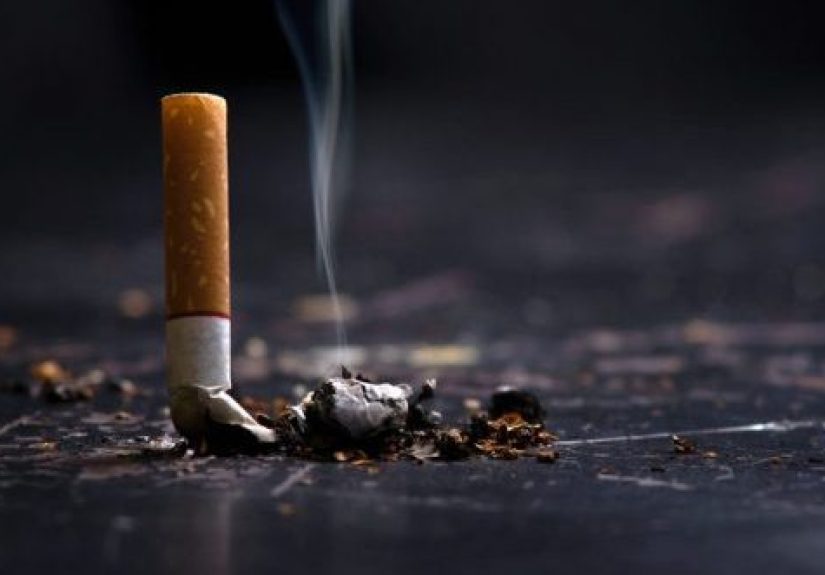
In most detective stories, the big breakthrough comes from a dramatic confession, a mysterious diary, or a piece of jewelry left at the scene. In real life, the plot twist is often far less glamorous: a cheap cigarette, half-smoked and flicked away.
Thanks to modern DNA technology, those tossed butts and crumpled cartons have become some of the most powerful tools for solving cold cases that sat unsolved for 10, 20, even 40 years or more.
Across the United States (and beyond), investigators have reopened dusty files, re-tested aging evidence, and found that the key to unlocking long-forgotten murders was hiding in plain sightin the ashtray, on the curb, or wedged under a victim’s hand. As forensic labs improved and databases like CODIS (the Combined DNA Index System) expanded, cigarette DNA suddenly turned into the forensic equivalent of a loudspeaker shouting, “It was this guy.”
In this deep dive into cold cases solved by cigarettes, we’ll look at how a habit once glamorized in movies has quietly become the downfall of killers who assumed timeand a little smokewould cover their tracks. We’ll walk through real examples, explain how cigarette DNA and fingerprints are used, and end with some reflections on what these cases teach us about justice, patience, and the strange power of everyday objects.
Why Cigarettes Are a Cold Case Detective’s Best Friend
Forensic science has always loved items that people put in their mouths: cups, straws, gum, and yes, cigarettes. Every drag leaves behind saliva rich with DNA. Unlike blood or hair, a cigarette butt doesn’t always scream “evidence” at first glance, especially in busy public places. But when a crime scene is carefully processed, anything that looks out of placeor unusually close to a victimcan become critical decades later.
Here’s why cigarette butt DNA works so well in cold cases:
- They’re easy to collect and save. A single butt can be bagged, labeled, and stored for decades.
- They hold a lot of DNA. Saliva on the filter often provides a strong profile.
- They can be re-tested. Early labs might not get a full profile, but newer methods can pull out more information from old evidence.
- They’re perfect for forensic genealogy. When a profile doesn’t hit in CODIS, investigators can use genealogy databases to build family trees and narrow in on a suspect.
Combine those advantages with evolving technology and ever-growing DNA databases, and you get some very unhappy former smokersand some very relieved families of victims.
Real Cold Cases Cracked by Cigarettes
Let’s look at how cigarette butts, cartons, and filters helped solve real cases that had been cold for at least a decadeoften much longer.
1. A 1980 Condo Murder and the Cigarette Butt in the Shadows
In 1980, Boeing instructor Dorothy Silzel was found raped and strangled in her condo in Kent, Washington. For years, detectives had little more than a vague sense that whoever killed her probably knew the area and left in a hurry. Evidence was carefully preserved, but no suspect emerged.
Decades later, investigators revisited the case with modern DNA tools. A discarded cigarette butt collected from the crime scenelong considered background noisewas re-analyzed. A full DNA profile was developed and uploaded to genealogical databases. That profile connected to relatives of a man named Kenneth Kundert. Detectives, watching him in Arkansas, collected fresh cigarette butts he threw away in a parking lot. The DNA matched the crime scene. More than 40 years after Silzel’s death, the case finally moved from mystery to charges, almost entirely because someone couldn’t resist a smoke break.
2. The Teacher, the Upstairs Neighbor, and the Cigarette by the Body
In 1971, 24-year-old teacher Rita Curran was murdered in her Burlington, Vermont apartment. She was beaten, sexually assaulted, and strangled. Despite a huge investigation, the case went cold. For decades, rumors swirled that notorious serial killer Ted Bundy might be involved, but nothing stuck.
During the original investigation, officers collected a lone cigarette butt near her body. At the time, it didn’t point to anyone in particular. Much later, detectives sent the butt to a lab for advanced DNA testing and then to forensic genealogists. The DNA led back to a man who had lived just upstairs at the time, William DeRoos. His ex-wife eventually admitted she’d lied about his alibi. Although he had died years earlier, Curran’s family finally got the answer they’d been missing for over half a centurydelivered by a cigarette that sat in an evidence box for decades.
3. Tonya McKinley’s New Year’s Eve and the Discarded Cigarette
On New Year’s Eve going into 1985, 23-year-old Florida mom Tonya McKinley went out to celebrate. Hours later, she was found on the side of the road, sexually assaulted and strangled. The case haunted investigators for 35 years. In the mid-1980s, DNA testing wasn’t yet a routine tool, so evidenceincluding semen and other biological materialwas stored and periodically re-tested over the years.
Everything changed when investigators created a DNA profile and turned to forensic genealogy. They built a family tree that pointed toward a man named Daniel Wells. To confirm their suspicion, officers watched him and grabbed a cigarette he discarded. The DNA on that cigarette matched the DNA from the 1985 crime scene. It was a textbook example of how old evidence and new technology can intersectif you’re willing to dig through a lot of family branches and a few ashtrays.
4. The 1980 Mystery Solved by a Butt in the Parking Lot
In another decades-old U.S. case from 1980, a woman was found murdered, with investigators preserving every possible piece of evidence, including a cigarette butt. At the time, they could pull a partial profile, but no hits appeared in criminal databases. The case cooled, then froze.
Years later, investigators tried again with more sensitive technology and got a stronger DNA profile. Once again, forensic genealogists stepped in, building a family tree and narrowing it down to a small pool of suspects. Detectives then collected discarded cigarettes from one of those men in a public place. When lab results showed a match between the old crime scene DNA and the modern butt, the 40+ year wait for answers ended almost overnight.
5. A 1977 Parking Lot Murder and the Cigarette Carton Thumbprint
In 1977, 24-year-old Jeanette Ralston was found strangled in the back seat of her Volkswagen Beetle near a San Jose bar. Detectives gathered evidence, interviewed witnesses, and even produced a suspect sketch, but the trail eventually went cold. Her family grew up with questions instead of answers.
Among the items logged and stored: a carton of cigarettes left in her car. Many years later, cold case investigators re-examined that carton using upgraded fingerprint and DNA techniques. A clear thumbprintand DNAlinked the carton to a man named Willie Eugene Sims, who had been a young Army private in the area at the time. Combined with additional DNA evidence on the victim’s fingernails and clothing, that cigarette carton became the quiet witness that finally spoke up nearly 50 years later.
6. The Bar, the Beetle, and One Stubborn Cigarette Pack
Ralston’s case isn’t unique. Similar cold cases from the 1970s and 1980s have been reopened because investigators know that objects like cigarette packs, lighters, and matchbooks were often handled casually and left behind. In several cases, a pack of cigarettes found in a victim’s car or homeoriginally logged but not heavily analyzedhas later revealed usable prints or DNA.
What looks like clutter at first glance can become a crucial link between a suspect and a crime scene. Modern labs can lift latent prints that early investigators never had a chance to see. Even residue on the cellophane wrap or torn corner of a pack can provide touch DNA, allowing detectives to confirm or disprove long-standing theories.
7. The “Unknown Smoker” Who Lived Right Upstairs
In multiple cold cases, detectives originally assumed that cigarette butts at the scene belonged to responding officers, roommates, or random visitors. Decades later, with improved documentation and elimination testing, they learned that the “mystery smoker” wasn’t a cop at allit was the killer.
That’s what happened in the Curran case and in other long-term investigations where neighbors or acquaintances were briefly questioned and then dismissed. Years later, detectives re-ran the DNA, compared it to genealogical matches, and realized that the cigarette at the scene and the name in the old interview notes belonged to the same person. The lesson: keep your evidence, keep your notes, and never underestimate the value of one filter full of saliva.
8. How CODIS Turned Random Cigarettes into Smoking Guns
Not every case needs fancy genealogy charts and family trees. In some earlier cold cases, police had a DNA profile from a crime scene cigarette sitting on a lab shelf, waiting. Once the sample was entered into CODIS and more convicted offenders’ profiles were added over time, the system suddenly lit up with a match.
That’s exactly what has happened in several U.S. cases where suspects were already serving time for other crimes. A cigarette butt from a decades-old murder scene matched a profile from a prison inmate, instantly linking the offender to an unsolved homicide. In those scenarios, the suspect was already in custody; the cigarette simply introduced them to another set of charges.
9. Forensic Genealogy: When the Cigarette Outs Your Family Tree
In recent years, forensic genealogy has taken center stage. When a cigarette butt yields a DNA profile that does not match anyone in criminal databases, investigators can sometimes upload it to consumer-style genealogy platforms (working within legal guidelines and platform policies).
From there, genealogists identify distant relativesa second cousin here, a great-aunt thereand then build family trees. Investigators overlay geography, age, and known history onto that tree. Who lived near the victim? Who was the right age at the time? Who had the opportunity? Once a likely suspect emerges, police collect a fresh DNA sampleoften by grabbing another discarded cigaretteand compare it to the original crime scene evidence. If it matches, years of work pay off in a single lab result.
10. The Human Side: Families, Detectives, and That One Small Object
These stories are dramatic, but they’re not just about clever lab work. They’re about families who spent decades wondering what happened, detectives who retired still thinking about “their” unsolved case, and communities that were left with a nagging sense of unfinished business.
When a decades-old cold case is solved because of a cigarette, press conferences can be emotional. Family members talk about finally having an answer, even if the suspect is dead and will never stand trial. Detectives describe how seeing “DNA match confirmed” in an email feels like flipping on the lights in a room that’s been dark for half a lifetime. The object itselfa tiny, stained filter in an evidence bagbecomes a symbol of persistence, science, and the fact that some secrets are much harder to hide than people once thought.
What These “Cigarette Cold Cases” Teach Us
It’s tempting to frame these stories as “killer gets nailed by own bad habit,” and sure, there’s a bit of poetic justice there. But deeper down, they point to several important truths about modern investigations and public safety.
The Power of Preserving Evidence
The unsung heroes in many of these cases are the original investigators who collected and labeled everything, even when the technology didn’t yet exist to fully exploit it. A cigarette butt saved in 1980 is only useful in 2024 if someone bagged it, logged it, and kept it from contamination. Their careful work gave future detectives and forensic scientists something to work with.
Technology Keeps Evolving (and So Do Old Cases)
DNA testing has become more precise, databases larger, and forensic genealogy more sophisticated. Cases that looked impossible to crack in the 1980s are now solvable. That’s why many departments now have dedicated cold case units that regularly re-open old files whenever there’s a major technological advance.
Privacy, Ethics, and the Future
Using cigarette DNA and genealogy databases also raises questions about privacy and ethics. Law enforcement agencies have had to work with courts, policymakers, and the public to set guardrails on when and how consumer DNA data can be used. Most people agree that catching violent offenders is a good thingbut society is still working out the details of how far that net should reach.
One thing is clear: if you committed a serious crime years ago and thought a tossed cigarette would disappear into the background, modern forensics has some bad news for you.
Experience: What It Feels Like When a Cigarette Solves a Cold Case
To really understand the impact of these cases, it helps to imagine the experience from different anglesthe detectives, the families, and yes, even the broader community that watched a story go cold and then suddenly heat up decades later.
From the Detective’s Desk: Turning a Butt into a Breakthrough
Picture a detective assigned to a cold case unit. Their daily life is less like an action movie and more like a combination of librarian, therapist, and puzzle fanatic. They pull out old boxes, sift through yellowing reports, and hope something jumps out. When they spot “cigarette butt collected near victim” in an old evidence log, it’s not immediately glamorousit’s just another item to add to a lab request.
Weeks or months later, the lab calls. The cigarette yielded a full DNA profile. There’s a quiet buzz in the squad roomno one wants to jinx it. The profile goes into CODIS or to a forensic genealogist. Maybe there are more weeks of waiting. Then, finally, an email subject line appears: “DNA MATCH CONFIRMED.” In that moment, the detective isn’t thinking about television ratings or true-crime podcasts. They’re thinking about the victim’s photo in the file and how long the family has been waiting for this exact update.
The next stepstracking the suspect, interviewing witnesses, working with prosecutorsare complicated and careful. But emotionally, that first confirmed match is a turning point. It means the case is no longer “cold.” It’s alive again.
For Families, Answers Are a Different Kind of Justice
When you listen to family members at press conferences, a pattern emerges. Many say something like, “We never stopped hoping” and “Now we can finally start to heal.” The cigarette that solved the case doesn’t erase their grief or restore lost years, but it does change the story from “we’ll never know” to “this is what happened, and this is who did it.”
In some cases, the suspect has diedsometimes decades earlier. That can bring mixed emotions. On one hand, there’s frustration that the person will never stand trial or hear a verdict. On the other, there’s relief in knowing the truth and being able to close the chapter. People talk about rearranging memoriesre-interpreting small details, old fears, and family stories in light of a name they finally have.
How Communities React When the Past Comes Back
Communities have long memories, especially when it comes to unsolved murders. Ask residents who were around when the crime happened, and they can often tell you where they were when they heard the news, how they changed their routines, and which rumors stuck around for years.
When authorities announce that a cold case has been solved thanks to a cigarette, people feel a mix of fascination and closure. There’s amazement at the idea that such a small object could hold so much information for so long. There’s also a sense of reassurance: even if justice is slow, it’s not necessarily asleep.
What It Means for the Rest of Us
You don’t have to be a detective, a forensic scientist, or a true-crime superfan to take something away from these stories. On a basic level, they’re reminders that science keeps getting sharper, that careful work done today can pay off decades from now, and that even the smallest details matter.
On a lighter note, it’s also a strangely effective anti-smoking PSA: if the health risks don’t scare you, the idea that your cigarette might one day star in a courtroom exhibit just might. But more seriously, these cases highlight a broader truthwhen we invest in evidence preservation, forensic science, and thoughtful policies around DNA and privacy, we’re investing in long-term justice, not just quick wins.
In the end, the story of 10 years-old cold cases solved by cigarettes is really a story about patience, persistence, and progress. A killer may walk free for years, but a single forgotten cigarette can wait in an evidence locker, quietly holding onto the truth, until science and determination are finally ready to listen.